(7% discount is applied at checkout)
Cart is empty
Your go-to destination for cutting-edge server products
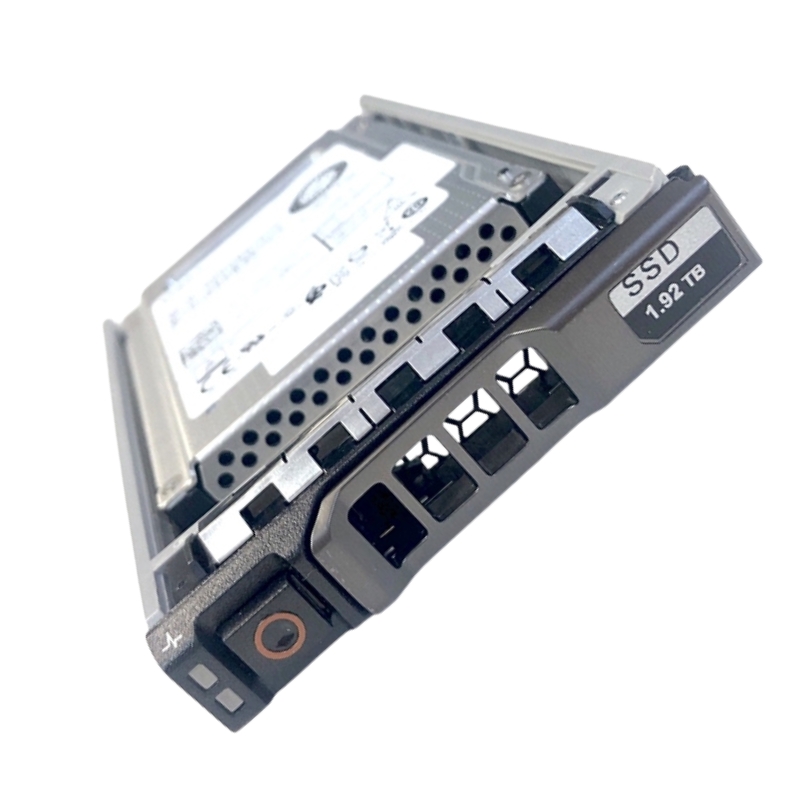


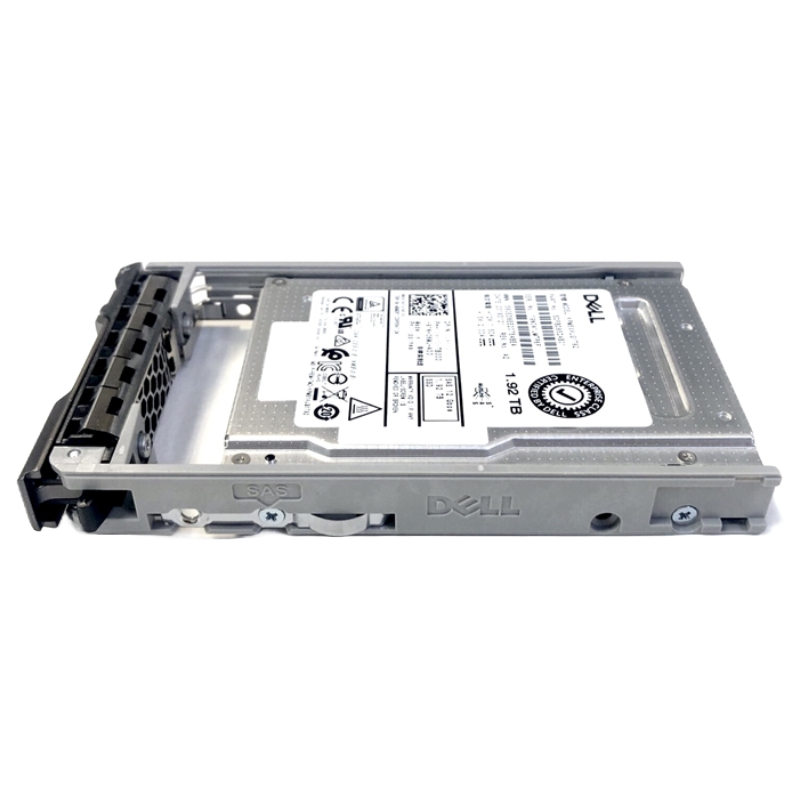
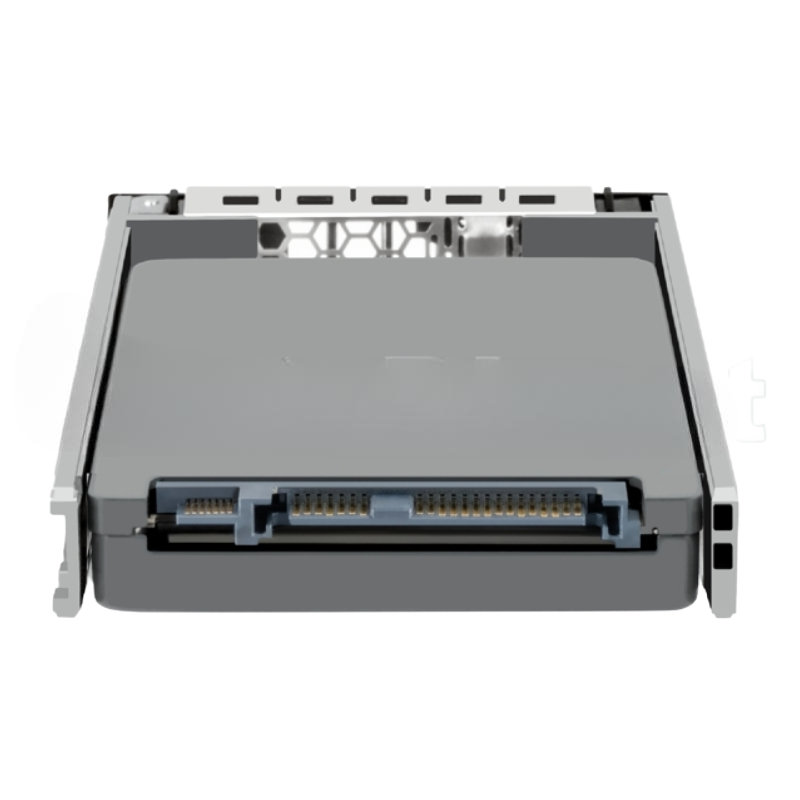
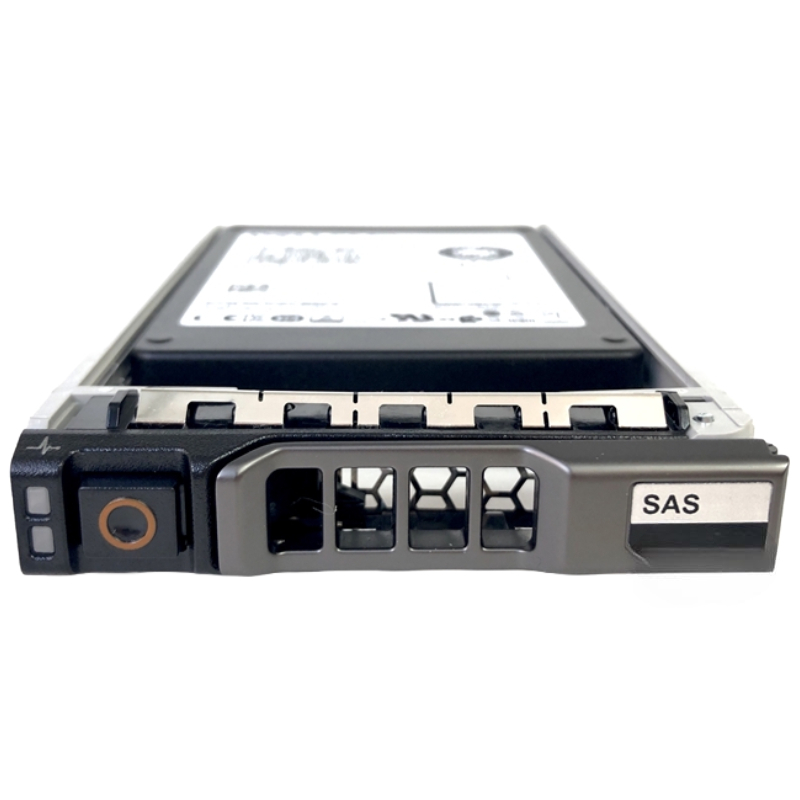
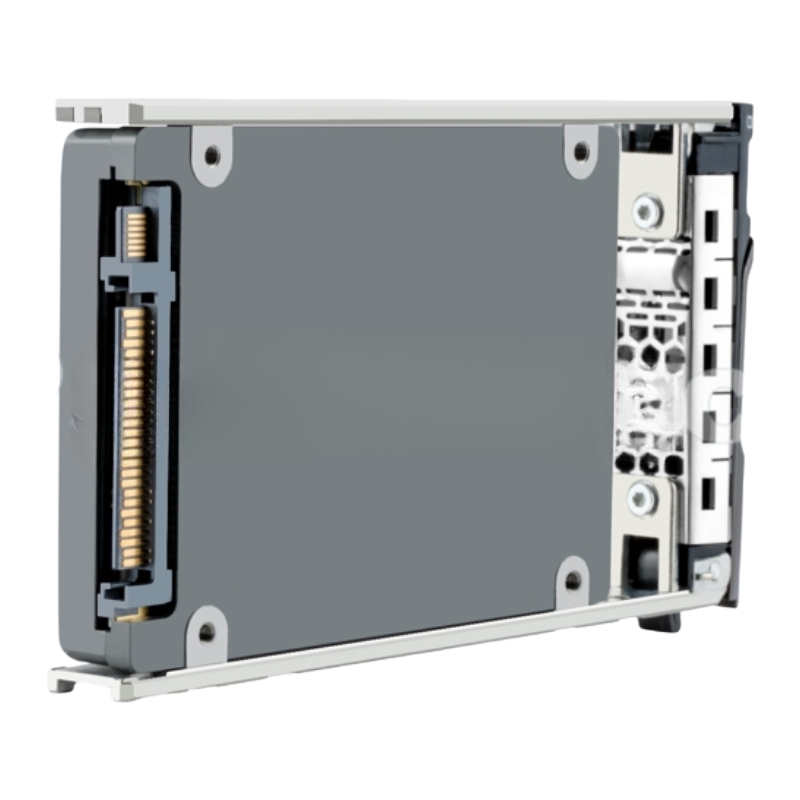
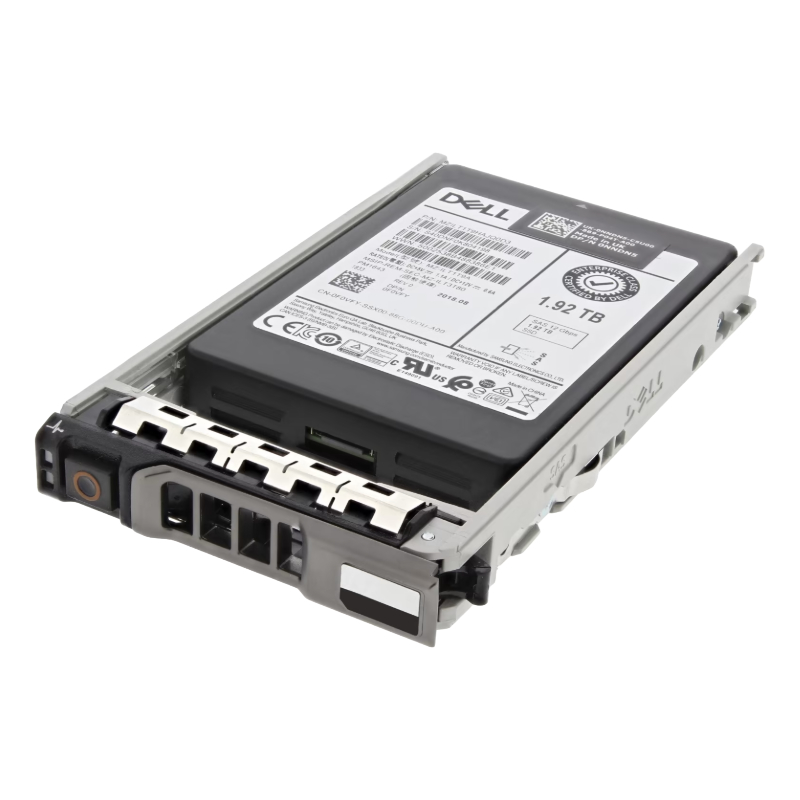
Dell 400-ANMN 1.92TB Mixed Use MLC SAS 12GBPS 2.5Inch Hot Plug SSD. Excellent Refurbished with 1 Year Replacement Warranty
| SKU/MPN | Warranty | Price | Condition | You save |
|---|---|---|---|---|
| 400-ANMN | 1 Year Warranty | $665.00 | Excellent Refurbished | You save: $232.75 (26%) |
| 400-ANMN | 1 Year Warranty | $1,048.00 | New Sealed in Box (NIB) | You save: $366.80 (26%) |
The Dell 400-ANMN solid-state drive offers robust performance and reliability for mixed-use workloads across a wide range of PowerEdge servers.
This SSD integrates seamlessly with a wide array of Dell PowerEdge platforms:
The Dell 400-ANMN 1.92TB Mixed-Use MLC SAS-12Gbps SFF hot-plug solid state drive is engineered to bridge the gap between read-intensive and write-heavy workloads by delivering a balanced combination of sustained throughput, predictable latency, and industry-standard endurance characteristics. Designed with enterprise datacenter demands in mind, this MLC-based SAS drive offers a platform-optimized solution for PowerEdge server environments where mixed transactional databases, virtualization, virtual desktop infrastructure (VDI), and general purpose application acceleration require both capacity and resilience. The MLC (multi-level cell) NAND used in this series provides a cost-effective density advantage over single-level cell alternatives while retaining endurance and performance that exceed consumer-grade SSDs, making it an attractive option for system architects who need to maximize usable capacity without sacrificing operational stability.
The SFF (small form factor) 2.5-inch profile of the 400-ANMN fits the dense drive bays common to modern Dell PowerEdge chassis, enabling high rack-level capacity while maintaining the airflow and thermal design expected in enterprise servers. The 12Gbps SAS interface provides robust, enterprise-grade connectivity that supports a wide range of RAID controllers and backplane architectures. SAS link aggregation, dual-port redundancy, and hardware RAID integration are standard capabilities in server platforms using SAS devices, and the 12Gbps link ensures headroom for bursty I/O and multi-tenant workload consolidation. Because this drive uses the SAS protocol rather than NVMe, it integrates seamlessly into established SAS storage arrays and hybrid pools, where administrators may combine high-capacity SAS SSDs with spinning disks or NVMe drives in tiered configurations to optimize cost, performance, and capacity.
Performance expectations for the Dell 400-ANMN center on delivering consistent IOPS and throughput across a variety of mixed-read/write patterns. In practical deployments, this drive is tuned to serve database transaction logs, boot volumes, application caches, and virtual machine storage where a blend of small random read/write operations and larger sequential transfers occurs. The mixed-use designation indicates firmware and flash-management strategies designed to smooth throughput under mixed I/O—reducing latency spikes, mitigating write-amplification, and preserving sustained performance during background garbage collection and wear-leveling cycles. System integrators will find that this balance makes the drive a strong candidate for consolidating multiple mid-tier workloads onto fewer physical disks without introducing unpredictable latency to critical transactions.
Multi-level cell NAND offers a favorable balance between capacity and endurance when carefully managed by enterprise-grade controllers and firmware. The Dell 400-ANMN drive implements advanced wear-leveling algorithms to distribute writes evenly across flash blocks, minimizing localized wear and extending overall service life. Background tasks such as garbage collection, bad block management, and dynamic over-provisioning are scheduled and executed to reduce write amplification and preserve spare cell capacity. These techniques combined with strong ECC (error-correcting code) ensure that data integrity is maintained even as NAND cells age. Administrators deploying this drive in write-demanding roles should consider standard enterprise best practices—such as monitoring SMART attributes, using appropriate RAID levels, and maintaining spare capacity—to further extend operational longevity.
On-drive features aimed at preserving data integrity typically include end-to-end data path protection, firmware-level power-loss protection buffers, and robust ECC that corrects multi-bit errors. These mechanisms are vital in enterprise settings to prevent silent data corruption and to ensure that on-disk structures remain consistent following unexpected events. The 400-ANMN series integrates these protections into its controller architecture so that data written to the drive is validated and retrievable, with mechanisms to quarantine failing blocks and divert writes to healthy flash regions. The result is a drive that aligns with the datacenter's requirement for high availability and minimal risk of data loss attributable to device-level faults.
Although the SAS standard provides broad compatibility across many server families and storage controllers, the Dell 400-ANMN is often used specifically with PowerEdge servers where firmware compatibility, hot-plug behavior, and drive management features are validated as part of the system vendor's qualification process. System administrators benefit from compatibility with server management utilities that report drive health, temperature, and SMART statistics, allowing predictive maintenance workflows that reduce unplanned downtime. Hot-plug capability means drives can be replaced or upgraded without powering down the server, which is essential for maintaining service continuity in 24x7 operations. When planning upgrades or replacements, IT teams should follow vendor guidelines for firmware updates and compatibility matrices to ensure smooth lifecycle transitions.
Small form factor drives installed in dense chassis environments are subject to thermal constraints driven by airflow, rack placement, and neighboring components such as CPUs and GPUs. The 400-ANMN's thermal design anticipates typical PowerEdge airflow patterns, but actual operating temperatures vary by chassis configuration and workload intensity. Sustained heavy write operations generate heat as the controller and flash work at elevated duty cycles, and thermal throttling behaviors may be employed by the firmware to protect device integrity under prolonged stress. This makes it important for datacenter operators to observe manufacturer-recommended airflow arrangements and to avoid obstructing intake or exhaust pathways. Effective thermal management prolongs drive life and maintains consistent performance across peak utilization windows.
The hot-plug nature of this SSD simplifies maintenance by allowing drive swaps while the server is operational, provided that RAID controllers and operating system device drivers support online rebuilds and failover. Hot-plug serviceability also demands that service technicians follow electrostatic discharge (ESD) precautions and adhere to drive bay indicators to avoid accidental removal of active devices. Drives designed for hot-swap use commonly include mechanical latches, status LEDs, and firmware that cooperates with the server to gracefully drop a device from an array before replacement. In clustering and mirrored storage configurations, these features help keep application downtime minimal even as individual drives are cycled for replacement or upgrades.
Virtualized environments with dense virtual machine populations require storage devices that can tolerate a mix of small random reads and writes while maintaining low latency. The Dell 400-ANMN is well-suited for boot volumes, OS images, and the per-VM swap and pagefile activity typical of VDI deployments. Mixed-use endurance characteristics help handle the high write intensity associated with many simultaneously active virtual desktops, while the SAS interface keeps the device compatible with existing server backplanes and RAID controllers that enterprises commonly deploy.
Transactional databases and logging systems benefit from predictable write performance and rapid commit acknowledgment, especially when synchronous replication or journaling is used. The 400-ANMN's design supports such roles by providing on-drive mechanisms for fast commit and consistent write behavior. Application acceleration scenarios—where frequently accessed data or metadata is kept on a faster storage tier—also take advantage of the drive's blend of capacity and performance, enabling administrators to reduce application latency without migrating the entire dataset to more expensive media.
In tiered storage architectures, mixed-use SAS SSDs are frequently deployed as an intermediate cache tier between high-performance NVMe or flash arrays and bulk-capacity HDD tiers. The 1.92TB capacity provides meaningful usable space for caching metadata, hot blocks, and working sets while fitting within the I/O pattern expectations of SAS-based hybrid arrays. Intelligent caching solutions recognize hot data patterns and keep the most active blocks on SSD, allowing the slower capacity tier to serve archival or cold data with minimal impact on application responsiveness.


 Contact Us
 Information
 Catalog
 Solid State Drives (SSD)
 Network Switches
 Hard Disk Drives
 HBA & Controllers
 PC & Servers
 PC & Server Memory
 CPU & Processors
 Network Routers
 Power Supplies
 Tape Drives & Libraries
 Network Devices
 Computer & Network Cables