(7% discount is applied at checkout)
Cart is empty
Your go-to destination for cutting-edge server products
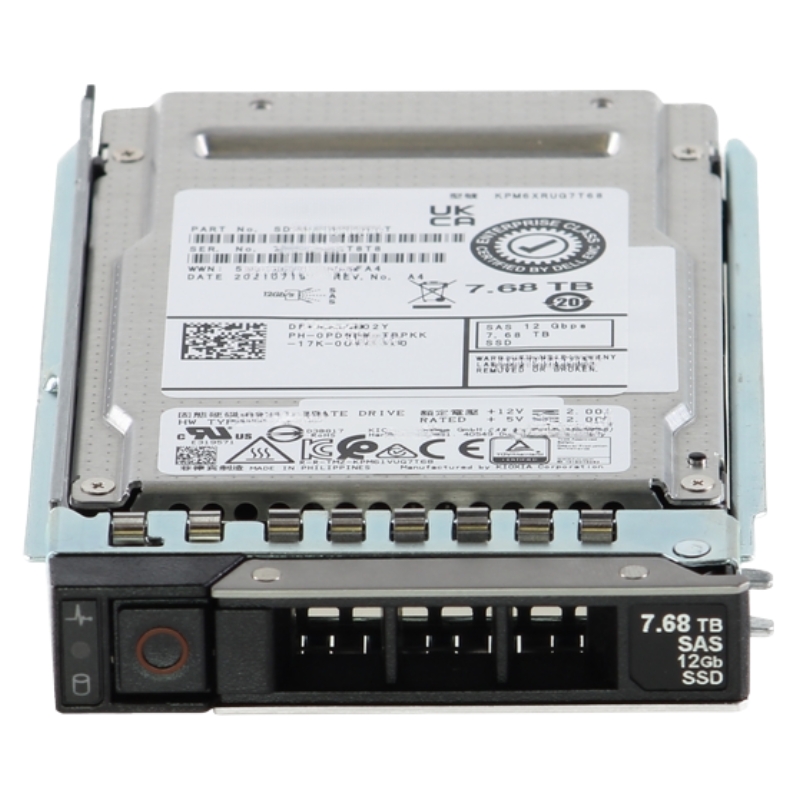


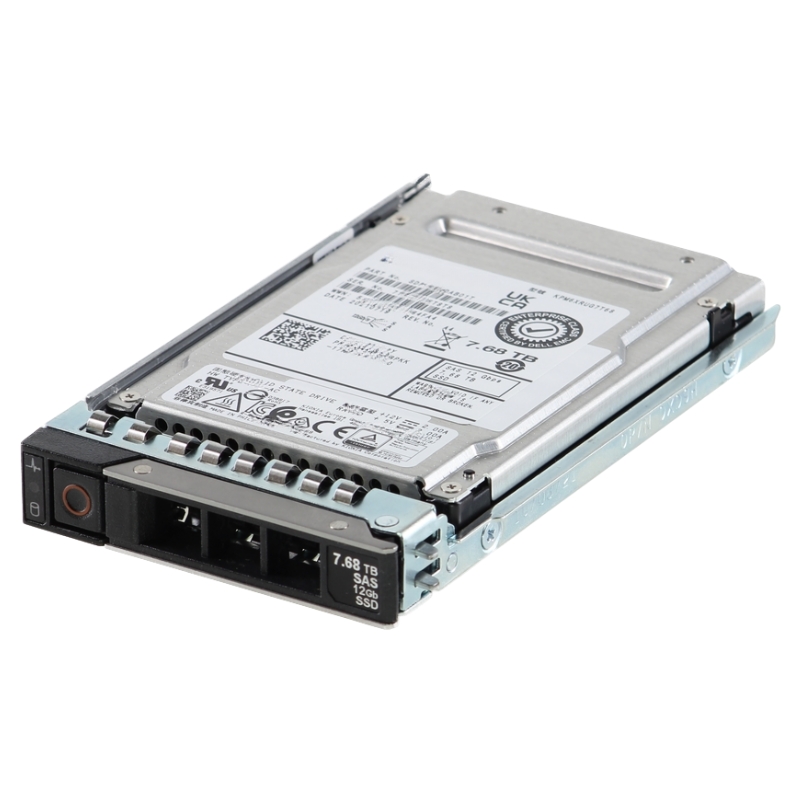
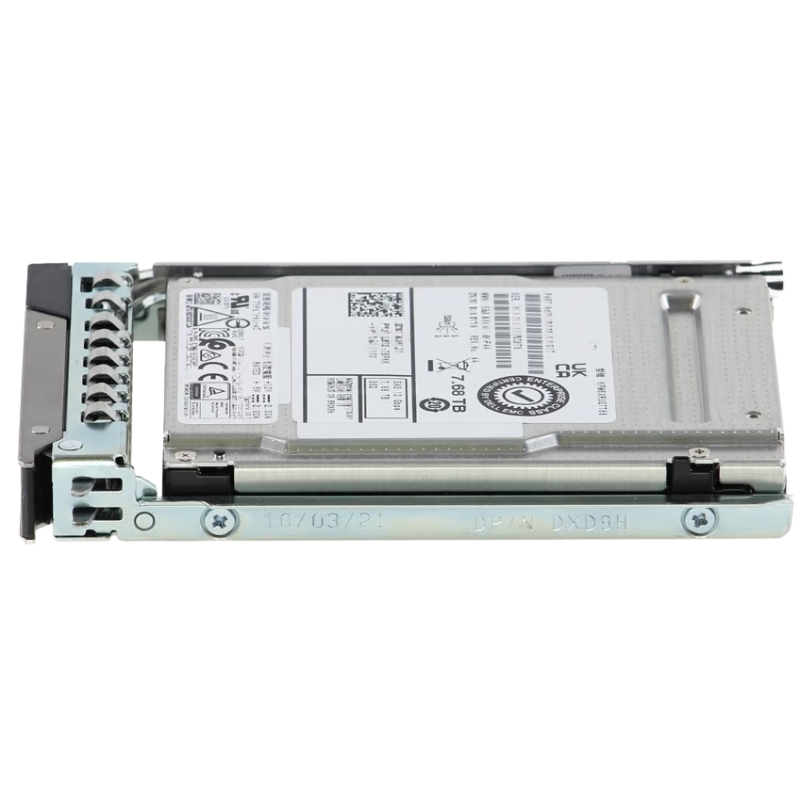
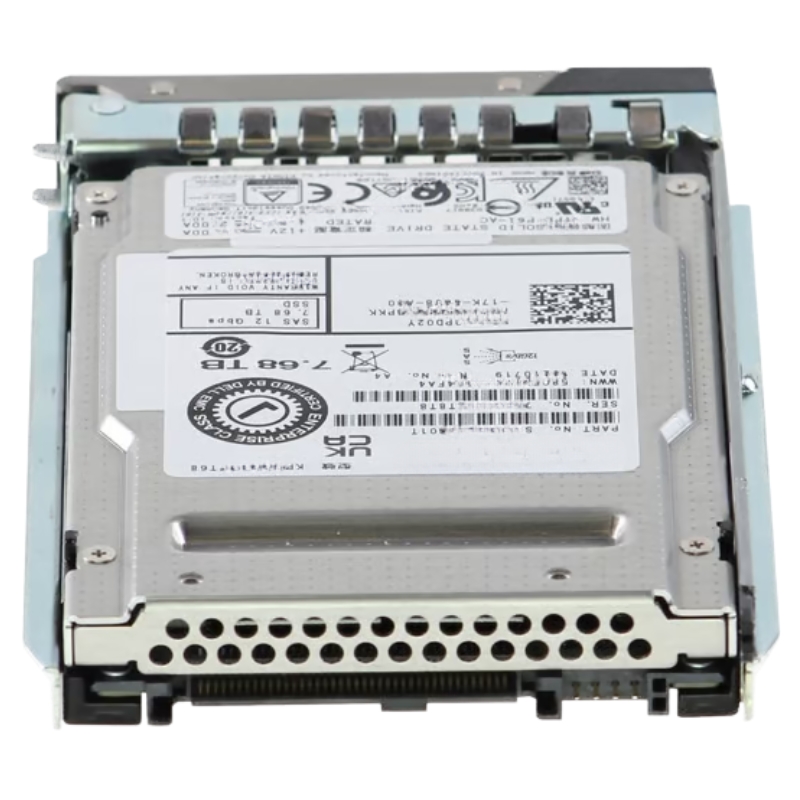
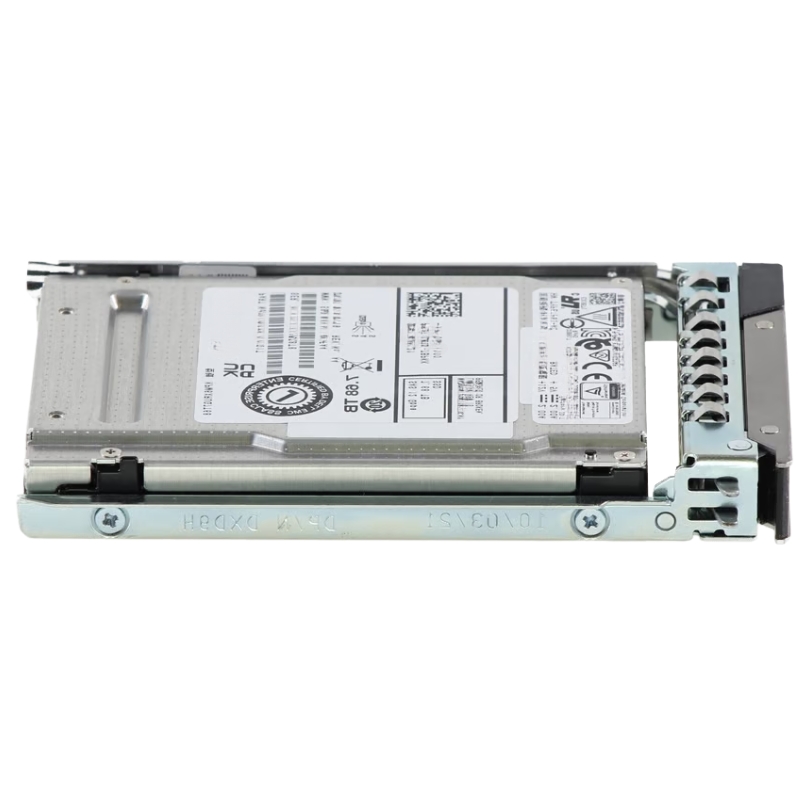
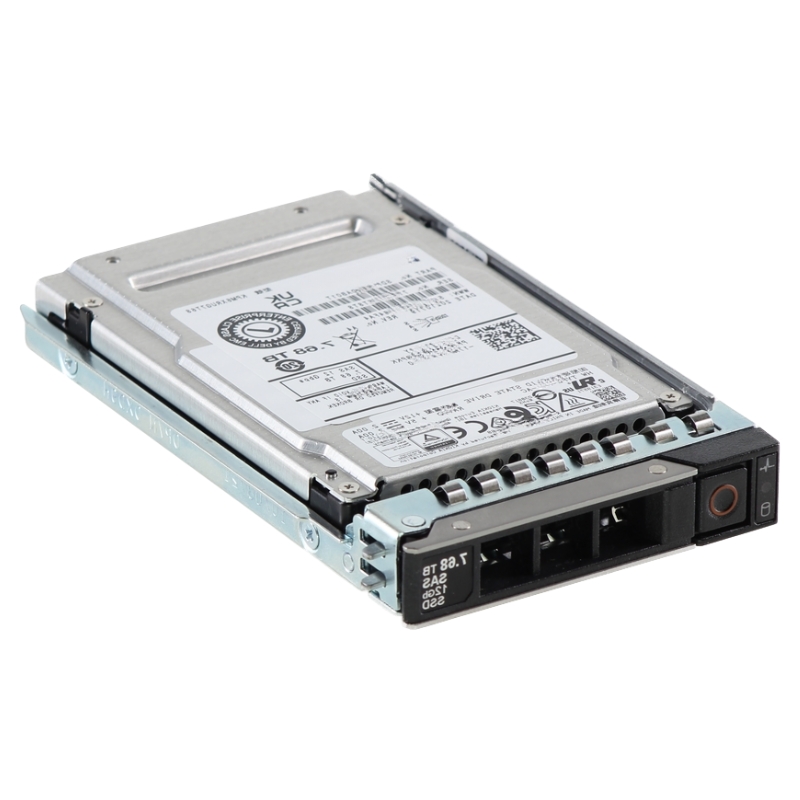
EMC 118000634 7.68tb SAS 12Gbps 2.5inch Enterprise Solid State Drive. Excellent Refurbished with 1 year Replacement Warranty
The EMC 118000634 is a high-performance solid-state drive engineered to provide businesses with dependable storage capacity, swift data access, and long-lasting reliability. Designed for enterprise-level applications, this SAS-based drive ensures seamless integration into demanding IT infrastructures.
The category covering drives like the 118000634 (:contentReference[oaicite:0]{index=0} 7.68 TB SAS 12 Gbps 2.5-inch Enterprise Solid State Drive) is tailored for enterprise environments demanding maximum storage density, consistent performance, and robust reliability. These drives are distinguished from typical consumer SSDs by their interface (SAS rather than SATA), higher endurance, enterprise-grade firmware, and integration with server and storage array platforms. The category encompasses high-capacity 2.5-inch form factor SSDs (e.g., 7.68 TB and above), SAS 12 Gb/s connectivity, and intended use in data-centres, cloud infrastructure, enterprise storage arrays, virtualization hosts and other mission-critical systems.
SAS drives support advanced RAID configurations that provide both performance and redundancy. Compatibility with hardware RAID controllers such as Dell PERC, LSI MegaRAID, and HPE Smart Array allows enterprises to deploy storage architectures tailored to specific performance needs. RAID configurations like RAID 10 and RAID 6 benefit greatly from the high-speed, dual-port nature of SAS drives, providing both redundancy and superior data throughput.
Data protection features like hot-spare support, automatic rebuild, and real-time parity checking are integral to enterprise SAS environments. These features ensure that even if a drive fails, data integrity remains intact, and the system continues operating without interruption.
Storage Area Networks (SANs) and dedicated storage arrays rely heavily on SAS drives for backend storage. These systems use SAS expanders to connect multiple drives in daisy-chained configurations, ensuring scalability and reliability. SAS drives are fully compatible with these setups, supporting both point-to-point and expander-based topologies. The compatibility between SAS drives, expanders, and RAID controllers ensures consistent performance across large-scale storage networks.
In SAN environments, dual-port SAS drives enhance data path redundancy, which is crucial for fault-tolerant storage solutions. Their compatibility with major enterprise SAN vendors, including Dell EMC, NetApp, and HPE, allows businesses to standardize their storage platforms for easier management and scalability.
The SAS 12 Gb/s interface is the backbone of this category. While interface alone doesn’t determine performance, it sets the upper bound for throughput and allows enterprise HBAs/backplanes to deliver consistent low latency. Drives with SAS 12 Gb/s support concurrent high-queue depth, multi-threaded workloads and are compatible with server backplanes that are optimized for enterprise storage. The category listing explicitly mentions SAS 12 Gb/s for the EMC 118000634. :contentReference[oaicite:11]{index=11}
Capacity becomes especially relevant in this category when managing large data sets, virtual machine images, databases and high-performance caching. A 7.68 TB capacity means fewer drives, reduced rack-space and simplified management. As with the 118000634 listing, the 7.68 TB size is clearly highlighted. :contentReference[oaicite:12]{index=12}
Enterprise-grade SSDs in this category will specify endurance in TBW or DWPD, often supported by firmware optimized for heavy write workloads, advanced garbage collection, wear-leveling, and power-loss protection. While specific TBW values for 118000634 aren’t shown in the listing, the “enterprise solid state drive” description implies those attributes. :contentReference[oaicite:13]{index=13}
Using a 2.5-inch form factor ensures compatibility with dense server/storage arrays. It also allows the drives to benefit from enterprise cooling, hot-swap trays, standardized sleds and server integration. The listing mentions 2.5 inch explicitly. :contentReference[oaicite:14]{index=14}
In this category, firmware plays a critical role. Enterprise SSDs need firmware optimized for mixed workloads, predictable latency, endurance across full drive life, and monitoring/telemetry features suited to data-centre operations. The OEM (EMC/Dell, in this example) provides the ecosystem, support, drivers and firmware updates that align with server vendors. The listing for 118000634 states that it is “engineered to provide businesses with dependable storage capacity, swift data access, and long-lasting reliability.” :contentReference[oaicite:15]{index=15}
Enterprise class SAS SSDs are selected for workloads where consistent I/O, high availability and endurance matter. Some typical use-cases:


 Contact Us
 Information
 Catalog
 Solid State Drives (SSD)
 Network Switches
 Hard Disk Drives
 HBA & Controllers
 PC & Servers
 PC & Server Memory
 CPU & Processors
 Network Routers
 Power Supplies
 Tape Drives & Libraries
 Network Devices
 Computer & Network Cables