(7% discount is applied at checkout)
Cart is empty
Your go-to destination for cutting-edge server products
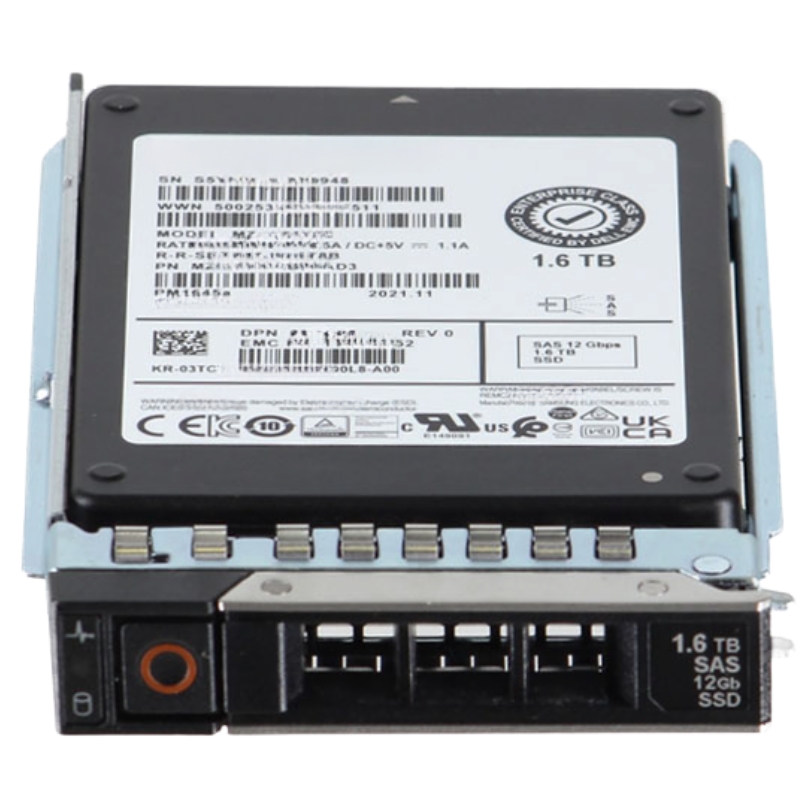


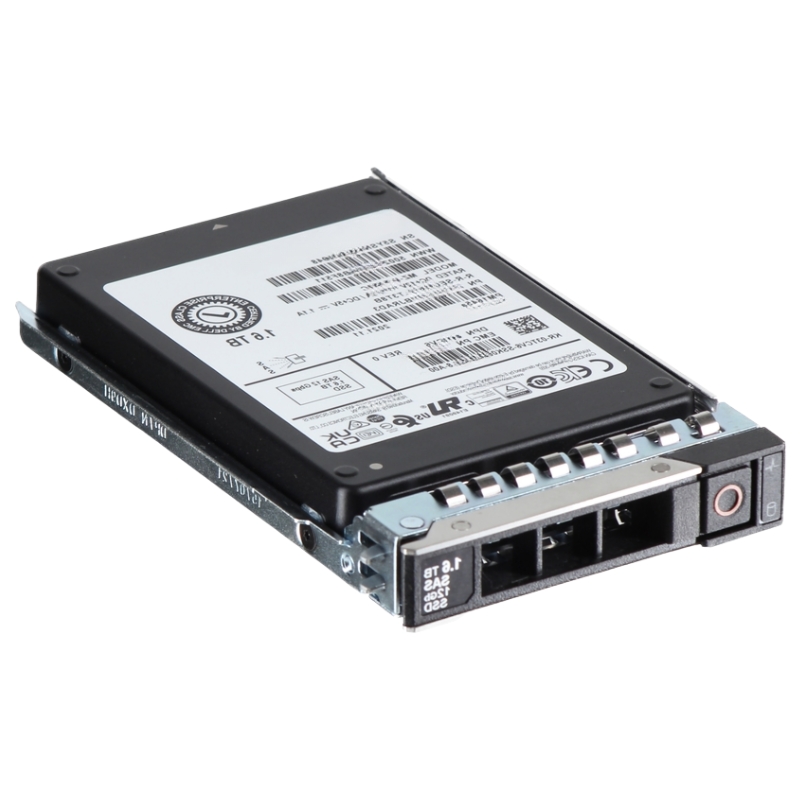
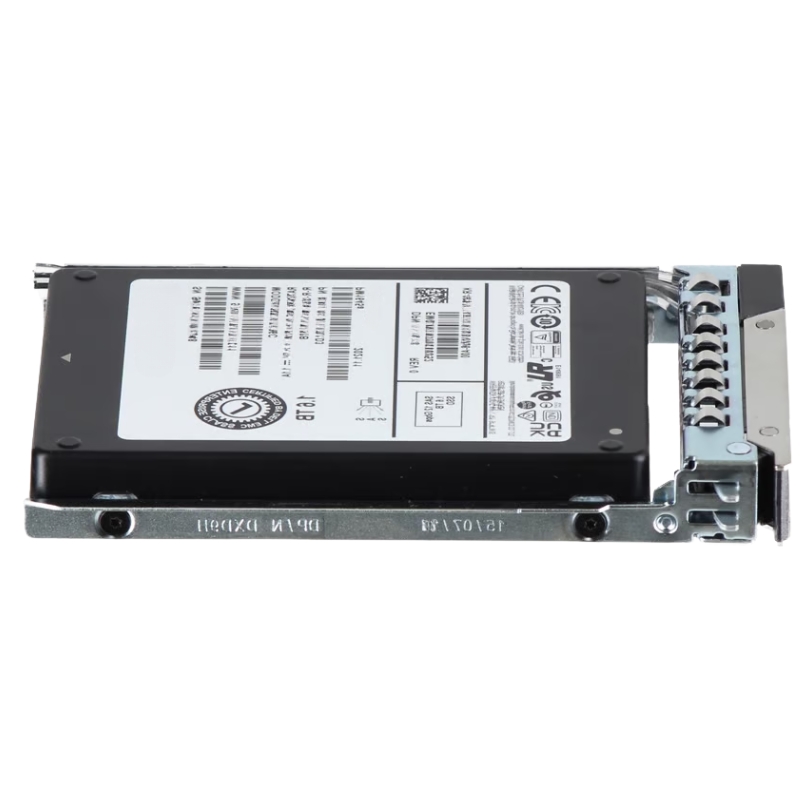
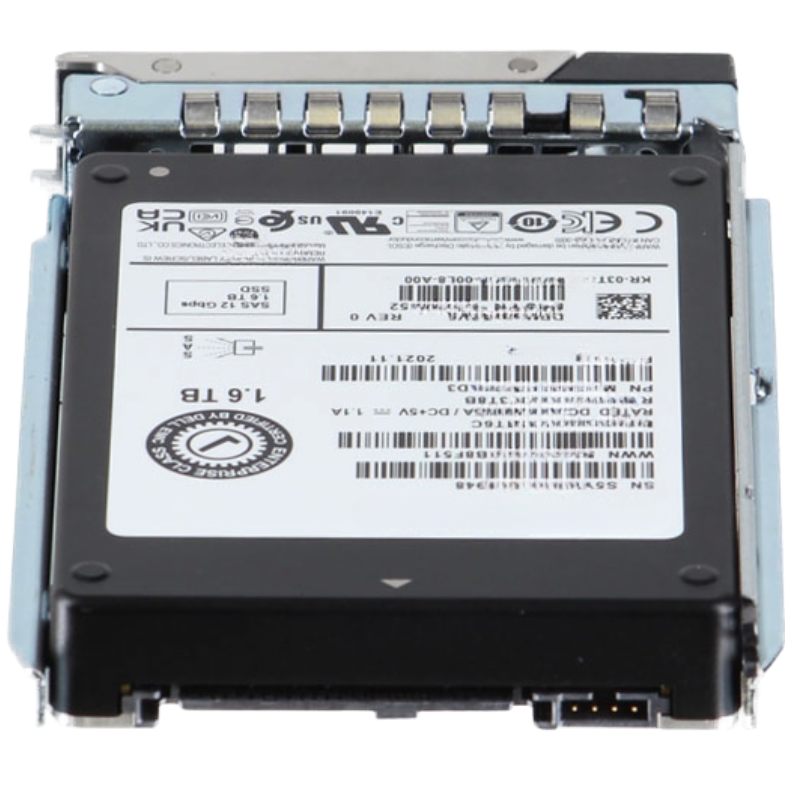
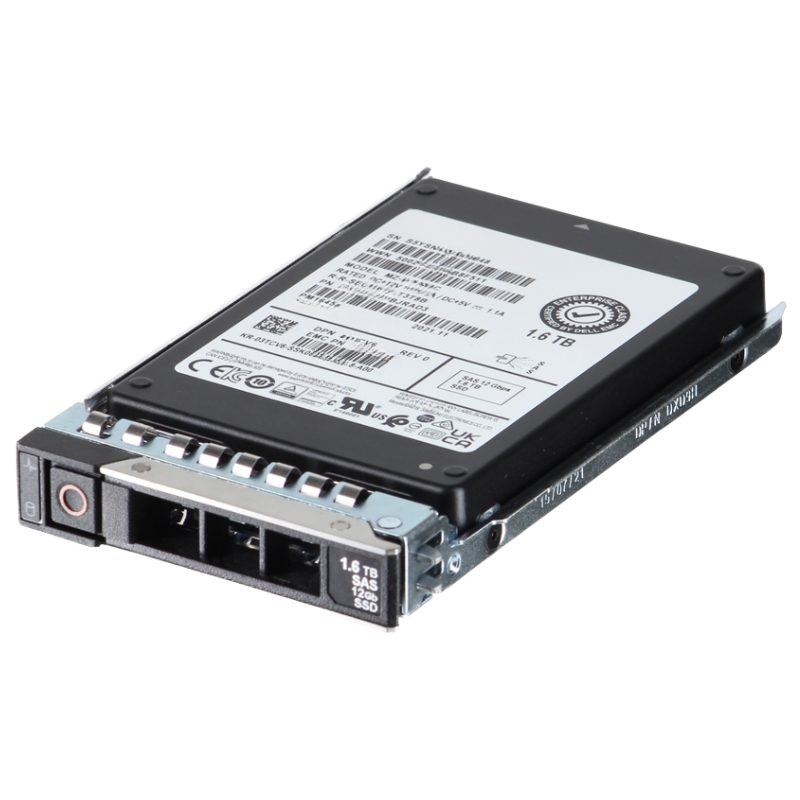
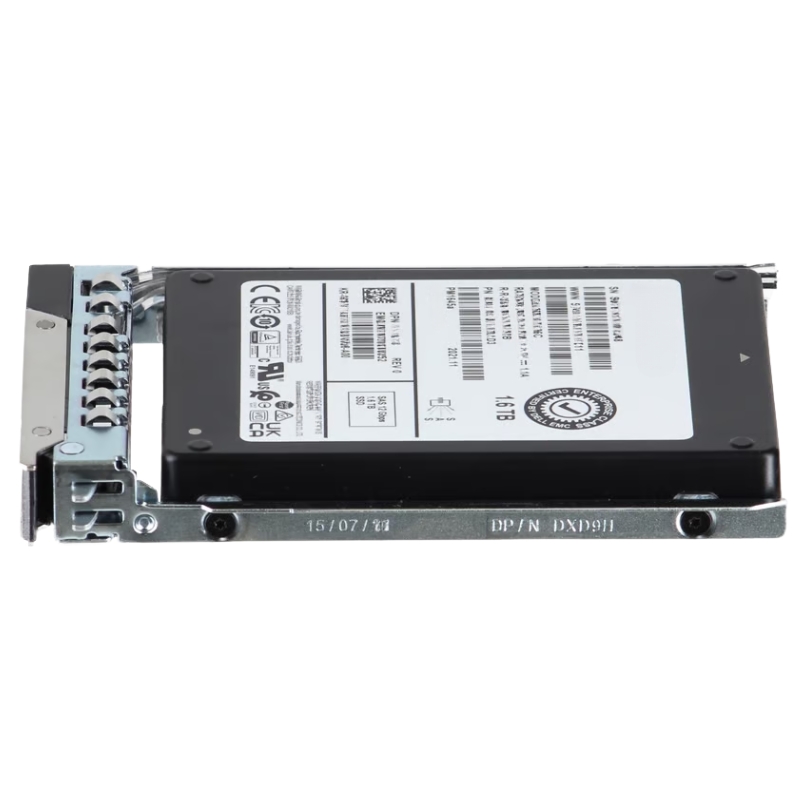
EMC 118033292-01 1.6TB SAS-12Gbps Unity 3.5 Inch Enterprise Solid State Drive. Excellent Refurbished with 1 year Replacement Warranty
The EMC 118033292-01 is a highly reliable enterprise-grade SSD designed for performance-driven storage environments. Offering an exceptional balance of capacity and speed, this model is built to meet the rigorous requirements of modern data centers, cloud solutions, and mission-critical workloads.
The EMC 118033292-01 SSD is versatile, making it suitable for a variety of enterprise-level implementations where speed, dependability, and scalability are essential.
Investing in the EMC 118033292-01 means organizations benefit from consistent performance, lower operational risks, and long-term dependability. It is a future-proof choice for businesses looking to upgrade their data storage infrastructure.
A defining characteristic of this product class is the SAS-12Gbps host interface. The 12 Gbps SAS link provides a robust serial-attached SCSI connection that supports higher throughput and improved command queuing compared with earlier SAS generations. This interface is particularly useful in dense server environments and storage controllers that aggregate many I/O streams simultaneously.
The 1.6TB capacity (formatted capacity may vary) balances capacity and performance for tier-1 workloads. Typically delivered in a 2.5" SFF form factor, these drives enable high-density server and storage chassis deployments while keeping power and cooling requirements lower than larger HDD fleets.
Enterprise flash media in this category is optimized for sustained random I/O with low, consistent latency. This makes it ideal for latency-sensitive services (databases, VDI, high-frequency transaction processing). Expect sustained mixed read/write performance characteristics appropriate for storage arrays and SAN environments when the drives are used under supported RAID or controller configurations.
Enterprise SSDs include advanced wear-leveling, power-loss protection, background garbage collection, and strong error-correction (ECC) to ensure data integrity over the device lifetime. Manufacturers typically specify endurance ratings in drive writes per day (DWPD) or total terabytes written (TBW); consult product datasheets for exact endurance targets and warranty coverage.
Performance for enterprise SSDs depends heavily on the workload profile. Under random small-block I/O (4K–8K), SAS enterprise SSDs show strong IOPS and stable latency, which benefits database index lookups, metadata operations, and virtual machine boot storms. For large sequential transfers (e.g., backup or media streaming), these drives still perform well compared with spinning media, but achieve their most favorable advantage in small-random I/O scenarios common to OLTP and virtualization.
Controller firmware, RAID level, and cache configuration influence observed performance. When used within storage arrays, ensure controller firmware is up to date and that the controller supports SAS 12Gbps link negotiation to avoid link speed downshifts. RAID configurations optimized for performance (RAID 10, RAID 6 with enterprise cache settings) can preserve low latency while offering redundancy; however, parity-based levels introduce additional write amplification and should be matched to endurance requirements.
The 118033292-01 class SSDs include mechanisms designed to preserve in-flight data on unexpected power loss, typically through power capacitors and firmware-safe write ordering. These features reduce the risk of data corruption and are essential for enterprise transactional systems.
Endurance planning requires understanding application write intensity. Enterprise drives are specified for higher DWPD values than consumer models, but administrators should still track write amplification and monitor SMART attributes and vendor health counters. Implement lifecycle replacement policies based on endurance metrics and business SLAs.
Firmware updates address stability, performance optimization, and compatibility with newer array controllers and host adapters. Always follow vendor guidance for firmware upgrades and schedule maintenance windows, particularly when drives are part of RAID groups or clustered storage systems.
While this drive is marketed as an EMC SKU number, many modern storage controllers and enterprise servers accept standard SAS enterprise drives. Check compatibility lists (HCLs) for the target array or server model to confirm full support, especially for advanced features like power-loss protection signaling or vendor-specific monitoring telemetry.
The 2.5" form factor and enterprise connector layout support hot-swap replacement in most modern server and storage chassis. Maintain clear tracking of drive serial numbers and firmware revisions in asset management systems to simplify support and warranty claims.
Databases (MySQL, PostgreSQL, Oracle, SQL Server) benefit from the low latency and consistent IOPS of enterprise SAS SSDs. Use these drives for transaction logs, high-activity tablespaces, and cache layers where performance directly impacts application responsiveness.
Virtual desktop infrastructure and large virtual machine farms often generate many small, random I/O operations. Deploying 1.6TB SAS enterprise SSDs in the storage tier reduces boot storms, improves VM density per host, and delivers a better end-user experience.
Integrate these SSDs as cache or tier-0 media in hybrid arrays. Their fast response times accelerate read-heavy and mixed workloads while leaving lower-cost HDD tiers for archival or bulk capacity.


 Contact Us
 Information
 Catalog
 Solid State Drives (SSD)
 Network Switches
 Hard Disk Drives
 HBA & Controllers
 PC & Servers
 PC & Server Memory
 CPU & Processors
 Network Routers
 Power Supplies
 Tape Drives & Libraries
 Network Devices
 Computer & Network Cables