(7% discount is applied at checkout)
Cart is empty
Your go-to destination for cutting-edge server products
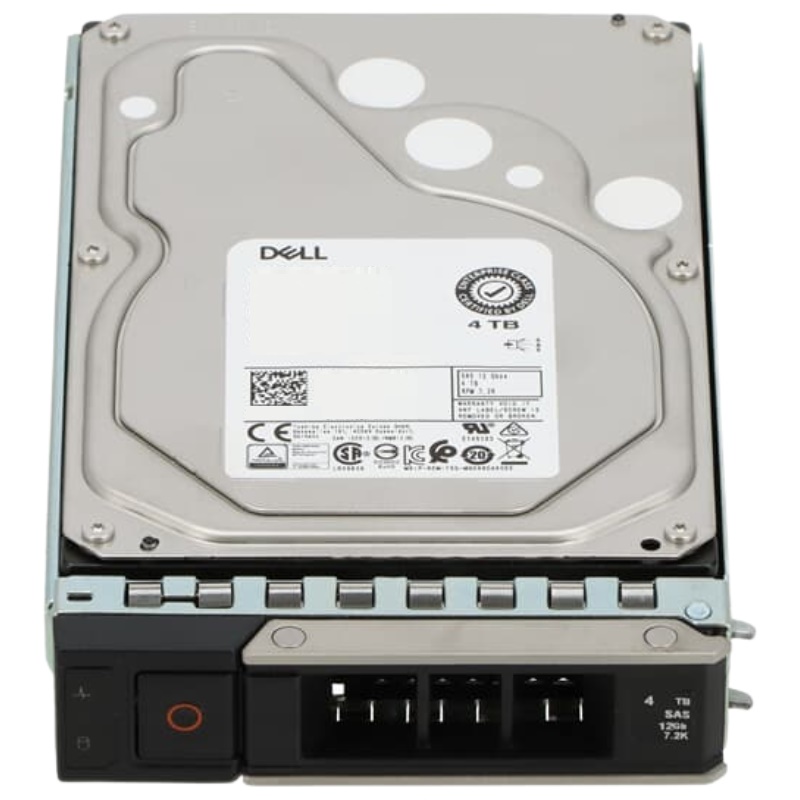


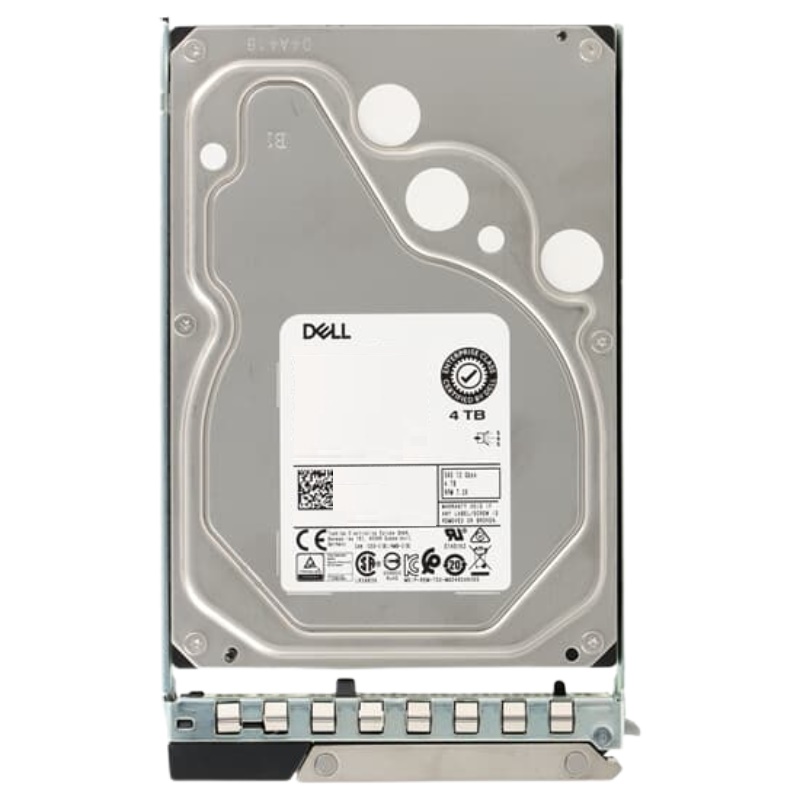
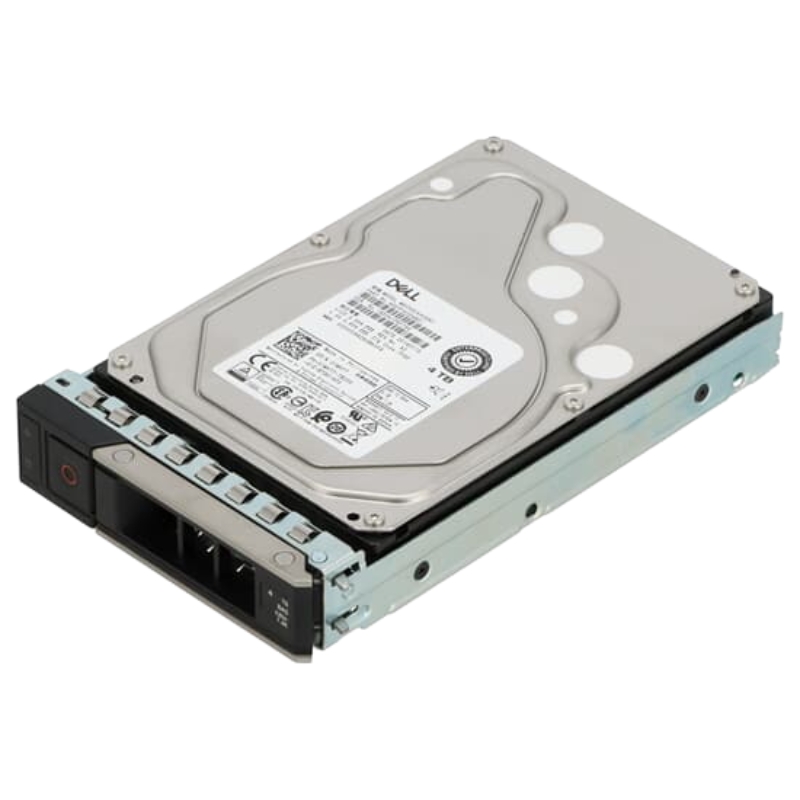
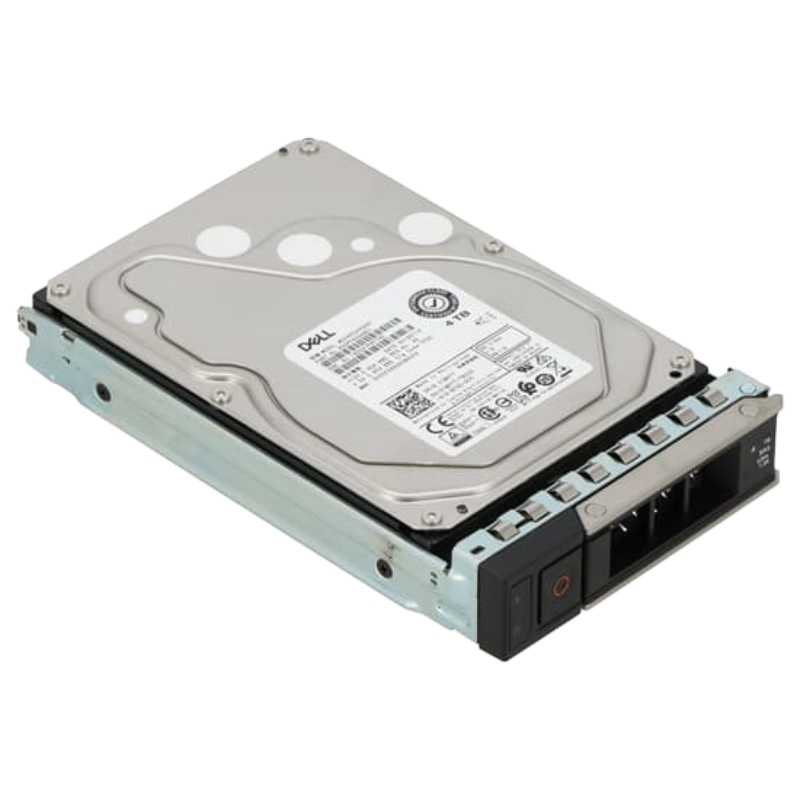
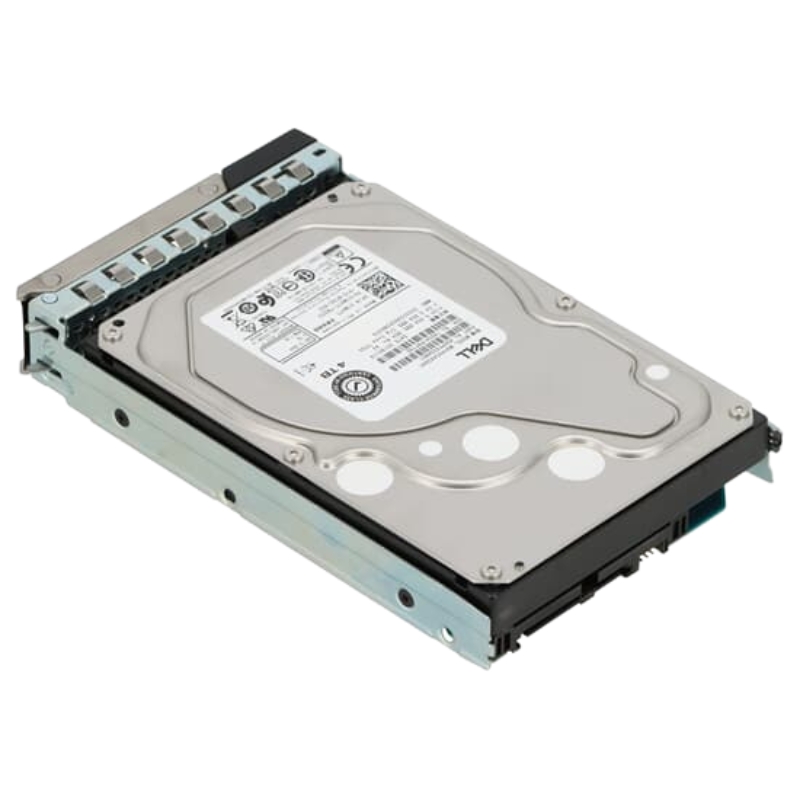
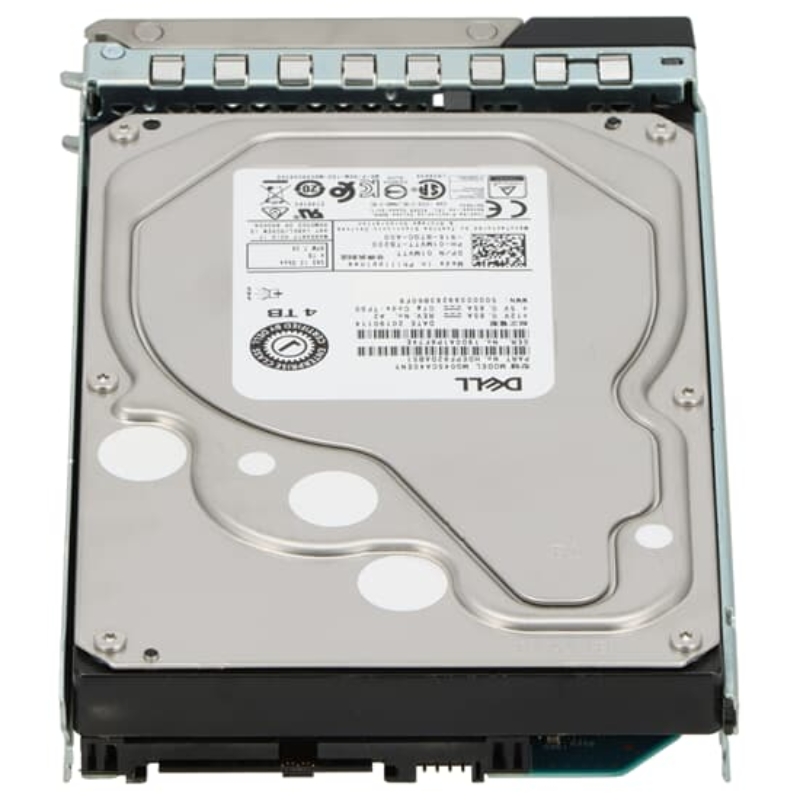
Dell 161-BBPY 4TB 7.2K RPM NL SAS 12GBPS 512n 3.5inch Hot-Plug Hard Drive with Tray For Powervault Me5012 Storage Array. New Sealed in Box (NIB) with 1-Year Warranty
Dell 161-BBPY 4TB 7.2K RPM NL SAS 12Gbps 512n 3.5-inch Hot-Plug Hard Drive delivers reliable enterprise-class storage performance designed for scalable server and data center environments. Engineered for efficiency and durability, this high-capacity hard drive ensures consistent data access, optimized workload handling, and seamless integration into supported Dell storage systems, making it ideal for business-critical applications requiring stable throughput and dependable performance.
Key Advantages
The Dell 161-BBPY 4TB 7.2K RPM NL SAS 12GBPS 512n 3.5 inch Hot-Plug Hard Drive belongs to a class of enterprise-grade storage devices designed for scalable server environments, data centers, and mission-critical computing infrastructures. This storage device is engineered to deliver balanced performance, capacity, and reliability for workloads that require consistent data throughput and long-term operational stability. Built on Nearline SAS technology, it bridges the gap between high-capacity archival storage and enterprise-level performance requirements, making it suitable for modern IT ecosystems where data availability and integrity are essential.
Enterprise storage environments depend heavily on predictable behavior under sustained workloads, and this hard drive is developed with that expectation in mind. It integrates mechanical precision engineering with advanced interface protocols to ensure smooth communication between storage and server controllers. The combination of 4TB capacity, 7200 rotations per minute spindle speed, and 12Gbps SAS interface provides a balanced configuration optimized for bulk storage, backup operations, and moderate transactional workloads.
The physical structure of this hard drive is built around a 3.5 inch form factor, which is widely adopted in enterprise storage systems due to its ability to accommodate larger platters and higher storage densities. Inside the enclosure, precision-aligned magnetic platters rotate at a constant speed of 7.2K RPM, enabling consistent data access times across sequential and random read/write operations. The mechanical assembly is stabilized using vibration dampening techniques that reduce rotational disturbance when deployed in multi-drive server chassis.
The internal actuator system is engineered for high accuracy positioning of read and write heads. This ensures that data retrieval remains stable even under heavy concurrent workloads. The design also incorporates thermal management considerations, allowing the drive to maintain optimal operating temperatures in densely packed server environments. These mechanical characteristics contribute to its suitability for continuous operation scenarios in enterprise systems.
One of the defining features of this storage device is its SAS 12Gbps interface, which significantly enhances data transfer capability between the drive and the host system. Serial Attached SCSI technology is widely recognized in enterprise computing for its robustness, full-duplex communication, and support for multiple device connections in a single storage topology. The 12Gbps bandwidth allows the drive to handle large data streams efficiently, reducing bottlenecks in storage-intensive applications.
This interface also provides improved command queuing and error handling mechanisms compared to traditional storage interfaces. It enables better scalability in storage arrays where multiple drives operate simultaneously under high workloads. The SAS protocol ensures data integrity through advanced signaling methods, making it suitable for environments where data accuracy and uptime are critical requirements.
The 7.2K RPM rotational speed plays a key role in balancing performance and energy efficiency. While faster spindle speeds can deliver lower latency, 7200 RPM drives are widely used in enterprise storage for their optimal compromise between speed, reliability, and cost efficiency. This rotational speed ensures stable sequential data transfer rates, making it ideal for large file storage, backup repositories, and archival systems.
The performance characteristics of this drive are further enhanced by its firmware optimization, which manages read/write head movements efficiently. This reduces unnecessary mechanical strain and improves overall throughput consistency. In environments where sustained data access is more important than ultra-low latency, this configuration provides dependable and predictable performance.
With a storage capacity of 4 terabytes, this hard drive is capable of handling large volumes of structured and unstructured data. It is suitable for enterprise applications that require centralized storage for business records, system backups, virtualization images, and media archives. The capacity allows organizations to consolidate storage resources while maintaining efficient data accessibility.
In large-scale IT infrastructures, storage density is a critical factor in system design. This drive supports efficient space utilization within server racks, enabling organizations to scale storage without excessive hardware expansion. The 4TB capacity also makes it a practical choice for tiered storage strategies, where frequently accessed data is stored on faster media while bulk data resides on high-capacity drives.
The 512n sector format represents a traditional logical block architecture that ensures compatibility with a wide range of enterprise systems and legacy applications. Each sector contains 512 bytes of data, providing a standardized structure for storage operations. This format is widely supported across server platforms and storage controllers, making integration straightforward in heterogeneous environments.
The consistent sector size contributes to predictable data alignment, which is important for database systems and file storage engines. It ensures that data is written and retrieved in a structured manner, reducing complexity in storage management. This compatibility also simplifies migration between storage systems, allowing enterprises to upgrade infrastructure without extensive reconfiguration.
Hot-plug functionality is a critical feature in enterprise storage environments where system downtime must be minimized. This capability allows the drive to be inserted or removed from a running system without shutting down the server. It is particularly valuable in data centers where continuous availability is a primary requirement.
The hot-plug design is supported by robust electrical and mechanical interfaces that ensure safe connection and disconnection. This reduces the risk of data corruption and hardware damage during maintenance operations. It also simplifies hardware replacement procedures, enabling IT administrators to perform upgrades or repairs efficiently without disrupting ongoing services.
Reliability is a fundamental requirement for enterprise storage systems, and this hard drive is engineered to meet those demands. It is built to withstand continuous operation in multi-drive environments where vibration, heat, and workload intensity are consistently high. The drive incorporates error correction mechanisms and firmware-level monitoring to maintain data integrity over extended usage periods.
The mechanical components are designed for long operational life, reducing the risk of premature failure in critical systems. This durability is essential for applications such as cloud infrastructure, virtualization platforms, and business continuity systems where data availability must be maintained at all times.
In modern data center environments, storage scalability is a key architectural requirement. This hard drive integrates seamlessly into storage arrays and server clusters, supporting expansion without significant redesign of existing infrastructure. Its SAS interface enables connection to expanders and controllers that manage large numbers of drives efficiently.
Scalability is further enhanced by consistent performance characteristics across multiple drives, allowing predictable behavior in RAID configurations and distributed storage systems. This consistency is essential for maintaining performance stability as storage systems grow in size and complexity.
This storage device is suitable for a wide range of enterprise workloads, including file storage systems, backup repositories, virtualization storage pools, and cloud infrastructure nodes. Its balanced performance characteristics allow it to handle sequential and moderate random workloads effectively.
In backup and archival systems, the large capacity and reliable throughput make it an efficient choice for long-term data retention. In virtualization environments, it supports multiple virtual machines accessing shared storage resources simultaneously, maintaining stable performance across workloads.
This hard drive is designed for compatibility with enterprise server platforms that support SAS storage interfaces. It integrates with storage controllers that manage multiple drives in complex configurations. This compatibility ensures smooth deployment in existing infrastructure without requiring extensive hardware modifications.
Its standardized form factor and interface make it suitable for rack-mounted servers, storage arrays, and modular storage systems. This flexibility allows organizations to integrate it into a wide range of computing environments.
In enterprise infrastructure planning, this type of hard drive plays a key role in building scalable and cost-effective storage solutions. It is often deployed in tiered storage architectures where it handles large volumes of less frequently accessed data while faster storage devices handle critical real-time workloads.
This strategic placement allows organizations to optimize storage costs while maintaining efficient access to essential data. The durability and capacity of the drive make it a reliable component in long-term storage strategies.
High-density server environments require storage devices that can maintain stability under continuous operation. This hard drive is engineered to withstand such conditions, with mechanical and firmware-level optimizations designed to reduce failure rates and maintain consistent performance.
Vibration resistance and thermal stability are key factors that contribute to its reliability in multi-drive enclosures. These features ensure that performance remains stable even when dozens of drives operate simultaneously within a confined space.


 Contact Us
 Information
 Catalog
 Solid State Drives (SSD)
 Network Switches
 Hard Disk Drives
 HBA & Controllers
 PC & Servers
 PC & Server Memory
 CPU & Processors
 Network Routers
 Power Supplies
 Tape Drives & Libraries
 Network Devices
 Computer & Network Cables