(7% discount is applied at checkout)
Cart is empty
Your go-to destination for cutting-edge server products
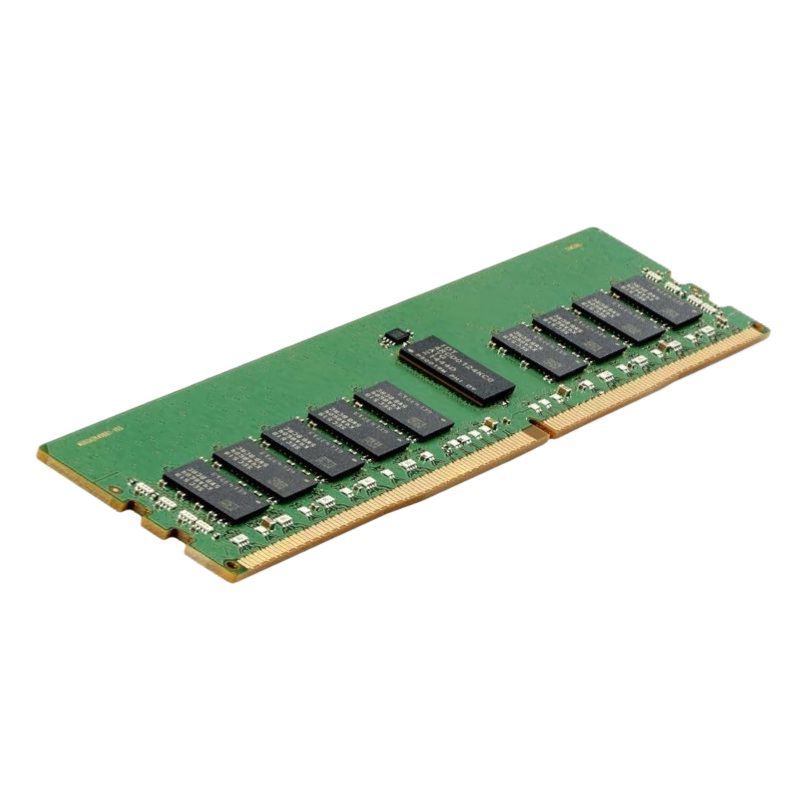


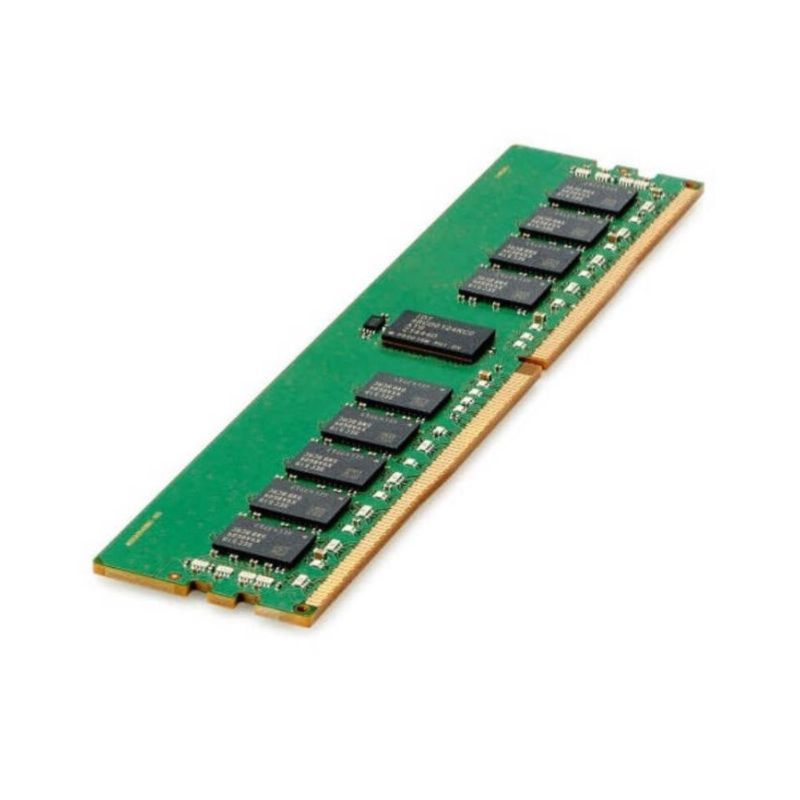
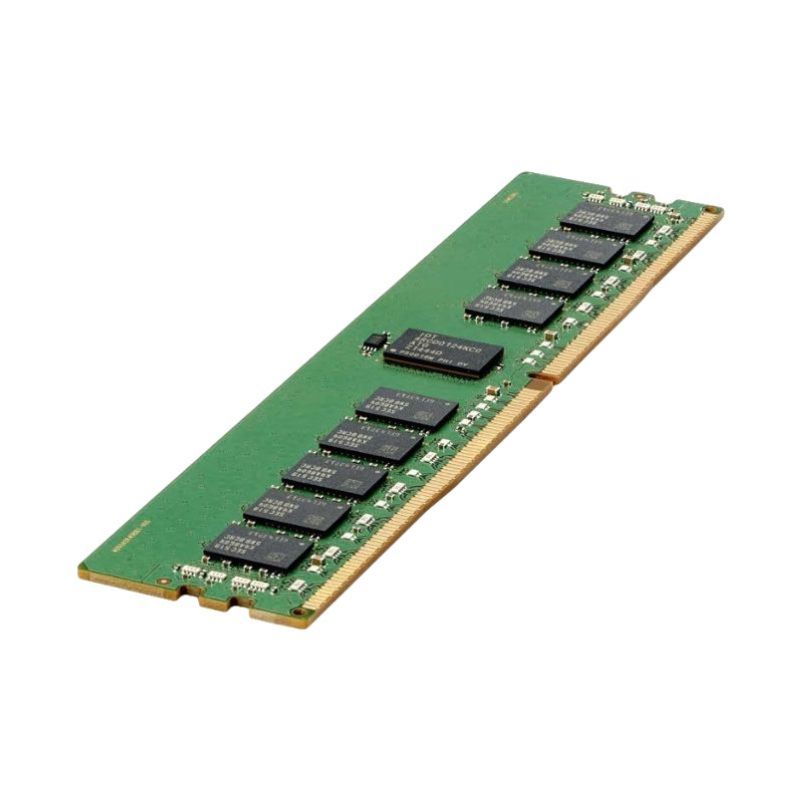
HPE P19041-B21 16GB RAM 2933Mhz DDR4 SDRAM Pc4-23400 Cl21 Registered 288-Pin ECC Memory. New (System) Pull with 1 year replacement warranty
| SKU/MPN | Warranty | Price | Condition | You save |
|---|---|---|---|---|
| P19041-B21 | 1 Year Warranty | $218.00 | New (System) Pull | You save: $76.30 (26%) |
| P19041-B21 | 1 Year Warranty | $398.00 | Factory-Sealed New in Original Box (FSB) | You save: $139.30 (26%) |
The HPE P19041-B21 SmartMemory is engineered to deliver reliable performance for enterprise servers. This 16GB DDR4 SDRAM module ensures stability, speed, and efficiency for demanding workloads.
The HPE P19041-B21 16GB RAM 2933Mhz DDR4 SDRAM PC4-23400 CL21 Registered 288-Pin ECC Memory represents a critical category of enterprise-grade server memory designed to support modern data center infrastructure. In enterprise environments where reliability, scalability, and consistent performance are essential, memory modules like the HPE P19041-B21 provide optimized capabilities for mission-critical workloads. Businesses that rely on high-availability servers, virtualization environments, cloud infrastructure, or database systems often depend on high-performance DDR4 ECC registered memory to maintain stability and data integrity.
Built specifically for HPE ProLiant and compatible enterprise servers, this 16GB DDR4 memory module operates at a frequency of 2933MHz and follows the PC4-23400 standard, ensuring high bandwidth and efficient communication between the CPU and system memory. The registered ECC architecture allows servers to detect and correct memory errors automatically, protecting critical applications from system crashes or corrupted data. As organizations continue to expand their digital infrastructure, the need for reliable server memory solutions such as the HPE P19041-B21 becomes increasingly important.
Server memory plays a central role in ensuring optimal computing performance in enterprise environments. The HPE P19041-B21 16GB DDR4 memory module is engineered to deliver consistent throughput, improved system responsiveness, and enhanced error protection. Unlike standard desktop RAM, server memory modules are designed with additional safeguards and architectural features that allow them to operate reliably in demanding workloads and continuous operation scenarios.
Registered ECC memory is specifically built to reduce electrical load on the memory controller. The register component buffers command and address signals, allowing systems to support more memory modules without sacrificing stability. This feature becomes particularly valuable in enterprise servers that require large memory capacities to support virtualization clusters, enterprise databases, and analytics applications.
Error-Correcting Code memory is one of the defining characteristics of professional server-grade memory modules. ECC technology continuously monitors stored data and automatically corrects single-bit memory errors before they affect system operations. In environments where uptime is critical, even minor memory errors can cause application failures or corrupted data sets. ECC memory eliminates this risk by maintaining data accuracy during processing and storage.
The HPE P19041-B21 module integrates ECC functionality to ensure that servers running business-critical workloads remain stable and reliable. This makes the memory suitable for industries such as financial services, healthcare, telecommunications, research laboratories, and enterprise IT infrastructures where data accuracy is non-negotiable.
Registered memory, also referred to as RDIMM, is designed to support large memory capacities in enterprise servers. The register chip located on the memory module buffers signals between the memory controller and DRAM chips, enabling improved signal integrity. This architecture allows systems to install more RAM modules while maintaining stable performance and preventing signal interference.
In large-scale server deployments, memory scalability becomes essential. Organizations running virtualization platforms, enterprise databases, and high-performance computing workloads often require hundreds of gigabytes or even terabytes of system memory. Registered ECC memory modules like the HPE P19041-B21 make such configurations possible while ensuring consistent system performance.
DDR4 SDRAM represents a significant advancement in memory technology compared to previous DDR3 architectures. The HPE P19041-B21 module leverages DDR4 technology to deliver higher bandwidth, improved power efficiency, and better overall performance. With a memory speed of 2933MHz and PC4-23400 bandwidth classification, this module enables faster data transfer rates between the processor and memory subsystem.
DDR4 memory introduces several architectural improvements that contribute to enhanced server performance. These improvements include higher density memory chips, increased bank groups, improved command scheduling, and reduced operating voltage. All of these features work together to provide faster response times and improved multitasking capabilities within enterprise server environments.
Memory frequency directly impacts how quickly data can be read from and written to system memory. The 2933MHz speed rating of the HPE P19041-B21 module allows servers to achieve higher data throughput compared to slower memory configurations. This increased bandwidth becomes particularly beneficial in environments where large datasets must be processed quickly.
Applications such as virtualization hosts, big data processing systems, cloud computing platforms, and real-time analytics engines require rapid memory access to maintain performance efficiency. By operating at 2933MHz, this DDR4 module ensures that processors receive data quickly, reducing bottlenecks and improving overall application performance.
The PC4-23400 designation indicates the theoretical bandwidth capacity of the memory module. This classification translates to a maximum transfer rate of approximately 23.4GB per second per module under ideal conditions. High bandwidth is essential in servers that must process simultaneous workloads or support numerous virtual machines.
As modern CPUs feature multiple cores and threads capable of handling parallel processing tasks, memory bandwidth becomes a critical factor in maintaining balanced performance. The HPE P19041-B21 DDR4 module ensures that data flows efficiently between memory and processing units, allowing systems to maintain high throughput across multiple applications.
The physical design of the HPE P19041-B21 memory module follows the 288-pin RDIMM form factor used by DDR4 server memory. This standardized design ensures compatibility with a wide range of enterprise servers, particularly those within the HPE ProLiant family. Each pin on the module serves as a connection point for data, power, and control signals between the memory module and the motherboard.
The 288-pin layout differs significantly from older DDR3 modules, which used a 240-pin design. The increased pin count enables DDR4 memory to support higher data transfer rates and improved signal integrity. This physical architecture is essential for supporting modern server processors that require high bandwidth and low latency memory access.
HPE designs its memory modules to work seamlessly with ProLiant servers, ensuring full compatibility and optimized performance. The P19041-B21 module is commonly used in enterprise-grade servers designed for virtualization, database hosting, and cloud computing workloads. By using certified HPE memory, organizations can ensure that their systems maintain manufacturer-validated performance and reliability.
HPE SmartMemory technology also plays a role in enhancing compatibility and performance. When installed in supported HPE servers, SmartMemory enables advanced monitoring capabilities, automatic configuration optimization, and improved system diagnostics. These features help administrators maintain system stability while simplifying server management tasks.
CAS latency refers to the delay between a memory controller requesting data and the moment that data becomes available. The HPE P19041-B21 module operates with a CAS latency rating of CL21, which is optimized for the 2933MHz frequency range. In enterprise server environments, memory latency plays a crucial role in determining application responsiveness.
A balanced latency and frequency configuration ensures that servers can deliver consistent performance across multiple workloads. While higher frequencies increase bandwidth, optimized latency ensures that individual memory operations are completed efficiently. This balance is particularly important for workloads that require rapid data retrieval, such as transactional databases and high-frequency trading systems.
Low and optimized memory latency helps reduce delays in data processing. When applications request information from system memory, the response time determines how quickly tasks can proceed. In environments where thousands of transactions occur per second, even minor latency improvements can significantly impact performance outcomes.
The CL21 latency rating of the HPE P19041-B21 module ensures stable and predictable performance across a wide range of enterprise workloads. Combined with the 2933MHz frequency, the module delivers an efficient balance of speed and responsiveness suitable for demanding server applications.
DDR4 memory typically operates at 1.2 volts, compared to 1.5 volts used by many DDR3 modules. This reduction in voltage results in lower power consumption across large-scale server deployments. When hundreds or thousands of memory modules are installed within a data center, these energy savings become substantial.
The HPE P19041-B21 module takes advantage of DDR4’s improved efficiency to deliver high performance while minimizing energy usage. This combination of performance and efficiency aligns with modern data center strategies that prioritize sustainability and cost optimization.
Enterprise memory modules such as the HPE P19041-B21 are designed to support demanding workloads that require consistent performance and high reliability. Many organizations deploy these modules in servers running mission-critical applications that must operate continuously without interruption.
Virtualization environments represent one of the most common use cases for this memory category. Hypervisors hosting multiple virtual machines rely heavily on system memory to allocate resources efficiently. By installing high-capacity DDR4 ECC memory modules, administrators can run more virtual machines on a single server while maintaining optimal performance.
Database management systems often require significant amounts of RAM to store active datasets and cache frequently accessed information. High-speed memory like the HPE P19041-B21 enables databases to retrieve and process data quickly, reducing query response times and improving overall system performance.
Data analytics platforms and big data processing frameworks also benefit from high-bandwidth memory. These systems frequently analyze large datasets in real time, requiring rapid memory access to perform complex computations. DDR4 2933MHz memory provides the necessary throughput to support these demanding operations.
Cloud infrastructure providers and enterprise IT departments rely on scalable memory configurations to support dynamic workloads. Virtual machines, containers, and distributed applications all consume system memory resources. The HPE P19041-B21 module enables servers to maintain stable performance even when handling numerous simultaneous workloads.
By deploying reliable ECC registered memory, cloud environments can ensure consistent service delivery to users while minimizing the risk of memory-related failures. This reliability is essential for maintaining uptime and meeting service level agreements in modern cloud platforms.
HPE SmartMemory modules are designed specifically to integrate with HPE server architecture. These memory modules undergo extensive testing and validation to ensure compatibility, performance, and reliability within HPE systems. By using genuine HPE SmartMemory components like the P19041-B21 module, organizations can achieve optimized server performance and improved system diagnostics.
SmartMemory technology provides advanced monitoring features that allow administrators to track memory health and performance metrics in real time. This proactive monitoring capability helps detect potential issues before they affect system stability, allowing IT teams to perform preventive maintenance when necessary.
HPE memory modules are subjected to rigorous testing procedures to ensure they meet enterprise reliability standards. These modules are validated across multiple server configurations, workloads, and operating conditions to guarantee consistent performance. Certification by the server manufacturer ensures that memory modules operate within specified parameters and maintain system stability under heavy workloads.
Using manufacturer-certified memory also helps organizations maintain warranty compliance and avoid compatibility issues that may arise from third-party components. The HPE P19041-B21 module represents a trusted solution for enterprises that prioritize reliability and long-term infrastructure stability.


 Contact Us
 Information
 Catalog
 Solid State Drives (SSD)
 Network Switches
 Hard Disk Drives
 HBA & Controllers
 PC & Servers
 PC & Server Memory
 CPU & Processors
 Network Routers
 Power Supplies
 Tape Drives & Libraries
 Network Devices
 Computer & Network Cables