Your go-to destination for cutting-edge server products
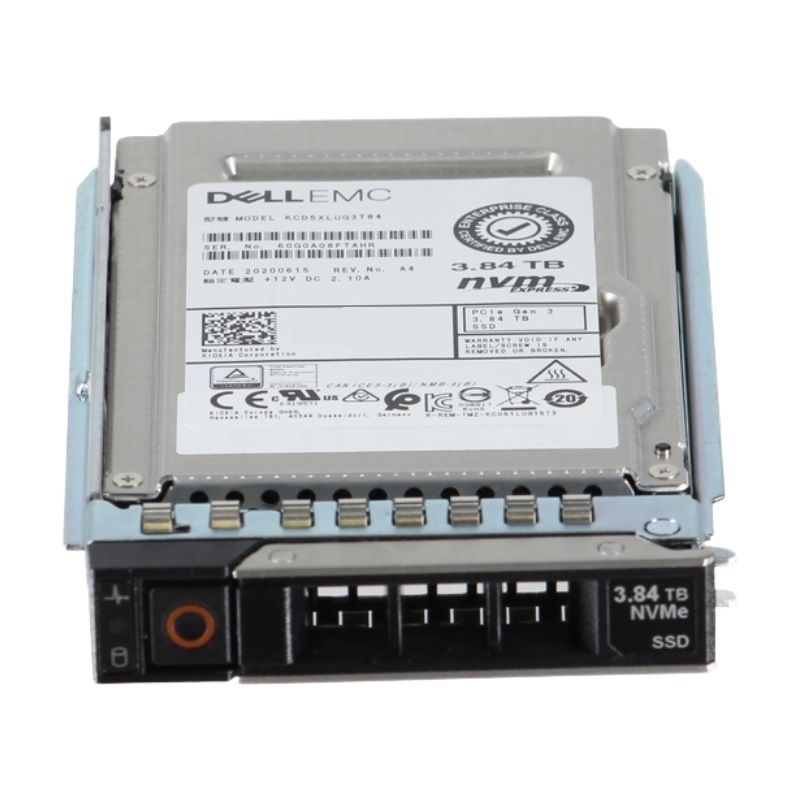
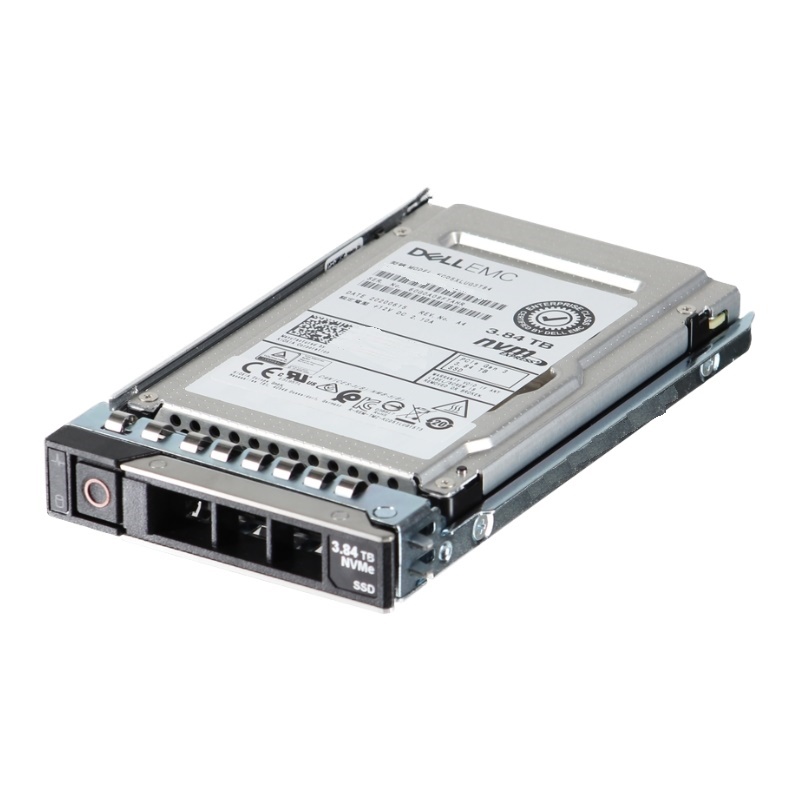
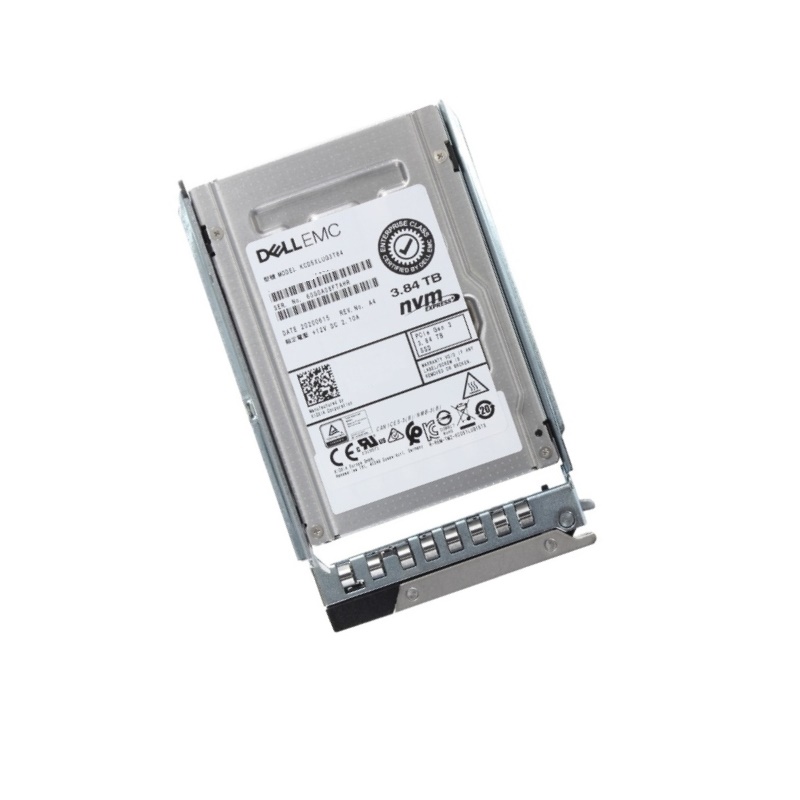
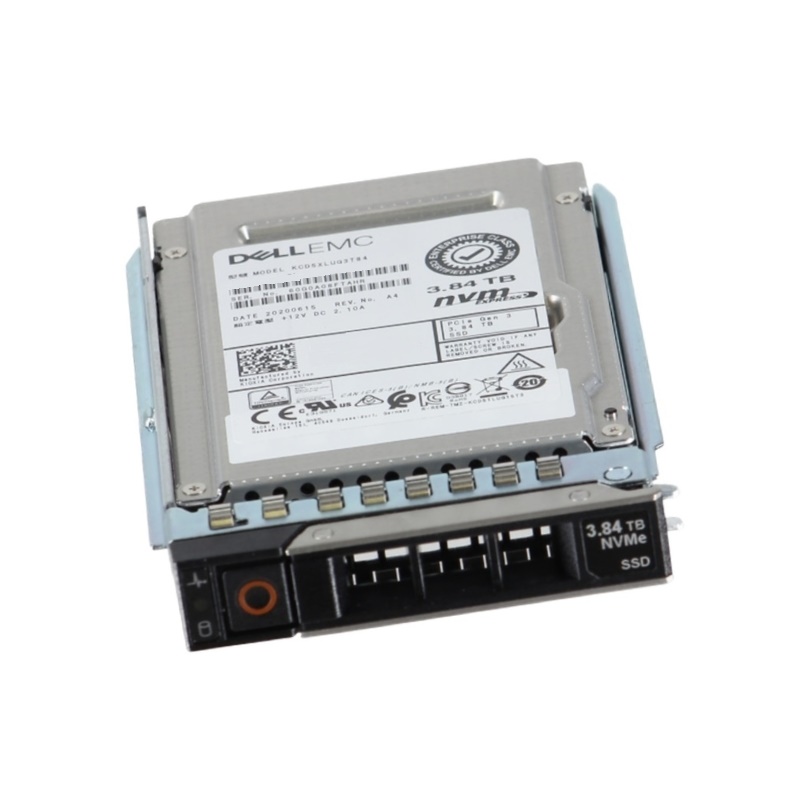
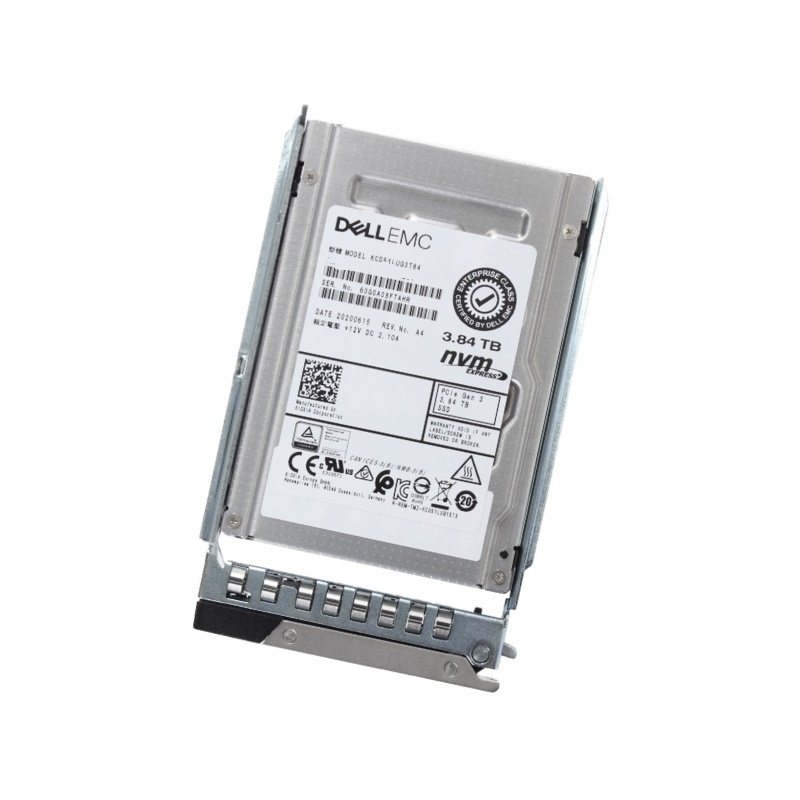
191PH Dell 3.84TB PCIe Nvme 2.5-inch RI TLC SSD.

191PH
* Product may have slight variations vs. image
Hover on image to enlarge

Brief Overview of 191PH

Dell 191PH 3.84TB PCIe Gen4 X4 Nvme U.2 SFF-8639 2.5-inch Enterprise Class RI 1dwpd TLC SSD. Excellent Refurbished with 1 Year Replacement Warranty

$961.20
$712.00
You save: $249.20 (26%)
Ask a question
Price in points: 712 points
+
Quote

Additional 7% discount at checkout

SKU/MPN191PHAvailability✅ In StockProcessing TimeUsually ships same day ManufacturerDell Manufacturer WarrantyNone Product/Item ConditionExcellent Refurbished ServerOrbit Replacement Warranty1 Year Warranty
Google Top Quality Store Customer Reviews
Our Advantages
Payment Options
  • — Visa, MasterCard, Discover, and Amex
  • — JCB, Diners Club, UnionPay
  • — PayPal, ACH/Bank Transfer (11% Off)
  • — Apple Pay, Amazon Pay, Google Pay
  • — Buy Now, Pay Later - Affirm, Afterpay
  • — GOV/EDU/Institutions PO's Accepted 
  • — Invoices
Delivery
  • — Deliver Anywhere
  • — Express Delivery in the USA and Worldwide
  • — Ship to -APO -FPO
  • For USA - Free Ground Shipping
  • — Worldwide - from $30

Same product also available in:

Description

DELL 191PH 3.84TB PCIe Gen4 NVMe U.2 SSD Overview

The DELL 191PH 3.84TB PCIe Gen4 x4 NVMe U.2 2.5-inch Small Form Factor drive is engineered for enterprise-grade workloads. Designed as a read-intensive storage solution, this solid-state drive uses advanced 96-layer Triple Level Cell (TLC) NAND technology to deliver fast, reliable, and energy-efficient performance for Dell PowerEdge 14G servers.

Key Highlights

  • Enterprise-class Read Intensive (RI) SSD with 1 DWPD endurance rating
  • Compact U.2 2.5-inch form factor with 15mm height
  • Powered by PCIe Gen4 x4 NVMe interface for ultra-low latency
  • Advanced 96-layer 3D TLC NAND for efficiency and durability
  • Perfect for database acceleration, virtualization, and heavy read workloads

Technical Specification

  • Manufacturer: Dell
  • Model: 191PH
  • Storage Capacity: 3.84TB
  • Form Factor: 2.5-inch U.2 (15mm)
  • Interface: PCIe Gen4 x4 NVMe
  • NAND Flash: 96-layer 3D TLC NAND
  • Sequential Read Speed: Up to 7000 MB/s
  • Sequential Write Speed: Up to 4300 MB/s
  • Random Read IOPS: Up to 1,000,000 IOPS
  • Random Write IOPS: Up to 130,000 IOPS
  • Endurance: 1 DWPD (Drive Writes Per Day)
  • Shock Resistance: 1000G
  • MTBF: 2,000,000 hours

Storage Capacity

3.84TB storage space, providing vast room for data-heavy applications and enterprise-level needs.

Interface

  • PCIe 4.0 x4 NVMe for high-speed connectivity
  • U.2 interface optimized for data center deployments

Memory Technology

  • 96-layer TLC (Triple-Level Cell) 3D NAND architecture
  • Enhanced durability with advanced lithography

Durability & Reliability

  • Shock resistance: up to 1000G
  • Mean Time Between Failures (MTBF): 2,000,000 hours
  • Read-intensive endurance optimized for server environments

Performance Metrics

Sequential Speeds

  • Sequential Read: up to 7000 MB/s
  • Sequential Write: up to 4300 MB/s

Random IOPS

  • Random Read (100% span): up to 1,000,000 IOPS
  • Random Write (100% span): up to 130,000 IOPS

Enterprise Application Benefits

Workload Optimization

  • Accelerates data analytics and AI-driven applications
  • Ensures smooth database query performance
  • Supports virtualized environments with reduced latency

Scalability and Efficiency

  • Compact form factor allows easy integration into Dell 14G PowerEdge servers
  • Energy-efficient design helps lower operational costs
  • Delivers consistent performance under demanding workloads

Top Advantages

  • Reliability backed by Dell’s enterprise-level engineering
  • High-performance read-intensive design for business-critical tasks
  • Future-proof PCIe Gen4 connectivity ensuring scalability
  • Superior endurance and shock resistance for 24/7 operations

Ideal Use Cases

  • Virtualization infrastructure
  • High-performance computing clusters
  • Data warehousing and analytics
  • Content delivery networks

Key attributes at a glance

  • Capacity: 3.84 TB raw storage—designed for high-density deployment and consolidation of large datasets.
  • Interface: PCIe (NVMe) — low latency, native NVMe command set for superior random I/O responsiveness.
  • Form factor: 2.5-inch — fits industry-standard enclosures and servers that support 2.5-inch NVMe drives.
  • Flash type: TLC (Triple-Level Cell) — optimized for a balance of cost, capacity, and reasonable endurance for RI workloads.
  • Target workloads: Read-intensive applications, content repositories, web caching, VM images, and cold/hot data mixes requiring fast access.

Performance characteristics

Designed to exploit the high parallelism of NVMe over PCIe, drives in this category prioritize low-latency random reads and sustained sequential throughput. The NVMe protocol reduces CPU overhead and maximizes effective bandwidth per lane, enabling improved application responsiveness and faster transaction completion for I/O-bound workloads.

Latency and responsiveness

This SSD category is tuned for low read latency, making it a strong choice for applications that require immediate access to frequently-read data. Typical optimizations include internal parallelism, NVMe queue depth handling, and firmware strategies that minimize garbage collection impact on foreground I/O.

Sustained throughput and mixed I/O

While TLC-based drives emphasize capacity, enterprise TLC implementations often include controller-level caching, DRAM or pseudo-SLC caches, and intelligent wear-leveling to sustain higher write bursts and maintain steady sequential performance during heavy mixed I/O workloads.

Reliability, endurance and data integrity

Enterprise-class TLC SSDs such as the 191PH model use a combination of hardware and firmware features to ensure data integrity and predictable lifetime behavior. Although TLC stores more bits per cell than SLC/MLC, modern implementations incorporate advanced signal processing, error correction and system-level protections to deliver dependable operation in production environments.

Wear-leveling and endurance management

Wear-leveling spreads program/erase cycles evenly across the NAND array, improving usable lifetime. In addition, background garbage collection, over-provisioning and dynamic block management reduce write amplification and preserve endurance.

Error detection and correction

Strong ECC (error-correcting code) is standard in enterprise SSDs, protecting against bit rot and ensuring reliable reads. Additional mechanisms—such as end-to-end data protection, CRC checks for metadata and guarded power-loss protections—help preserve data integrity during unexpected power events.

Mean time between failures & warranty

Enterprise drives are usually qualified for high MTBF ratings and backed by manufacturer warranties that reflect their intended production use. When planning deployment, factor in the warranty terms and documented endurance metrics to match drive selection with service-level expectations.

Use cases and deployment scenarios

The 3.84TB capacity and NVMe performance profile make this SSD ideally suited for several specific enterprise and professional scenarios. Below are recommended use cases and deployment patterns that align with the drive’s strengths.

Primary use cases

  • Read-intensive database hosting: Caching and read-heavy OLAP instances where low latency and consistent read throughput are critical.
  • Virtual machine image stores: Consolidating VM images and containers for dense virtualization environments—reducing boot times and snapshot latencies.
  • Content delivery / caching: High-capacity edge caches and CDN nodes where large content catalogs require fast, repeated reads.
  • Analytics and log stores: Fast access to large log sets and analytical datasets that are read frequently during queries.
  • Backup staging and restore: Temporary fast staging for backup/restore operations, where read performance accelerates recovery.

Architecture and integration tips

When integrating these SSDs into servers or storage arrays, follow best practices for maximum longevity and performance:

  • Ensure firmware is up to date and validated for your server platform.
  • Provision adequate cooling; NVMe devices are thermally sensitive and sustained throughput increases heat output.
  • Allow for thin provisioning and over-provisioning strategies to preserve endurance.
  • Use proper RAID / erasure coding schemes that pair with SSD endurance characteristics to balance performance and redundancy.

Compatibility and Form Factor

The 2.5-inch form factor ensures broad compatibility with server and storage chassis that accept 2.5” drives. Depending on host platform support, these drives may appear as U.2 devices or as NVMe drives over a compatible backplane. Confirm your server’s NVMe/PCIe lane assignments to prevent bottlenecks.

Supported Dell Systems

  • Dell PowerEdge R740/R740xd
  • Dell PowerEdge R740xd2
  • Dell PowerEdge R840
  • Dell PowerEdge R940/R940xa
  • Dell PowerEdge MX740c
  • Dell PowerEdge MX840c
  • Dell PowerEdge C4140

Interface Specifications

  • Interface: PCIe 3.1 x4 NVMe
  • Form Factor: 2.5-inch (U.2)
  • Hot-plug Capable: Yes
  • Hot-plug Requirements: Dell NVMe Backplane

Operating System Compatibility

  • Windows Server 2016/2019/2022
  • Red Hat Enterprise Linux 7.x/8.x
  • SUSE Linux Enterprise Server 12/15
  • VMware ESXi 6.7/7.0/8.0
  • Canonical Ubuntu 18.04 LTS/20.04 LTS/22.04 LTS

Mechanical and electrical fit

  • 2.5-inch mounting: Standard mounting points for rails or trays in server bays.
  • Connector type: PCIe/NVMe over U.2 or compatible backplane—check chassis vendor documentation.
  • Power profile: Enterprise NVMe drives typically adhere to standard power envelopes; ensure that chassis and backplane provide stable power with power-loss protection if available.

Host firmware and driver support

Optimal performance requires recent server firmware, BIOS/UEFI that supports NVMe boot and devices, and storage drivers or host OS kernels that fully exploit NVMe features and queue management. For large deployments, test a representative configuration to validate firmware interplay and thermal behavior under realistic load.

Security and manageability

Security and remote manageability are essential for enterprise storage devices. Drives in this class commonly include features designed to ease fleet administration and secure data at rest.

Data security features

  • Hardware-based encryption: Self-encrypting drive (SED) options provide AES-based encryption to protect data-at-rest without host CPU burden.
  • Secure erase: Cryptographic erase or secure sanitize commands to quickly retire drives while protecting sensitive data.
  • Access control: Support for drive-level locking and integration with server management for centralized key management where applicable.

Monitoring and telemetry

Advanced SMART attributes and vendor-specific telemetry expose health, wear-level, temperature, and provisioning statistics. Integrating these metrics into monitoring systems enables predictive maintenance, automated replacement workflows, and capacity planning.

Firmware updates and lifecycle management

Use vendor-released firmware updates to address performance optimizations, security patches, and reliability improvements. For fleets, implement staged rollouts and verification to prevent service disruption.

Comparing TLC-based enterprise SSDs

TLC NAND provides a cost-effective path to higher capacities versus SLC/MLC alternatives. While TLC traditionally had lower endurance, modern TLC enterprise designs close the gap through controller advancements, on-board DRAM, caching algorithms, and larger over-provisioning.

Cost vs. endurance trade-offs

Choosing TLC for read-intensive workloads optimizes $/GB while preserving sufficient lifespan for data-center usage patterns. If your deployment entails heavy sustained writes, consider higher-endurance options (e.g., enterprise MLC or specialized high-endurance TLC variants) or additional over-provisioning.


Performance tiers and selection guidance

  • Read-intensive TLC: Best for content stores, caches and read-heavy databases.
  • Balanced TLC: Provides a compromise for mixed read/write workloads with occasional bursts.
  • High-endurance MLC/SLC: Reserved for write-heavy transactional systems where write endurance is paramount.

Typical specification outline

  • Capacity: 3.84 TB (raw)
  • Interface: PCIe NVMe (x4 recommended for optimal bandwidth)
  • Form factor: 2.5-inch (U.2 compatible)
  • Flash type: TLC NAND
  • Endurance profile: Optimized for read-intensive workloads; enterprise-class TBW/endurance management applied
  • Power-loss protection: Vendor-dependent; some variants include power-loss protection capacitors or firmware strategies
  • SMART/Telemetry: Full SMART attribute set and vendor-specific telemetry
  • Operating temperature: Enterprise operating range—verify in vendor datasheet
  • Security: Optional hardware encryption / SED features
Features
Manufacturer Warranty:
None
Product/Item Condition:
Excellent Refurbished
ServerOrbit Replacement Warranty:
1 Year Warranty