(7% discount is applied at checkout)
Cart is empty
Your go-to destination for cutting-edge server products
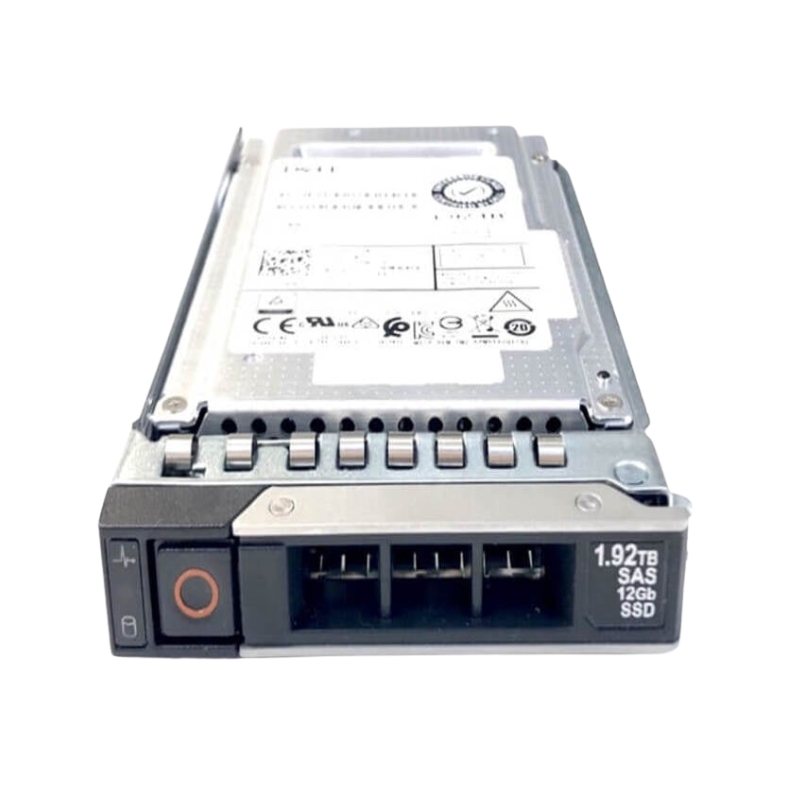


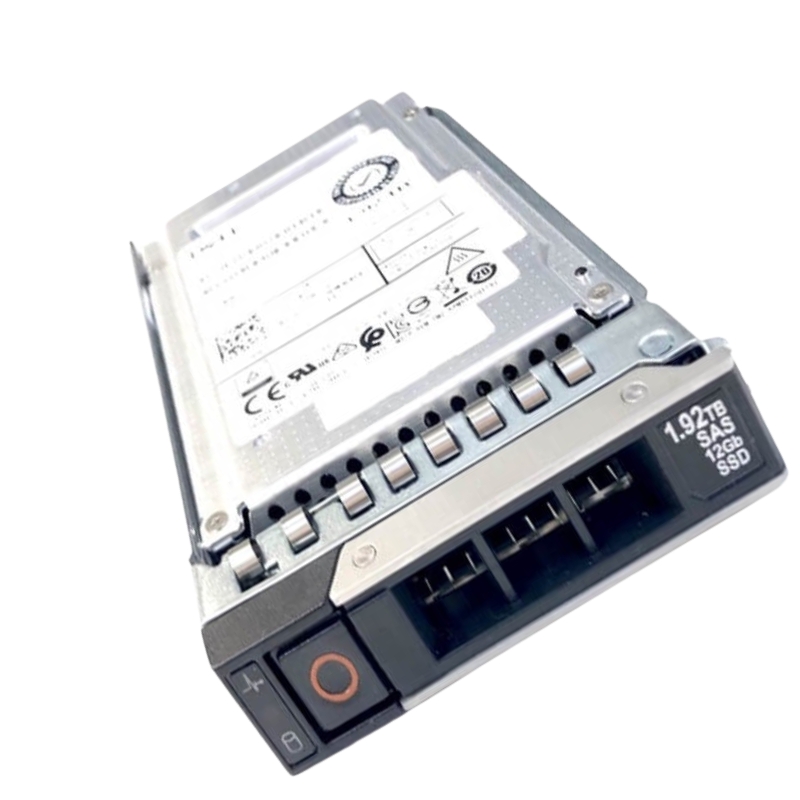
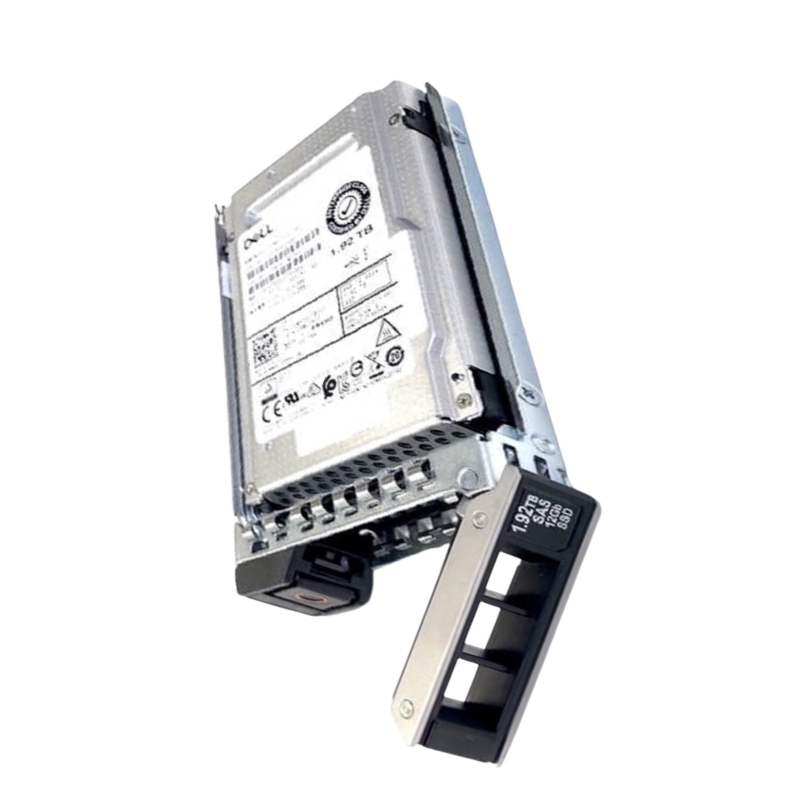
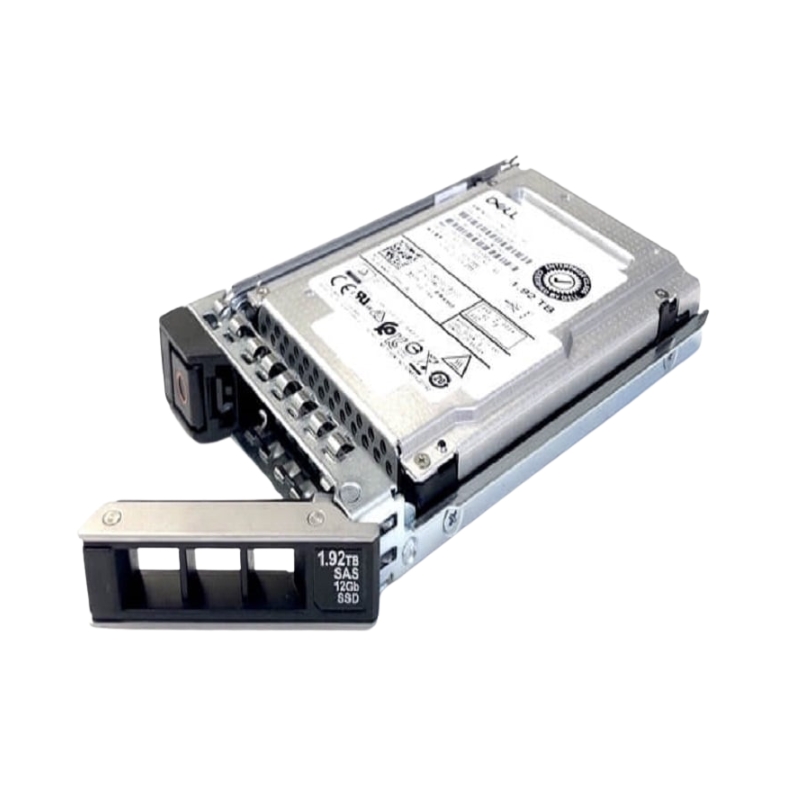
Dell 27C06 1.92TB SAS 12GBPS Read Intensive 1dwpd TLC 2.5inch Hot-Plug Dell Certified Solid State Drive. New Sealed in Box (NIB) with 1 year Replacement Warranty
Experience high-speed data access and reliable performance with the Dell 1.92TB SAS 12Gbps Read-Optimized SSD. Designed for 14G, 15G, and 16G PowerEdge platforms, this 2.5-inch hot-swap drive ensures seamless integration and superior endurance.
Dell 27C06 1.92TB SAS 12GBPS Read-Intensive SSD
Designed for enterprise environments requiring reliable, high-throughput read performance, the Dell 27C06 1.92TB SAS-12GBPS Read Intensive 1DWPD TLC 2.5inch Hot-Plug Solid State Drive is a purpose-built storage device that balances capacity, latency, and endurance. Certified by Dell for compatibility with a broad range of PowerEdge servers and Dell storage platforms, this SSD targets read-heavy workloads such as large-scale virtualization, online transaction processing, content delivery, and analytics where predictable IO response and data integrity are paramount.
The drive communicates over the 27C06 Serial Attached SCSI (SAS) interface at 12 gigabits per second, enabling dual-port connectivity and multipath access in appropriately configured environments. The 2.5-inch hot-plug form factor supports easy installation and replacement in server bays and enclosures, while the 1.92TB raw capacity provides a balance between usable storage and rack density for dense deployments. The drive utilizes Triple-Level Cell (TLC) NAND configured for read-intensive endurance, rated at 1 drive write per day (1DWPD), making it well-suited for workloads dominated by reads with moderate background writes.
Performance expectations for this category emphasize sustained read throughput and low, consistent latency under typical data center loads. The 27C06 SAS-12Gbps interface reduces protocol overhead and supports robust command queuing, which in combination with enterprise-grade controllers and firmware yields dependable random read IOPS and steady sequential throughput. The read-intensive nature of the drive's NAND tuning prioritizes deterministic response times, reducing tail-latency spikes that can impact application-level performance.
Although engineered for read-dominant environments, the drive's firmware and overprovisioning strategies are optimized to handle mixed IO without sudden degradation. Background tasks such as garbage collection and wear leveling are orchestrated to minimize interference with foreground IO, and internal write caching behavior is tuned to avoid significant latency increases during periods of elevated write amplification.
Enterprise deployments demand predictable endurance and comprehensive data protection mechanisms. The 1DWPD rating provides administrators a clear model for expected write endurance across the drive's warranty period. Built-in error correction, end-to-end data path protection, and power-loss protection features are implemented to reduce the risk of silent data corruption and to safeguard cached write data in the event of unexpected power events. These characteristics contribute to lower unplanned downtime and improved mean time between failures for fleet-wide deployments.
Certification by Dell ensures compatibility with current-generation and legacy PowerEdge servers as well as many Dell-designed storage enclosures. This compatibility list typically covers hot-plug drive trays, backplane pinouts, multipath drivers, and firmware upgrade pathways. When deployed in certified systems, the drive is validated against Dell's qualification tests for interoperability, thermal profiles, and BIOS/firmware interactions, resulting in a tested and supported hardware/software ecosystem.
The 27C06 SAS interface supports hardware RAID controllers commonly used in enterprise servers and storage arrays. When configured within RAID groups, these drives work with controller-level caching and battery-backed (or capacitor-backed) write cache systems to improve write handling behavior. The recommended best practice is to use RAID levels and stripe sizes that reflect the read-dominant nature of the workload to maximize usable performance and redundancy tradeoffs.
This SSD category excels in a variety of enterprise and mission-critical scenarios. Typical deployments include database read replicas, large-scale virtualization platforms with read-intensive VM images, caching tiers in hybrid storage architectures, content-serving nodes for media and web delivery, and high-performance analytics clusters that require fast random reads across large datasets. Use as a read cache in front of high-capacity HDD tiers is another compelling architecture where the read-optimized characteristics significantly reduce HDD load and improve overall system responsiveness.
When integrated into tiered storage strategies, the Dell 27C06 serves as the performance tier, handling the majority of reads while lower-cost HDDs or higher-capacity SSDs provide bulk capacity. Automated data movement solutions and policy-driven tiering can relocate hot data to this SAS SSD class, allowing frequently accessed objects to benefit from low latency access while colder data remains on slower media. This approach optimizes total cost of ownership across both power and cooling budgets as well as rack space.
Virtual desktop infrastructure and virtual server workloads often generate many small, random read requests, a pattern well-suited to the performance envelope of this drive category. Combined with thin provisioning and snapshotting technologies, the drives can maintain consistent user experience during peak hours while contributing to reduced boot storms and application startup delays.
Operating temperature and thermal dissipation are important considerations in dense rack environments. The drive's thermal profile must be considered alongside airflow patterns, drive bay placement, and enclosures with varying fan control policies. Monitoring of temperature telemetry enables dynamic thermal management, and proper chassis cooling prevents thermal throttling that can reduce sustained throughput. Power management settings should balance energy efficiency goals with the need to maintain consistent performance for latency-sensitive applications.
Enterprise SSDs often include security features such as hardware encryption, secure erase commands, and cryptographic block-level protections. While implementations can vary, the category typically supports secure erase and sanitization commands for secure decommissioning workflows. Organizations must align drive-level sanitization practices with corporate data governance and compliance frameworks to ensure that data remnants are rendered irrecoverable prior to device retirement or reuse.
Hardware-based encryption options can provide negligible performance overhead while simplifying key management when integrated with host-based key management systems or self-encrypting drive workflows. Using hardware encryption assists in meeting regulatory obligations for data protection and can reduce the operational burden of software encryption in large-scale deployments.
This category occupies a strategic position for customers who need predictable read-focused performance without the higher endurance cost of heavy-write enterprise drives. Compared to mixed-use or write-intensive SSDs, the read-intensive TLC option offers a more favorable capacity-to-cost ratio for read-dominant workloads while still providing enterprise features such as power-loss protection and advanced telemetry. Customers evaluating SSD classes should model their workload's read/write ratio, average block sizes, and QoS tolerance to determine whether this class or an alternative drive type best fits their needs.
Migration strategies include staged rollouts where critical read-heavy applications are moved first to observe latency improvements and to refine tiering policies. Storage virtualization layers and caching appliances can provide non-disruptive approaches to introduce SSDs into existing environments, enabling gradual data movement and ensuring application SLAs are maintained during transition phases.
From a sustainability perspective, deploying SSDs can reduce power consumption and cooling requirements when compared to spinning disks at equivalent performance targets. The smaller footprint and lower moving-part count also reduce mechanical failure modes, translating to fewer replacement units over time. Organizations can integrate drive retirement plans with recycling and secure data destruction services to minimize environmental impact and to comply with e-waste regulations.


 Contact Us
 Information
 Catalog
 Solid State Drives (SSD)
 Network Switches
 Hard Disk Drives
 HBA & Controllers
 PC & Servers
 PC & Server Memory
 CPU & Processors
 Network Routers
 Power Supplies
 Tape Drives & Libraries
 Network Devices
 Computer & Network Cables