(7% discount is applied at checkout)
Cart is empty
Your go-to destination for cutting-edge server products
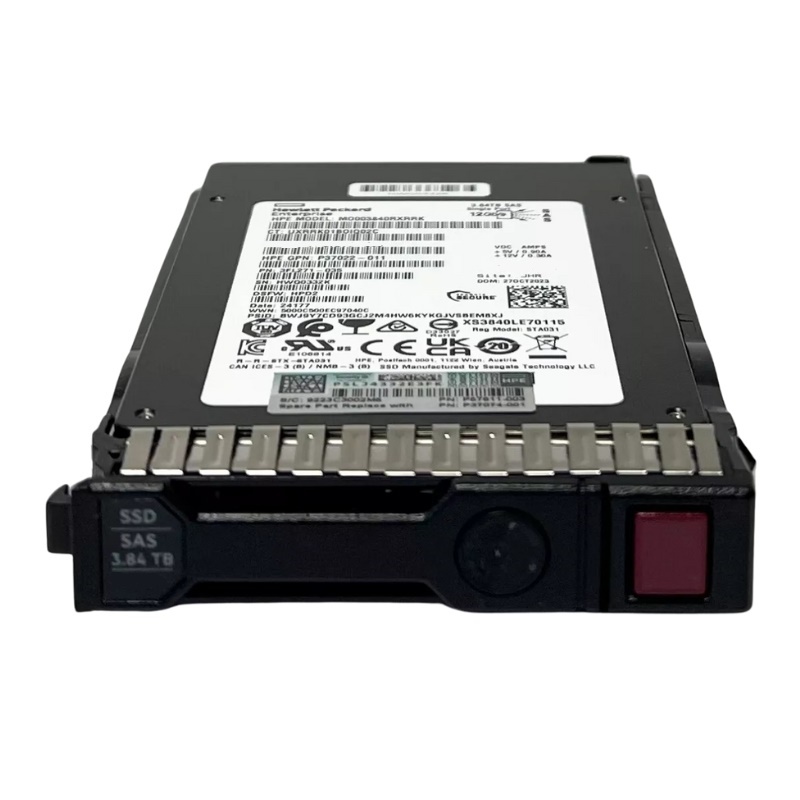


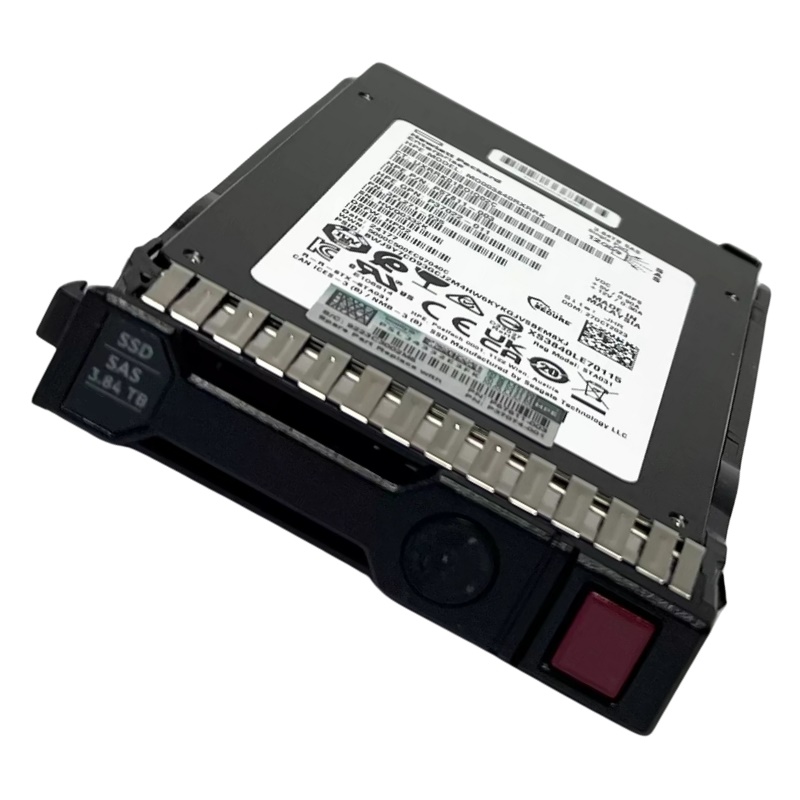
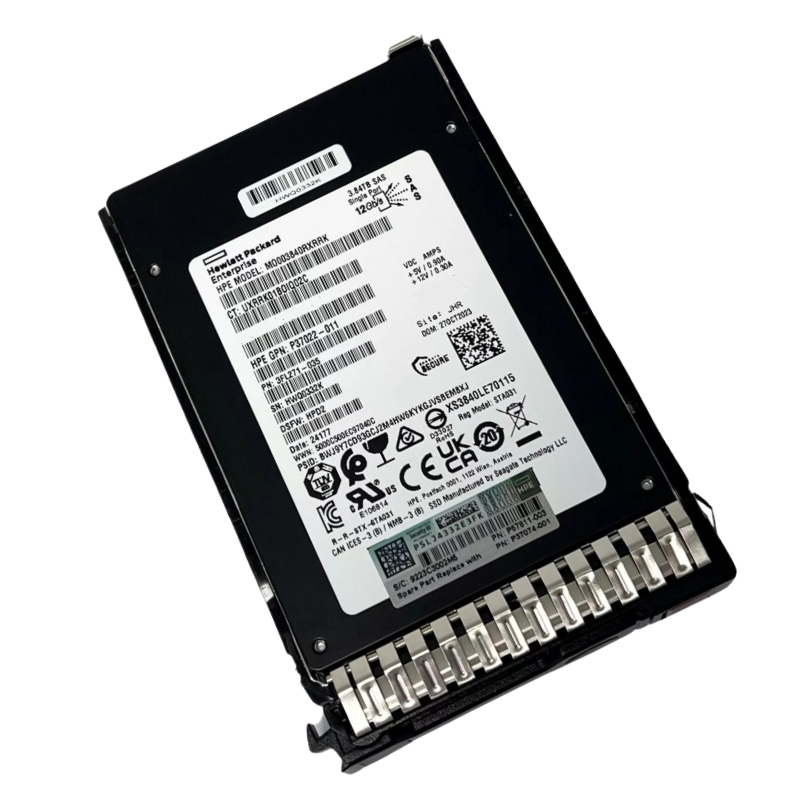
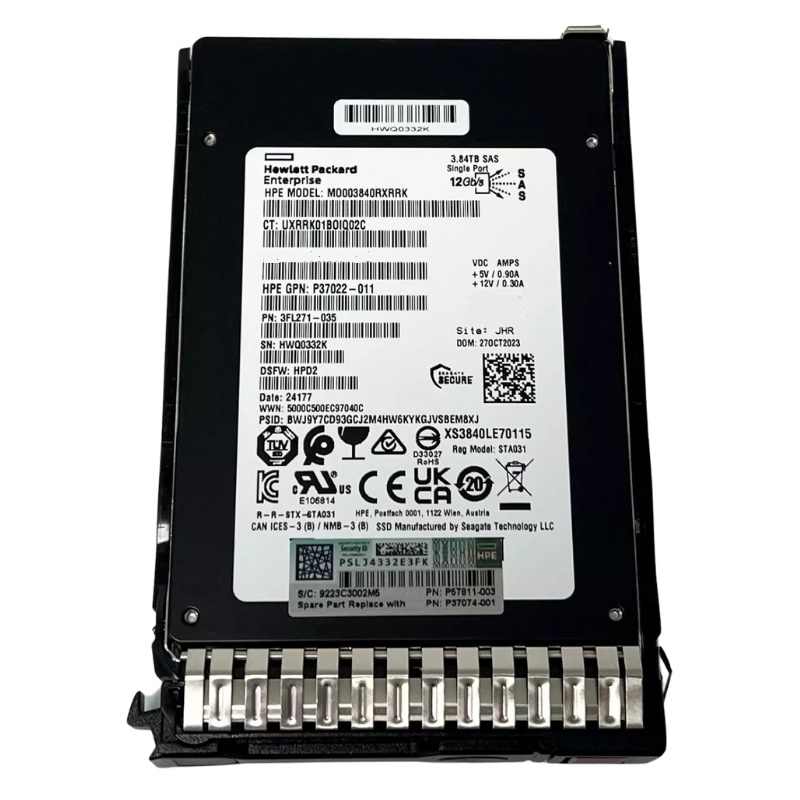
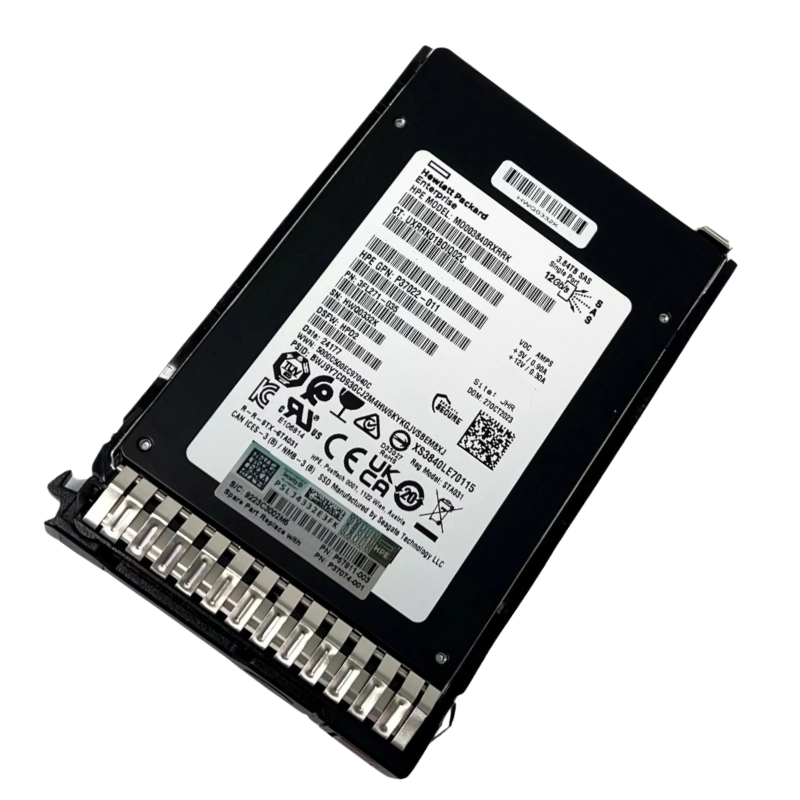
HPE P41533-001 3.84TB SAS-12GBPS SSD Digitally Signed Firmware. Excellent Refurbished with 1 year replacement warranty
| SKU/MPN | Warranty | Price | Condition | You save |
|---|---|---|---|---|
| P41533-001 | 1 Year Warranty | $1,799.00 | Excellent Refurbished | You save: $629.65 (26%) |
| P41533-001 | 1 Year Warranty | $2,279.00 | Factory-Sealed New in Original Box (FSB) | You save: $797.65 (26%) |
The HPE P41533-001 3.84TB SSD is engineered for high-performance enterprise storage environments. Designed for read-intensive workloads, this drive combines robust reliability with exceptional data handling capabilities.
This category focuses on the HPE P41533-001 3.84TB SAS-12Gb/s solid-state drive (SSD) shipped with digitally signed firmware — a purpose-built enterprise storage component intended for data centers, high-availability servers, and mission-critical applications. The category covers product variants, compatible server families, firmware management and validation, performance characteristics, deployment scenarios, and lifecycle considerations. Whether you are specifying components for a large SAN, refreshing drives in a rack of ProLiant servers, or procuring spares for a high-density appliance, this category explains the technical, operational, and procurement details necessary to make informed decisions.
The HPE P41533-001 entry denotes a specific HPE part number tied to a 3.84TB enterprise SAS SSD that uses a 12Gb/s Serial Attached SCSI interface. A hallmark of many HPE drive SKUs is the inclusion of digitally signed firmware — cryptographically validated firmware images that verify authenticity and integrity before the drive accepts and runs new code. The category explains why signed firmware matters: it protects against tampering, ensures compatibility with HPE controllers and management utilities, and supports secure firmware rollout processes in regulated or security-sensitive environments.
Integrity assurance: Signed firmware ensures the drive boots only authenticated firmware, reducing the chance of corrupted or malicious code.
Vendor compatibility: HPE systems often require vendor-signed firmware for full compatibility with Smart Array controllers and management tools.
Auditability & compliance: Signed firmware supports audit trails and helps meet regulatory demands where supply chain security and firmware provenance are required.
Operational stability: Tested and signed firmware typically means fewer runtime anomalies and more predictable behavior during RAID rebuilds or heavy I/O cycles.
This section covers compatibility matrices and best practices for matching P41533-001 drives with host controllers and storage arrays. The drives are typically validated with HPE Smart Array controllers, select HBA/RAID adapters, and specific ProLiant server generations. Compatibility extends to firmware revision matching between controller and drives, which reduces the chance of functional mismatches and improves the reliability of features like online firmware updates and secure erase.
The category explains performance tradeoffs and expected behavior under different workloads. Enterprise SAS SSDs like the P41533-001 are optimized for latency and consistency rather than absolute peak throughput. This makes them an excellent fit for database transaction logs, virtualization hosts, tier-1 application servers, and read/write-intensive workloads that need predictable response times and endurance.
IOPS vs throughput: For many workloads, consistent IOPS and low latency are more important than raw sequential throughput.
Queue depth sensitivity: Application performance can vary based on queue depth; test under expected concurrency patterns.
RAID impact: RAID levels influence write amplification and rebuild times — choose controller settings and RAID types that balance performance and protection.
Workload profiling: Use realistic workload models (random small reads/writes for databases, sequential for archival) to estimate real performance.
This category provides deployment patterns for the 3.84TB SAS SSD: as primary storage in hybrid arrays, as high-performance pools for virtualization, as metadata or cache devices in scale-out storage, and as high-speed replacement drives in arrays that previously used spinning media. Each pattern includes configuration tips to get the most from the drive while preserving endurance and reliability.
OS and VM hosts: Use SSDs for low-latency OS disks, VM datastores, and boot volumes to accelerate boot times and VM performance.
Database logs and indices: The low, predictable latency of SAS SSDs is ideal for transaction logs and index files.
Cache layers: Deploy in front of high-capacity HDD pools to accelerate frequently accessed data.
High-performance SAN tiers: Build a performance tier in a SAN or SDS platform to host I/O-sensitive workloads.
Managing drive firmware — especially signed firmware — is a key operational responsibility. This category instructs IT teams on planning firmware rollouts, using HPE management tools to stage updates, rollback strategies, and the role of cryptographic signing in secure firmware operations. It also covers verifying post-update health and logging, and integrating firmware changes into change control processes.
Although signed firmware provides safety, have a rollback plan: keep previously validated firmware images, take full backups of critical VMs/data, and ensure your controller supports firmware downgrades if necessary. Document the rollback procedure and test it during maintenance rehearsals.
This category details how the P41533-001 behaves in typical storage stack topologies: RAID arrays, software-defined storage (SDS) pools, and virtualization platforms (VMware, Hyper-V, KVM). Topics include recommended RAID levels, alignment and stripe considerations for SSDs, caching strategies, and how firmware features like power loss protection and background media management affect rebuilds and resilver operations.
Use RAID levels that balance protection and write amplification. RAID-10 or erasure coding strategies can be suitable depending on the platform.Avoid oversized stripe widths for small random workloads — tune RAID stripe sizes to your I/O profile.
When mixing SSDs with HDDs in hybrid tiers, ensure caching policies prevent excessive write pressure on SSDs and respect endurance limits.
Enable features such as write caching and power-loss protection only when supported end-to-end by drive, controller, and power infrastructure.
This category helps teams weigh the P41533-001 against other capacity and interface choices: higher endurance or lower cost SSD tiers, NVMe alternatives for ultra-low latency, or larger capacities for archival use. It also looks at migration tactics when replacing older SAS drives with these units, and how firmware signing policies can shape interoperation with non-HPE arrays.
Choose SAS when you need broad compatibility with existing HBA/RAID infrastructures and proven interoperability with enterprise arrays.Choose NVMe when the use case demands maximum IOPS and the platform supports NVMe over Fabrics or direct NVMe backplanes.
Consider hybrid designs where NVMe accelerates hot data and SAS SSDs provide dense, resilient capacity for warm tiers.


 Contact Us
 Information
 Catalog
 Solid State Drives (SSD)
 Network Switches
 Hard Disk Drives
 HBA & Controllers
 PC & Servers
 PC & Server Memory
 CPU & Processors
 Network Routers
 Power Supplies
 Tape Drives & Libraries
 Network Devices
 Computer & Network Cables