(7% discount is applied at checkout)
Cart is empty
Your go-to destination for cutting-edge server products
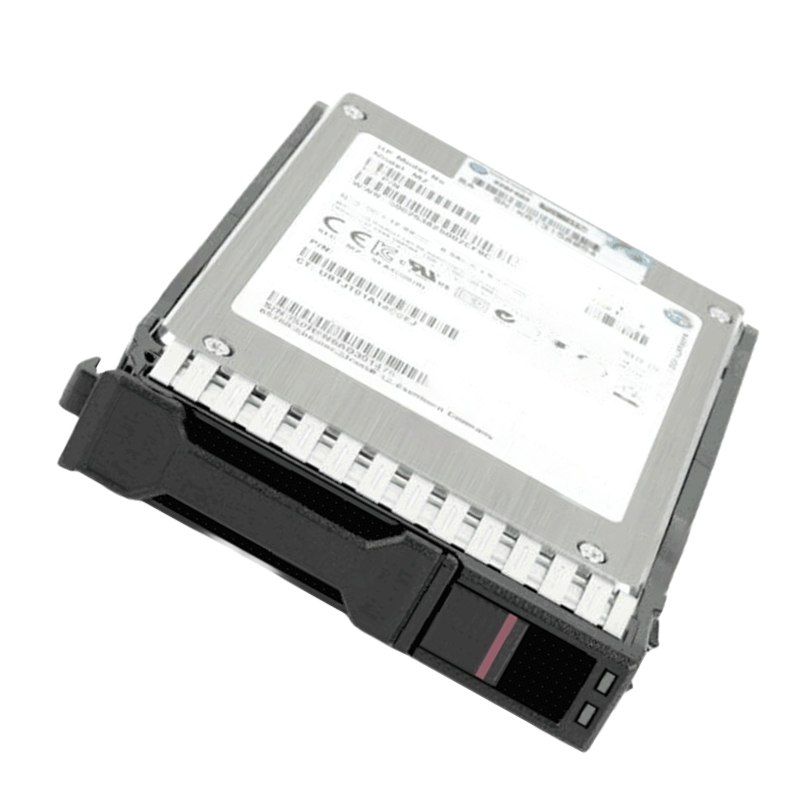


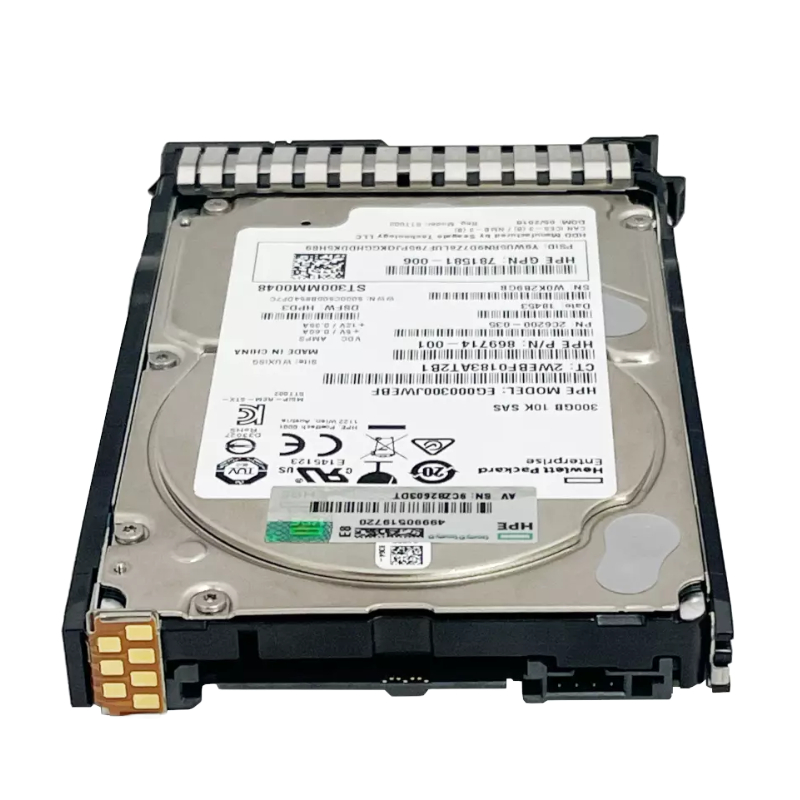
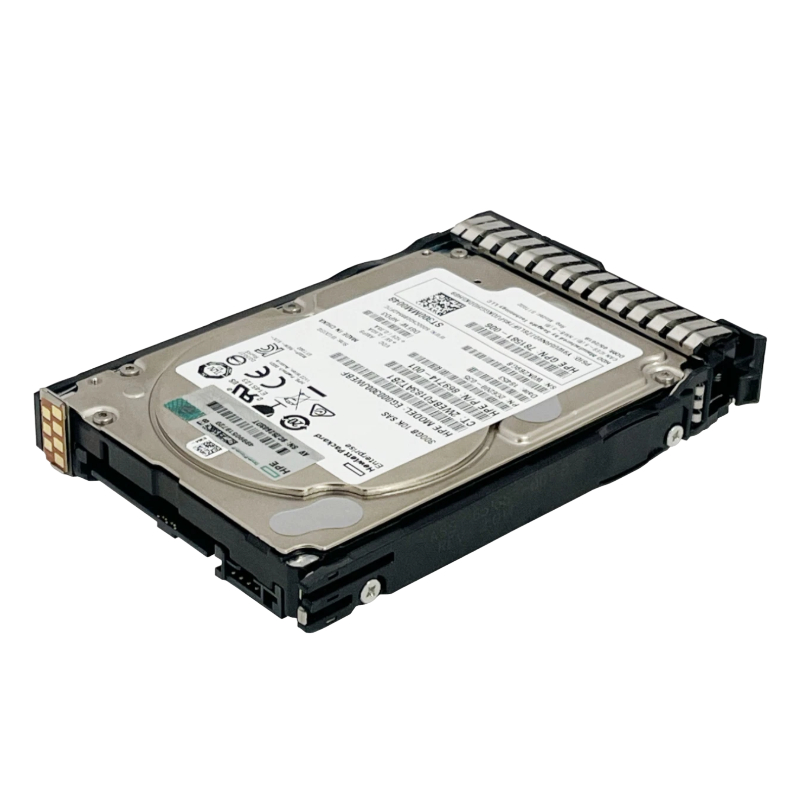
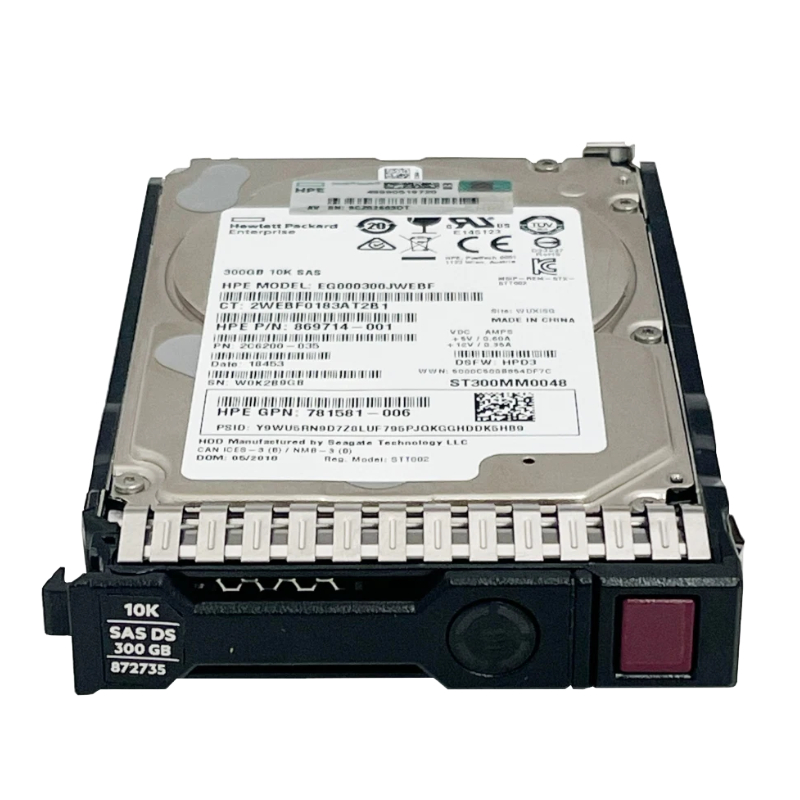
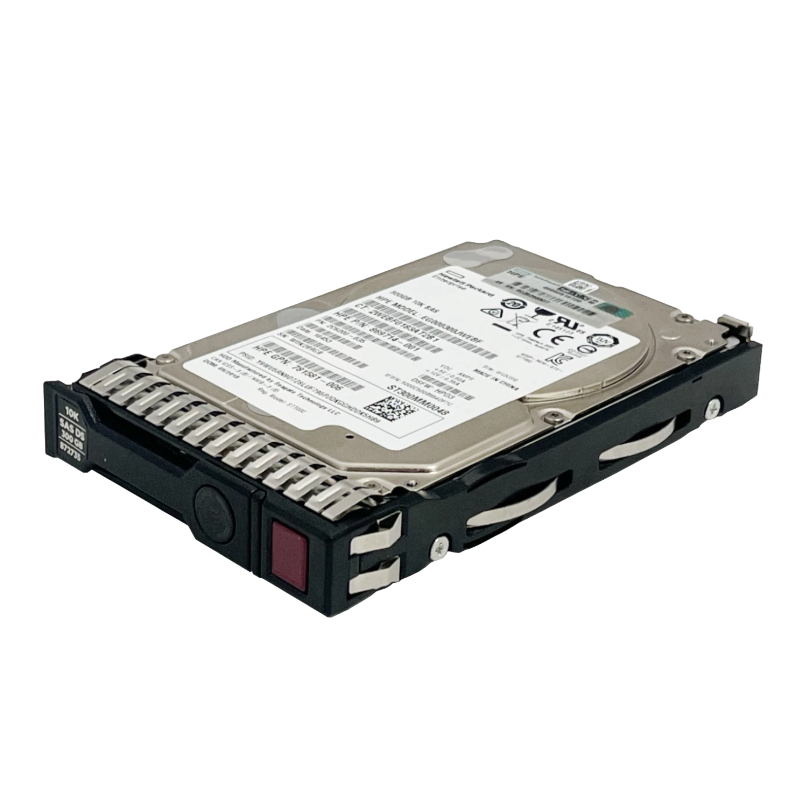
HPE P28028-B21 300GB 10K RPM SAS 12GBPS BC Mission Critical G10+ Hard Disk Drive. Excellent Refurbished with 1 year replacement warranty
The HPE P28028-B21 is a high-performance enterprise-grade hard disk drive engineered for mission-critical workloads. Designed with reliability and speed in mind, this storage solution ensures seamless integration with HPE ProLiant servers across multiple generations.
The category of enterprise-grade storage solutions represented by the HPE P28028-B21 300GB 10K RPM SAS 12Gbps BC Mission Critical G10+ Hard Disk Drive is built around performance, reliability, and sustained operational efficiency in demanding data environments. This class of storage hardware is engineered specifically for organizations that require consistent uptime, rapid data access, and long-term durability under intensive workloads. These drives are not designed for casual or consumer-level usage; instead, they address the needs of data centers, enterprise servers, and mission-critical applications where data integrity and system responsiveness are non-negotiable.
Within this category, the defining characteristics include high rotational speed, advanced SAS interface capabilities, optimized firmware for enterprise workloads, and robust physical construction designed to withstand continuous operation. The 300GB capacity strikes a balance between speed and storage efficiency, making it ideal for transactional systems, database indexing, and application hosting environments that prioritize performance over sheer storage volume.
Drives within this category operate at 10,000 revolutions per minute, offering significantly faster data access compared to traditional 7,200 RPM drives. This increased rotational speed reduces latency and improves overall input/output operations per second (IOPS), which is crucial for applications such as financial systems, real-time analytics, and high-frequency transaction processing. The faster spindle speed enables quicker retrieval of data blocks, ensuring that enterprise applications remain responsive even under heavy workloads.
The Serial Attached SCSI (SAS) 12Gbps interface is a cornerstone feature of this category. It provides a high-throughput connection between the drive and the server, enabling rapid data transfer rates that are essential for modern enterprise environments. Unlike SATA interfaces, SAS offers full-duplex communication, meaning data can be transmitted and received simultaneously, thereby enhancing performance and reducing bottlenecks in high-demand scenarios.
Latency reduction is a critical factor in mission-critical environments, and drives in this category are optimized to minimize delays in data retrieval. The combination of high rotational speed and advanced interface technology ensures that latency remains low, allowing systems to process large volumes of data efficiently. This is particularly beneficial in virtualization environments where multiple virtual machines rely on shared storage resources.
Input/output operations per second serve as a key metric for evaluating storage performance. This category excels in delivering high IOPS, making it suitable for workloads such as database management systems, enterprise resource planning platforms, and customer relationship management software. The ability to handle numerous simultaneous read and write operations ensures that system performance remains stable even during peak usage periods.
Error correction technologies play a vital role in maintaining data integrity. Drives in this category incorporate advanced error detection and correction algorithms that identify and rectify data inconsistencies during read and write operations. This ensures that critical data remains accurate and protected, reducing the risk of data corruption in enterprise systems.
In multi-drive environments such as server racks, rotational vibration can impact performance and reliability. This category includes drives with built-in vibration sensors and compensation mechanisms that mitigate the effects of external and internal vibrations. This ensures stable performance even when multiple drives are operating in close proximity.
Redundant Array of Independent Disks (RAID) configurations are commonly used in enterprise environments to enhance data protection and performance. This category supports a wide range of RAID configurations, ensuring flexibility in how storage systems are designed and implemented. The drives are optimized to work efficiently within RAID arrays, providing consistent performance and reliability.
Hot-swapping allows drives to be replaced without shutting down the system, a critical feature in mission-critical environments. This category supports hot-swap functionality, enabling maintenance and upgrades to be performed with minimal disruption to operations. This contributes to improved system uptime and operational efficiency.
Virtualized environments demand storage solutions that can handle multiple simultaneous workloads. This category excels in virtualization scenarios, providing consistent performance across multiple virtual machines. The ability to manage high I/O demands ensures that virtual environments remain responsive and stable.
ERP systems rely on fast and reliable storage to process business-critical data. Drives in this category support the demanding requirements of ERP applications, ensuring smooth operation and minimal downtime. The robust performance characteristics enable organizations to maintain efficient business processes.
In high-performance computing environments, storage speed is a critical factor. This category provides the necessary performance to support complex computational tasks, enabling faster data processing and improved system efficiency. The drives are well-suited for scientific research, data modeling, and simulation applications.
The 300GB capacity within this category represents a strategic balance between performance and storage efficiency. While larger capacity drives are available, this size is optimized for applications that require fast access to frequently used data rather than long-term archival storage. This makes it ideal for tiered storage architectures where performance is prioritized.
Scalability is a key factor in enterprise storage solutions. This category allows organizations to scale their storage infrastructure incrementally, adding additional drives as needed. This flexibility ensures that storage systems can grow alongside business requirements without requiring significant upfront investment.
Data tiering involves placing data on different storage types based on access frequency and performance requirements. This category is well-suited for high-performance tiers, where rapid data access is essential. By integrating these drives into a tiered storage strategy, organizations can optimize both performance and cost.
Security is a critical concern in enterprise environments, and this category addresses it through robust data protection features. These drives are designed to safeguard sensitive information, ensuring that data remains secure throughout its lifecycle. This includes protection against unauthorized access and data breaches.
Maintaining data integrity is essential for mission-critical applications. Drives in this category incorporate technologies that ensure data remains accurate and consistent. This includes mechanisms for detecting and correcting errors, as well as safeguards against data loss.
Many drives in this category support hardware-based encryption, providing an additional layer of security. This ensures that data is protected even if the drive is physically removed from the system. Encryption helps organizations comply with regulatory requirements and protect sensitive information.
The category is designed with future scalability and adaptability in mind. As enterprise technologies continue to evolve, these drives provide a reliable foundation that can integrate with emerging systems and architectures. This ensures long-term value and reduces the need for frequent hardware upgrades.
Hybrid storage models combine different types of storage media to achieve optimal performance and cost efficiency. This category integrates seamlessly into hybrid environments, working alongside solid-state drives and other storage technologies to deliver balanced performance.


 Contact Us
 Information
 Catalog
 Solid State Drives (SSD)
 Network Switches
 Hard Disk Drives
 HBA & Controllers
 PC & Servers
 PC & Server Memory
 CPU & Processors
 Network Routers
 Power Supplies
 Tape Drives & Libraries
 Network Devices
 Computer & Network Cables