(7% discount is applied at checkout)
Cart is empty
Your go-to destination for cutting-edge server products


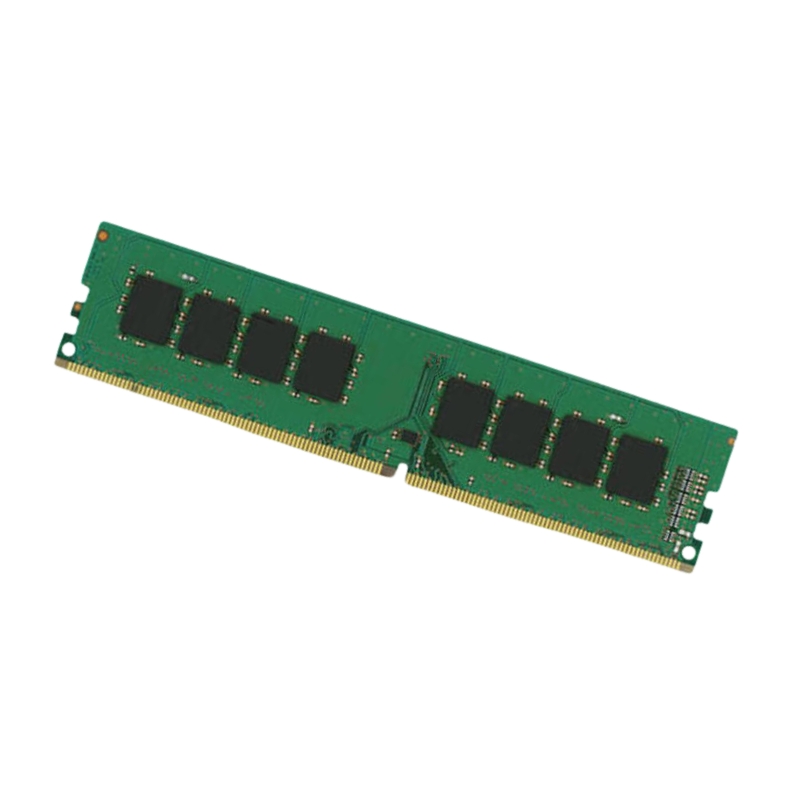
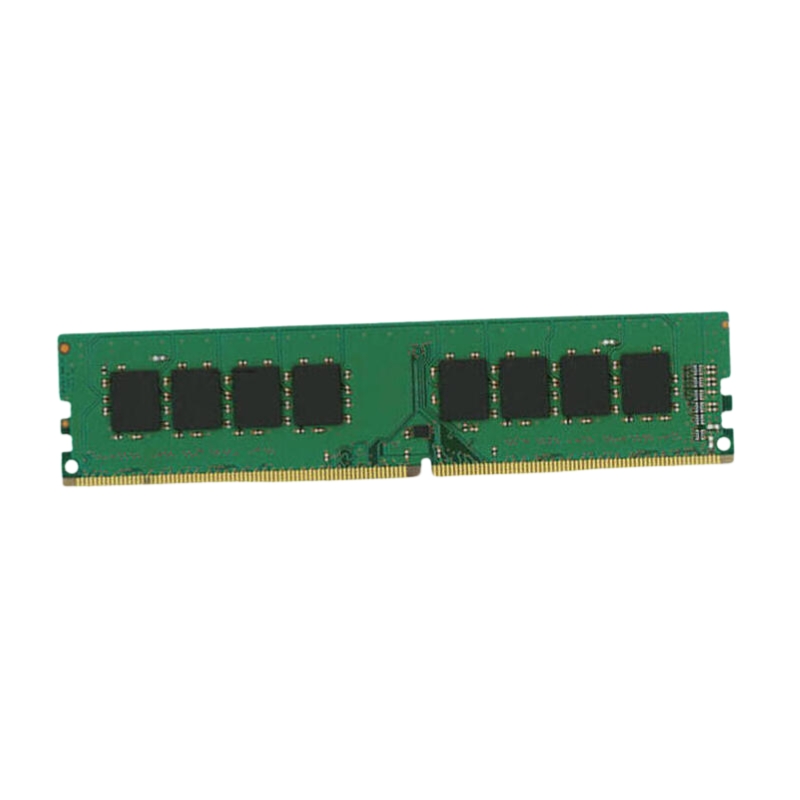
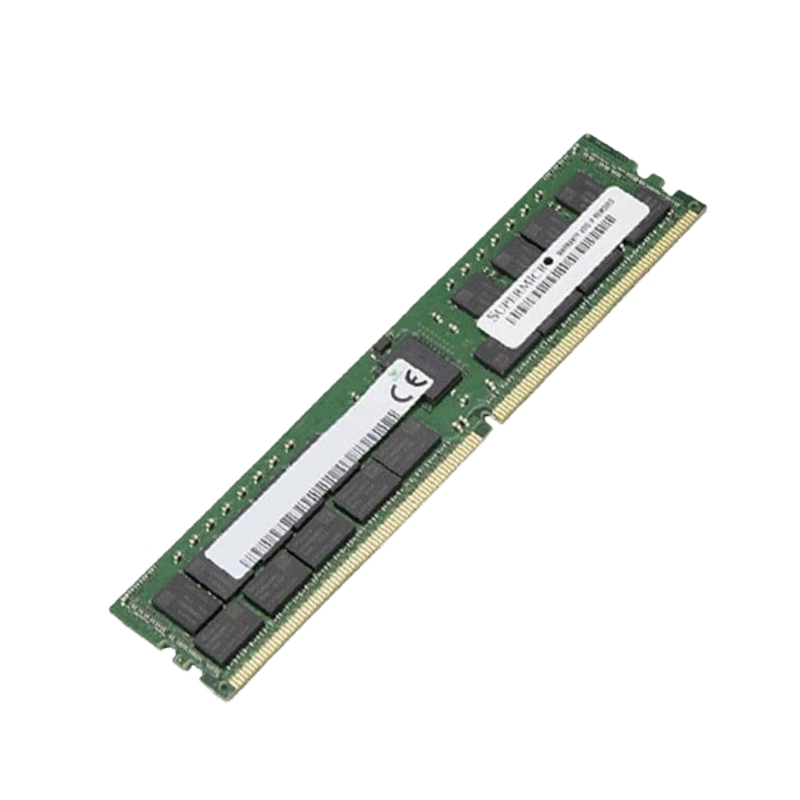
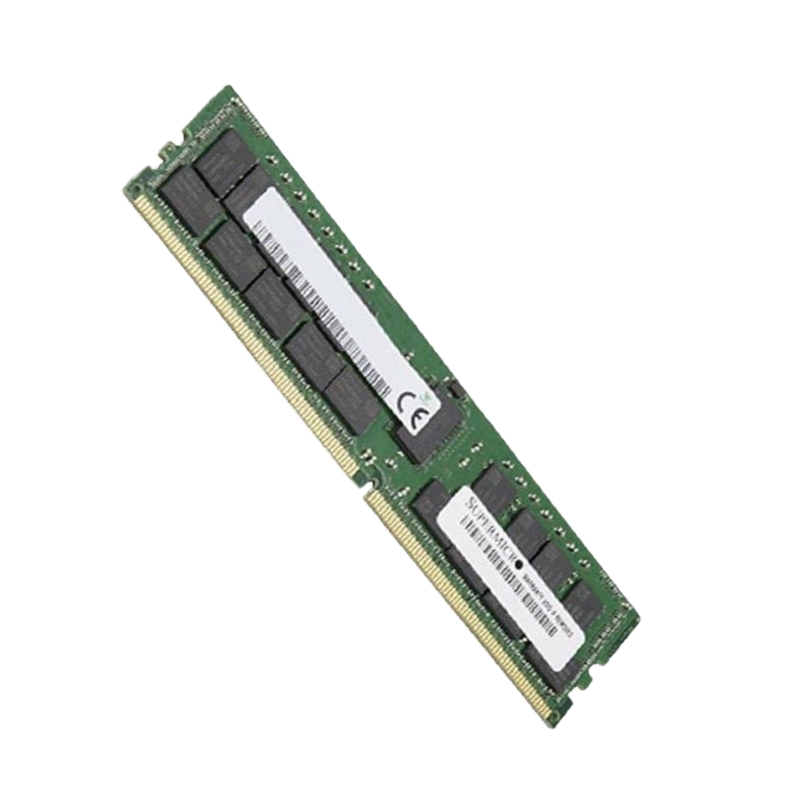
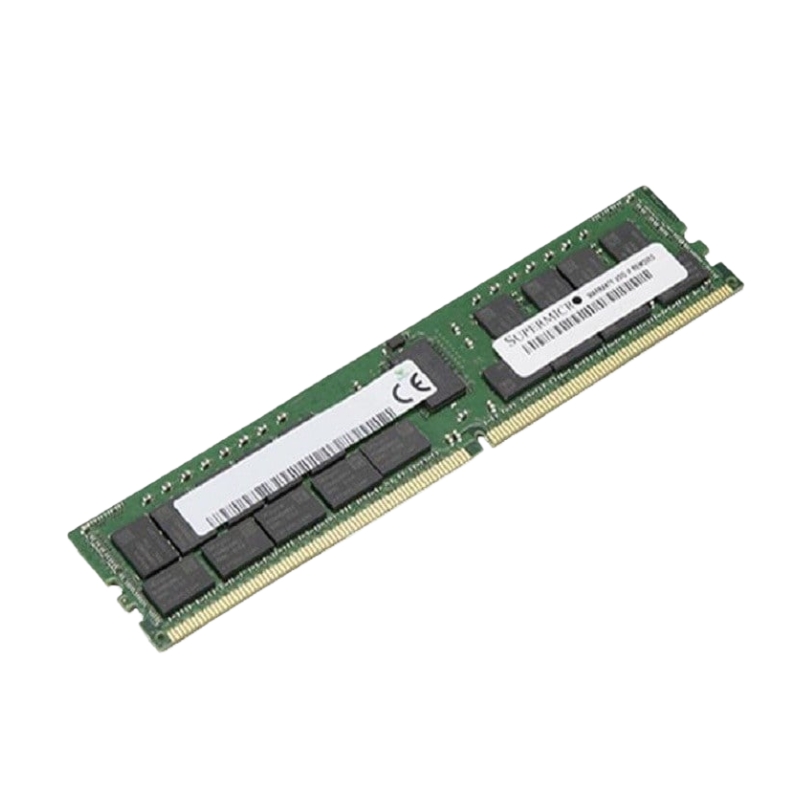
Supermicro MEM-DR532MD-ER48 32GB DDR5 4800MT/s PC5-38400 2RX8 ECC SDRAM Ram. New (System) Pull with 1 year replacement warranty - Hynix Version
The Supermicro MEM-DR532MD-ER48 is a high-performance DDR5 RDIMM memory module crafted for enterprise-grade servers that require reliable speed, robust data integrity, and efficient memory management. Designed for modern data centers and virtualization platforms, this module ensures stable and error-free operations for demanding workloads.
The Supermicro MEM-DR532MD-ER48 32GB DDR5 4800MT/s PC5-38400 2Rx8 ECC SDRAM represents a specialized category of DDR5 server memory designed for enterprise-class performance, reliability, and scalability. This category includes high-capacity, high-bandwidth memory modules specifically engineered for modern server and data center environments that demand consistent throughput, low latency, and error-free operation. As workloads such as virtualization, cloud computing, real-time analytics, and database processing continue to increase in complexity and intensity, DDR5 memory has emerged as the core enabler for balanced and high-performance server architectures.
DDR5 memory introduces significant enhancements over previous generations, and the 4800MT/s speed grade represents a key performance level within the DDR5 family. This category focuses on delivering high-speed data transfer between the memory and CPU, which is critical for handling modern workloads that involve large datasets and high concurrency. The PC5-38400 rating denotes a peak theoretical bandwidth of 38.4 gigabytes per second per module, enabling servers to efficiently manage parallel tasks and reduce memory bottlenecks. In multi-channel memory architectures, this category provides scalable aggregate bandwidth, which is essential for virtualization hosts, analytics servers, and high-performance computing applications.
High bandwidth is crucial for modern server workloads that rely on fast and simultaneous data access. Applications such as virtual machines, in-memory databases, and enterprise resource planning platforms benefit from the increased memory throughput of DDR5 4800MT/s modules. This category ensures that the CPU receives data efficiently, reducing wait times and increasing operational efficiency. The PC5-38400 bandwidth rating is particularly beneficial in multi-threaded environments, where multiple cores and processes simultaneously access memory. By deploying memory from this category, enterprises can achieve optimal performance in scenarios where data-intensive operations are routine.
Error Correcting Code functionality is a defining characteristic of this DDR5 memory category. ECC memory continuously monitors data integrity, detecting and correcting single-bit errors to prevent data corruption and system instability. In enterprise environments, where accuracy and uptime are critical, ECC support is essential. Memory failures in servers without ECC can lead to silent data corruption, application crashes, and potential financial or operational impact. This category of DDR5 ECC SDRAM is engineered to maintain reliability under heavy workloads. Continuous error checking ensures that even minor disturbances caused by electrical noise, radiation, or component wear do not compromise, providing a stable foundation for critical applications.
Servers are expected to operate continuously for years, often handling workloads that involve constant memory access. ECC memory mitigates the risk of silent errors that could otherwise propagate through applications and cause unreliable results. This category provides enterprise-class reliability by integrating ECC with advanced DDR5 features, ensuring consistent operation and data protection. Industries such as finance, healthcare, and scientific research benefit from the protection provided by ECC, as the cost of errors can be substantial. Deploying memory from this category helps organizations achieve compliance with high standards of accuracy and uptime.
The 2Rx8 dual rank design is a critical performance feature of this DDR5 server memory category. Dual rank modules effectively double the number of accessible memory ranks per DIMM, allowing the memory controller to interleave access between ranks. This improves memory throughput and reduces latency variability, which is particularly advantageous in multi-core server environments where multiple processes may request memory simultaneously. Dual rank memory also enables more efficient utilization of memory channels. When fully populated across multiple channels, servers benefit from improved bandwidth distribution and reduced idle cycles, leading to higher effective memory performance.
Interleaving memory operations across dual ranks enhances bandwidth utilization by allowing overlapping memory requests to be executed concurrently. This category supports optimized interleaving strategies, ensuring that high-frequency memory access patterns are handled efficiently. Applications with concurrent workloads, such as virtualization and containerized environments, benefit from this architecture by maintaining consistent throughput and predictable latency. IT administrators can achieve better performance scaling by deploying dual rank modules across multiple channels, which aligns with the design goals of this DDR5 memory category.
The x8 DRAM organization of the MEM-DR532MD-ER48 module aligns with industry-standard practices for ECC server memory. This organization supports efficient error correction while maintaining optimal data throughput and signal integrity. x8 DRAM chips are widely compatible with enterprise server platforms and ensure reliable operation across multiple workloads. This category emphasizes adherence to JEDEC standards and Supermicro platform validation, ensuring broad compatibility and reducing the risk of installation or operational issues.
Memory in this category is rigorously validated for compatibility with server chipsets, CPUs, and BIOS configurations. This ensures stable operation under all supported configurations, reducing the risk of memory-related downtime. Platform validation is critical in high-density server environments where memory faults can have cascading effects on system performance. By using validated modules from this category, organizations can streamline server deployment and maintenance while ensuring long-term operational reliability.
DDR5 memory in this category operates at a nominal voltage of 1.1–1.2 volts, providing improved energy efficiency compared to previous DDR4 generations. Reduced voltage lowers power consumption per module, which is critical in data centers where energy efficiency impacts operating costs and thermal management. This efficiency is particularly important when deploying multiple modules in high-density racks. Energy-efficient operation also contributes to thermal stability, reducing heat output and enabling servers to maintain consistent performance under continuous load. This category of memory supports enterprise goals for sustainability and cost-effective data center operation.
High-density memory configurations generate significant thermal load. DDR5 4800MT/s modules in this category incorporate advanced power management and thermal characteristics to maintain stability under heavy workloads. Effective heat dissipation ensures long-term reliability and reduces the risk of thermal throttling or performance degradation. Data center operators benefit from this combination of efficiency and performance, which allows high-density memory deployment without compromising stability.
The 288-pin RDIMM form factor is standardized for DDR5 server memory and ensures compatibility with a wide range of Supermicro and other enterprise-grade server motherboards. This category adheres to strict mechanical and electrical specifications, supporting both single-processor and dual-processor server platforms. Standardized form factors simplify installation, maintenance, and upgrades, reducing downtime and minimizing the risk of installation errors. The RDIMM design also supports stable signal integrity at high speeds, which is essential for consistent performance in demanding workloads.
This category of DDR5 4800MT/s ECC SDRAM memory is suitable for a wide range of enterprise workloads. Virtualization platforms benefit from high-speed memory access, enabling greater density of virtual machines without compromising performance. Database servers rely on consistent latency and error-free operation to maintain transactional integrity. Analytics, business intelligence, and machine learning applications also benefit from high-bandwidth DDR5 memory, which enables rapid access to large datasets and improves overall processing efficiency. This category supports mission-critical computing environments where stability, reliability, and performance are equally important.
In cloud and hyperconverged environments, memory performance directly affects the speed of virtualized workloads and container orchestration. DDR5 4800MT/s memory in this category allows for optimized workload placement, efficient resource allocation, and improved responsiveness in multi-tenant infrastructures. Using standardized 32GB modules provides flexibility in capacity planning while maintaining predictable performance across nodes, which is essential for enterprise cloud operations.
DDR5 memory is designed to support future server architectures with increased core counts, additional memory channels, and higher performance requirements. This category enables incremental memory expansion while ensuring compatibility with current and next-generation platforms. Enterprises can deploy these modules to achieve a balance of capacity, performance, and long-term scalability. Scalability considerations include balanced channel population, interleaving strategies, and compatibility with multi-processor configurations. Deploying memory from this category ensures that systems remain future-ready without requiring disruptive hardware changes.
Enterprise server memory must operate continuously and reliably under demanding conditions. Modules in this category are subjected to rigorous quality control, including stress testing, error correction validation, and thermal endurance assessment. This ensures stable operation and predictable performance over extended periods. By standardizing on high-quality DDR5 ECC modules, organizations reduce maintenance complexity, minimize downtime, and protect long-term investments in server infrastructure.
Servers running mission-critical workloads require memory that maintains consistent performance under sustained load. This category of DDR5 4800MT/s ECC SDRAM is engineered to operate reliably in 24/7 environments, ensuring that applications perform predictably and data integrity is preserved. High-frequency operation combined with ECC error correction, dual rank design, and thermal stability provides a robust memory foundation for demanding enterprise applications. This category supports continuous operation in high-density servers, cloud environments, and large-scale data center deployments.
Modern enterprise servers often feature multiple CPU sockets and support numerous concurrent processes. DDR5 4800MT/s memory modules in this category provide sufficient bandwidth and capacity per socket to ensure balanced performance. Dual rank x8 architecture supports efficient interleaving and concurrent memory access, optimizing throughput for multi-core processors. Deploying memory from this category ensures that high-concurrency workloads, such as virtualization, analytics, and high-performance computing, maintain optimal performance without memory bottlenecks. This category is essential for building balanced, reliable, and scalable server architectures.


 Contact Us
 Information
 Catalog
 Solid State Drives (SSD)
 Network Switches
 Hard Disk Drives
 HBA & Controllers
 PC & Servers
 PC & Server Memory
 CPU & Processors
 Network Routers
 Power Supplies
 Tape Drives & Libraries
 Network Devices
 Computer & Network Cables