(7% discount is applied at checkout)
Cart is empty
Your go-to destination for cutting-edge server products
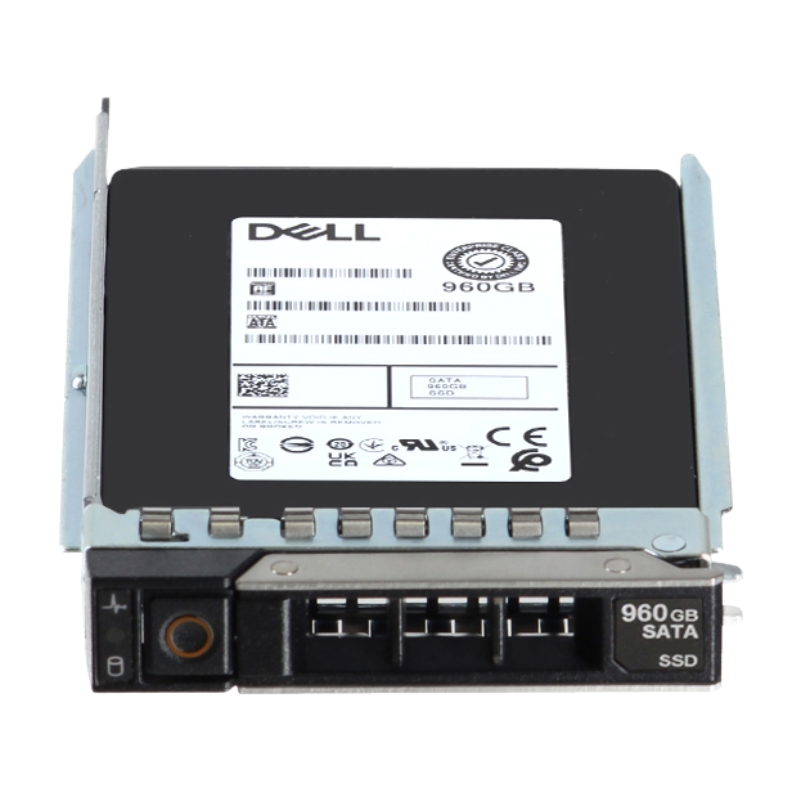


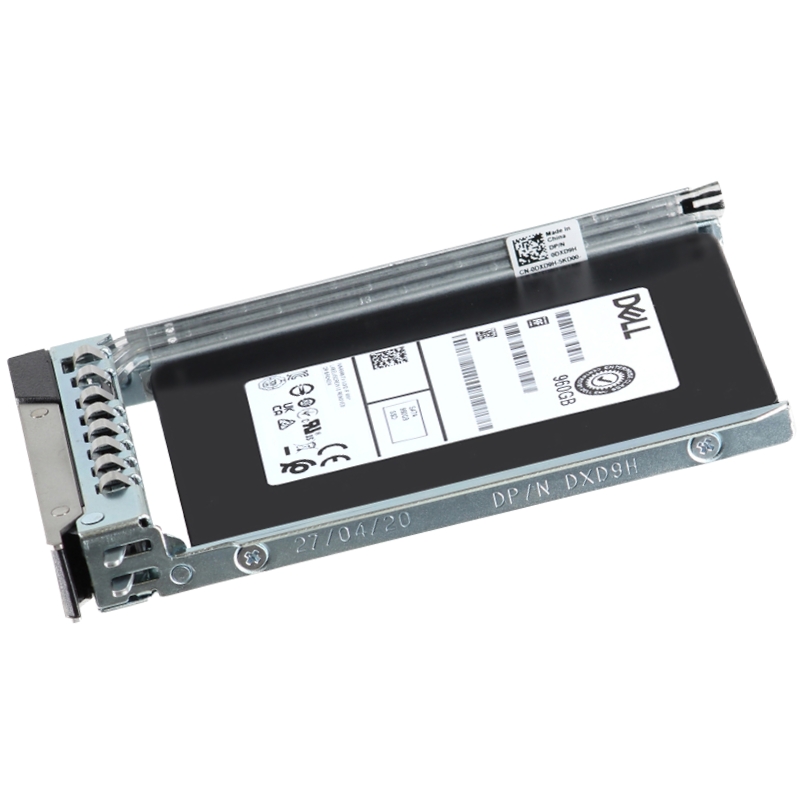
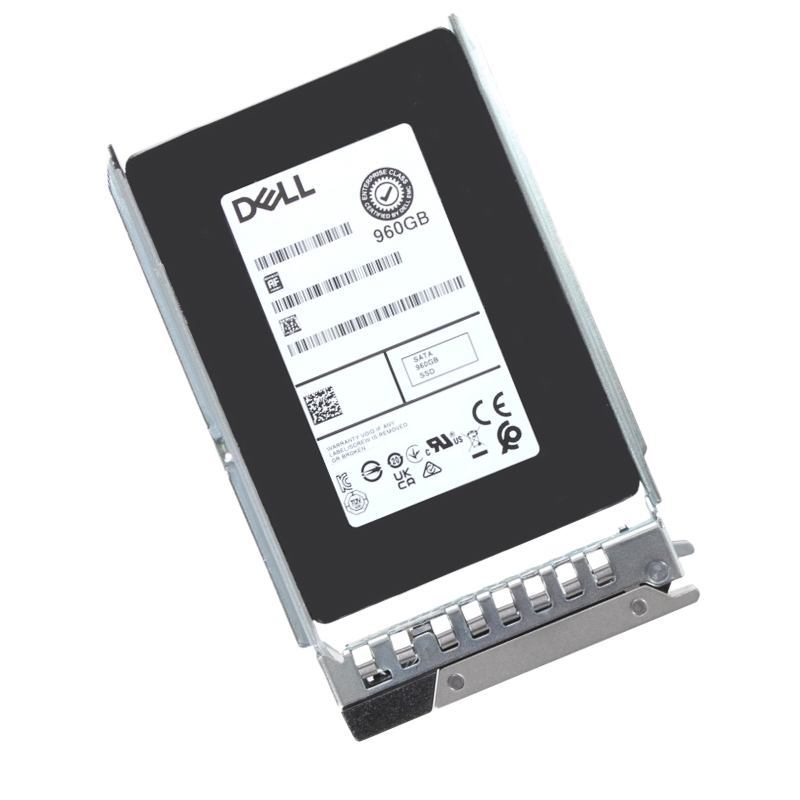
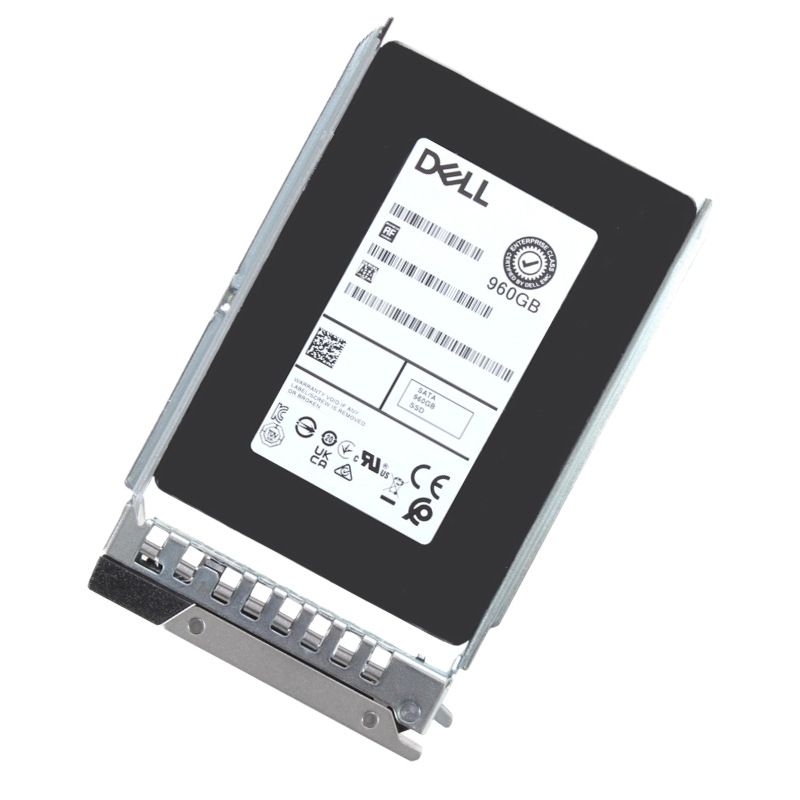
DELL 345-BKRQ 960GB Read Intensive TLC SATA 6GBPS 2.5 Inch Hot Plug SSD With Tray 1DWPD Poweredge Server. New Sealed in Box (NIB) With 1 Year Warranty
The DELL-certified 960GB SATA SSD offers robust performance and dependable storage for PowerEdge servers in data-intensive environments. Engineered with Triple-Level Cell (TLC) 3D NAND technology, this hot-swappable 2.5" solid-state drive is fine-tuned for read-heavy workloads.
Core Features and Specifications
This SSD delivers consistent speed and latency performance suitable for read-heavy server environments:
With a 2.5" Small Form Factor and 3D TLC lithography, this SSD enhances system performance while keeping thermal and energy costs low. It's particularly well-suited for virtualized workloads, data analytics, and transactional databases.
This enterprise-grade drive supports an extensive list of DELL 14G, 15G, and 16G PowerEdge servers, ensuring seamless deployment in a wide array of systems.
Officially verified by DELL, this SSD ensures reliability and warranty support within enterprise environments.
This drive is the ideal choice for enterprises looking to:
Perfect for:
This high‑capacity SSD is engineered specifically for DELL PowerEdge systems, boasting a 960‑gigabyte solid‑state module that delivers exceptional performance in demanding, read‑biased environments. The design incorporates Triple‑Level Cell (TLC) 3D NAND flash memory with a 1 Drive‑Write‑Per‑Day (1 DWPD) endurance rating—striking a smart balance between longevity and affordability. Housed in a standard 2.5‑inch form factor and furnished with a hot‑plug tray, this drive conforms seamlessly to server maintenance protocols and rack‑mount operations.
With a storage volume of 960 GB, this SSD supports substantial datasets and voluminous content access. The 3D‑stacked TLC memory maximizes density and cost efficiency, sustaining high read throughput while retaining a compact footprint.
Featuring a SATA III interface with a bandwidth of 6 Gb/s, the drive ensures robust streaming and swift data transit. This interface is ubiquitous in enterprise-class storage subsystems, ensuring compatibility and stable integration across a wide range of rack and tower servers.
Rated at 1 DWPD, the endurance specification supports consistent read operations with moderate write cycles—ideal for archival, caching, and other read‑intensive workloads. This endurance level also helps preserve drive integrity over prolonged service life.
This SSD can sustain an external bus transfer rate approaching 600 MB/s, leveraging the upper bandwidth limits of SATA III when configured properly.
Optimum for scenarios emphasizing high read ratio operations—including web hosting, content distribution platforms, search indexing, and real‑time analytics engines.
The drive’s 2.5‑inch SFF (Small Form Factor) design ensures compact rack placement, enabling denser storage configurations and flexible server blade integration.
With a hot‑swap tray included, system administrators can effortlessly remove or install the SSD without powering down the host platform, reducing service interruption and boosting uptime metrics.
This model is specifically certified for a comprehensive roster of DELL 14G, 15G, and 16G PowerEdge systems. Its compatibility profile spans:
This extensive compatibility list guarantees support for both legacy and current‑generation chassis, ensuring long‑term deployment flexibility and inventory standardization across multiple server fleets.
As a Dell‑authorized SSD, each unit is certified for enterprise performance and reliability standards, ensuring seamless deployment, firmware compatibility, and retention of warranty and technical support privileges.
In CDN or streaming server environments, fast sequential read performance accelerates content retrieval and boosts end‑user response times.
For read‑heavy databases—such as analytics warehouses or lookup tables—this SSD provides rapid access without over‑investing in more expensive endurance classes.
When used as front‑end cache or tiered storage in hybrid configurations, the drive offloads IO pressure from HDD arrays while reducing latency and improving throughput.
VDI systems benefit from the drive’s read velocity and modest write capability—enabling rapid boot storms and efficient resource consolidation.
Read‑intensive SATA SSDs aim to optimize majority‑read workloads without the expense of random‑write‑optimized models. They are characterized by balanced endurance, moderate write tolerance, and superior read rates—especially suitable for larger pools, caches, and non‑critical write layers.
By selecting a drive rated at 1 DWPD and catering to high read traffic, organizations enjoy a lower cost‑per‑terabyte and longer service life for use cases where write volume remains limited. This makes such SSDs more economical for scale‑out storage and high‑density server farms.
Read‑intensive SSDs like the 345‑BKRQ model are frequently deployed as a mid‑tier cache or read accelerator above bulk HDD pools, enabling faster file retrieval and improved I/O handling without incurring the premium of top‑tier SSD endurance levels.
Assess read/write ratio, IOPS demand, and throughput thresholds prior to deployment. This SSD is tailored to workloads where read performance dominates—such as media servers, analytics queries, and CDN nodes.
Lower acquisition cost per terabyte and reduced power draw of SATA SSDs contribute to a favorable total cost of ownership. The 3D TLC technology further enhances density-to-cost metrics, while 1 DWPD supports extended drive longevity in stable read‑centric uses.
When used within DELL PowerEdge ecosystems, the SSD benefits from uniform firmware upgrades, system monitoring, and diagnostic support tools, easing administrator oversight and lifecycle management.


 Contact Us
 Information
 Catalog
 Solid State Drives (SSD)
 Network Switches
 Hard Disk Drives
 HBA & Controllers
 PC & Servers
 PC & Server Memory
 CPU & Processors
 Network Routers
 Power Supplies
 Tape Drives & Libraries
 Network Devices
 Computer & Network Cables