(7% discount is applied at checkout)
Cart is empty
Your go-to destination for cutting-edge server products
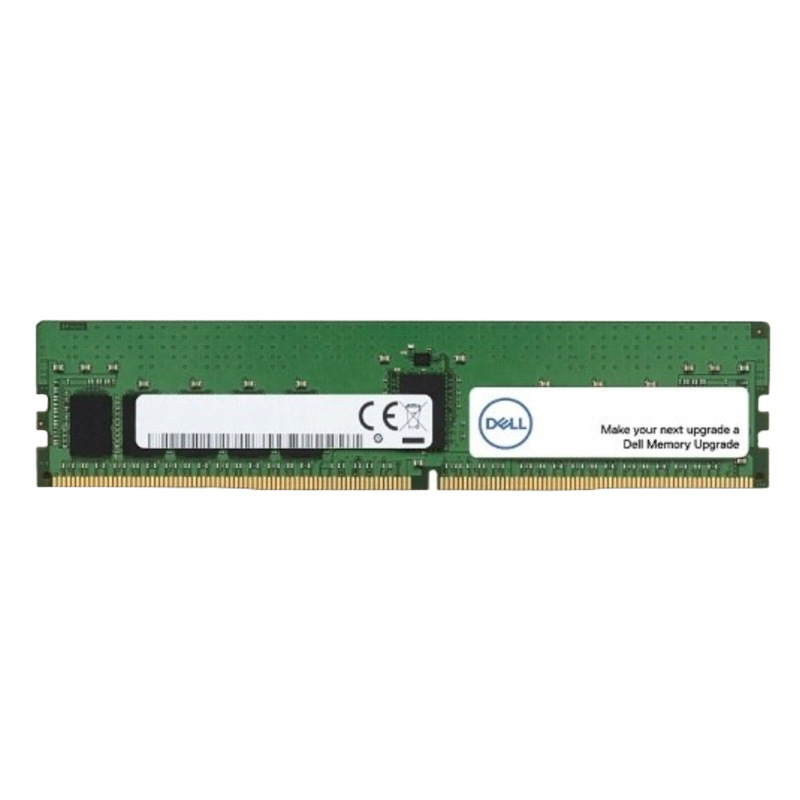


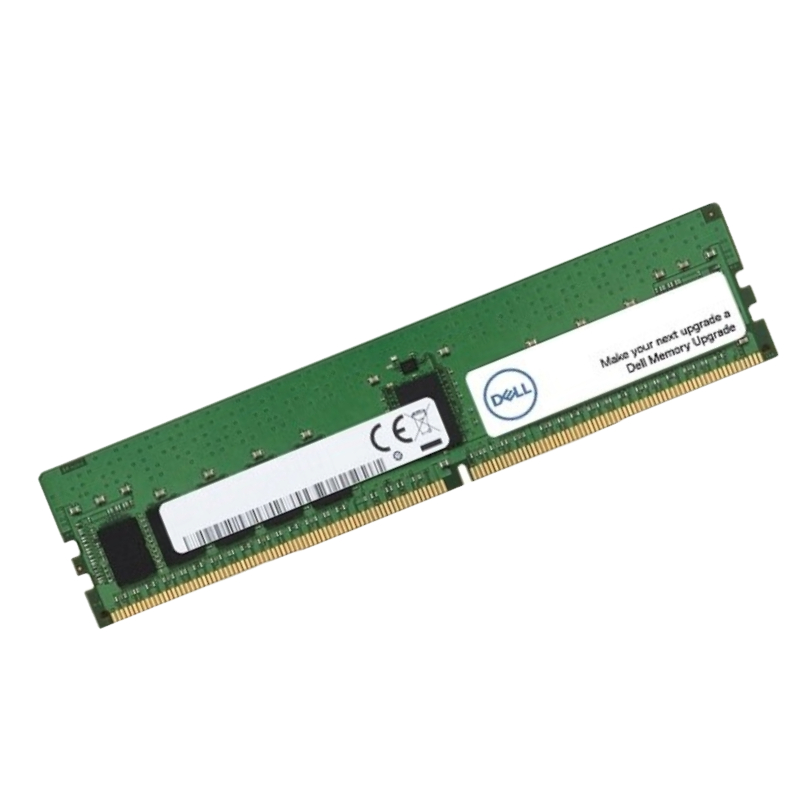
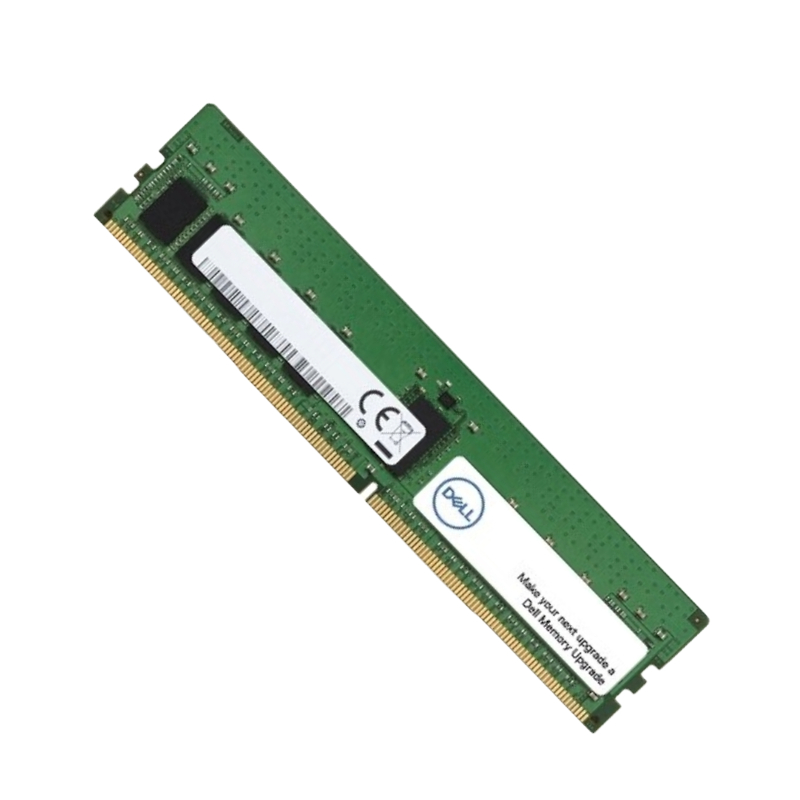
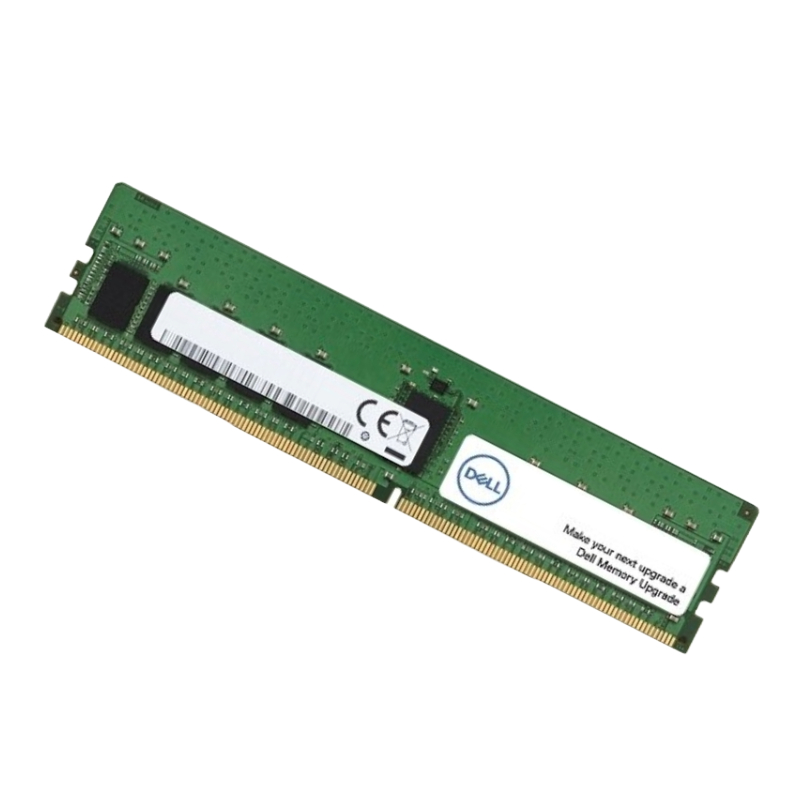
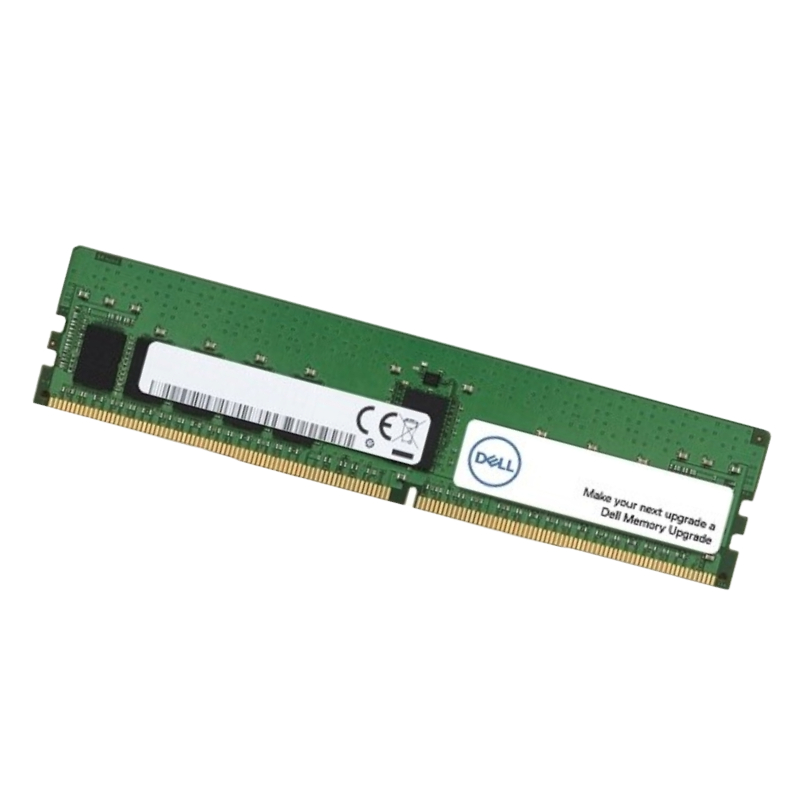
Dell 370-AHHC 96GB 4800MHz PC5-38400 1rx8 Ecc Registered Cl40 DDR5 SDRAM 288-pin RDIMM Memory Module Bundle For Server. New Sealed in Box (NIB) - Samsung Version
Enhance your server's performance with the Dell 370-AHHC DDR5 RDIMM, engineered for enterprise-grade reliability and speed.
The Dell 370-AHHC 96GB 4800MHz PC5-38400 1Rx8 ECC Registered 1.1V CL40 DDR5 SDRAM 288-Pin RDIMM memory module for server is engineered to deliver a balance of high capacity, elevated transfer rates, and enterprise-grade reliability. As a DDR5 RDIMM designed to meet PC5-38400 throughput, the module achieves sustained 4800MT/s data rate while maintaining a low operating voltage of 1.1 volts, which helps reduce power consumption at scale. The 96GB density provides a substantial single-module capacity that supports memory-heavy workloads in virtualization, in-memory databases, analytics, and containerized environments. The 1Rx8 designation indicates a single-rank organization with x8 data width devices, a configuration that affects density, compatibility with memory controllers, and channel population strategies. CL40 latency reflects the column access timing at DDR5 speeds and is part of the timing suite to consider when tuning servers for predictable latency-sensitive applications. ECC Registered functionality ensures in-line error detection and correction combined with the registered buffer that offloads load from the memory controller to stabilize signal integrity in multi-module, multi-socket server configurations.
Enterprise systems rely on memory modules like the Dell 370-AHHC to minimize soft errors and silent data corruption. Error-Correcting Code (ECC) memory is designed to detect and correct single-bit errors and detect multi-bit errors; when operated as ECC Registered memory, the module also uses a register to buffer command and address signals between the module and the memory controller. The combined ECC and register features are especially critical in mission-critical server roles where uptime and data integrity cannot be compromised. The RDIMM form factor reduces electrical loading on server memory buses, enabling higher population counts per channel and more predictable timing behavior when multiple DIMMs per channel are used. This module's ECC mechanism interacts with server firmware and the platform’s memory controller to report correctable and uncorrectable error events to system management firmware, allowing administrators to monitor module health and take proactive remediation steps without immediate service disruption.
Operating at 1.1 volts, the Dell 370-AHHC DDR5 RDIMM profile offers improved power efficiency relative to previous DDR generations while preserving requisite signaling margins at 4800MT/s. Nevertheless, higher transfer rates generate heat across the memory devices and PCB; server chassis airflow, DIMM spacing, and system-level thermal design influence sustained throughput under heavy loads. Heat spreaders and the thermal pathways integrated into modern server platforms complement the module design, but administrators should consider airflow patterns, ambient temperature, and DIMM density when populating blades or 1U/2U systems. Monitoring of DIMM temperatures via system management interfaces can provide early warning of thermal stress that could otherwise impact reliability or force throttling behaviors in extreme conditions.
Compatibility with server motherboards and validated platform lists is a critical consideration when deploying high-density RDIMMs. The Dell 370-AHHC module is built to conform to JEDEC DDR5 standards and is typically validated against specific server families, BIOS revisions, and multi-socket topologies. The module leverages SPD (Serial Presence Detect) or DDR5-compatible SPD-like structures to present timing tables and configuration parameters to the host during POST. System integrators and IT teams must consult the server vendor's Qualified Vendor List (QVL) and the BIOS or firmware release notes to confirm interoperability, particularly in mixed-population environments where mixing ranks, densities, or vendors can influence system boot behavior or cause the platform to default to conservative timings. The 288-pin RDIMM mechanical interface is a standardized footprint across many server platforms, but memory controller support for 96GB devices and 1Rx8 organization is platform-dependent and should be validated before wide-scale rollouts in production environments.
CL40 indicates CAS latency measured in DDR5 clock cycles and is one component of the overall timing matrix that includes tRCD, tRP, and tRAS; these contribute to access latency and total memory responsiveness. High-bandwidth, parallelizable workloads such as streaming analytics, large-scale data processing, and distributed caching derive greater benefit from raw throughput, whereas latency-sensitive transactional workloads demand careful attention to timing values and memory configuration. Because server platforms often adopt conservative timings at higher population counts or when error mitigation features are enabled, the interplay between frequency, timings, and ECC/register features should be analyzed using platform-specific memory benchmarking tools to quantify performance differences under representative workloads.
Large-scale virtualized environments, database servers, analytics clusters, high-performance computing nodes, and specialized cache servers are ideal candidates for high-density RDIMMs such as the Dell 370-AHHC. Virtual machine consolidation benefits from larger per-socket memory pools, enabling more guest instances per server and lowering the physical server count for a given workload. In-memory databases and high-concurrency web application stacks that maintain large working sets in RAM gain reduced I/O latency and improved throughput when supplied with abundant memory capacity at 4800MT/s bandwidth. Applications that use large memory-mapped files, real-time analytics, or machine learning preprocessing stages can leverage the combination of high capacity and DDR5 throughput to reduce the need for disk-based spillover and to accelerate data pipeline stages that are memory-bound.


 Contact Us
 Information
 Catalog
 Solid State Drives (SSD)
 Network Switches
 Hard Disk Drives
 HBA & Controllers
 PC & Servers
 PC & Server Memory
 CPU & Processors
 Network Routers
 Power Supplies
 Tape Drives & Libraries
 Network Devices
 Computer & Network Cables