(7% discount is applied at checkout)
Cart is empty
Your go-to destination for cutting-edge server products
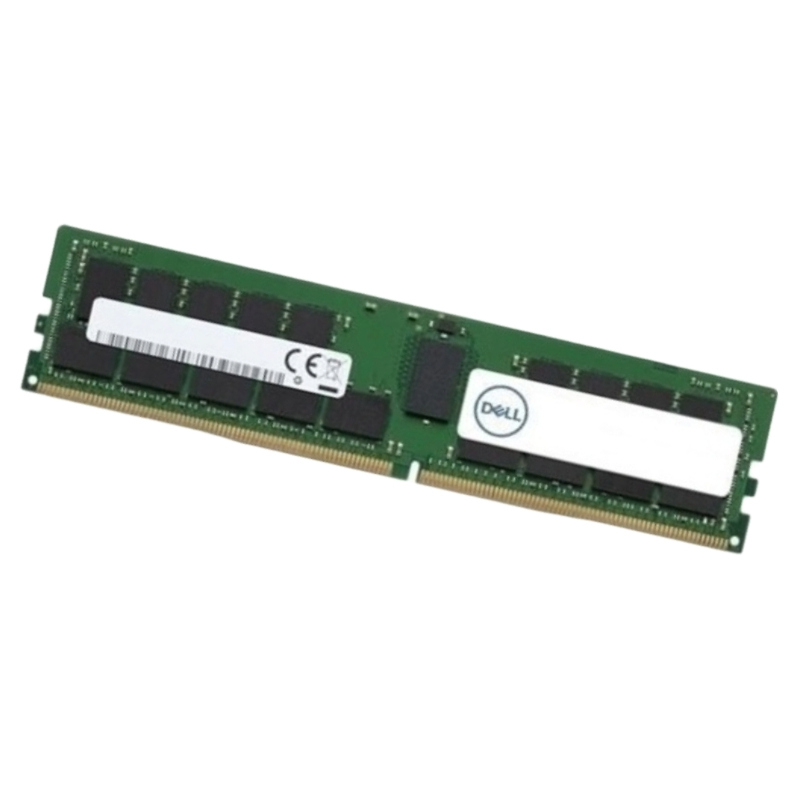


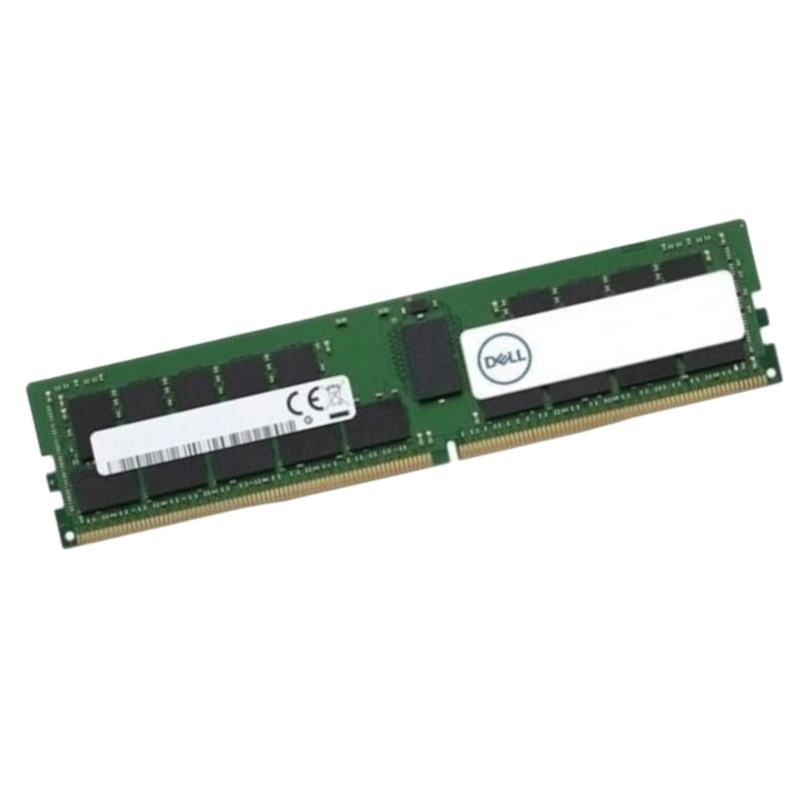
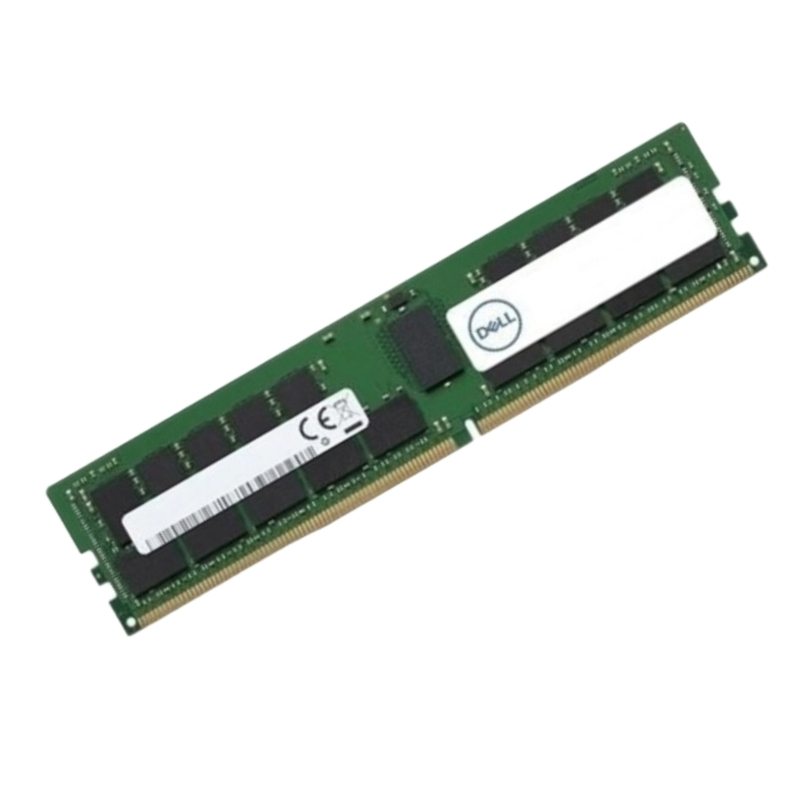
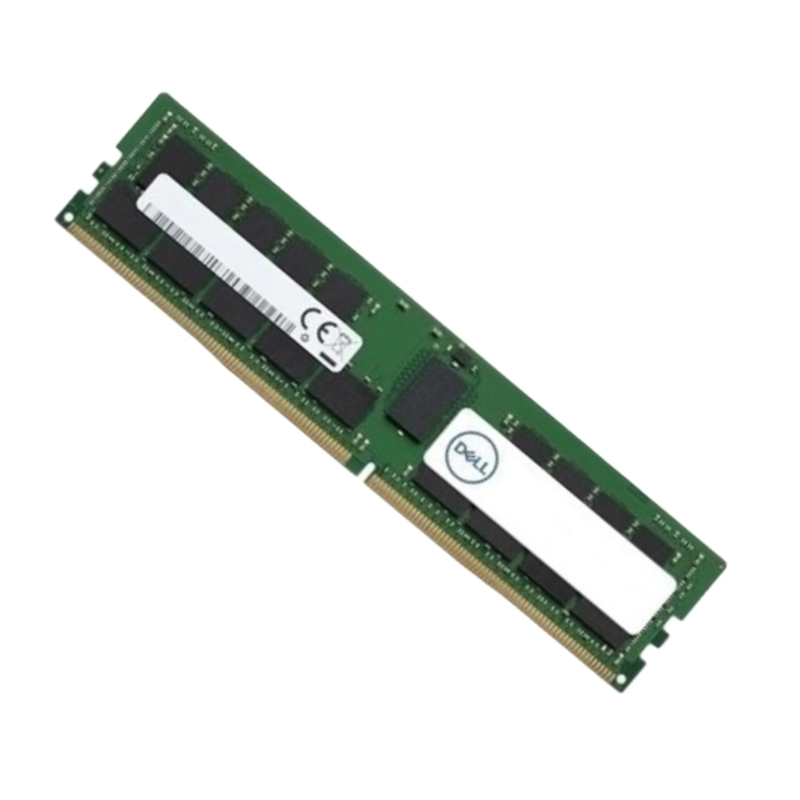
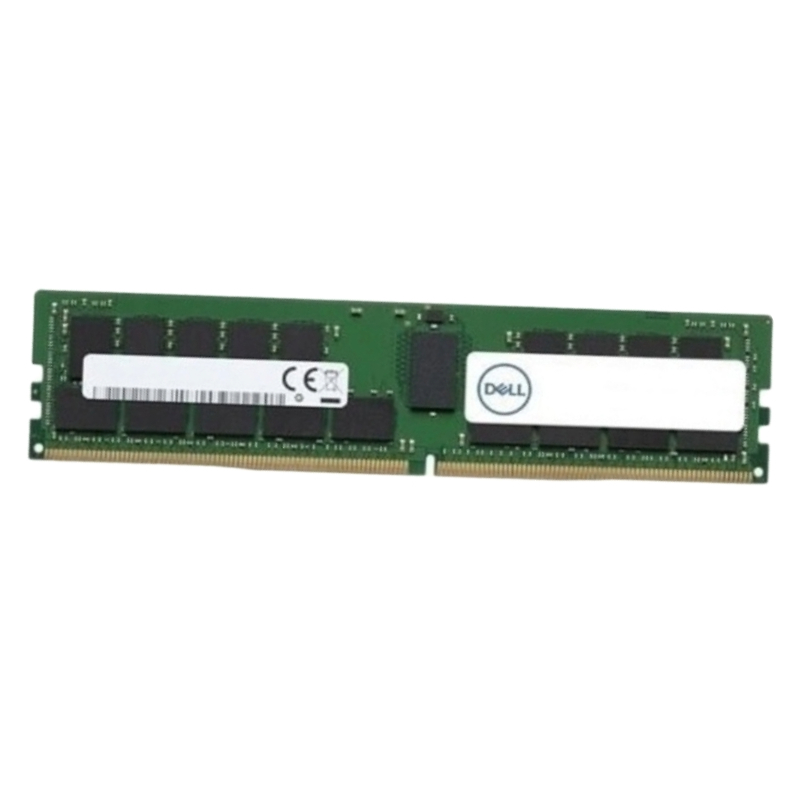
Dell 370-AHHJ 256GB 4800MHz Pc5-38400 Cl40 Ecc Registered 2rx8 1.1v DDR5 SDRAM 288-pin RDIMM Memory Module For Server. New Sealed in Box (NIB) - Samsung Version
The Dell 370-AHHJ 256GB DDR5 RDIMM module represents a purpose-built memory solution for modern servers and data center platforms where capacity, stability, and sustained throughput are critical. As a 256 gigabyte registered DIMM (RDIMM) built to the DDR5-4800 specification, this module is identified by industry-standard nomenclature PC5-38400, which denotes a theoretical peak data transfer rate of 38,400 megabytes per second per module. The module’s timing is nominally CL40, and it supports error-correcting code (ECC) with a registered buffer to provide additional signal integrity and reliability in multi-DIMM server configurations. The 2Rx8 organization indicates a dual-rank x8 architecture that balances density and load for contemporary server memory controllers, while the 288-pin form factor and 1.1-volt operating point align it with the SP5 and other modern server sockets and platforms that accept DDR5 RDIMMs.
Understanding the technical labeling helps buyers and system architects quickly verify compatibility and performance expectations. The “4800MHz” figure refers to the DDR5-4800 transfer rate — often described as 4800 MT/s — which, when combined with the 64-bit data path of a single DIMM channel, results in a theoretical bandwidth described by the PC5-38400 label. To be explicit and precise: 4800 million transfers per second multiplied by 64 bits per transfer equals 307,200 million bits per second; dividing by 8 converts bits to bytes and yields 38,400 million bytes per second, which is conventionally reported as 38,400 MB/s or 38.4 GB/s theoretical peak bandwidth per DIMM. The CL40 figure communicates column access latency normalized to the memory’s clock and reflects DDR5 timing behavior. ECC Registered means the module uses on-DIMM ECC to detect and correct single-bit errors and uses a register (buffer) to reduce electrical load on the memory controller in high-density, multi-DIMM configurations.
Server environments impose unique demands that distinguish them from consumer or desktop use. High-availability services, virtualization hosts, database nodes, and in-memory analytics platforms require predictable behavior under load and must reduce the probability of silent data corruption. ECC provides a layer of protection by detecting and correcting single-bit errors and detecting multi-bit errors, which is essential for data integrity. The registered aspect of RDIMM modules inserts a register between the memory controller and the DRAM chips, which reduces the electrical load and helps maintain signal integrity when multiple high-density DIMMs are populated across channels and slots. The combination of ECC plus registration enables system builders to scale capacity per channel and populate all memory slots while meeting the reliability expectations common in enterprise and colo deployments.
Peak theoretical bandwidth (PC5-38400) provides a useful baseline for comparison across memory options. As specified: DDR5-4800 transfers * 64-bit data path equals 4800 * 64 = 307,200 million bits/s, which divided by 8 equals 38,400 million bytes/s (38,400 MB/s). In practical terms, a single module can supply up to approximately 38.4 GB/s of raw memory bandwidth under idealized conditions. CL40 latency, when compared to lower-clocking higher-latency or higher-clocking lower-latency alternatives, represents a trade-off typical of high-capacity modules: the move to higher capacity and DDR5 architectural changes shifts focus toward throughput per socket while tolerating slightly higher CAS latency numbers relative to DDR4 values.
The 2Rx8 designation signals dual-rank organization with x8 chips. Dual-rank modules often present a performance advantage for certain workloads because the memory controller can interleave accesses between ranks, improving parallelism. However, rank count also increases electrical loading compared to single-rank modules; this is precisely where RDIMM registration pays dividends by buffering address/command signals and allowing more ranks to be populated without compromising signal integrity. When designing capacity and performance targets, architects should weigh the potential latency and load implications against the throughput improvements and the capacity needs that dual-rank modules enable.
Operating at 1.1 volts, DDR5 RDIMMs like the Dell 370-AHHJ are engineered to balance power efficiency with performance. Compared with earlier DDR generations, DDR5 introduces architectural changes that can improve power management and per-bit efficiency. For dense server configurations, module power draw, idle power behavior, and heat dissipation characteristics become important considerations. System designers should ensure proper airflow, consider DIMM placement relative to CPU sockets and other heat-generating components, and verify that chassis cooling and server airflow pathways support sustained operation at high utilization. Because these modules are intended for 24/7 operation in racks and cabinets, passive thermal solutions coupled with effective chassis airflow are typically the norm rather than per-module active cooling.
The 288-pin edge connector is the standardized form factor for modern DDR5 UDIMMs and RDIMMs, and ensures mechanical compatibility with server motherboards and sleds that accept DDR5 memory. When selecting the Dell 370-AHHJ module for a build or upgrade, confirm the server’s vendor documentation to ensure support for registered ECC DDR5 modules of this capacity. Not all platforms accept RDIMMs or all capacities; firmware and BIOS/UEFI level support is essential to ensure proper SPD recognition, training sequences, and platform stability. System firmware updates often expand memory compatibility lists and improve training and stability, so checking platform release notes is recommended when adopting higher-density DDR5 RDIMMs.
Compatibility with server platforms depends on several factors: the memory controller built into the CPU, the server motherboard and BIOS/UEFI firmware, and vendor-validated memory support lists. Registered ECC modules are the common standard in enterprise-class servers, but exact support for 256GB DDR5 RDIMMs requires confirmation against a vendor’s Qualified Vendor List (QVL) or memory compatibility matrix. Differences in supported maximum density per slot, supported rank counts, and qualified memory speeds can vary by CPU model and platform generation.
Large-capacity DDR5 RDIMMs like the Dell 370-AHHJ are targeted at workloads that require abundant main memory per socket. Common use cases include virtualization hosts running dense VM consolidation, large in-memory databases and caching layers, analytics platforms performing large dataset processing in memory, high-performance computing nodes with memory-bound workloads, and persistent memory adjuncts where DRAM capacity is required alongside NVDIMMs. For virtualization, more RAM per host translates directly into greater consolidation ratios and lower overall cost per VM. In analytics and in-memory databases, the ability to fit larger working sets entirely in DRAM reduces I/O wait and multiplies throughput for memory-resident operations.
Capacity planning with 256GB RDIMMs enables high per-socket memory configurations without occupying an excessive number of slots. For example, populating four DIMM slots with 256GB modules yields one terabyte of memory per socket, allowing a single-server node to host large memory footprints with fewer modules than lower-capacity alternatives. While high-density modules typically carry a premium relative to lower-density parts, the total cost of ownership should be evaluated in the context of reduced slot usage, simplified BOMs, and performance benefits such as improved inter-socket data locality and fewer total DIMMs to manage.


 Contact Us
 Information
 Catalog
 Solid State Drives (SSD)
 Network Switches
 Hard Disk Drives
 HBA & Controllers
 PC & Servers
 PC & Server Memory
 CPU & Processors
 Network Routers
 Power Supplies
 Tape Drives & Libraries
 Network Devices
 Computer & Network Cables