(7% discount is applied at checkout)
Cart is empty
Your go-to destination for cutting-edge server products
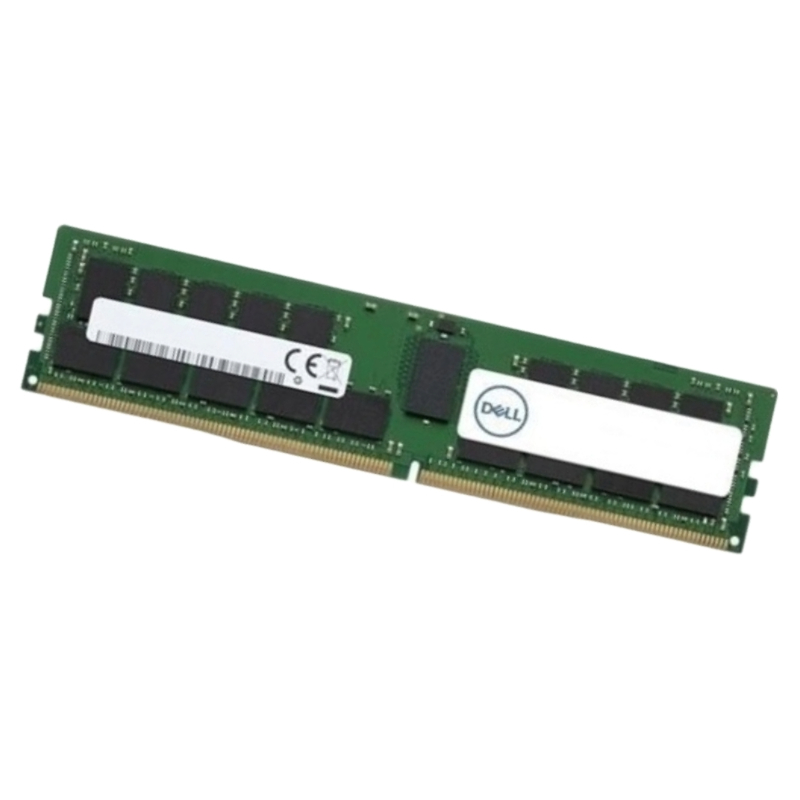


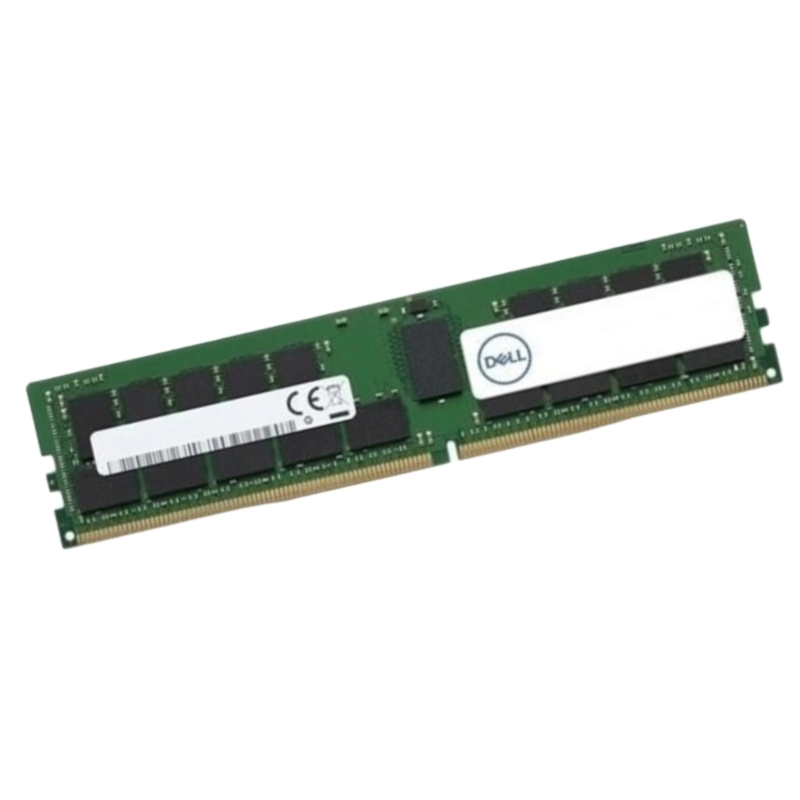
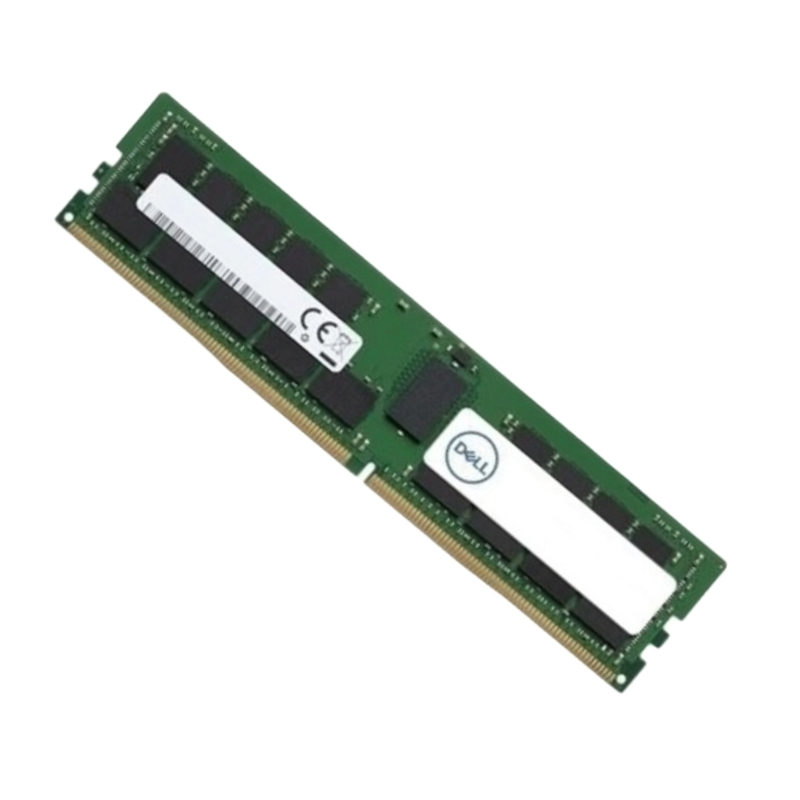
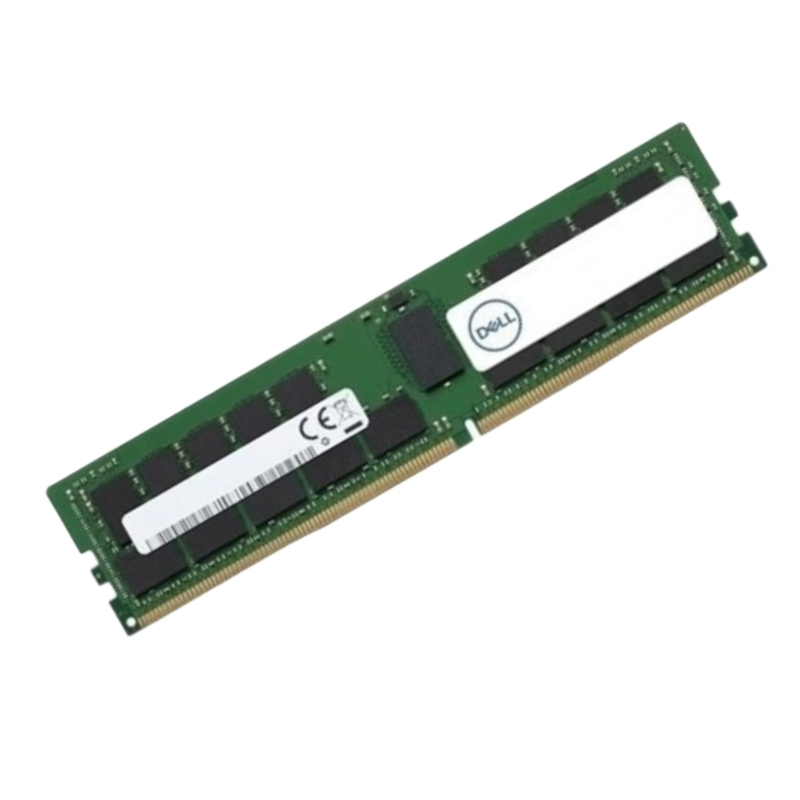
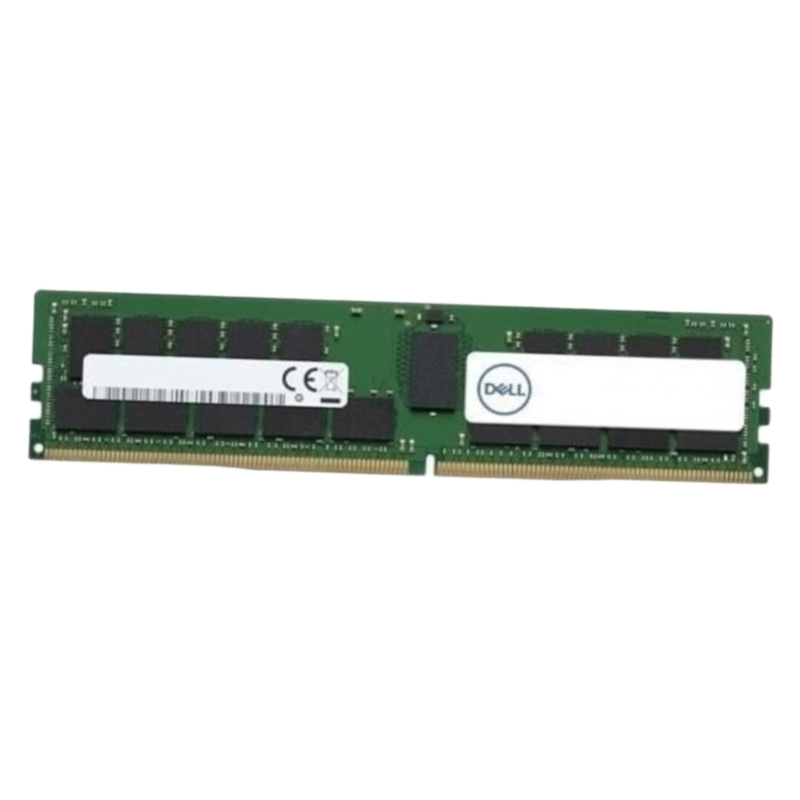
370-AHHN Dell 256GB DDR5 4800MHz PC5-38400 Ecc Registered Dual Rank 1.1v Cl40 SDRAM 288-pin RDIMM Memory Module Bundle For Server. New Sealed in Box (NIB) - Samsung Version
Experience exceptional performance with the Dell 370-AHHN 256GB DDR5 RDIMM, engineered for enterprise-grade systems and demanding workloads.
This memory module is validated for seamless integration with a wide range of Dell PowerEdge and Precision systems:
The Dell 370-AHHN 256GB DDR5 4800MT/s PC5-38400 ECC Registered Dual Rank 1.1v CL40 DDR5 SDRAM 288-Pin RDIMM memory module represents a class of server and workstation memory designed for reliability, scale and sustained throughput in modern data center, virtualization and high-performance computing environments. This category emphasizes high-density modules built to the modern DDR5 standard with ECC registered (RDIMM) architecture, addressing the needs of mission-critical servers, enterprise-grade workstations and specialized compute nodes where data integrity, large memory footprints and multi-socket compatibility are essential.
The 288-pin RDIMM form factor is standardized for 1U/2U and larger rack servers as well as tower workstations that accept full-sized DIMMs. The physical design matches DDR5 pin assignments and mechanical tolerances, ensuring correct seating and signal integrity in compatible DIMM slots. The 256GB density per module is part of a modern shift toward higher single-module capacities that reduce the number of modules required to reach terabyte-scale configurations. This is particularly useful when motherboards or server platforms limit the number of DIMM slots per channel or socket. The RDIMM designation indicates a registered address buffer that offloads memory command and address bus buffering from the memory controller, increasing electrical stability and allowing higher densities and more DIMMs per channel in multi-socket systems.
DDR5 memory introduces architectural shifts that enable higher throughput and improved efficiency compared to previous generations. The 4800MT/s (megatransfers per second) raw data rate, often referenced as PC5-38400 in marketing and technical shorthand, delivers sustained bandwidth improvements for memory-bound workloads. This module’s 4800MT/s speed is a practical baseline for modern DDR5 systems, offering measurable acceleration in memory-intensive tasks such as large-scale databases, in-memory analytics, scientific simulations and real-time rendering on professional workstations. The higher transfer rate reduces the time the CPU or accelerator spends waiting for data, improving overall system throughput for workloads that demand continuous streaming of memory pages.
ECC (Error Correcting Code) Registered memory is a critical feature in servers and professional workstations where silent data corruption is unacceptable. ECC corrects single-bit errors and detects multi-bit errors, preventing data corruption from propagating into applications or long-term storage. The registered (or buffered) component stabilizes the electrical signaling when large numbers of DIMMs are installed, which is vital in high-density configurations that approach the electrical limits of the memory bus. In environments running virtualization, containerized services or distributed databases, ECC Registered RDIMMs provide peace of mind, ensuring computational integrity and preventing costly rollbacks or data recovery operations caused by undetected memory faults.
Dual rank modules contain two sets of memory chips that the memory controller can access in sequence. Compared with single rank alternatives, dual rank modules often provide better effective throughput on platforms that can leverage interleaving across ranks, especially under multi-threaded and multi-core workloads. Dual rank modules can sometimes deliver higher sustained performance by enabling the memory controller to alternate accesses between ranks, reducing idle cycles and improving effective utilization of memory bandwidth. However, rank topology interacts with motherboard and CPU memory channel design; system builders should check platform support, as higher rank counts can affect the maximum number of DIMMs per channel and the achievable memory frequency under certain multi-DIMM configurations.
The CL40 rating identifies the column access latency in DDR5 cycles for this module. At 4800MT/s, a CL40 module provides a balance between lower latency and higher transfer rate, optimizing for workloads that favor bandwidth over absolute single-cycle latencies. The 1.1V operating voltage is part of DDR5’s power efficiencies; reduced operating voltage compared with earlier generations contributes to lower heat generation and improved power efficiency at scale, which is meaningful in large clusters or energy-conscious data centers where aggregate power draw matters for cooling and operational cost.
High-density RDIMMs like the 256GB DDR5 modules can generate measurable heat under sustained heavy memory access. Although DDR5 improves energy efficiency per transferred bit, the aggregate thermal output in fully populated systems needs attention. Server chassis with efficient airflow, properly rated fans and optimized thermal profiles in BIOS/firmware are recommended. System integrators often rely on vendor-validated memory lists and perform thermal validation in rack-level deployments. Ensuring adequate DIMM spacing, avoiding blocked airflow paths and enabling platform-level thermal throttling policies are part of best practices when deploying dense memory configurations in production. Proper case design within workstations and air-cooled server racks helps maintain signal integrity and prolong module lifespans.
Compatibility is a primary selection criterion. Dell-branded modules such as the 370-AHHN are commonly validated against specific Dell server and workstation families, and using vendor-validated memory helps ensure compatibility with platform firmware, memory training routines and vendor support policies. Nevertheless, many datacenter-grade RDIMMs also function on a broad range of Intel and AMD server platforms that support DDR5 RDIMM form factors.
Large virtualized environments and hyperconverged infrastructure where each host runs many virtual machines benefit significantly from 256GB modules because they permit larger total RAM per socket without consuming all DIMM slots. In-memory databases and data analytics platforms — including key-value stores, columnar analytics engines and real-time stream processing — rely on abundant, fast memory to keep working sets in RAM and minimize disk I/O latency. High-performance computing clusters that perform molecular dynamics, finite element analysis or machine learning training also favor high-density, high-throughput memory to feed many cores and accelerators. Professional content creation and 3D rendering workstations that manage massive scene assets and large texture datasets derive tangible benefits in interactivity and render times from the higher memory capacities per module.
When memory is used as a cache layer in front of slower storage tiers, larger RDIMM capacities directly increase cache hit rates and reduce dependence on disk-bound I/O. For database administrators architecting in-memory caching layers or persistent memory hierarchies, 256GB modules allow more of the active dataset to reside in DRAM, reducing latency and improving throughput for read-heavy workloads. In distributed caching systems where memory footprint is a limiting factor for scaling, consolidating memory into fewer, higher-capacity DIMMs simplifies inventory and slot management while retaining performance advantages of DDR5 bandwidth.
Understanding differences between RDIMM, UDIMM and LRDIMM topologies helps select the right memory type. UDIMMs (unbuffered DIMMs) are typical in desktop and consumer-grade workstations but lack the electrical buffering and stability benefits of RDIMMs for high-density, multi-socket server deployments. LRDIMMs (load-reduced DIMMs) employ additional buffering to allow even higher densities and more DIMMs per channel in some scenarios; however, LRDIMM behavior and performance profile differ and may not be supported on all platforms. The Dell 370-AHHN RDIMM strikes a balance between density, performance and platform compatibility for many enterprise workloads, offering predictable behavior and broad platform support where registered memory is the vendor recommendation.


 Contact Us
 Information
 Catalog
 Solid State Drives (SSD)
 Network Switches
 Hard Disk Drives
 HBA & Controllers
 PC & Servers
 PC & Server Memory
 CPU & Processors
 Network Routers
 Power Supplies
 Tape Drives & Libraries
 Network Devices
 Computer & Network Cables