(7% discount is applied at checkout)
Cart is empty
Your go-to destination for cutting-edge server products
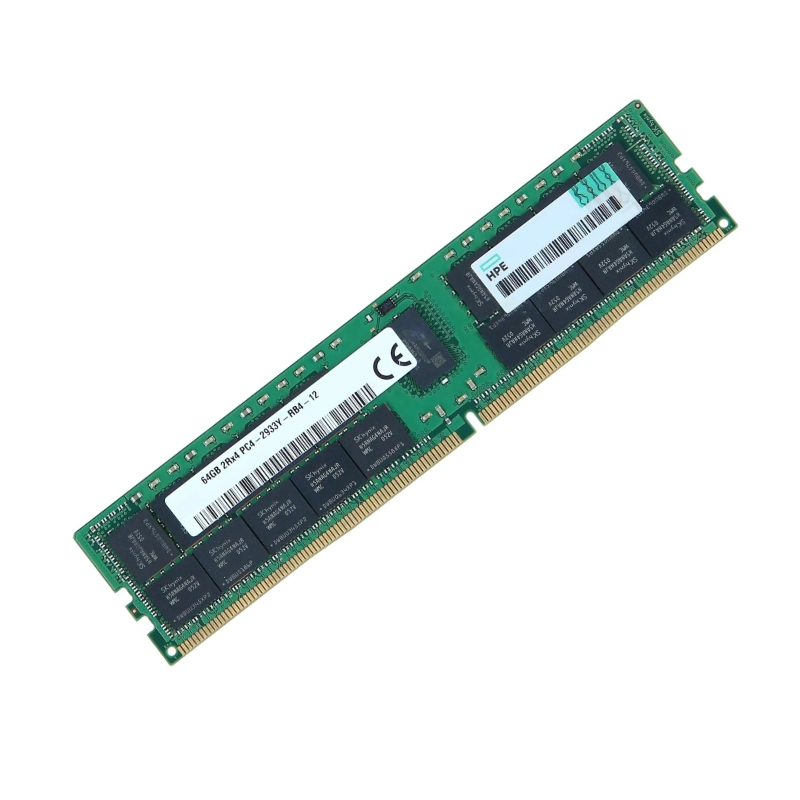


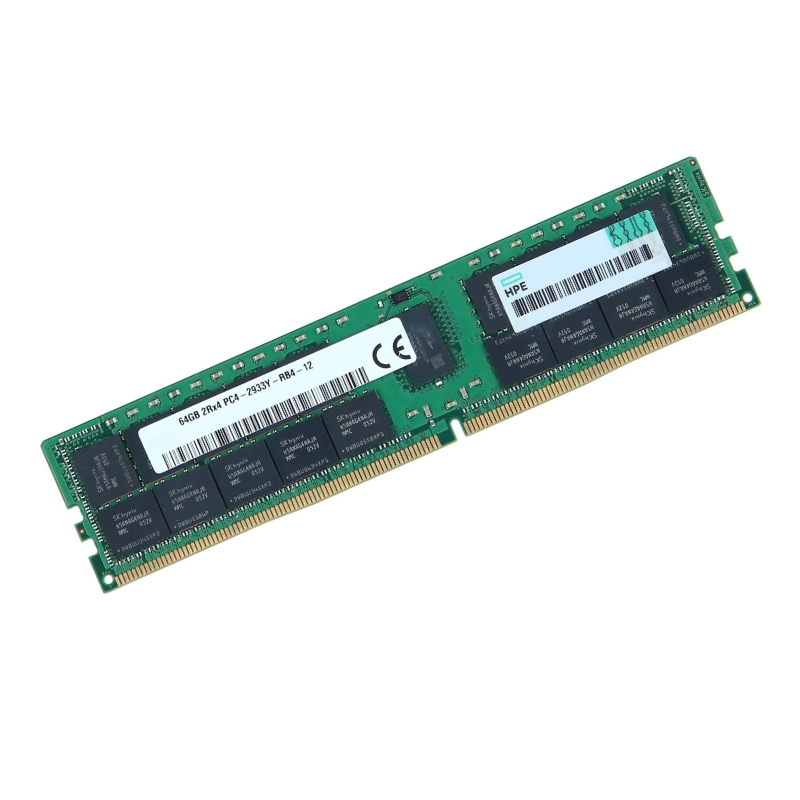
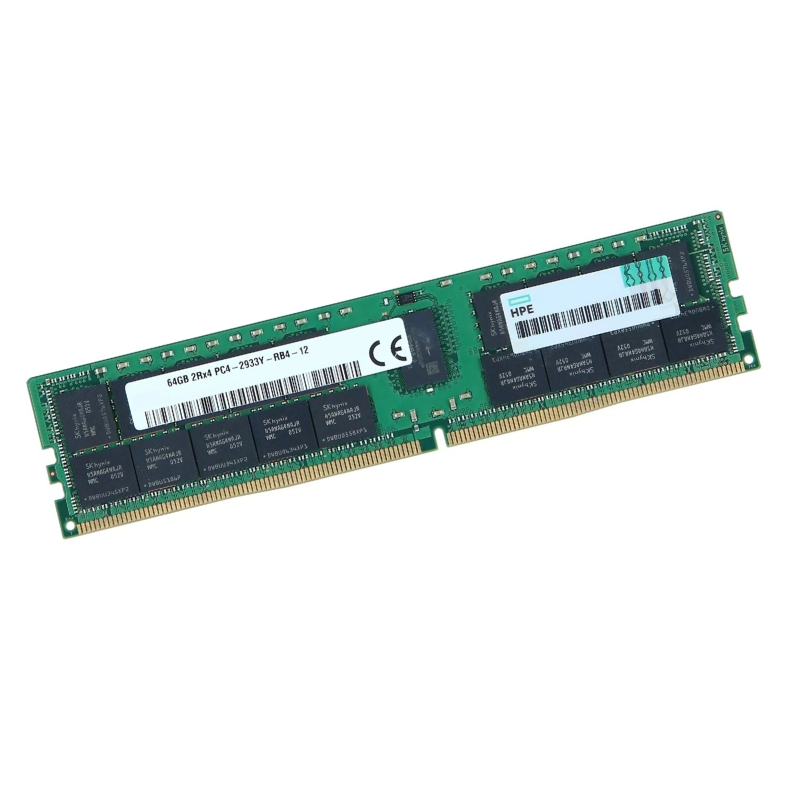
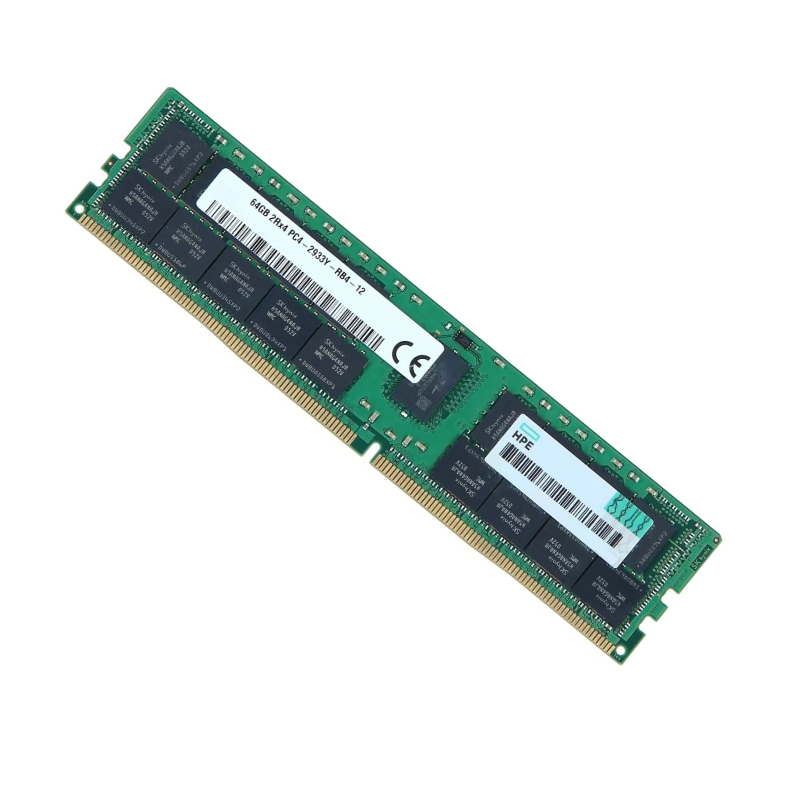
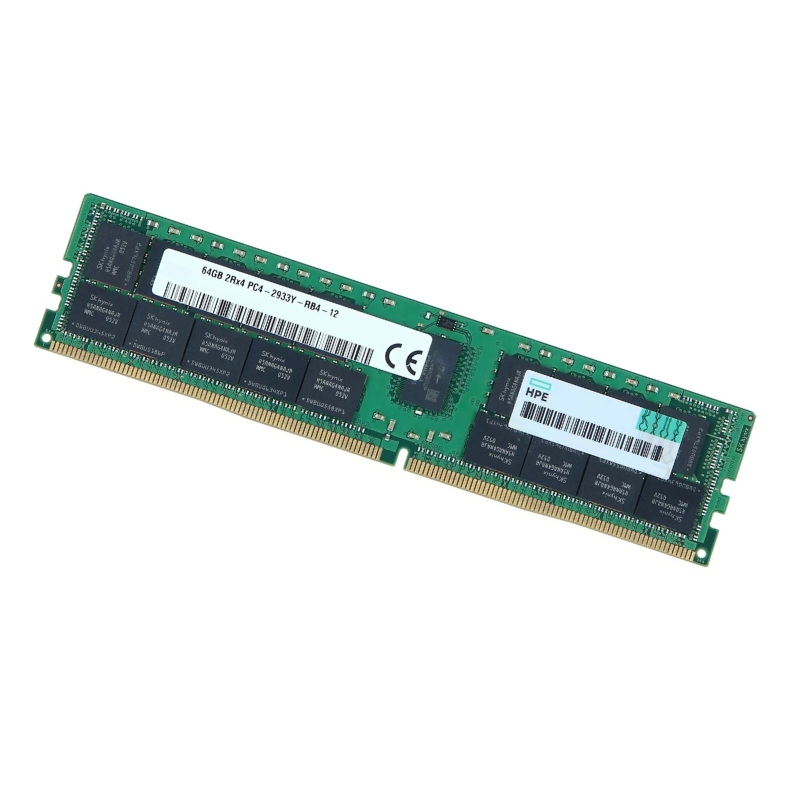
Dell 370-AHIE 256GB 4800MHz PC5-38400 1rx8 Ecc Registered 1.1v Cl40 DDR5 SDRAM 288-pin RDIMM Memory Module Bundle For Server. New Sealed in Box (NIB) - Samsung Version
Enhance your server efficiency with the 256GB DDR5 SDRAM Memory Module Bundle from Dell. Designed to deliver exceptional speed, reliability, and stability, this memory kit is ideal for data-intensive environments and enterprise-level computing.
The Dell 370-AHIE 256GB 4800MHz PC5-38400 1Rx8 ECC Registered 1.1v CL40 DDR5 SDRAM 288-Pin RDIMM Memory Module for Server represents a targeted solution for data centers, enterprise virtualization platforms, high-performance computing clusters, and mission-critical database servers. Engineered to meet rigorous server-grade requirements, this memory module combines high density, advanced error correction, and the performance benefits of DDR5 architecture to deliver reliable throughput for mixed workloads. As IT teams push for greater consolidation and higher VM density per host, a 256GB RDIMM at 4800MHz becomes instrumental in reducing total system cost while preserving headroom for compute and I/O operations.
Key specifications of the 370-AHIE include a 256GB capacity, DDR5 SDRAM technology, a module data rate of 4800MT/s (marketed as 4800MHz), JEDEC-standard PC5-38400 bandwidth, a single-rank by eight organization (1Rx8), ECC Registered buffering, CAS Latency of 40, and a low operating voltage of 1.1 volts. Each element plays a practical role in the memory's behavior inside server platforms. The 256GB capacity allows for large in-memory datasets or many concurrent virtual machines per server. DDR5's architectural improvements over DDR4 — including doubled burst length, improved command/address bus efficiency, and on-die ECC at the DRAM chip level — provide a foundation for higher effective throughput and better reliability. The PC5-38400 rating denotes theoretical peak bandwidth, which translates into higher sustained throughput for memory-bound workloads. ECC Registered functionality means that the module includes register and parity buffers to reduce electrical loading on the memory controller, increasing system stability and enabling support for multiple modules per channel, while true ECC protects against single-bit errors that can otherwise cause data corruption in long-running server processes.
CAS Latency (CL40) at 4800MT/s is part of the tradeoff space for DDR5 memory: higher frequencies often come with larger numerical latency values. The performance profile of a 4800MHz CL40 RDIMM is therefore not simply defined by the CL number alone; effective latency and bandwidth together determine application-level behavior. For databases with large buffer pools, in-memory caches, or analytics workloads that stream data through memory, the PC5-38400 throughput provides measurable reductions in processing time compared with lower-bandwidth modules. For virtualization hosts, higher memory throughput reduces CPU stalls waiting for memory, enabling higher consolidation ratios and smoother VM performance during peak activity. Additionally, memory-intensive HPC tasks benefit from reduced time-to-solution when datasets are resident in high-bandwidth memory pools.
Reliability is central to the value proposition of ECC Registered RDIMM modules. In rack-scale and hyperscale deployments, even rare single-bit errors can propagate through storage and compute pipelines, causing silent data corruption or expensive crash recovery cycles. ECC (Error-Correcting Code) detects and corrects single-bit errors and detects multi-bit errors. The registered (RDIMM) architecture further stabilizes electrical signaling and timing when many DIMMs populate a system bus, making higher densities possible without sacrificing integrity. The Dell 370-AHIE module’s combination of on-module error detection, registered buffering, and adherence to server vendor validation processes ensures compatibility with Dell PowerEdge platforms and many other enterprise server families that require RDIMM form factors.
Operating at 1.1V, DDR5 RDIMMs like the 370-AHIE reduce per-bit energy consumption relative to earlier DDR generations that used higher voltages. Lower voltage contributes to cooler operating temperatures and can reduce fan speeds or allow higher compute densities in constrained rack spaces. However, high-density modules such as 256GB RDIMMs can concentrate heat in a narrow physical area on the motherboard, so correct airflow planning and chassis-level thermal design remain essential. System administrators should consider airflow baffles, proper chassis fan curves, and monitoring of DIMM temperatures to ensure long-term reliability, especially under sustained high memory utilization.
Server memory compatibility is not universal; it depends on motherboard firmware, BIOS memory training routines, and the memory controller capabilities of the server CPU. The Dell 370-AHIE module is produced to align with Dell’s memory part numbering and validation processes, increasing the likelihood of plug-and-play compatibility with supported Dell PowerEdge systems. IT teams must confirm the supported DIMM population rules, maximum per-channel configurations, and BIOS settings for optimal performance. If mixing different densities, ranks, or ECC types, servers will typically downclock to the lowest-common-denominator settings; therefore, deploying matched 370-AHIE modules is the recommended approach when targeting sustained 4800MT/s performance.
The practical usage scenarios for a 256GB DDR5 RDIMM span multiple enterprise workloads. Virtualization hosts benefit from significant memory capacity per socket, enabling more virtual machines or larger container memory allocations without resorting to memory overcommit strategies that risk performance degradation. In-memory databases, such as columnar analytics engines or caching layers like Redis and Memcached, show substantial latency and throughput improvements when they can hold working sets entirely in memory. High-performance compute clusters and simulation environments that rely on large datasets and memory bandwidth find that PC5-38400 modules reduce communication overhead and speed up memory-bound phases of computation.
Extracting the best performance from a 4800MT/s RDIMM involves careful BIOS configuration and an understanding of memory subsystems. Many server platforms include BIOS settings for memory frequency, XMP or vendor-specific performance profiles, channel interleaving, and memory voltage offsets. Default firmware settings prioritize stability and wide compatibility; however, performance-oriented deployments may enable higher frequency modes if supported by CPU and platform. Be cautious when altering timings and voltages: while small adjustments can yield marginal gains, they can also void support or introduce instability if pushed beyond vendor-validated limits. Firmware updates frequently include memory training improvements and bug fixes, so keeping BIOS and BMC firmware current is recommended when deploying new-generation DDR5 modules.
Practical integration tips include maintaining consistent firmware levels across similarly configured hosts, documenting DIMM population patterns in server build guides, and validating workload behavior with load testing prior to production rollout. Use monitoring dashboards to track memory utilization, page swap activity, and corrected ECC events. When planning capacity, allocate headroom for future growth, including potential increases in container density or data retention needs. Consider performance benchmarking with representative traces to understand how memory latency and bandwidth improvements translate into real application gains. Finally, coordinate with storage and network teams to ensure that increasing memory per node is complemented by adequate IO and network throughput to avoid shifting the bottleneck.
RDIMM modules like the Dell 370-AHIE strike a balance between capacity, stability, and cost. Load-Reduced DIMMs (LRDIMM) allow even higher densities by reducing electrical loading further but often at increased cost and with specific platform support requirements. UDIMM (unbuffered DIMM) is common in desktops and non-server platforms and lacks register buffering and may not support ECC or high population counts needed for enterprise servers. The choice between RDIMM and LRDIMM depends on platform memory controller support, the maximum per-socket capacity required, and budget. RDIMM is the default choice for many enterprise servers because it supports robust densities with validated compatibility across a wide range of server families.


 Contact Us
 Information
 Catalog
 Solid State Drives (SSD)
 Network Switches
 Hard Disk Drives
 HBA & Controllers
 PC & Servers
 PC & Server Memory
 CPU & Processors
 Network Routers
 Power Supplies
 Tape Drives & Libraries
 Network Devices
 Computer & Network Cables