(7% discount is applied at checkout)
Cart is empty
Your go-to destination for cutting-edge server products
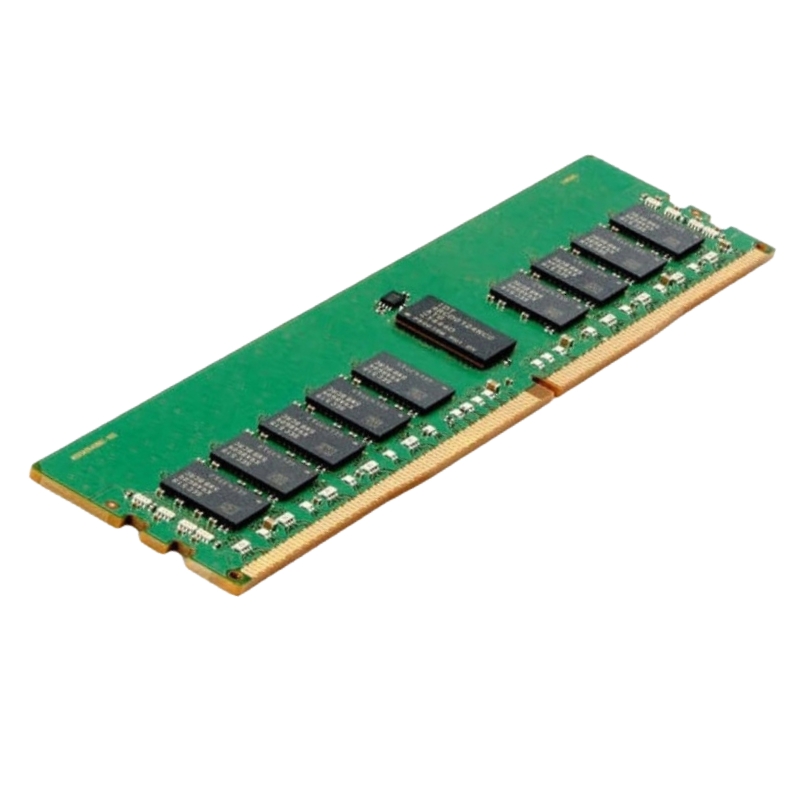


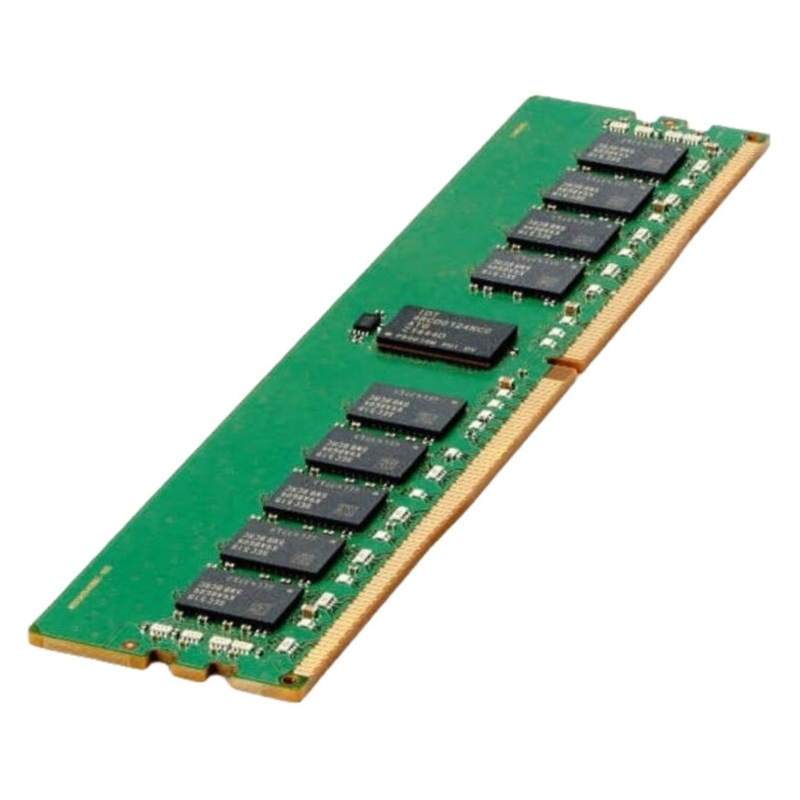
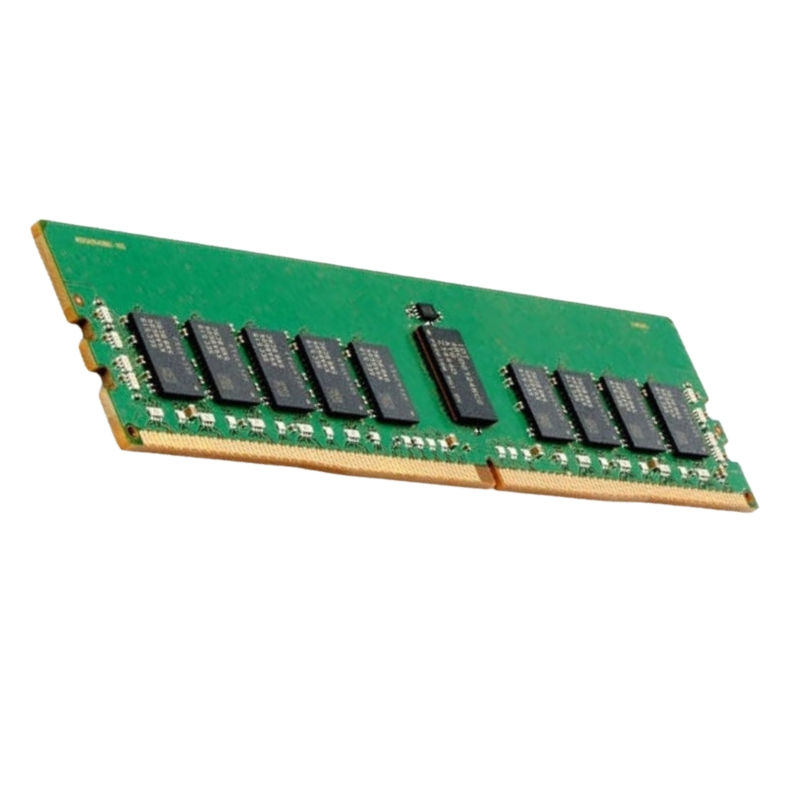
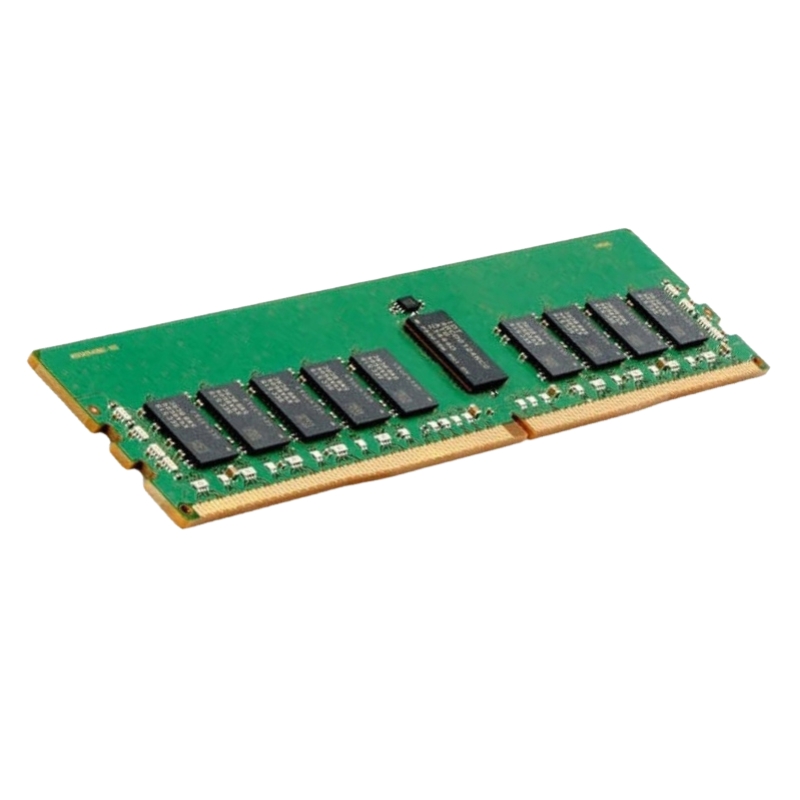
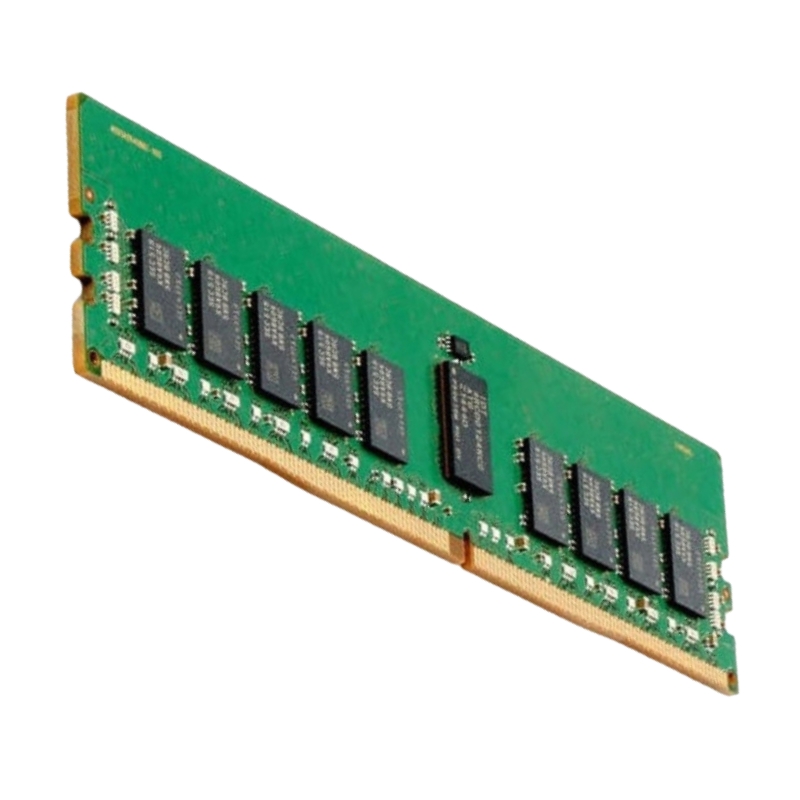
Dell 370-BCQT 16GB DDR5 5600MHz PC5-44800 1rx8 Ecc Registered 1.1v Cl46 SDRAM 288-pin RDIMM Memory Module For Server. New Sealed in Box (NIB) - Samsung Version
The Dell 370-BCQT 16GB DDR5 5600MHz PC5-44800 1Rx8 ECC Registered SDRAM is a high-performance memory module designed to boost data processing speed and reliability in enterprise-level servers. With advanced DDR5 technology and ECC (Error-Correcting Code) support, it ensures maximum system stability and optimized multitasking efficiency.
This DDR5 RDIMM is compatible with a wide range of Dell PowerEdge servers, ensuring reliable integration for high-performance computing environments.
The Dell 370-BCQT represents a significant leap forward in server memory technology, delivering the enhanced performance, reliability, and efficiency demanded by today's enterprise environments. As a 16GB DDR5 ECC Registered RDIMM, this module is engineered specifically for servers requiring robust data integrity and sustained throughput for critical applications.
DDR5 (Double Data Rate 5) is the fifth generation of DDR SDRAM, marking a substantial architectural improvement over its predecessor, DDR4. It is designed to meet the escalating performance requirements of high-performance computing (HPC), artificial intelligence, machine learning, and data-intensive enterprise workloads.
DDR5 doubles the burst length from 8 (BL8) to 16 (BL16) and the prefetch buffer size from 8n to 16n. This fundamental change allows the memory to access larger chunks of data in a single operation, significantly increasing overall bandwidth and efficiency for sequential data access patterns common in server applications.
A revolutionary feature of DDR5 is the inclusion of On-Die ECC. This built-in error correction mechanism operates within the DRAM chip itself, correcting minor bit errors before they can affect the system. This works in tandem with the traditional sideband ECC to provide an unprecedented layer of data protection and reliability.
Each DDR5 DIMM is divided into two independent, 32-bit data width sub-channels. This allows the memory controller to address two separate 32-bit channels simultaneously on a single physical module, improving concurrency and reducing access latency for multi-threaded workloads by enabling more efficient command scheduling.
DDR5 modules integrate a Power Management Integrated Circuit (PMIC) directly onto the DIMM. This decentralizes power delivery, moving it from the motherboard to the memory module itself. The PMIC provides more stable and cleaner power, which is crucial for signal integrity at high speeds and allows for better power efficiency and granular power management.
Understanding the specific type of memory module is critical for server compatibility and performance. The Dell 370-BCQT incorporates several key technologies that define its role in a server environment.
ECC, or Error-Correcting Code memory, is a non-negotiable feature for servers and workstations where data corruption is not an option. It detects and corrects the most common types of internal data corruption.
ECC memory includes extra memory bits and a special memory controller that uses complex algorithms. When data is written to memory, the ECC circuit calculates and stores a code. When the data is read back, the circuit recalculates the code and compares it to the original. If a single-bit error is detected, it is corrected instantly without any impact on system performance. Multi-bit errors are detected and reported to the operating system, preventing corrupted data from propagating through the system.
The "Registered" in the Dell 370-BCQT's description refers to the presence of a register, or buffer, placed between the memory controller and the DRAM chips on the module.
This register buffers the command and address signals, reducing the electrical load on the server's memory controller. By acting as an intermediary, the register allows the system to support a much higher density of memory modules per channel without overburdening the controller. This results in greater stability, higher maximum memory capacity, and the ability to populate all memory slots on a server motherboard reliably.
It's important to distinguish RDIMMs from other types: UDIMMs (Unbuffered DIMMs) lack a register and are typically used in desktops and laptops. They offer lower latency but are limited in capacity and scalability. LRDIMMs (Load-Reduced DIMMs) use a memory buffer (iB) that buffers the data signals as well, further reducing the electrical load and enabling the highest possible capacities and speeds in large-scale systems. The Dell 370-BCQT RDIMM strikes an ideal balance between performance, capacity, and cost for mainstream servers.
A thorough understanding of the module's specifications is essential for proper system integration and performance tuning.
The 16GB capacity is a versatile size, suitable for a wide range of server roles—from virtualized hosts and database servers to file and application servers. It allows for building substantial total system memory when installed in multi-channel configurations across multiple slots.
The module operates at a data rate of 5600 Megatransfers per second (MT/s), often referred to as 5600MHz. This translates to a peak transfer rate of PC5-44800.
The "PC5-44800" designation is derived from the module's bandwidth in megabytes per second (MB/s). For a 64-bit wide channel: 5600 MT/s * 64 bits / 8 bits per byte = 44,800 MB/s. This substantial bandwidth is critical for feeding data-hungry CPUs and reducing processing bottlenecks.
The CAS Latency (CL) of 46 represents the number of clock cycles between a read command being issued and the first piece of data being available. While this number is higher than typical DDR4 timings, it is a characteristic of early DDR5 modules and is offset by the much faster clock speed. The overall absolute latency (in nanoseconds) often remains competitive or improves. The low operating voltage of 1.1V contributes to the module's excellent power efficiency, reducing overall server power consumption and heat output.
The Dell 370-BCQT utilizes a 288-pin layout, which is the standard for DDR5 modules. The pin configuration is physically different from DDR4's 288-pin design, featuring a slightly different notch position to prevent accidental insertion into an incompatible motherboard.
The "1Rx8" designation indicates a Single Rank module with an x8 device organization. A "rank" is a set of DRAM chips that work together to fill the data width of the memory channel (64 bits plus ECC bits). A 1R module has one set of these chips. The "x8" means each individual DRAM chip has an 8-bit wide data interface. This configuration offers a good balance of performance and compatibility, and is generally easier for memory controllers to manage at high speeds compared to higher-rank modules.
The combination of DDR5 speed, ECC protection, and registered stability makes this memory ideal for a multitude of demanding enterprise workloads.
Hypervisors like VMware vSphere and Microsoft Hyper-V are highly sensitive to memory performance and reliability. The high bandwidth of DDR5 allows for greater virtual machine (VM) density and smoother VM operation, while ECC ensures the integrity of the hypervisor and guest OS data.
Applications such as SAP HANA, Oracle Database In-Memory, and Redis reside almost entirely in RAM. The speed of the Dell 370-BCQT directly translates to faster query processing, real-time analytics, and reduced transaction latency, making it a cornerstone for real-time business intelligence.
Scientific simulations, financial modeling, and AI training workloads involve processing massive datasets. The increased bandwidth of DDR5 helps to keep computational units fed with data, reducing idle time and accelerating time-to-results for complex calculations.
For enterprise resource planning (ERP), customer relationship management (CRM), and large-scale SQL databases, system uptime and data accuracy are paramount. The robust ECC and registered design of this memory module provide the foundation for the reliable operation of these business-critical systems.


 Contact Us
 Information
 Catalog
 Solid State Drives (SSD)
 Network Switches
 Hard Disk Drives
 HBA & Controllers
 PC & Servers
 PC & Server Memory
 CPU & Processors
 Network Routers
 Power Supplies
 Tape Drives & Libraries
 Network Devices
 Computer & Network Cables