(7% discount is applied at checkout)
Cart is empty
Your go-to destination for cutting-edge server products
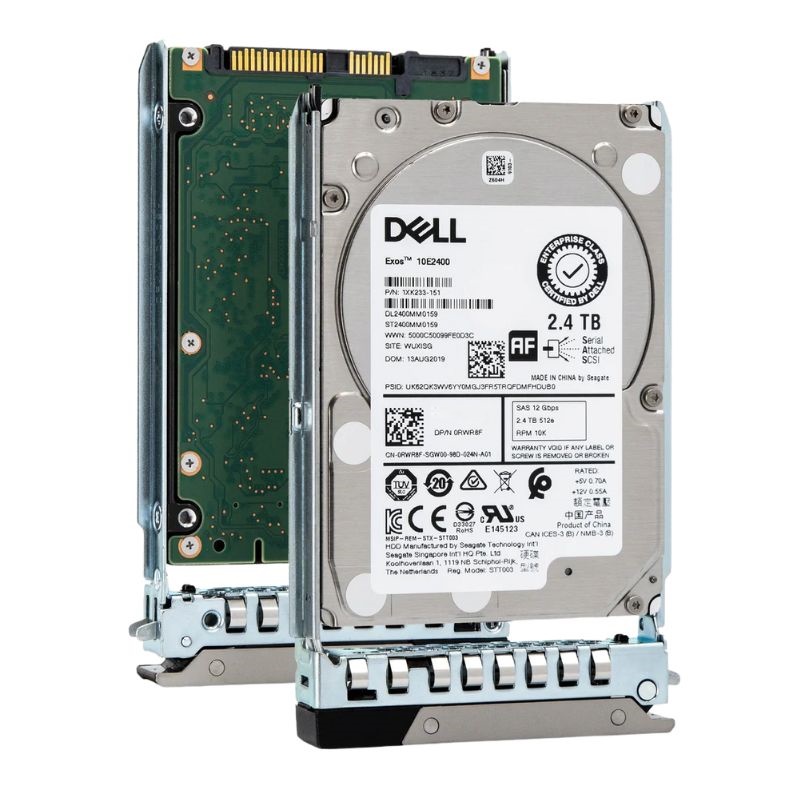


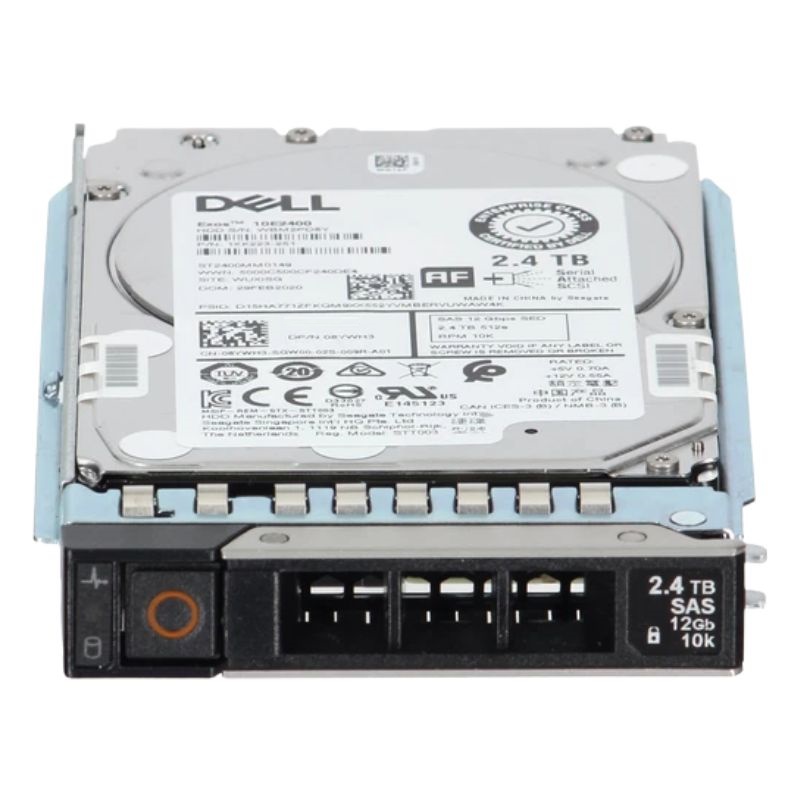
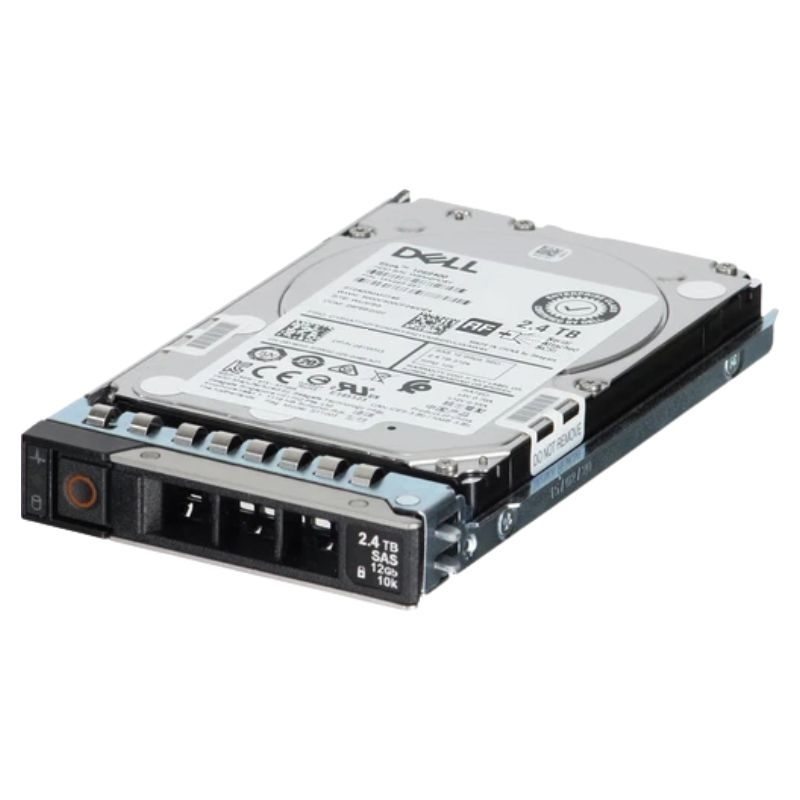
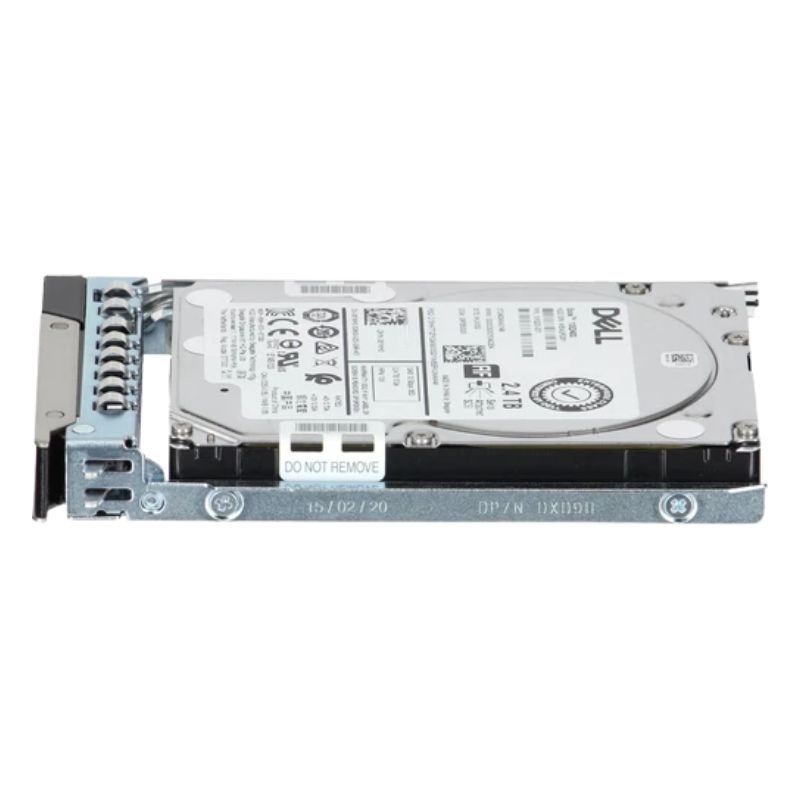
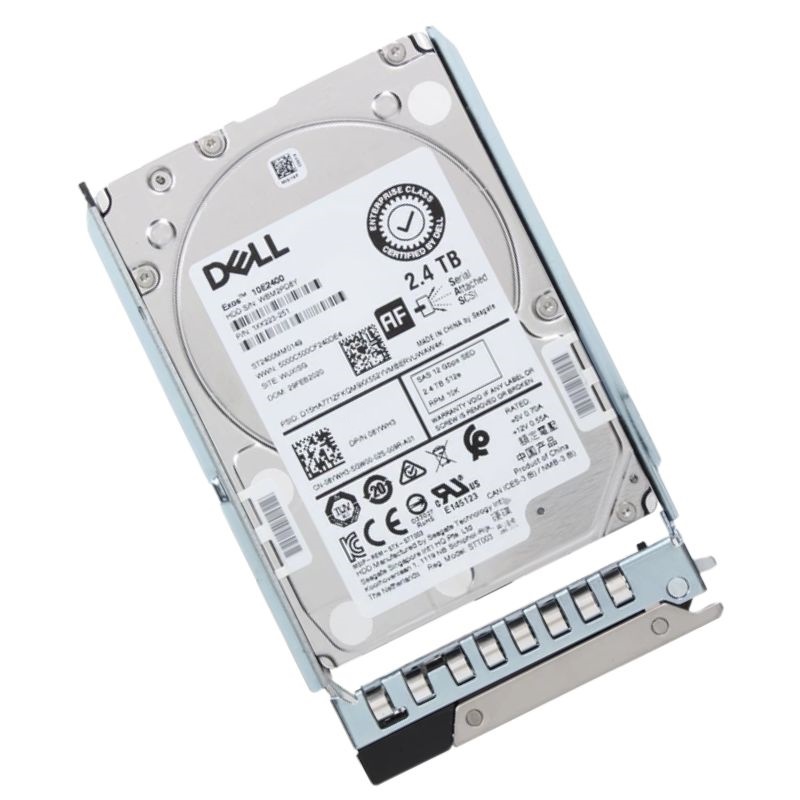
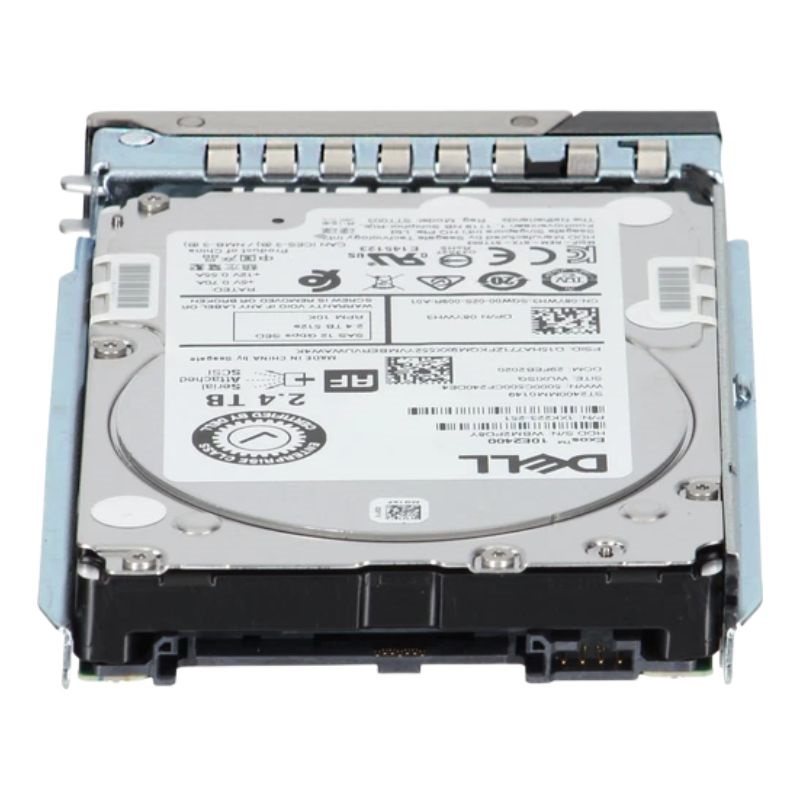
Dell 400-AVBP Hybrid 2.4TB SED 10K RPM SAS-12GBPS 512e 256MB 2.5inch Hard Disk Drive. New Sealed in Box (NIB) with 1-Year Replacement Warranty
The Dell 400-AVBP delivers a substantial 2.4TB storage capacity utilizing advanced hybrid technology. This 2.5-inch form factor drive is engineered for enterprise environments where space efficiency is critical. The compact design allows for high-density storage configurations in rack servers and storage arrays, maximizing storage per square foot in data center environments.
Featuring SAS-12Gbps interface technology, this drive provides maximum data transfer rates of 12 gigabits per second. The Serial Attached SCSI interface ensures full duplex communication, enabling simultaneous read and write operations. This high-speed interface is backward compatible with 6Gbps and 3Gbps SAS environments, ensuring seamless integration into existing infrastructure while providing headroom for future performance requirements.
With a 10,000 RPM rotational speed, the Dell 400-AVBP delivers enterprise-class performance with rapid data access. The high rotational velocity translates to reduced latency and faster seek times, typically achieving average latency of 2.99 milliseconds. This performance level makes the drive suitable for applications requiring frequent data access and high transaction throughput.
The drive incorporates a substantial 256MB cache buffer, which significantly enhances performance by storing frequently accessed data. This large cache memory works in conjunction with the hybrid technology to optimize data flow between the drive and host system. The intelligent caching algorithm predicts data access patterns to pre-load commonly requested information, reducing access latency for improved overall system responsiveness.
The hybrid architecture combines traditional magnetic storage with NAND flash memory, creating a tiered storage solution that automatically moves frequently accessed data to the faster flash layer. This technology delivers performance characteristics approaching those of solid-state drives while maintaining the cost-effectiveness and capacity advantages of traditional hard disk storage. The adaptive learning algorithm continuously optimizes data placement based on access patterns.
Advanced caching algorithms monitor data access frequency and patterns, dynamically adjusting which data resides in the flash cache. This self-optimizing system requires no manual configuration or management, automatically tuning itself to the specific workload characteristics of your environment. The algorithm distinguishes between sequential and random access patterns to apply the most effective caching strategy for each data type.
The hybrid design significantly accelerates read operations by serving frequently requested data from the NAND flash component. This can reduce read latency for cached data by up to 80% compared to traditional hard drives. The performance boost is most noticeable in applications with repetitive data access patterns, such as database operations, virtual machine boot images, and frequently accessed application files.
While primarily optimized for read acceleration, the hybrid technology also enhances write performance through cache buffering and intelligent write strategies. The drive employs a combination of write-back and write-through caching policies based on the nature of the data and current workload, ensuring data integrity while maximizing throughput for write-intensive operations.
The Dell 400-AVBP incorporates a dedicated cryptographic processor that performs AES-256 encryption in real-time without impacting drive performance. This hardware-based approach eliminates the computational overhead typically associated with software-based encryption solutions. The encryption engine operates transparently to the host system, requiring no additional drivers or management software for basic functionality.
The SED implementation supports both native and security key management interoperability protocol (KMIP) compliant key management systems. The drive can be integrated with enterprise key management servers for centralized security policy enforcement and key lifecycle management. This flexibility allows organizations to maintain compliance with data security regulations while simplifying storage administration.
Compliant with Trusted Computing Group Enterprise specifications, the drive provides robust security features including multiple security states, role-based authentication, and comprehensive auditing capabilities. The implementation supports the TCG's storage security subsystems class specification, ensuring interoperability with other compliant systems and management tools.
The integrated encryption capabilities help organizations meet regulatory requirements such as GDPR, HIPAA, PCI-DSS, and SOX by providing protection for data at rest. The instant crypto-erase feature allows for rapid data sanitization during drive decommissioning or repurposing, significantly reducing the time and cost associated with secure data disposal compared to traditional overwrite methods.
The drive employs sophisticated error correction code algorithms capable of detecting and correcting multi-bit errors. This robust ECC implementation works in conjunction with the drive's firmware to identify potential media issues before they impact data integrity. The correction capability extends across both the magnetic storage and NAND flash components, ensuring consistent data protection throughout the hybrid architecture.
Continuous background media scanning proactively identifies and relocates data from potentially failing sectors to reserved spare areas. This preventative maintenance occurs during periods of low activity, ensuring no impact on normal operations. The scanning algorithm prioritizes data based on access patterns and criticality, focusing first on the most frequently accessed regions of the drive.
With an annual workload rating of 550TB per year, the drive is capable of handling substantial data transfer requirements typical of enterprise applications. This rating represents the amount of host writes the drive can sustain while maintaining specified performance and reliability characteristics over its warranty period. The hybrid architecture contributes to this endurance by reducing mechanical wear through intelligent caching of frequently written data.
The drive maintains consistent transfer rates across various workload types, with sustained data rates optimized for both sequential and random access patterns. The performance profile is carefully balanced to prevent thermal overload or mechanical stress during extended periods of high utilization. Thermal monitoring and throttle mechanisms ensure the drive remains within operational specifications even during peak workload conditions.
Power efficiency is optimized for enterprise environments where energy costs contribute significantly to total cost of ownership. The drive implements multiple power states, including active, idle, and standby modes, with automatic transitions based on activity patterns. Typical active power consumption is balanced against performance requirements, while idle power is minimized through aggressive power management of unused components.
The mechanical and electronic design prioritizes efficient heat dissipation to maintain optimal operating temperatures. The compact 2.5-inch form factor presents thermal management challenges that are addressed through careful component placement, thermal interface materials, and airflow optimization. The drive includes temperature monitoring with reporting capabilities to alert system management consoles of potential cooling issues.
The 400-AVBP is validated for use across Dell's enterprise product portfolio, including PowerEdge servers, PowerVault storage systems, and Compellent storage arrays. The drive firmware includes Dell-specific optimizations that enhance performance and reliability when used in these environments. These optimizations include tailored error recovery controls, vibration compensation parameters, and thermal management profiles specific to Dell chassis designs.
When deploying the 400-AVBP in RAID configurations, specific considerations optimize performance and reliability. The drive's error recovery controls should be aligned with RAID controller timeout values to prevent unnecessary drive drops from the array. The hybrid caching technology works most effectively in RAID configurations that distribute workload across multiple drives, with cache contents remaining specific to each drive's data subset.
Different workload types benefit from specific configuration adjustments. For transaction-intensive applications, the drive's cache policy can be optimized for write performance, while read-intensive workloads may benefit from alternative settings. These adjustments can typically be made through host system utilities or drive-specific management tools, allowing administrators to fine-tune performance characteristics for specific application requirements.
The drive delivers sustained data transfer rates optimized for enterprise workloads, with sequential read performance enhanced by the hybrid cache technology. Transfer rates vary based on data patterns and access characteristics, with typical sustained rates reflecting the balance between mechanical performance and electronic acceleration. The SAS-12Gbps interface ensures the internal drive performance is not limited by interface bandwidth.
Random I/O performance benefits significantly from the hybrid architecture, particularly for read-intensive workloads with repetitive access patterns. The solid-state cache reduces seek time for frequently accessed data, improving overall IOPS performance compared to traditional hard drives. Write performance is enhanced through the combination of large buffer memory and optimized write strategies.


 Contact Us
 Information
 Catalog
 Solid State Drives (SSD)
 Network Switches
 Hard Disk Drives
 HBA & Controllers
 PC & Servers
 PC & Server Memory
 CPU & Processors
 Network Routers
 Power Supplies
 Tape Drives & Libraries
 Network Devices
 Computer & Network Cables