(7% discount is applied at checkout)
Cart is empty
Your go-to destination for cutting-edge server products
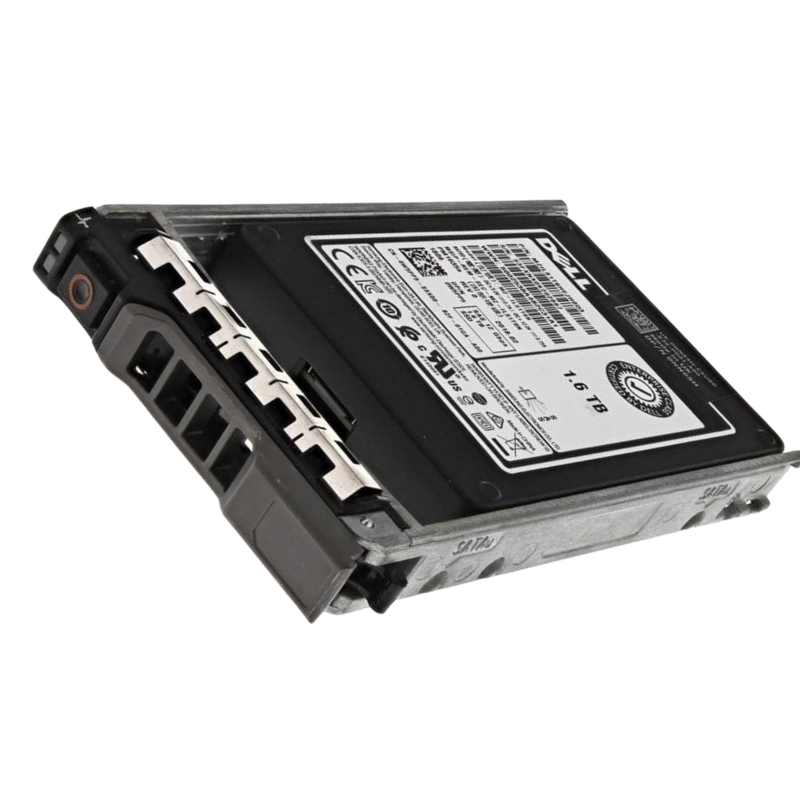


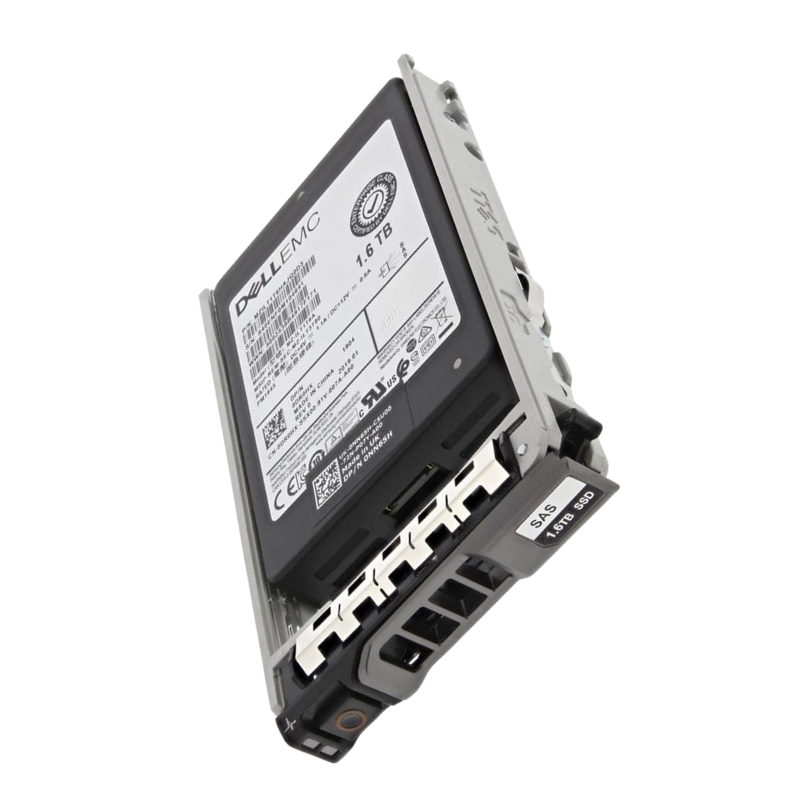
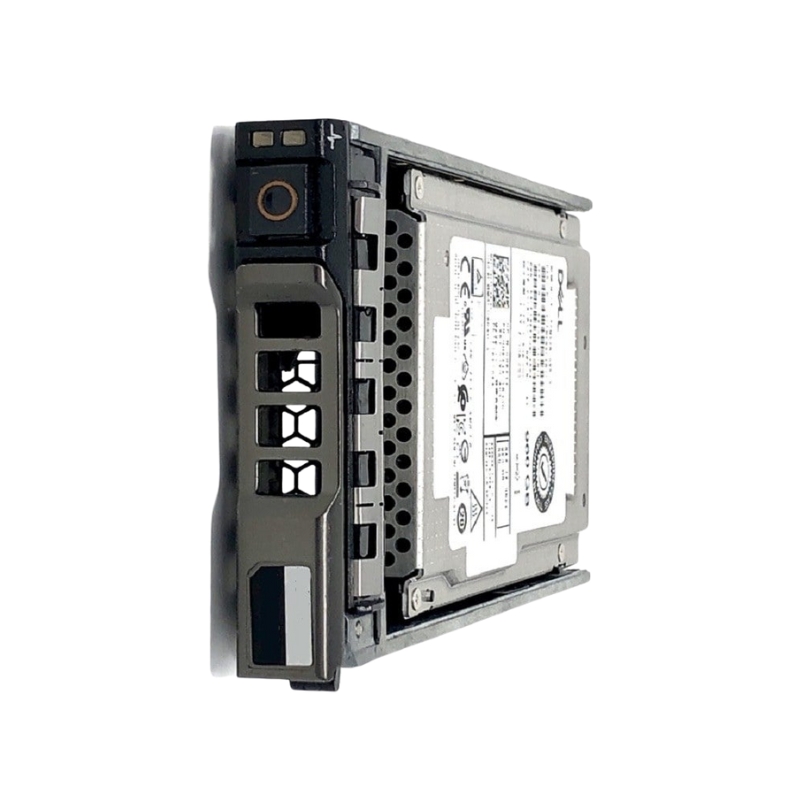
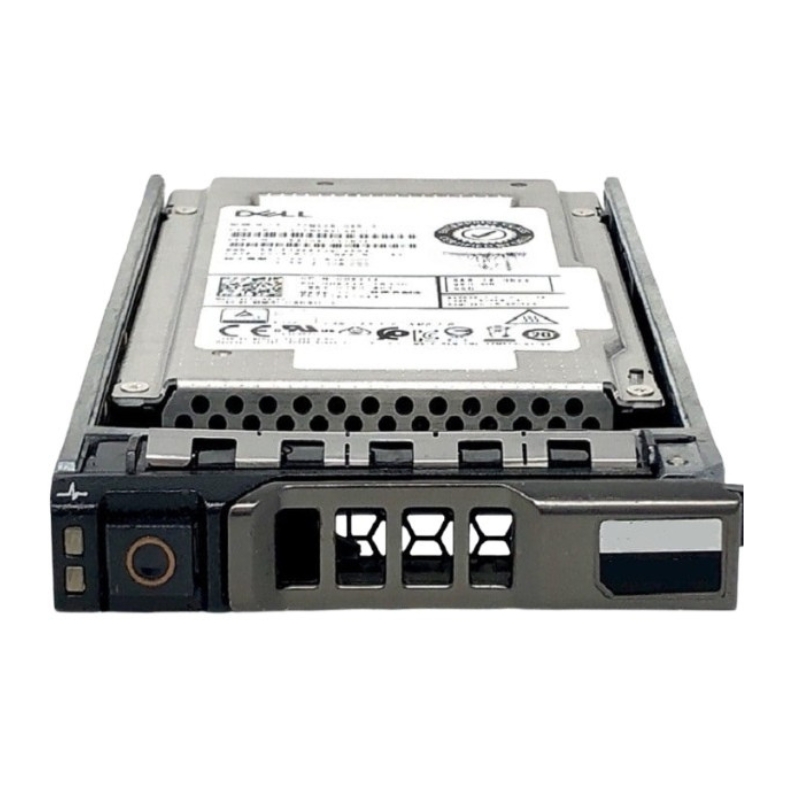
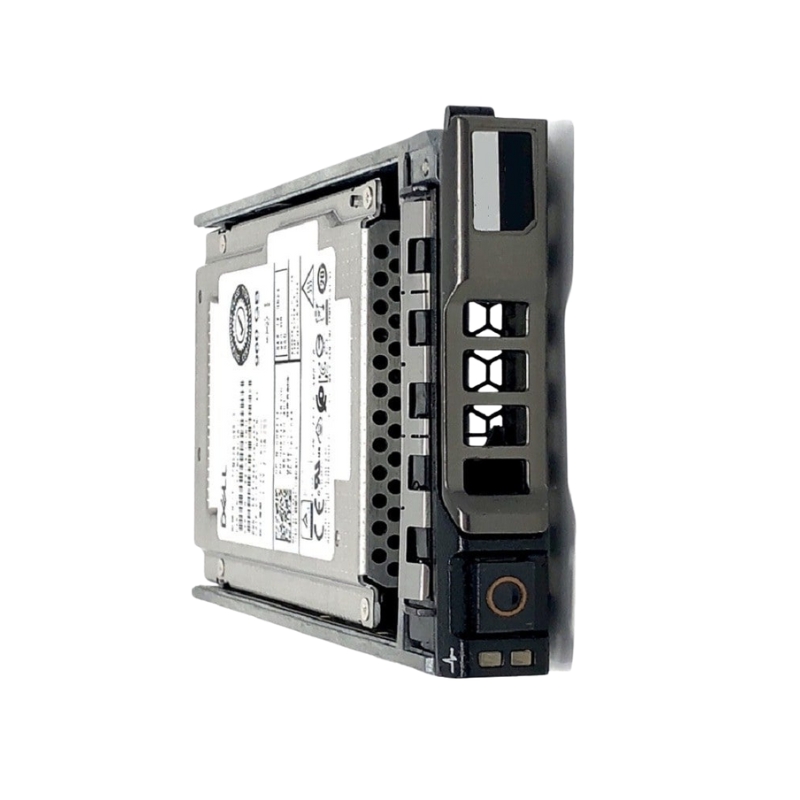
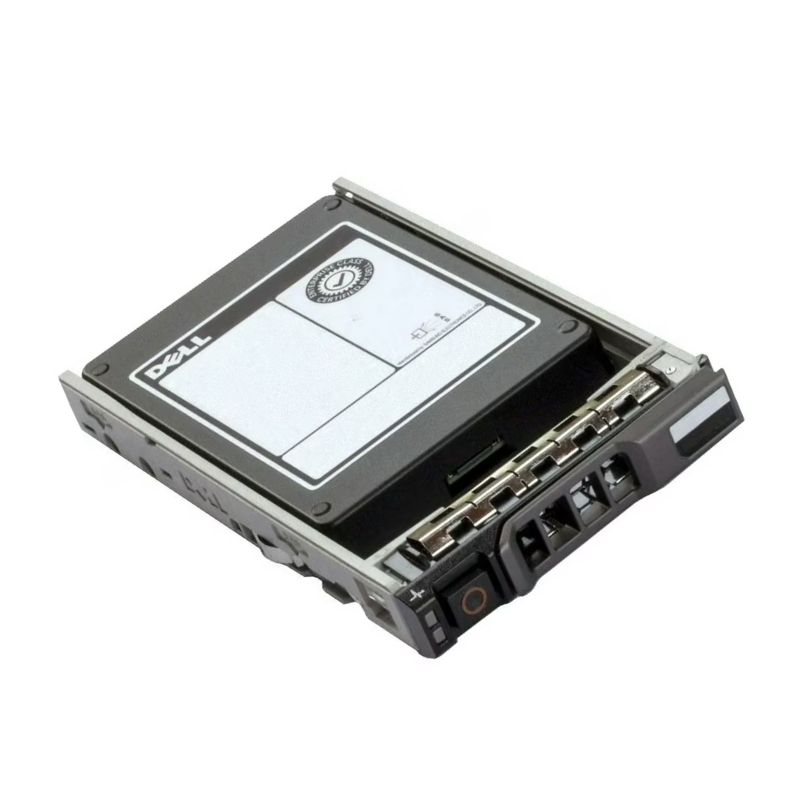
Dell 400-AZGD 1.6TB Mixed Use Tlc SAS 12GBPS 512e Sff Hot-Plug SSD. New Sealed with 1 Year Replacement Warranty
The Dell 400-AZGD 1.6TB Mixed Use TLC SAS 12Gbps 2.5-Inch SFF Hot-Plug Solid State Drive with Tray is a high-performance storage solution designed for enterprise-level workloads. Built with advanced 512e formatting, this drive offers reliability, speed, and flexibility for mixed-use applications in modern data centers.
The Dell 400-AZGD 1.6TB SAS SSD ensures seamless integration with a wide range of Dell PowerEdge rack, tower, and storage systems. Its compatibility provides users with dependable performance across various configurations.
The Dell 400-AZGD represents a specialized category of enterprise storage solutions designed for balanced read/write operations in demanding server environments. Mixed Use SSDs fill the critical gap between Read-Intensive and Write-Intensive drives, offering optimal performance for workloads that require consistent performance across both operations. This 1.6TB capacity model delivers the reliability and endurance needed for enterprise applications without the premium cost of Write-Intensive drives.
The 1.6TB capacity point specifically targets medium-duty enterprise applications including database servers, virtualization hosts, collaborative applications, and medium-sized business critical systems. This capacity provides the optimal balance between storage density and performance consistency for organizations requiring reliable storage without overspending on excessive capacity or endurance.
The 2.5-inch Small Form Factor (SFF) design allows for maximum storage density in rack-mounted servers and storage arrays. This industry-standard form factor ensures compatibility with Dell PowerEdge servers and PowerVault storage systems. The inclusion of a hot-plug compatible tray enables maintenance and replacement without system downtime, crucial for 24/7 operational environments.
The hot-plug capability represents a critical feature for enterprise environments where system uptime is paramount. The included tray ensures proper mounting, alignment, and thermal management within the server chassis. This design facilitates proper airflow across the drive components, maintaining optimal operating temperatures during continuous operation.
The SAS 12Gbps interface provides significant advantages over SATA alternatives, including full-duplex operation, enhanced error recovery, and native support for dual-port configurations. The 12Gbps bandwidth ensures the NAND flash memory operates at its full potential without interface bottlenecks, delivering consistent performance even during peak workload periods.
While NVMe offers higher theoretical bandwidth, SAS 12Gbps remains the interface of choice for many enterprise storage configurations due to its reliability, compatibility with existing infrastructure, and support for longer cable runs. The dual-port capability of SAS provides path redundancy for high-availability configurations, a critical feature for business-critical applications.
The use of Triple-Level Cell (TLC) NAND flash represents the optimal balance between cost, capacity, and endurance for mixed use applications. Advanced controller technology and wear-leveling algorithms extend the practical endurance of TLC NAND to meet enterprise requirements. The 1.6TB capacity provides substantial storage while maintaining the performance consistency demanded by mixed workloads.
Modern TLC NAND, when coupled with sophisticated controllers and enterprise-grade firmware, delivers reliability that meets or exceeds earlier generation MLC drives in many applications. The Dell 400-AZGD implements advanced error correction, read-retry algorithms, and background media management to maintain data integrity throughout the drive's operational life.
The 512e (512 byte emulation) sector format ensures broad compatibility with existing server infrastructure and operating systems. This emulation allows the drive to present itself as a traditional 512-byte sector device while physically operating with 4K sector efficiency. This compatibility eliminates potential migration issues when upgrading from older HDD or SSD technologies.
The Dell 400-AZGD delivers consistent IOPS performance across varied read/write ratios, making it suitable for applications with unpredictable or balanced workload patterns. The drive maintains performance consistency even as the workload shifts between read-dominated and write-dominated operations, a key characteristic of true mixed use design.
Unlike consumer-grade SSDs that may experience significant performance degradation during sustained write operations, the 400-AZGD implements enterprise-level cache management and write acceleration technologies. These features ensure consistent performance during extended write sequences, preventing the performance variability that can impact application responsiveness.
Enterprise storage demands predictable low latency, and the Dell 400-AZGD delivers consistent response times across various queue depths. The drive's quality of service (QoS) characteristics ensure that performance remains within predictable bounds, preventing outlier latency events that can disrupt application performance in multi-tenant environments.
The Dell 400-AZGD boasts enterprise-class reliability metrics with a high MTBF rating and low AFR. These specifications reflect the drive's design for continuous operation in demanding environments. The robust construction and component selection contribute to these reliability figures, ensuring minimal unplanned downtime due to drive failures.
As a mixed use drive, the 400-AZGD offers a TBW rating that supports years of typical enterprise operation. The endurance calculation accounts for the balanced read/write pattern expected in mixed use scenarios, providing organizations with predictable lifespan expectations for capacity planning and refresh cycles.
Advanced error correction capabilities protect against both random bit errors and longer burst errors. The drive implements multiple layers of protection including end-to-end data path protection, power-loss protection, and advanced bad block management. These features work collectively to prevent data corruption and maintain data integrity throughout the drive's operational life.
Enterprise environments require protection against unexpected power events that could compromise data integrity. The Dell 400-AZGD includes comprehensive power-loss protection that ensures data in transit is safely written to non-volatile memory and the drive's metadata remains consistent. This protection extends to both planned and unplanned power disruptions.
The 400-AZGD is designed specifically for optimal performance within Dell's server and storage ecosystem. The drive includes Dell-specific firmware that enables enhanced management through iDRAC and OpenManage systems. This integration provides detailed health monitoring, predictive failure analysis, and seamless integration with Dell's support infrastructure.
Dell provides regular firmware updates that address performance optimizations, security enhancements, and compatibility improvements. These updates are validated through Dell's extensive testing process to ensure stability and reliability in production environments. The update process supports both online and offline methodologies to accommodate various maintenance windows.
While optimized for Dell systems, the 400-AZGD maintains standard SAS interface compatibility with other vendor systems. The drive adheres to T10/T13 SAS standards, ensuring interoperability with SAS controllers from major manufacturers. This standards-based approach provides flexibility for heterogeneous IT environments.
Database workloads typically present a mixed pattern of small random reads and writes with occasional larger sequential operations. The Dell 400-AZGD's performance profile aligns well with these requirements, providing low latency for transaction processing while maintaining throughput for maintenance operations like index rebuilds and backups.
For Online Transaction Processing (OLTP) environments, the drive delivers consistent low-latency performance crucial for application responsiveness. In Online Analytical Processing (OLAP) scenarios, the sustained read performance supports complex query operations. The mixed use design ensures neither workload type overwhelms the drive's capabilities.
Hypervisor environments generate diverse I/O patterns from multiple virtual machines operating simultaneously. The 400-AZGD's quality of service features help prevent "noisy neighbor" scenarios where one VM's storage activity impacts others. The consistent performance profile supports predictable VM performance in multi-tenant configurations.
Virtual Desktop Infrastructure presents particularly challenging storage workloads, especially during boot storms and login events. The mixed use characteristics of the Dell 400-AZGD handle the write-intensive profile of user data and application updates while serving read requests for operating system and application files.
Enterprise collaboration platforms and file services generate balanced workloads that benefit from mixed use design. The 1.6TB capacity provides adequate storage for departmental file shares or medium-sized collaboration environments while delivering the performance needed for concurrent user access.
In single-server implementations, the Dell 400-AZGD serves as primary storage for applications requiring consistent performance. The 1.6TB capacity typically provides sufficient storage for the operating system, applications, and associated data while delivering the I/O performance needed for responsive application performance.
When used as a boot drive, the SSD provides fast system startup and responsive operation. The mixed use endurance ensures the drive can handle both the read-intensive boot process and the write-intensive system updates and logging operations without premature wear-out.
In larger storage arrays, multiple 400-AZGD drives can be configured in RAID groups to provide both capacity and performance scaling. The consistent performance characteristics across the drive population ensure predictable array performance without hotspots caused by varying drive performance.
For optimal balance between capacity efficiency and data protection, RAID 5 or RAID 6 configurations are typically recommended. These RAID levels leverage the strong read performance of SSDs while providing protection against drive failures. The consistent write performance helps minimize the write penalty associated with these parity-based RAID levels.
Read-Intensive SSDs offer higher cost efficiency for predominantly read-oriented workloads but may experience accelerated wear in environments with significant write activity. The Mixed Use category provides better write endurance and consistent write performance, making it suitable for more balanced workloads without the cost premium of Write-Intensive drives.
The decision between Read-Intensive and Mixed Use SSDs typically depends on the write percentage of the workload. As a general guideline, workloads with write percentages above 20-30% typically benefit from Mixed Use design, while more read-heavy workloads can utilize Read-Intensive drives for better cost efficiency.
Write-Intensive SSDs offer the highest endurance for write-heavy applications but command a significant price premium. The Mixed Use category provides substantial cost savings for workloads that don't require the extreme write endurance of Write-Intensive drives but still need better write performance than Read-Intensive models can provide.
The Total Cost of Ownership calculation for Mixed Use drives often shows advantages for balanced workloads when considering both acquisition cost and operational lifespan. The 1.6TB capacity point represents a sweet spot in the price/performance curve for many medium-duty enterprise applications.
Compared to traditional hard drives, the Dell 400-AZGD SSD offers significantly lower power consumption, contributing to reduced operational costs and improved power efficiency in dense server configurations. The power efficiency translates to reduced heat output and lower cooling requirements in data center environments.
The SSD maintains low power consumption during both active operation and idle periods. Advanced power management features allow the drive to transition between power states based on I/O activity, further optimizing energy usage without impacting performance when I/O resumes.
The 2.5-inch form factor and solid-state design generate less heat than traditional hard drives. However, proper airflow remains important for maintaining optimal performance and longevity. The drive includes thermal monitoring and throttling capabilities to prevent overheating during extreme environmental conditions.
The SAS interface continues to evolve with ongoing support in the enterprise storage ecosystem. The 12Gbps SAS interface provides sufficient bandwidth for current NAND flash technologies while maintaining backward compatibility with earlier 6Gbps SAS infrastructure.
While NVMe represents the future of high-performance storage, SAS remains relevant for many enterprise applications due to its maturity, reliability, and ecosystem support. The Dell 400-AZGD provides a solid storage foundation that can coexist with NVMe technologies in hybrid storage architectures.
Dell maintains an ongoing firmware development program that provides performance enhancements and new features throughout the product lifecycle. These updates ensure the drive remains compatible with new server platforms and operating environments while addressing emerging security considerations.


 Contact Us
 Information
 Catalog
 Solid State Drives (SSD)
 Network Switches
 Hard Disk Drives
 HBA & Controllers
 PC & Servers
 PC & Server Memory
 CPU & Processors
 Network Routers
 Power Supplies
 Tape Drives & Libraries
 Network Devices
 Computer & Network Cables