(7% discount is applied at checkout)
Cart is empty
Your go-to destination for cutting-edge server products
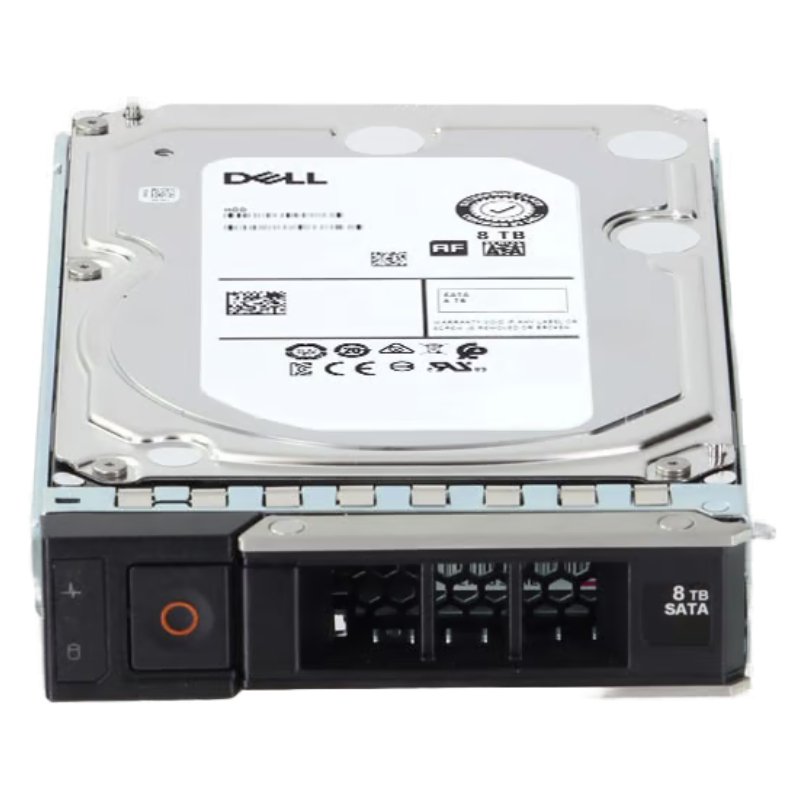


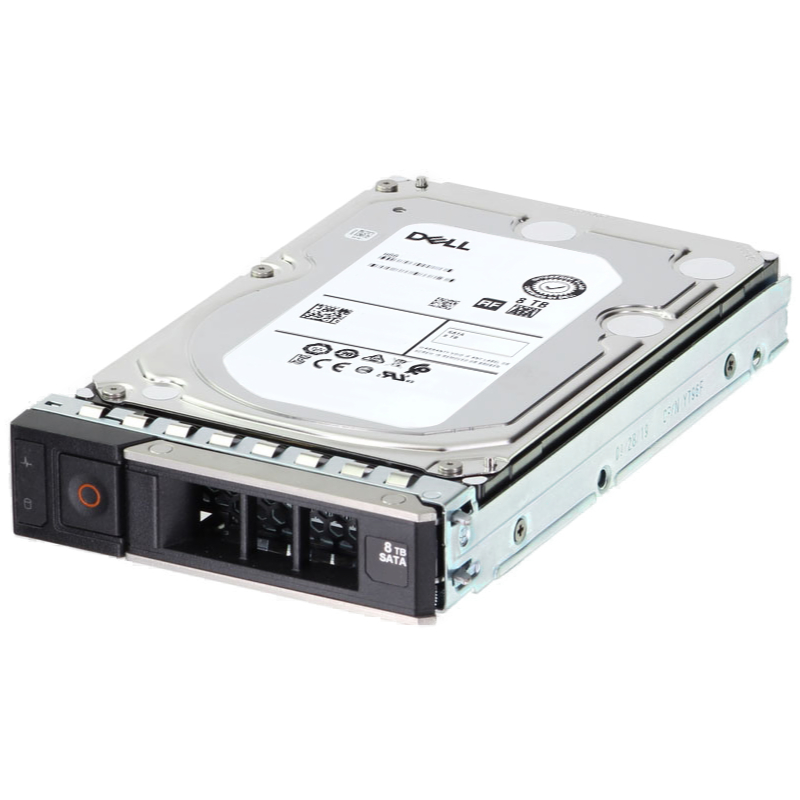
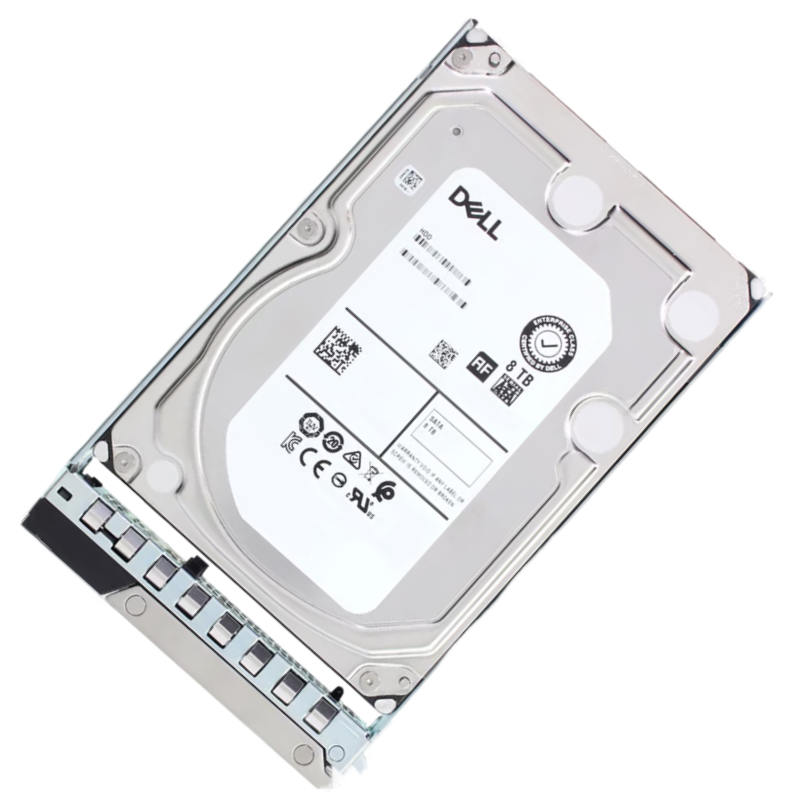
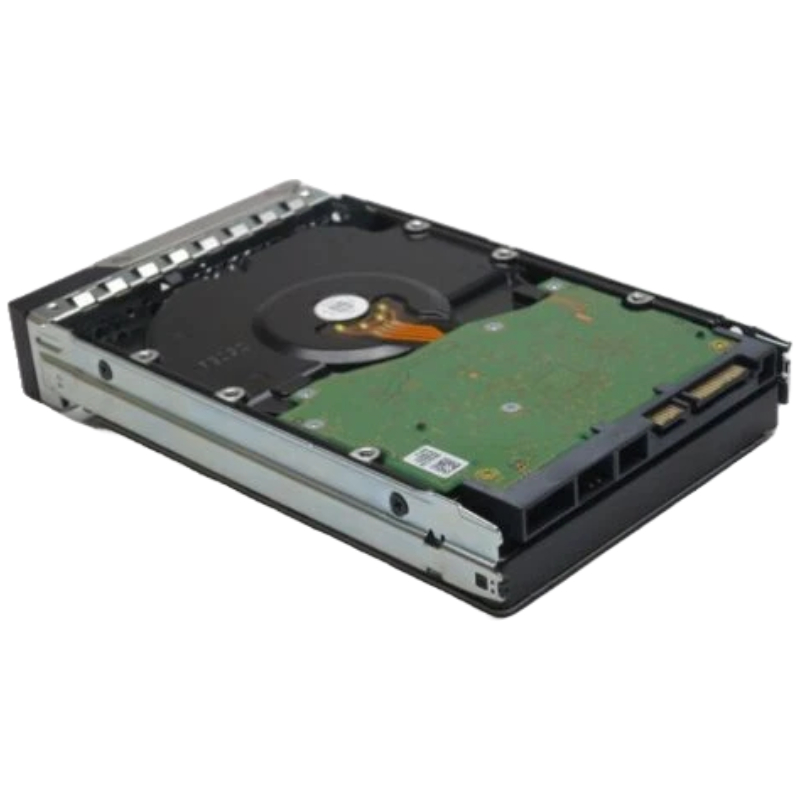
Dell 400-BJEH 8TB 7.2K RPM SATA-6GBPS 512E 3.5inch Hard Drive With Tray For 14G Poweredge Server. New Sealed in Box (NIB) with 1 Year Warranty
The Dell 400-BJEH 8TB SATA hard drive is designed for enterprise-level storage environments, offering dependable performance, hot-plug functionality, and large capacity for seamless integration into modern server infrastructures.
The Dell 400-BJEH 8TB 7.2K RPM SATA-6Gbps 512e 3.5-inch Hard Drive category represents a highly optimized class of enterprise storage solutions designed for large-scale data environments, demanding server infrastructures, and business-critical storage applications. This category focuses on delivering stable, high-capacity, and cost-efficient storage performance for enterprise servers, data centers, and cloud-based systems that require consistent throughput and long-term reliability. Built on the SATA 6Gbps interface, these drives are engineered to support compatibility across a wide range of Dell PowerEdge servers while ensuring seamless integration into existing storage architectures without requiring extensive hardware modifications.
The 7,200 RPM spindle speed defines the balance between performance and capacity efficiency within this category. Unlike high-performance SAS or NVMe drives, the Dell 400-BJEH series prioritizes steady data access and reliability over extreme input/output operations per second. This makes it particularly suitable for archival storage, backup repositories, and data-intensive workloads where consistent read/write operations are more critical than ultra-low latency transactions. The mechanical design is reinforced to minimize vibration and thermal fluctuations, ensuring long operational lifespans even in densely populated server environments.
The SATA 6Gbps interface plays a crucial role in maintaining compatibility and affordability within enterprise storage systems. This interface allows the Dell 400-BJEH drives to deliver reliable data transfer speeds suitable for enterprise workloads while ensuring broad interoperability with legacy systems. The SATA architecture also supports simplified deployment, enabling IT administrators to scale storage infrastructure without introducing complexity associated with more advanced interfaces such as NVMe or SAS dual-port configurations.
The 512e sector format used in this category represents an important evolution in hard drive data structuring. By emulating 512-byte sectors while internally operating on larger physical sector sizes, these drives achieve improved error correction, better storage efficiency, and enhanced compatibility with older operating systems and applications. This hybrid approach allows organizations to modernize storage infrastructure without disrupting legacy software ecosystems.
The 8TB storage capacity of the Dell 400-BJEH series is engineered to support growing data requirements in enterprise environments where scalability is essential. Modern organizations generate vast amounts of structured and unstructured data, and this category addresses that challenge by providing high-density storage that reduces physical rack space usage while increasing total storage availability per server chassis. This capacity is particularly beneficial for virtualization environments, big data analytics platforms, and cloud storage nodes where storage consolidation is a priority.
By integrating high-capacity 8TB drives, enterprises can significantly reduce the number of physical drives required to achieve large-scale storage targets. This leads to improved power efficiency, reduced cooling demands, and simplified storage management. The Dell 400-BJEH category is therefore widely used in environments where infrastructure optimization and operational cost reduction are key objectives. These drives enable IT departments to consolidate data more effectively while maintaining predictable performance characteristics across workloads.
When deployed in multi-drive server arrays, the Dell 400-BJEH series offers scalable storage expansion that aligns with enterprise growth strategies. These drives are often integrated into RAID configurations to enhance redundancy, improve fault tolerance, and ensure continuous data availability. The consistent performance characteristics of 7.2K RPM drives make them ideal for balanced RAID arrays where predictable latency and throughput are required across multiple disks.
Performance in the Dell 400-BJEH category is engineered around sustained throughput rather than burst performance. This makes it ideal for sequential read and write operations commonly found in backup systems, media storage servers, and archival data repositories. The SATA 6Gbps interface ensures that data transfer remains stable even under continuous load conditions, preventing bottlenecks in environments where multiple users or applications access shared storage resources simultaneously.
Enterprise storage systems require drives that can operate continuously under heavy workloads, and the Dell 400-BJEH category is designed precisely for such scenarios. These drives incorporate advanced error recovery mechanisms and firmware-level optimizations that reduce the risk of data corruption and improve overall system stability. The mechanical design is reinforced to withstand extended operational cycles, making them suitable for 24/7 data center environments.
Thermal regulation plays a critical role in maintaining consistent drive performance. The Dell 400-BJEH series is engineered to operate within controlled temperature thresholds, ensuring that heat buildup does not impact data integrity or mechanical reliability. Efficient heat dissipation allows these drives to maintain consistent performance even in densely packed server enclosures where airflow may be limited.
The Dell 400-BJEH 8TB hard drive category is specifically optimized for integration with Dell PowerEdge server platforms. This ensures compatibility with firmware, backplane configurations, and RAID controllers commonly used in enterprise deployments. The plug-and-play nature of these drives simplifies installation and reduces downtime during system upgrades or storage expansion projects.
Flexibility is a key advantage of this storage category, allowing it to be deployed in a variety of configurations including direct-attached storage, network-attached storage, and storage area networks. This adaptability ensures that organizations can utilize the same drive architecture across multiple deployment models, reducing complexity in procurement and maintenance processes.
One of the most important aspects of the 512e format used in this category is its ability to bridge the gap between legacy systems and modern storage infrastructure. This ensures that organizations can upgrade storage capacity without requiring a complete overhaul of existing hardware or software systems. The backward compatibility reduces migration risks and simplifies long-term infrastructure planning.
Data integrity is a core focus in the design of the Dell 400-BJEH category. These drives incorporate advanced error correction technologies that detect and resolve data inconsistencies during read and write operations. This ensures that critical business data remains protected against corruption, even in high-usage environments where data access frequency is high.
In enterprise server racks where multiple hard drives operate in close proximity, vibration can significantly impact performance and longevity. The Dell 400-BJEH category is designed with vibration resistance mechanisms that stabilize internal components and reduce the impact of mechanical interference. This is particularly important in RAID arrays where multiple drives operate simultaneously under heavy workloads.
The Dell 400-BJEH 8TB category is widely used in backup infrastructures where large volumes of data must be stored securely for long durations. Its high capacity and stable performance make it ideal for nightly backup operations, disaster recovery systems, and archival storage repositories where data retention is critical.
Cloud service providers rely on high-capacity drives to support distributed storage systems. The Dell 400-BJEH category provides the scalability and reliability required to support cloud-based applications, ensuring that data remains accessible across geographically distributed data centers.
In virtualized environments, storage performance plays a crucial role in maintaining system responsiveness. These drives support virtual machine storage requirements by delivering consistent read/write performance across multiple virtual workloads, making them suitable for enterprise virtualization clusters.
In modern data centers, space optimization is a critical factor. The Dell 400-BJEH category enables high-density storage deployment within standard server racks, allowing organizations to maximize storage per square foot of data center space. This contributes to improved infrastructure efficiency and better resource utilization.
Standardization of storage components simplifies maintenance and reduces operational complexity. By using consistent drive models across multiple systems, IT teams can streamline inventory management, replacement procedures, and system upgrades, resulting in improved operational efficiency.
Predictability is essential in enterprise storage systems. The Dell 400-BJEH category provides consistent performance across multiple deployments, ensuring that scaling storage infrastructure does not introduce variability in system behavior or application performance.


 Contact Us
 Information
 Catalog
 Solid State Drives (SSD)
 Network Switches
 Hard Disk Drives
 HBA & Controllers
 PC & Servers
 PC & Server Memory
 CPU & Processors
 Network Routers
 Power Supplies
 Tape Drives & Libraries
 Network Devices
 Computer & Network Cables