(7% discount is applied at checkout)
Cart is empty
Your go-to destination for cutting-edge server products
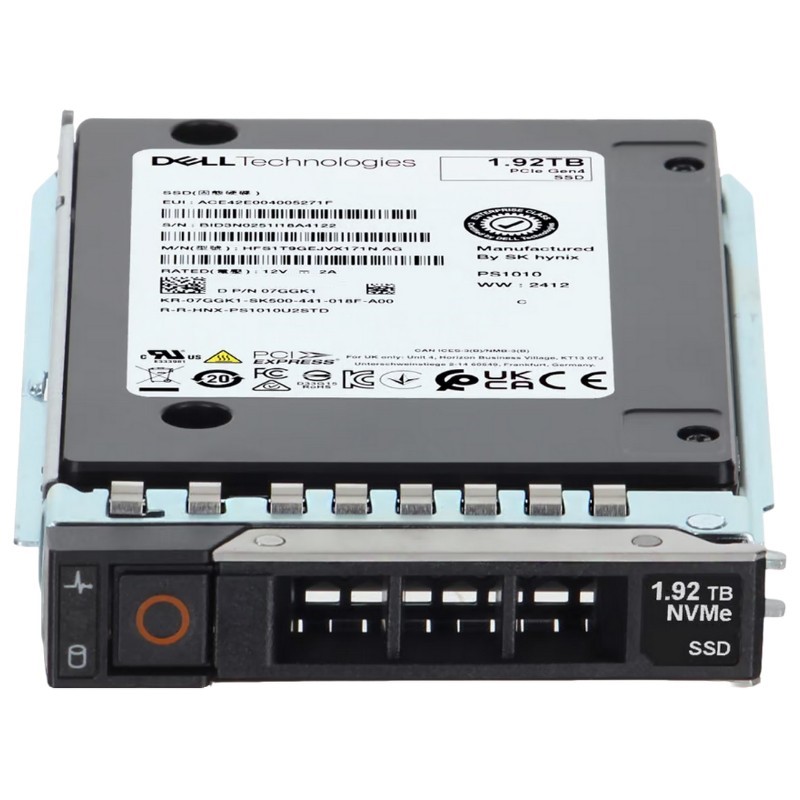


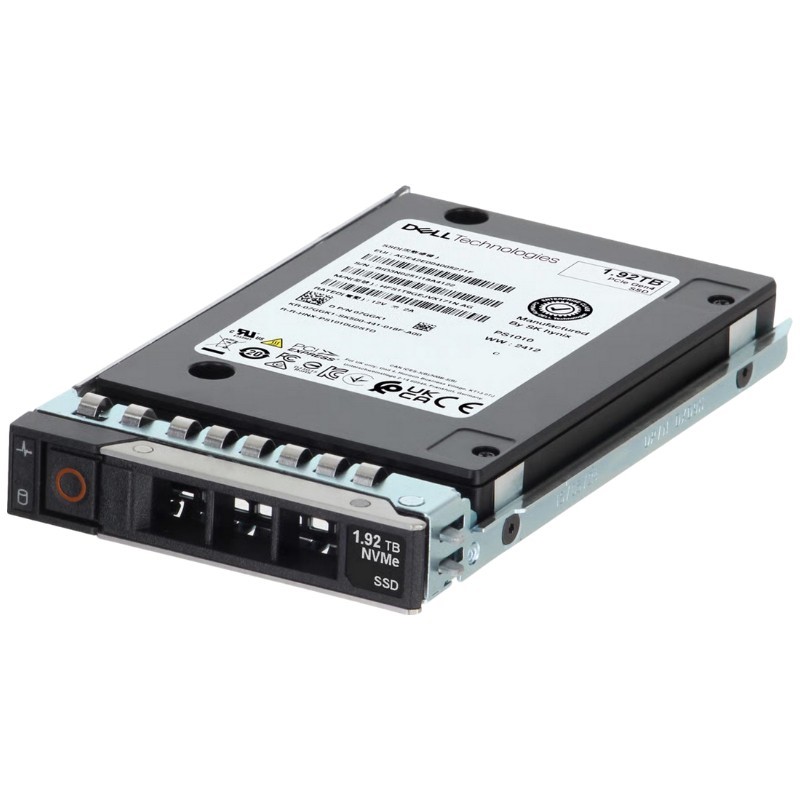
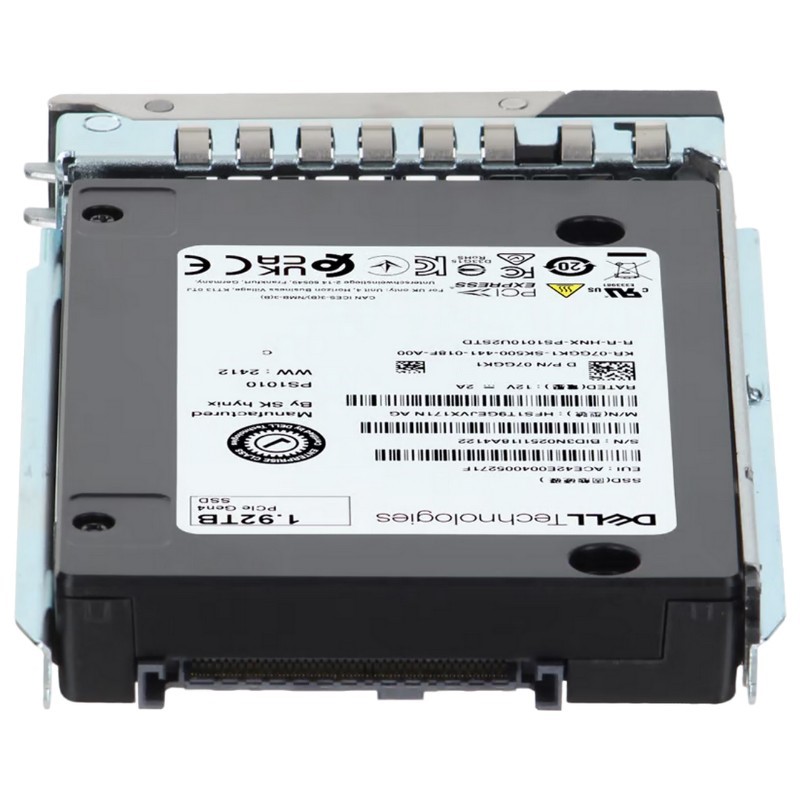
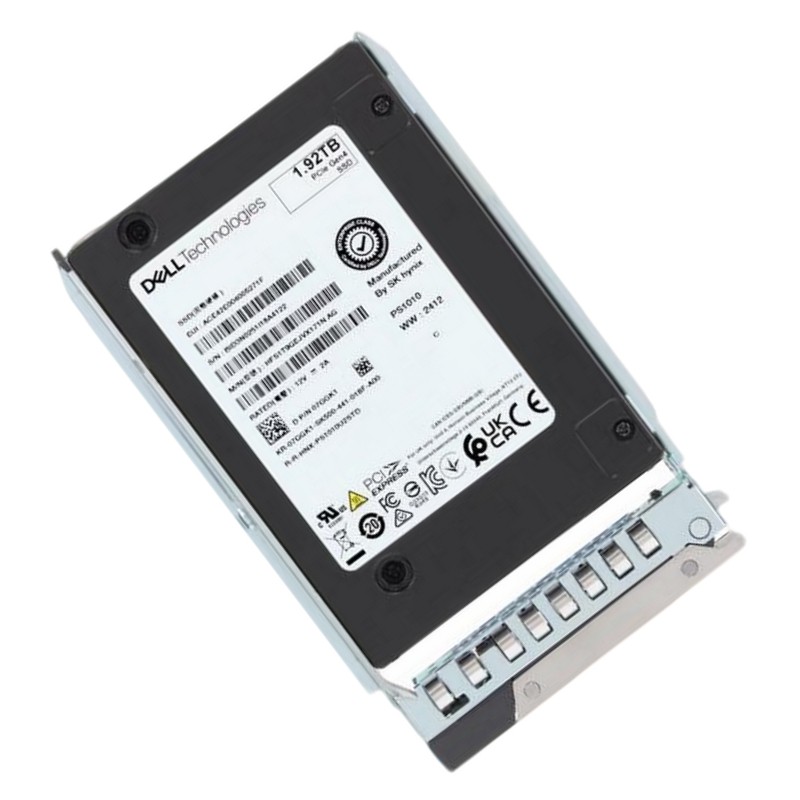
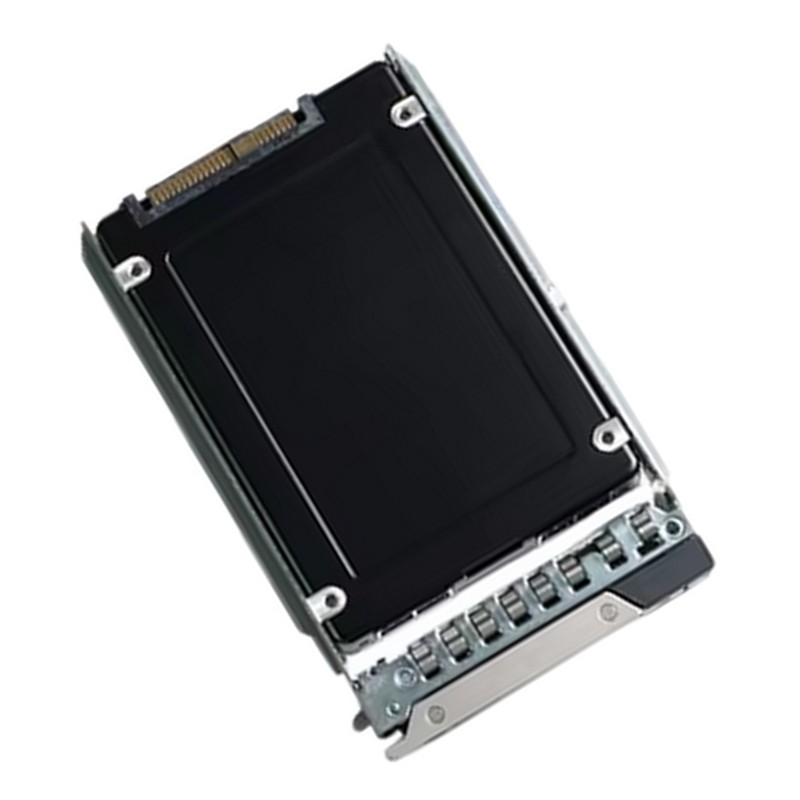
Dell 400-BLIT 1.92TB PCI-E NVMe Gen4 Read Intensive SFF Enterprise Solid State Drive. Excellent Refurbished with 1 year replacement warranty
This robust PCI Express Gen4 solid state drive is engineered for demanding server environments, delivering exceptional reliability and speed for data-intensive applications.
Designed For Data Centers And Enterprise Storage Architects, The 400-BLIT Dell 1.92TB PCI-E NVMe Gen4 Read Intensive SFF Enterprise Solid State Drive Represents A Focused Balance Between High Read Throughput, Consistent Low Latency, And Cost-Effective Endurance. This Category Captures A Class Of Small Form Factor (SFF) NVMe Drives Engineered Specifically For Read-Dominant Workloads Such As Content Delivery, Caching, Database Indexing, And Virtual Desktop Infrastructure (VDI). The Drives In This Category Offer The Scalability, Reliability, And Manageability Required By Modern Server And Storage Platforms While Remaining Optimized For Read-Intensive Operating Profiles.
The NVMe Gen4 Interface Delivers A Substantial Increase In Bandwidth Compared To Previous Generations, Allowing The 400-BLIT 1.92TB Drives To Make Full Use Of PCI-Express Gen4 X4 Lanes. The Small Form Factor (SFF) Design Maximizes Rack Density And Facilitates Integration Into 1U And 2U Servers, Blade Platforms, And Specialized Storage Arrays That Accept SFF NVMe Modules. Enterprise Customers Benefit From The Gen4 Performance Uplift When Running Throughput-Sensitive Applications, Especially When Multiple Devices Are Deployed In RAID Or Software-Defined Storage Configurations.
At The Heart Of Each Drive Is A High-Performance Controller Tuned For Read-Centric Workloads, Coupled With Enterprise-Class 3D NAND That Provides The Right Balance Of Density, Performance, And Longevity For Read-Intensive Use Cases. The Firmware Is Purpose-Built To Prioritize Read Throughput, QoS, And Predictable Latency — Handling Tasks Like Wear Leveling, Error Correction, And Power Loss Protection. Firmware Maturity And Update Policies Are Critical For Data Centers, Since Regular Firmware Updates Often Improve Compatibility, Performance Tuning, And Drive Health Features.
The 1.92TB Capacity Positioned In This Category Is Tailored To Workloads That Need High Read Bandwidth And Moderate Write Activity. Typical Performance Characteristics Include High Steady-State Read IOPS, Elevated Sequential Read MB/s Leveraging Gen4 Bandwidth, And Consistent 99th-Percentile Latency Metrics. Because These Drives Are Read-Intensive, Manufacturers Optimize Internal Resource Allocation To Favor Read Cache Behavior, Wear Management That Assumes Lower Write Amplification, And Extended Data Retention Under Read-Heavy Conditions.
For CDN Edge Nodes And Cache Appliances, The 400-BLIT 1.92TB SFF NVMe Drives Offer The Fast Random And Sequential Read Performance Needed To Serve High Volumes Of Static Assets, Streaming Segments, And Frequently Accessed Content. The Small Form Factor Enables Dense Edge Appliances Where Space And Power Are Constrained. Administrators Typically Deploy These Drives As The Primary Read Tier For Hot Content While Offloading Writes And Cold Storage To Higher-Endurance Media.
Read Replicas For Relational And NoSQL Databases, As Well As Analytic Engines Running Index-Heavy Queries, Benefit From The Drive’s Ability To Deliver Low Read Latency At Scale. When Operating As Read Replicas, These Drives Reduce Query Response Times, Improve Cache Hit Rates, And Optimize Resource Use On The Primary Storage Tier. Their Consistent QoS Characteristics Help Ensure Predictable Application SLAs.
VDI Pools And Virtualization Hosts Often Exhibit Bursty Read Patterns As Multiple Virtual Machines Boot, Access Shared Images, Or Hit Common Files. The 400-BLIT Drives Are Suitable For Hosting Read-Intensive VDI Golden Images, Shared Template Stores, And Read-Heavy Virtual Disk Payloads. Their Gen4 Bandwidth And Efficient Read Pathing Result In Faster User Login Times And More Responsive Desktop Sessions When Compared To Traditional SATA SSDs.
Read-Intensive Drives Typically Carry Endurance Ratings Expressed In Drive Writes Per Day (DWPD) Or Terabytes Written (TBW) Tailored To Lower Write Workloads. For The 1.92TB 400-BLIT Class, Endurance Figures Are Optimized For Enterprise Read-Dominant Patterns—sufficient For Caching, Read Replicas, And Content Delivery Workloads. When Planning Deployments, IT Managers Must Map Expected Write Volumes To The Drive’s TBW Rating To Ensure The Drive Meets The Desired Lifecycle And Warranty Terms.
Enterprise NVMe Drives In This Category Often Incorporate Power Loss Protection Mechanisms That Preserve In-flight Data And Maintain Metadata Consistency During Unexpected Power Events. Error Correction Codes (ECC), End-to-End Data Protection, And Robust Bad Block Management Are Standard To Maintain Data Integrity Over The Drive’s Service Life. Monitoring Tools Expose SMART Attributes And Telemetry To Help Administrators Proactively Replace Units Before Failure Impacts SLA.
Dell Branded Enterprise Drives Typically Ship With Manufacturer-Backed Warranties And Enterprise Support Options. Mean Time Between Failures (MTBF) And Comparable Reliability Metrics Help Procurement Teams Compare Options. The Category Also Emphasizes Support For Data Center Service Contracts, Predictable RMA Procedures, And Firmware Support Windows That Align With Enterprise Maintenance Cycles.
Dense NVMe Deployments Create Notable Thermal Loads; Proper Fan Curves, Airflow Pathways, And Chassis Design Are Critical To Prevent Thermal Throttling. The 400-BLIT Drives Are Engineered To Maintain Performance Across A Specified Operating Temperature Range, But Sustained High Throughput Can Elevate Temperatures. System Integrators Should Validate Drive Placement, Heatsink Options (Where Applicable), And Server BIOS/UEFI Settings To Maintain Stable Thermal Conditions.
Because These Drives Target Enterprise Use, Their Power Profile Balances Performance With Energy Efficiency. Idle And Active Power Draw Figures Influence Rack-level Power Calculations, UPS Sizing, And Cooling Design. For Cloud Providers And Hyperscalers Running Thousands Of Drives, Small Differences In Per-Drive Power Can Translate To Significant Operational Savings Over Time.
Although NVMe Is A Standard Interface, Compatibility Still Depends On Server Backplanes, BIOS/UEFI NVMe Support, And Storage Controller Configurations. The 400-BLIT Category Is Typically Certified For Use With Select Dell PowerEdge Platforms And May Also Integrate With Third-Party Servers That Support SFF NVMe Modules. Checking Compatibility Matrices And Firmware Revision Notes Is Essential Prior To Large-Scale Rollouts.
When Deploying Multiple Drives, Choose Data Protection Schemes That Align With Performance And Resilience Requirements. RAID Levels That Favor Read Performance (Such As RAID 10 Or Certain Erasure Coding Schemes) May Complement The Category’s Strengths, While Also Considering Rebuild Times And Impact On Performance During Drive Replacement. For Distributed Systems, Erasure Coding And Replication Policies Should Be Tuned To Reduce Read Latency And Minimize Network Overhead.
Operating System And File System Choices Impact End-to-End Performance. Filesystems And Block Allocation Strategies That Reduce Read Amplification And Fragmentation Improve Effective Throughput. Host Tunables—Such As Interrupt Moderation, NUMA Awareness, And Polling Versus Interrupt Handling—Should Be Adjusted According To The Server Architecture And The Drive’s Behavior.
Read-Intensive Drives Prioritize Read Throughput And QoS, With Endurance Optimizations That Assume Fewer Writes Over The Lifecycle. Mixed-Use Drives Provide A Broader Balance Between Read And Write Capability, While Write-Intensive Drives Are Engineered For Heavy Write Workloads Like Logging, High-transaction Databases, And Write-Caching. Selecting The Wrong Class Can Lead To Premature Wear Or Sub-optimal Performance; Hence Accurate Workload Profiling Is Crucial.
Comparisons Should Use Consistent Test Parameters: Queue Depth, IO Size, Read/Write Ratio, And Concurrency Levels. Realistically, A Read-Intensive 1.92TB Gen4 Device Will Outperform SATA SSDs In Both Throughput And Latency For Read Workloads, While Closing The Gap To Mixed-Use NVMe Devices In Value Per GB. Benchmark Results Should Be Documented And Reviewed Against The Target Application Profile Before Final Procurement Decisions.
Cloud Providers May Favor Higher Density And Lower Per-GB Costs Achieved By Larger Drives Or Specialized Configurations, While Edge Deployments Value The SFF Form Factor And Low Latency Characteristics. On-Premises Enterprise Customers Often Balance Performance With Manageability And Support Contracts—making the 400-BLIT 1.92TB Category A Flexible Choice For Diverse Deployment Models.
Security-minded Deployments May Require Self-Encrypting Drives (SED) That Support TCG Opal Or Other Enterprise Encryption Standards. Proper Key Management And Integration With Hardware Security Modules (HSMs) Or Fleet Management Solutions Ensure That Data At Rest Is Protected And Regulatory Compliance Needs Are Met. Drives In This Category Often Offer Encryption Options That Can Be Enabled Or Managed Via Server Management Tools.
Responsible Data Center Practices Require Verified Secure Erase And Sanitization Procedures Prior To Drive Decommissioning. Enterprise Drives Provide Secure Erase Commands And Documentation To Assist With Regulatory Compliance For Data Destruction. Maintain Clear Inventory And Chain-of-Custody Records For Drives Exiting Production Environments.
Drive Telemetry And Management Logs Can Support Audit Trails That Demonstrate Compliance With Industry Regulations And Internal Policies. Ensuring That Monitoring Systems Capture Relevant Events And That Logs Are Retained In Accordance With Policy Enhances The Organization’s Ability To Respond To Security Inquiries And Regulatory Audits.
Migrating To NVMe Gen4 Requires Planning For Physical Interface Changes, Driver And Firmware Updates, And Potential Re-architecting Of Storage Stacks. Many Organizations Adopt A Phased Approach: Replacing Hot Tiers With NVMe Read-Intensive Drives While Maintaining Existing Backing Storage For Capacity. Compatibility Layers And Transitional Adapters Can Ease This Change, But Native NVMe Support Provides The Best Performance Benefits.
As Workloads Grow, Plan For Scaling Both Capacity And Throughput. Deploying Multiple 1.92TB Drives In Parallel Or Across Nodes Enables Linear Increases In Read Bandwidth, But Network, CPU, And Memory Subsystems Must Also Scale To Avoid Bottlenecks. Density Planning Includes Accounting For Power, Cooling, And Serviceability When Drives Are Packed Into High-density Chassis.
NVMe Ecosystems Continue To Evolve: NVMe-OF Adoption, Persistent Memory Hybrids, And Higher-Capacity 3D NAND Offer Pathways To Increased Density And Lower Latency. When Selecting Drives, Consider Vendor Roadmaps, Firmware Update Cadence, And Interoperability With Emerging Fabric Technologies To Future-Proof Deployments Over The Typical 3–5 Year Refresh Cycle.


 Contact Us
 Information
 Catalog
 Solid State Drives (SSD)
 Network Switches
 Hard Disk Drives
 HBA & Controllers
 PC & Servers
 PC & Server Memory
 CPU & Processors
 Network Routers
 Power Supplies
 Tape Drives & Libraries
 Network Devices
 Computer & Network Cables