(7% discount is applied at checkout)
Cart is empty
Your go-to destination for cutting-edge server products
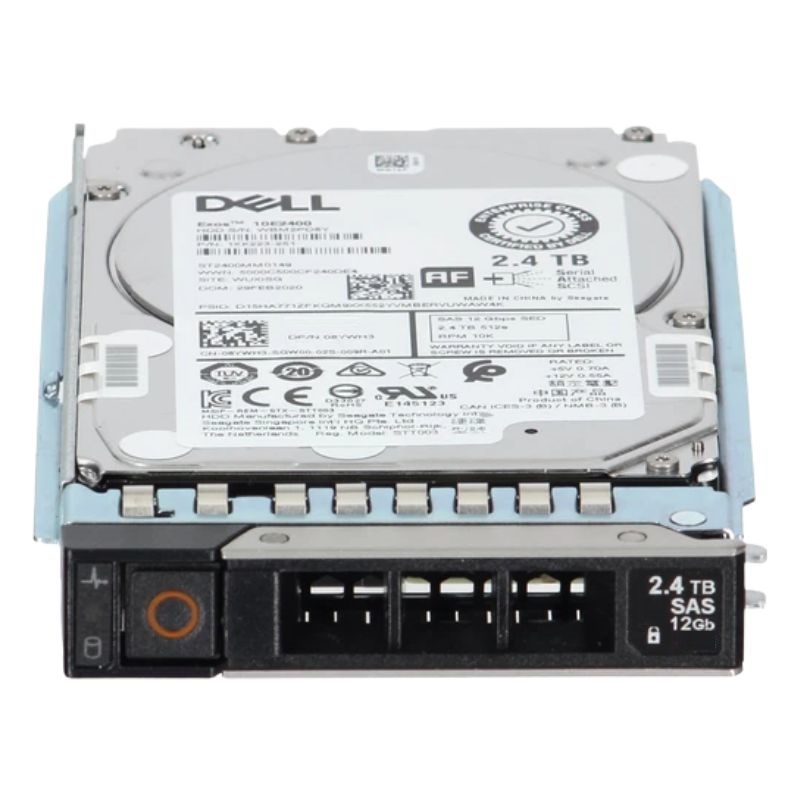


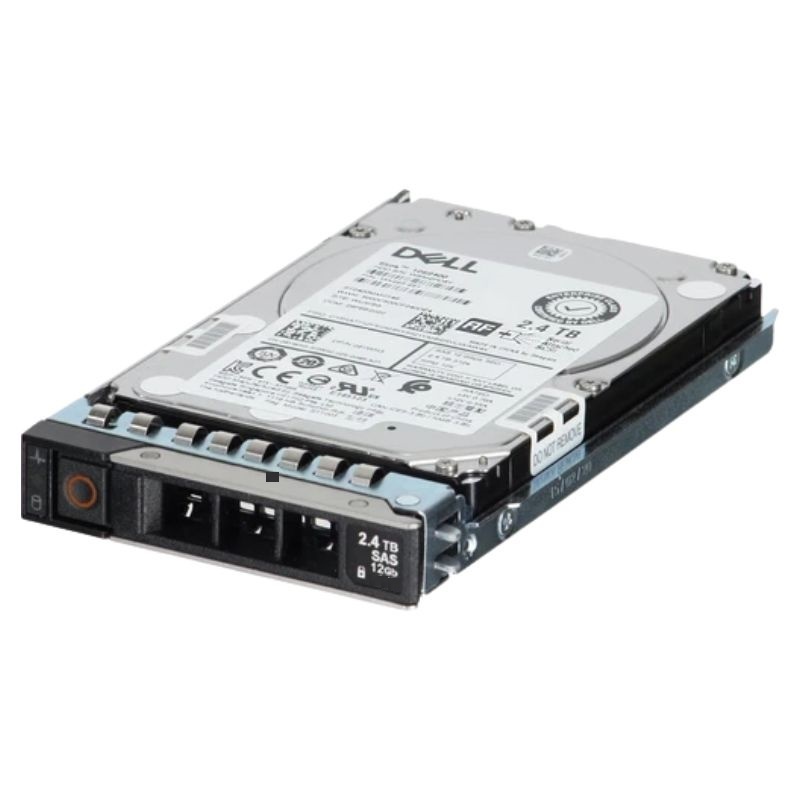
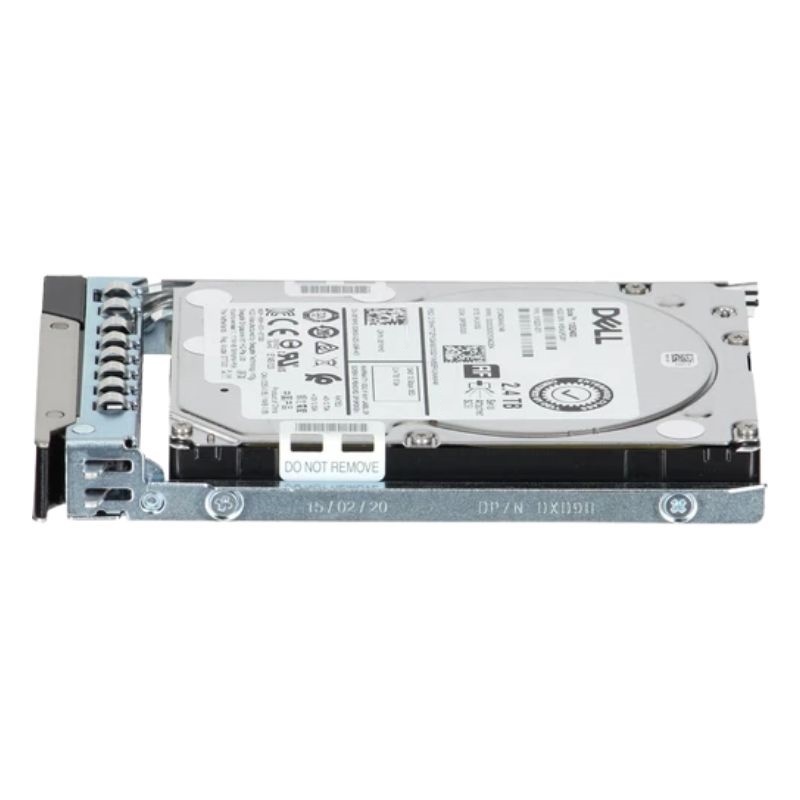
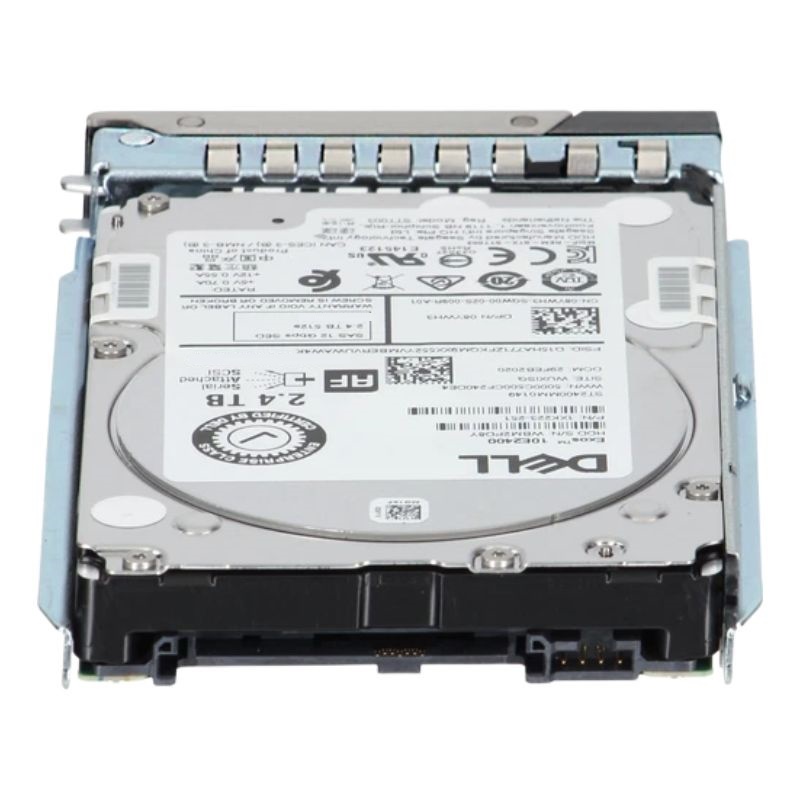
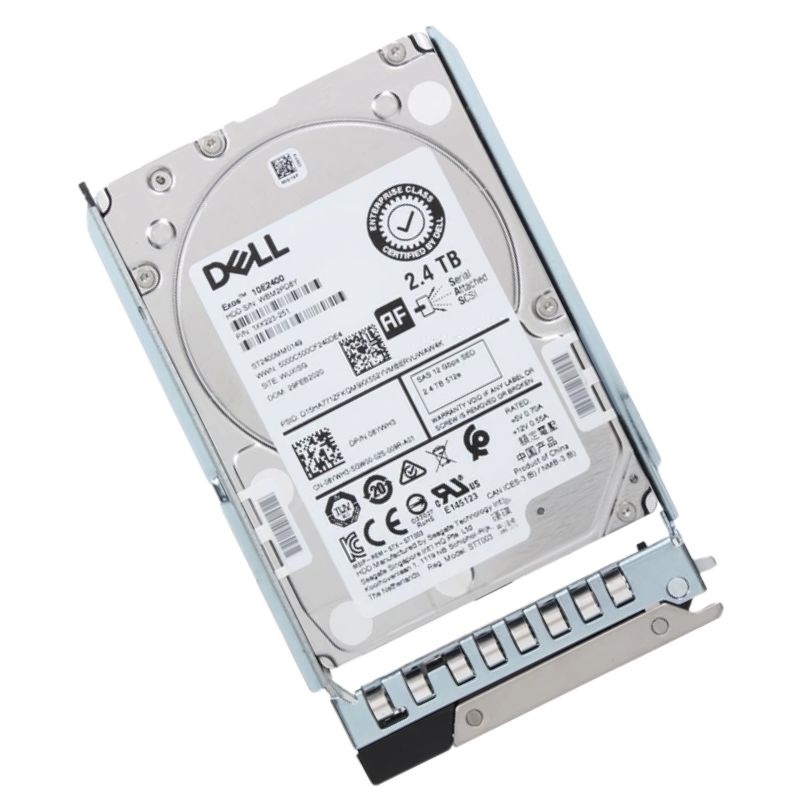
Dell 400-BRTD SAS 12GBPS 4TB 7.2k 256MB 512n 3.5inch Hot Plug Near Line HDD. New Sealed in Box (NIB) with 1-Year Warranty
The Dell 400-BRTD 4TB SAS Nearline hard drive delivers enterprise-grade storage designed for reliability, efficiency, and scalability. Built with a 3.5-inch hot-plug tray, this HDD offers flexible integration into Dell storage arrays and servers, ensuring seamless performance in data-driven environments.
The Dell 400-BRTD represents a specific class of storage solution engineered for data centers and enterprise environments where reliability, capacity, and consistent performance are non-negotiable. As a Nearline SAS (Serial Attached SCSI) hard disk drive, it occupies a critical space between high-performance, high-cost SAS drives and high-capacity, lower-performance SATA drives. This 3.5-inch form factor drive is designed for high-density storage servers, delivering a robust blend of substantial capacity, dependable speed, and the advanced error-recovery features inherent to the SAS protocol. It is the workhorse for applications that demand large-scale data storage without compromising on the integrity and accessibility of that data.
Before delving into the technical intricacies, a high-level overview of the Dell 400-BRTD's key specifications provides a clear picture of its capabilities. This drive is built to deliver 4TB of storage space, facilitated by a 7.2K RPM spindle speed and a 256MB cache buffer. It leverages the SAS interface, specifically the 12Gbps standard, to ensure rapid data transfer between the drive and the server's host bus adapter (HBA). As a hot-plug, 3.5-inch drive, it is designed for seamless integration and maintenance within compatible server chassis, minimizing downtime and simplifying storage array management.
To fully appreciate the value proposition of the Dell 400-BRTD, one must examine the individual components and specifications that constitute its overall performance profile. Each element, from the physical mechanics to the electronic interface, plays a vital role in defining the drive's suitability for various enterprise tasks.
The 4 Terabyte (TB) capacity of this drive makes it an ideal candidate for bulk storage applications. This volume allows for the consolidation of significant amounts of data, reducing the physical footprint and power consumption per terabyte within a server rack.
The "512n" in the product title refers to the drive's native sector size of 512 bytes. This is the traditional sector size used by hard drives for decades, ensuring broad compatibility with existing operating systems, filesystems, and applications. Each 512-byte sector is the smallest addressable unit of storage on the drive's platters. While newer Advanced Format (AF) drives using 4K (4096-byte) sectors offer improved error correction and storage efficiency, the 512n format of the 400-BRTD guarantees seamless operation in legacy and modern systems alike without requiring special drivers or configuration.
The rotational speed of the drive's platters is a critical determinant of performance. At 7,200 Revolutions Per Minute (RPM), this drive is classified in the "7.2K RPM" category.
The 7.2K RPM speed directly influences two key performance metrics: latency and throughput. The rotational latency—the average time for the desired data sector to rotate under the read/write head—is higher than that of a 10K or 15K RPM drive but is optimized for a balance of performance and power efficiency. This makes the 400-BRTD excellent for sequential read/write operations common in data archiving, backup-to-disk, and streaming media, where sustained data transfer rates are more critical than ultra-low latency.
The 256MB cache, also known as the buffer, is a crucial component of the drive's internal architecture. This high-speed volatile memory (DRAM) sits between the physical platters and the SAS interface, acting as a temporary holding area for data.
The drive's firmware utilizes the 256MB cache for intelligent caching algorithms. "Read-ahead" caching pre-fetches data adjacent to the currently requested data, anticipating that it will be needed next, which significantly speeds up sequential read operations. "Write-back" caching allows the drive to acknowledge a write command as soon as the data is placed in the cache, before it is physically written to the platters. This dramatically improves write performance, making the system feel more responsive. The large 256MB size allows for more of these operations to be cached, improving overall efficiency.
The Serial Attached SCSI (SAS) interface is what truly differentiates this drive from consumer-grade SATA alternatives. It is a protocol designed from the ground up for the demanding, 24/7 operational environment of data centers.
While SATA and SAS drives may look similar and even use the same physical power and data connectors, their capabilities differ substantially. SAS drives like the 400-BRTD are built for higher reliability, greater duty cycles, and more robust error handling. They support full-duplex communication, meaning they can send and receive data simultaneously, unlike SATA's half-duplex. Furthermore, the SAS protocol includes advanced command queuing and a more sophisticated error-recovery system, ensuring data integrity is maintained even in the event of a transient error.
The "12Gbps" specification denotes the theoretical maximum data transfer rate per lane of the SAS interface. With a full-duplex link, this provides immense headroom for data throughput, ensuring that the interface itself is never the bottleneck for the drive's performance. This high bandwidth is essential when aggregating the throughput of multiple drives in a RAID array, allowing the storage subsystem to deliver data to the server CPUs and memory at a pace that meets application demands.
A defining feature of the SAS protocol, and a key reason for its deployment in mission-critical systems, is dual-port capability. A SAS drive has two separate physical ports, allowing it to be connected to two different host systems or HBAs simultaneously.
This dual-port nature is the foundation for building highly available (HA) and fault-tolerant storage systems. In a configured HA environment, if one server, HBA, or cable fails, the second path remains active, ensuring continuous access to the data on the drive. This is a critical requirement for applications where downtime is not an option, such as database servers, virtualized infrastructure, and email systems. The Dell 400-BRTD is engineered to support this redundant architecture seamlessly.
The physical design of the Dell 400-BRTD is as important as its internal electronics. The 3.5-inch form factor and hot-plug capability are standard requirements for modern server infrastructure.
The 3.5-inch drive format has long been the standard for high-capacity storage. It provides the physical space necessary for larger platters, which in turn allows for greater data capacity per drive. Most enterprise storage shelves and servers designed for capacity-optimized workloads are built around this form factor, offering high drive bay density to maximize terabytes per rack unit.
The Dell 400-BRTD is tested and validated for compatibility with a wide range of Dell PowerEdge servers and PowerVault storage enclosures. It is designed to work seamlessly with Dell's proprietary management tools, such as the iDRAC (Integrated Dell Remote Access Controller) and OpenManage, providing detailed health monitoring, predictive failure analysis, and streamlined firmware updates. This certified compatibility ensures optimal performance and reliability, reducing the risk of integration issues.
The "Hot Plug" designation means that the drive can be installed or removed from a powered-on and operational server without requiring a system shutdown.
Nearline storage sits between the primary, high-performance tier (often comprised of SSDs or 15K RPM SAS drives) and the deep archive tier (which might use tape or high-density SATA drives). It is not the fastest storage available, but it is significantly faster and more readily accessible than archival storage. The Dell 400-BRTD, with its 7.2K RPM speed and SAS interface, is a quintessential nearline drive—it offers a compelling balance of capacity, performance, and cost for data that is accessed less frequently than primary data but still needs to be online and available with reasonable latency.
The characteristics of the Dell 400-BRTD make it perfectly suited for specific workloads. These include serving as a target for backup and disaster recovery solutions, hosting large but less frequently accessed file shares, storing archival data for compliance, acting as secondary storage in a hierarchical storage management (HSM) system, and housing large media libraries for streaming. In these scenarios, the high capacity and reliability of the drive are paramount, while the performance is more than adequate for the intended access patterns.


 Contact Us
 Information
 Catalog
 Solid State Drives (SSD)
 Network Switches
 Hard Disk Drives
 HBA & Controllers
 PC & Servers
 PC & Server Memory
 CPU & Processors
 Network Routers
 Power Supplies
 Tape Drives & Libraries
 Network Devices
 Computer & Network Cables