(7% discount is applied at checkout)
Cart is empty
Your go-to destination for cutting-edge server products
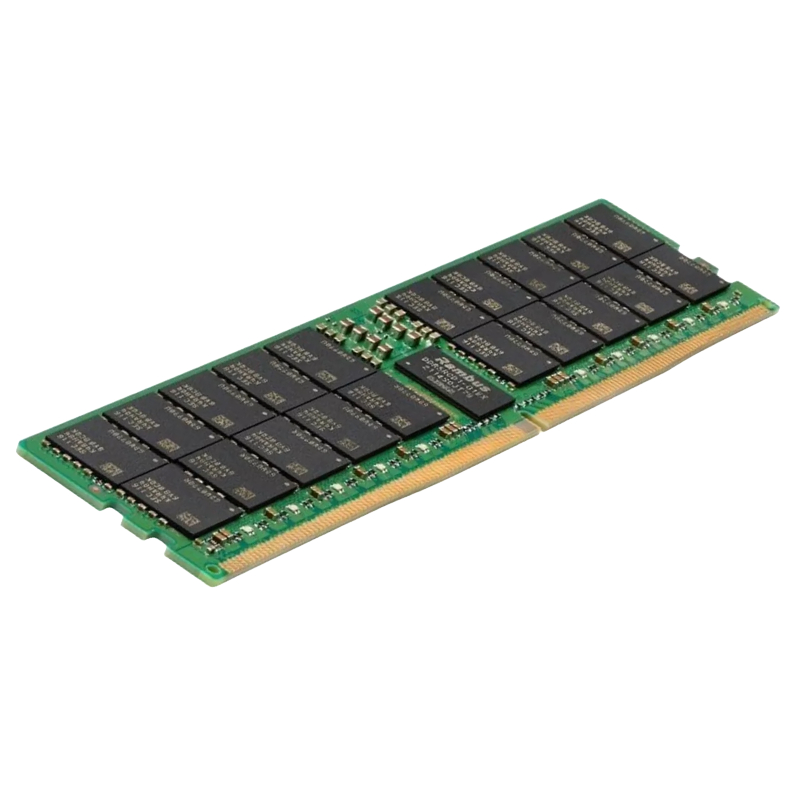


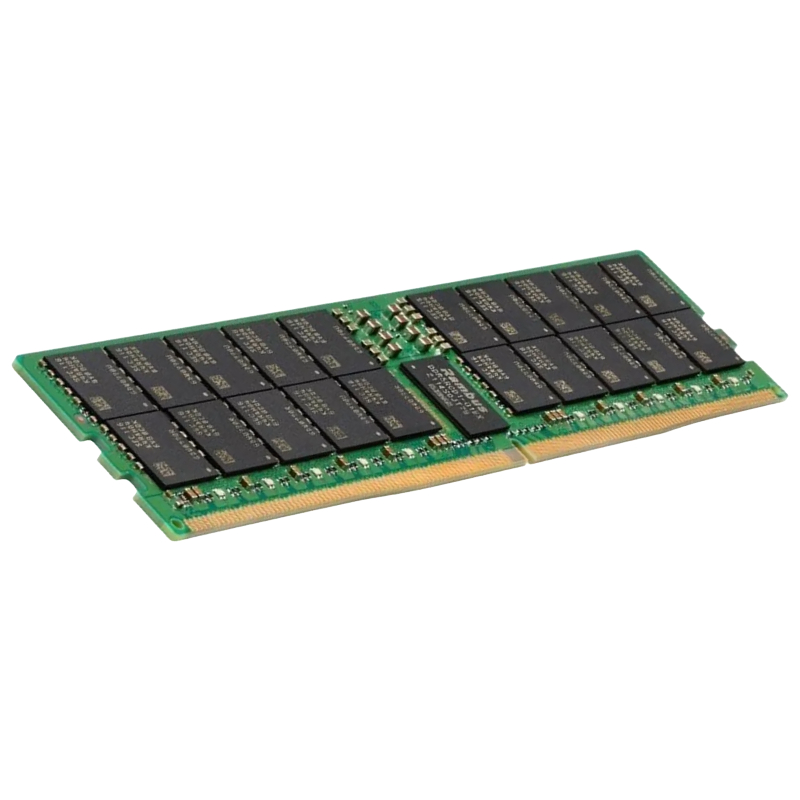
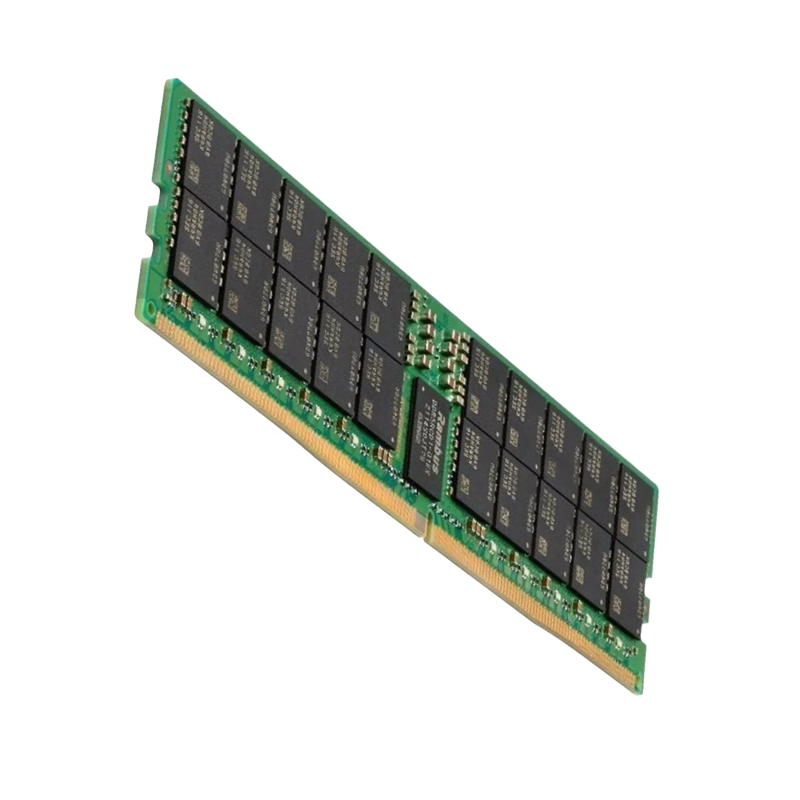
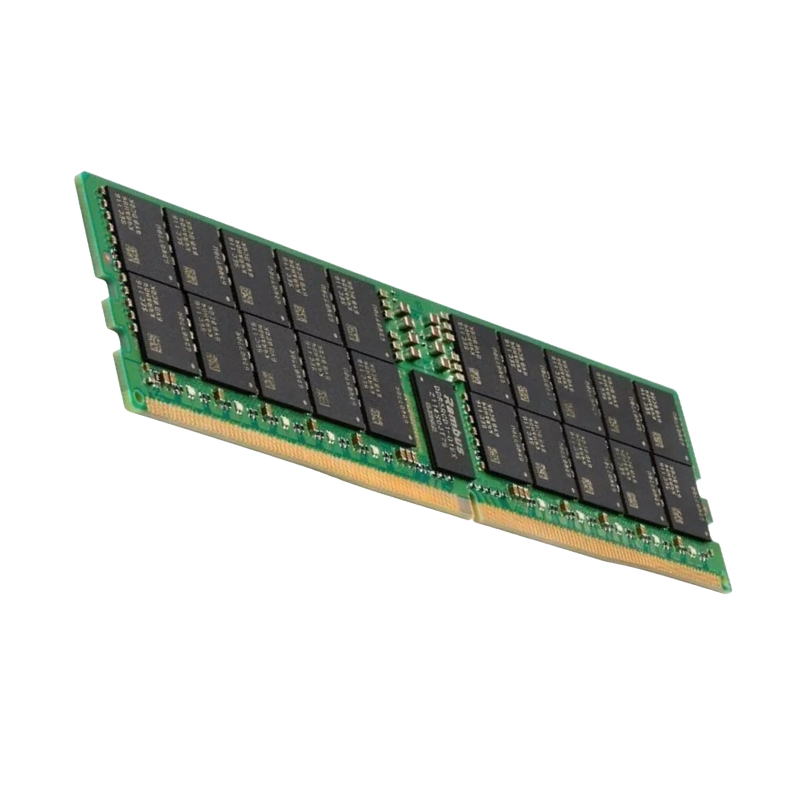
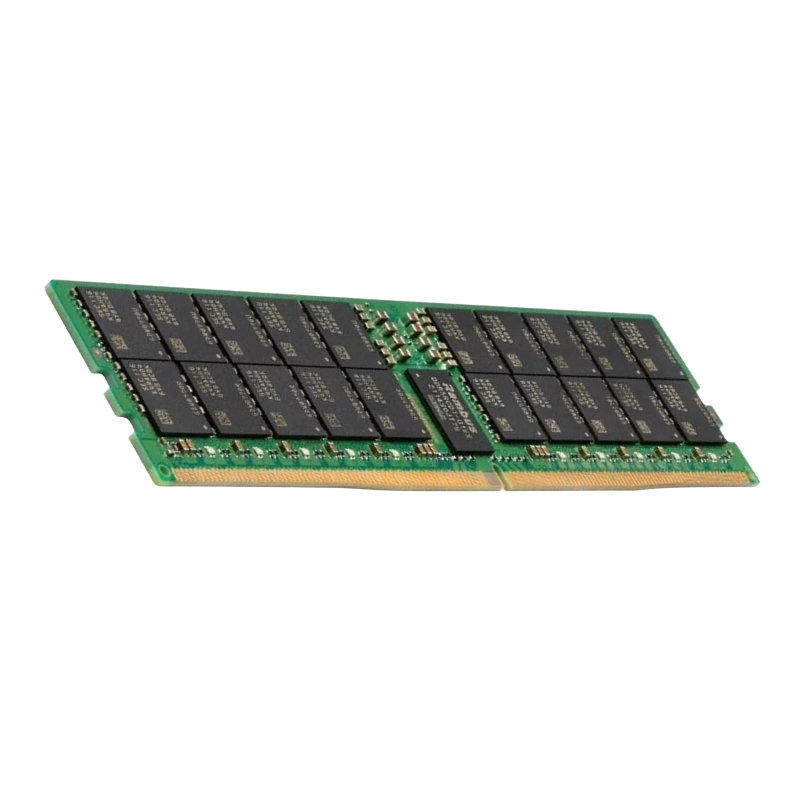
Lenovo 4X71M22551 128GB PC5-38400 DDR5 SDRAM 4800MHz Ecc Registered 288 Pin DIMM Memory Module. New Sealed in Box (NIB) with 3 Year Warranty
High-capacity Lenovo memory module (4X71M22551) — 128GB DDR5 SDRAM, PC5-38400, 4800 MHz. Built for servers and workstations, this ECC registered 288-pin DIMM delivers dependable performance and error correction for mission-critical systems.
The Lenovo 4X71M22551 represents a significant advancement in server memory technology, combining 128GB capacity with DDR5 architecture to deliver unprecedented performance for enterprise environments. This specific module operates at 4800MHz (PC5-38400) and incorporates ECC Registered technology to ensure data integrity and system stability. Designed exclusively for Lenovo server systems, this memory module meets rigorous quality standards and compatibility requirements that distinguish genuine Lenovo components from third-party alternatives.
The 4X71M22551 utilizes a 288-pin DIMM form factor with a specialized pin layout that prevents incorrect installation in incompatible systems. The module's physical construction includes a proprietary heat spreader that efficiently dissipates thermal energy, maintaining optimal operating temperatures even under sustained heavy workloads. The PCB incorporates multiple signal layers with impedance-controlled routing to preserve signal integrity at high data rates.
With a data rate of 4800 million transfers per second (MT/s), this DDR5 module effectively doubles the bandwidth of previous-generation DDR4 modules operating at similar clock speeds. The implementation of Decision Feedback Equalization (DFE) enables reliable data capture at these higher speeds by compensating for channel impairments. The module's burst length of 16 and bank count of 32 contribute to efficient data access patterns and improved parallelism.
DDR5 technology represents a fundamental shift in memory architecture, introducing features that significantly enhance performance and power efficiency. The Lenovo 4X71M22551 leverages these innovations, including a dual 32-bit sub-channel architecture (from a single 64-bit channel in DDR4) that improves memory access parallelism. The power management infrastructure has been redesigned, moving voltage regulation from the motherboard to the memory module itself with integrated PMIC (Power Management Integrated Circuit).
Beyond the module-level ECC, DDR5 introduces on-die ECC that corrects bit errors within the DRAM chips themselves before they can affect system operation. This two-tiered error correction approach substantially improves reliability and reduces soft error rates. The implementation of error correction code on both dies and modules provides comprehensive protection against data corruption, a critical requirement for enterprise servers handling mission-critical applications.
While DDR5 offers significantly increased bandwidth compared to DDR4, it's important to understand the latency characteristics. The Lenovo 4X71M22551 operates with CAS latencies optimized for server workloads where sustained throughput often outweighs absolute latency metrics. The improved bank grouping and refresh management in DDR5 help mitigate latency penalties while maintaining data integrity across large memory arrays.
ECC (Error Correcting Code) technology implemented in the Lenovo 4X71M22551 can detect and correct single-bit memory errors in real-time, while also detecting double-bit errors. This capability is crucial for server environments where data integrity directly impacts business operations and service reliability. The ECC algorithm adds additional bits to each data word, creating a checksum that validates data accuracy during read operations and corrects errors transparently without system intervention.
The "Registered" designation indicates the presence of register chips between the memory controller and DRAM modules. These registers buffer command and address signals, reducing electrical load on the memory controller and enabling support for higher memory capacities per channel. The Lenovo 4X71M22551 utilizes advanced registering clock drivers that maintain signal integrity across large memory populations while minimizing timing skews that can impact performance.
Compared to unbuffered memory, ECC Registered DIMMs offer superior reliability and scalability characteristics. The buffering of signals allows for more memory modules to be installed per channel without degrading signal quality. This makes the Lenovo 4X71M22551 ideal for memory-intensive applications such as in-memory databases, virtualized environments, and high-performance computing clusters where large memory capacities are essential.
The Lenovo 4X71M22551 is engineered for compatibility with specific Lenovo server families, including the ThinkSystem SR650 V2, SR670 V2, and SR850 V2, among others. These systems incorporate firmware optimizations that leverage the advanced features of DDR5 technology while ensuring stable operation across the entire performance envelope. The memory modules undergo extensive compatibility testing within Lenovo's validation laboratories to guarantee seamless integration.
Proper configuration of Lenovo 4X71M22551 modules requires adherence to specific population rules that vary by server platform. Most systems require installation in matched sets per channel, with careful attention to slot sequencing to optimize signal integrity. Maximum memory capacity is achieved through strategic placement across memory channels and CPU sockets, with performance scaling based on the number of populated channels and their arrangement.
Lenovo servers equipped with 4X71M22551 memory modules benefit from integrated management through XClarity Controller technology. This embedded management processor provides real-time monitoring of memory health, temperature, and error statistics. Firmware updates periodically released by Lenovo may include memory-specific optimizations that improve performance, enhance reliability, or address compatibility issues with specific workload patterns.
The high bandwidth and large capacity of the Lenovo 4X71M22551 make it exceptionally well-suited for database management systems, where large buffer pools significantly improve query performance. In OLTP (Online Transaction Processing) environments, the memory's low latency and ECC protection ensure data consistency while supporting high concurrent user counts. The 128GB capacity per module enables substantial in-memory database deployments that minimize disk I/O bottlenecks.
Server virtualization platforms benefit dramatically from the high-density memory configuration enabled by the 4X71M22551. With 128GB per module, a single server can host hundreds of virtual machines with allocated memory sized appropriately for their workloads. The DDR5 bandwidth ensures that memory-intensive virtualized applications perform comparably to bare-metal deployments, while ECC protection maintains stability across the consolidated environment.
Technical computing workloads, including scientific simulations, financial modeling, and big data analytics, derive significant performance benefits from the advanced capabilities of Lenovo's DDR5 memory. The combination of high bandwidth and large capacity enables researchers and analysts to work with larger datasets in memory, reducing computation times from days to hours. The reliability features ensure that long-running calculations complete without interruption from memory-related errors.
The Lenovo 4X71M22551 incorporates enterprise-grade Reliability, Availability, and Serviceability (RAS) features that exceed industry standards. These include memory mirroring support, where a portion of memory capacity is reserved to duplicate data from another module, providing redundancy in case of memory failure. Additional features include memory patrol scrubbing, which proactively searches for and corrects soft errors before they can accumulate and cause system issues.
Lenovo's implementation of predictive failure analysis for memory modules monitors various parameters over time, including correctable error rates and environmental conditions. When patterns indicate potential future failure, the system can alert administrators to proactively replace the module during scheduled maintenance windows. This capability significantly reduces unplanned downtime and data loss in production environments.
DDR5 technology introduces substantial improvements in power efficiency compared to previous generations. The Lenovo 4X71M22551 operates at 1.1V, reducing power consumption by approximately 20% compared to DDR4 modules while delivering significantly higher performance. The integrated heat spreader design optimizes thermal dissipation, maintaining junction temperatures within specified limits even in high-ambient-temperature datacenter environments.
The transition from DDR4 to DDR5 represents one of the most significant generational improvements in memory technology. The Lenovo 4X71M22551 offers approximately 50% higher bandwidth than comparable DDR4 modules while operating at lower voltage. The architectural improvements in DDR5, including bank grouping and refresh management, provide additional performance benefits beyond raw speed increases, particularly in multi-core server environments with high memory contention.
While both RDIMM and LRDIMM technologies are available in DDR5 implementations, the Lenovo 4X71M22551 utilizes the registered DIMM architecture that provides an optimal balance of performance, capacity, and cost for most enterprise workloads. LRDIMMs offer potential capacity advantages in fully populated systems but may introduce slight latency penalties. Understanding workload requirements is essential when selecting between RDIMM and LRDIMM technologies for specific deployment scenarios.


 Contact Us
 Information
 Catalog
 Solid State Drives (SSD)
 Network Switches
 Hard Disk Drives
 HBA & Controllers
 PC & Servers
 PC & Server Memory
 CPU & Processors
 Network Routers
 Power Supplies
 Tape Drives & Libraries
 Network Devices
 Computer & Network Cables