(7% discount is applied at checkout)
Cart is empty
Your go-to destination for cutting-edge server products
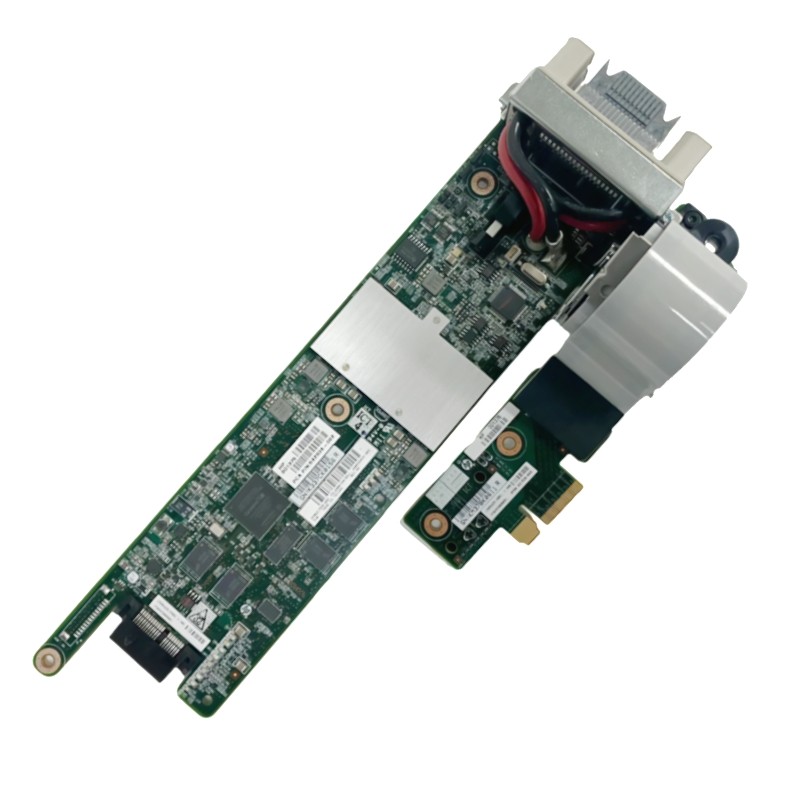


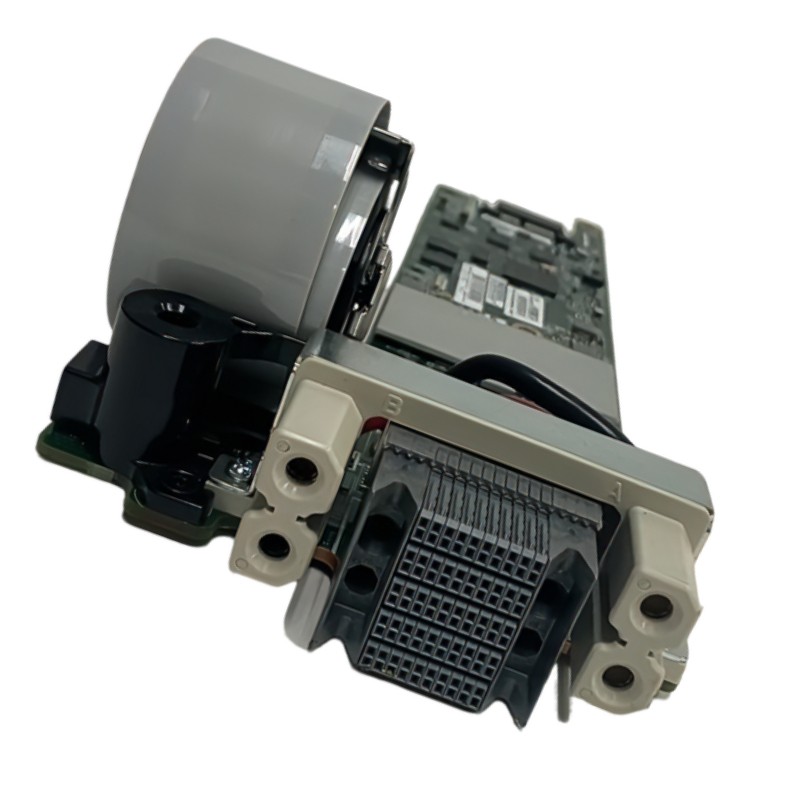
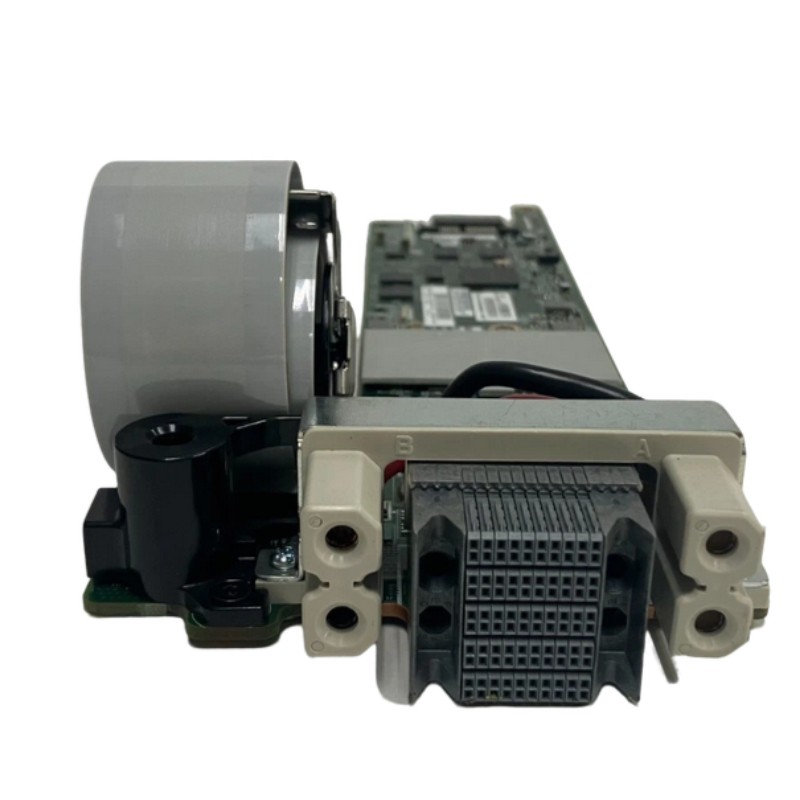
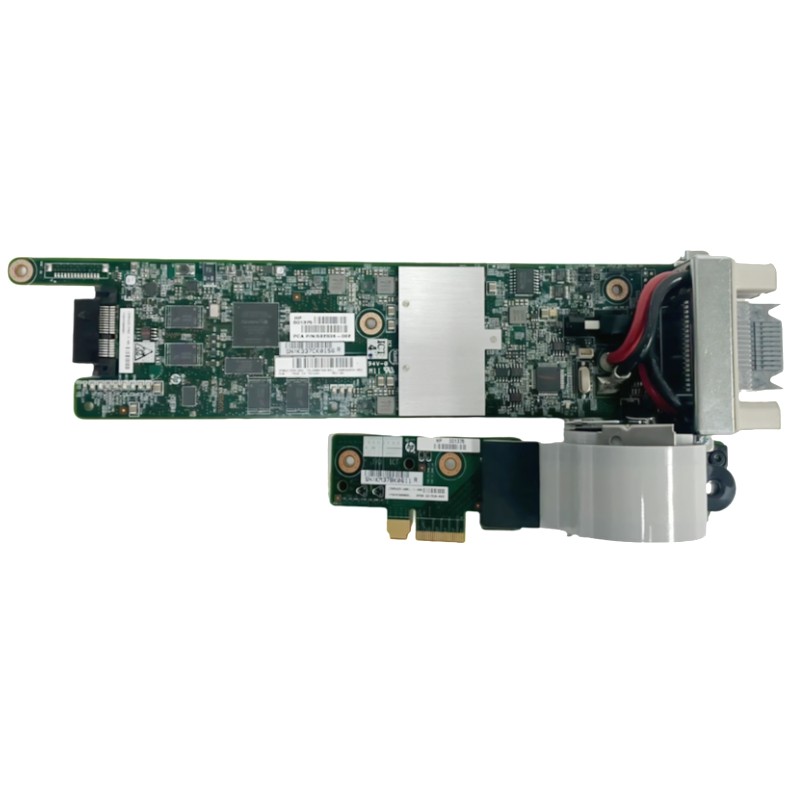
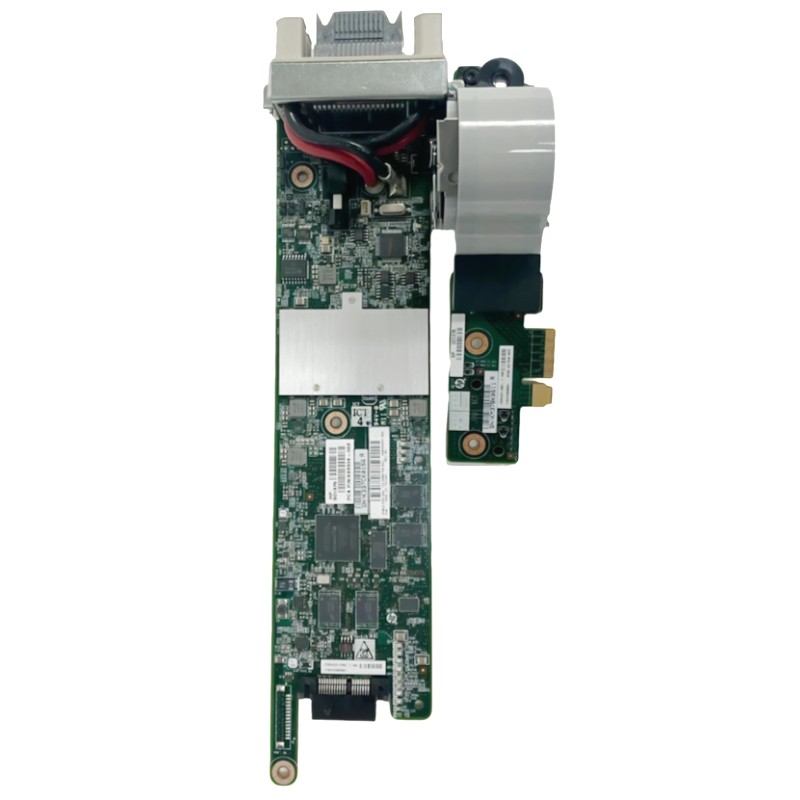
HPE 621520-002 SPS-BD PCA D2220SB Controller Assembly Board. New (System) Pull with 1 year replacement warranty.
The 621520-002 HPE SPS-BD PCA D2220sb Controller Assembly is a precision-engineered server controller module designed for Hewlett Packard Enterprise systems. Often referenced as the D2220sb controller or SPS-BD PCA assembly, this component delivers reliable storage management, robust I/O handling, and optimized compatibility for enterprise rack and blade servers.
To improve search relevance and help buyers find this part under different names, here are alternate terms commonly used:
Understanding the technical profile of the controller helps IT teams assess fit and performance. Below are the principal attributes and hardware data points.
Compatibility is critical — this controller is intended for specific HPE platforms. Use the following checklist to confirm suitability.
Built to HPE tolerances, this assembly reduces downtime risk and sustains heavy I/O workloads.
The modular design enables quick replacement and in-field servicing, lowering Mean Time To Repair (MTTR).
Operators choose the 621520-002 assembly to achieve predictable performance under sustained loads, shortened maintenance windows, and simplified lifecycle policies. The assembly focuses on practical outcomes: lower application latency, reduced backup windows, and reliable behavior during maintenance or partial component failures.
The assembly’s PCB layout emphasizes clean signal routing between host interfaces and downstream storage lanes to reduce crosstalk and preserve signal fidelity. Power delivery is tuned for transient response to ensure stable operation during bursty loads. Thermal zoning and compatible heatsink footprints help maintain even airflow across the assembly’s hottest components.
Layered error-handling—covering hardware parity checks, firmware guards, and telemetry—reduces the risk of silent corruption while enabling operations teams to perform effective root-cause analysis.
The assembly supports a range of enterprise SAS and SATA drives. For best performance and predictable rebuilds, pair it with HPE-qualified drive SKUs that match vibration, workload rating, and error recovery characteristics. Keep logical arrays homogenous—matching capacities and performance classes—so rebuilds and capacity calculations remain straightforward.
Performance is driven by command-processing efficiency, queue management, and firmware-level prefetch/write policies. Adaptive behaviors—such as read-ahead for sequential workloads and write optimization for small random writes—help tune effective throughput without compromising protection.
RAS is core to enterprise controllers. The assembly undergoes validation for continuous operation, environmental stress, and sustained bandwidth. Telemetry, SMART pass-through, and event logging enable predictive maintenance and faster incident resolution.
Keeping firmware current is essential for security, compatibility, and performance. Firmware updates often include microcode fixes, device support enhancements, and edge-case behavior corrections. Use staged rollouts with rollback checkpoints and change windows to mitigate production risk.
Select RAID and logical layouts that align with workload needs. Mirrored options (RAID 1/10) favor low-latency and fast rebuilds; parity schemes (RAID 5/6) favor capacity efficiency. Hot spares and well-calculated spare policies shorten downtime in the event of drive failure.
Align filesystem block sizes with array stripe sizes for optimal performance. Place high-traffic volumes on faster tiers and move archival content to capacity tiers to reduce I/O contention.
Integrate controller telemetry with observability tools to monitor latency, queue depth, read/write ratios, and error trends. Define alert thresholds that differentiate between transient spikes and sustained conditions that require intervention.
Secure management interfaces with least-privilege roles and rotate credentials regularly. Where supported, enable drive-level encryption and secure boot to protect firmware and data-at-rest.
RAID protects against drive failure but is not a replacement for backups. Coordinate snapshots with application quiesce processes to ensure consistency, test restores regularly, and validate recovery time objectives.
Ensure airflow follows chassis guidelines, preserve clearance around heat sources, and include the assembly’s power draw in server-level capacity planning. Monitor inlet temperatures and validate PSU margins for peak I/O scenarios.
HPE platform validation includes stress cycles, interoperability testing, and performance characterization, ensuring that burst traffic, thermal transients, and drive anomalies do not produce disproportionate service impact.
Follow a structured troubleshooting workflow: check cabling and power, review platform logs for repeated error codes, validate firmware and driver versions, and isolate with known-good components. Keep clear notes for vendor escalation.
Design with spare capacity for rebuilds, maintain hot spares, and adopt staggered maintenance and rollback plans. During incidents, prioritize customer-facing services and use observability data to guide fixes.
Create concise runbooks, perform tabletop exercises, and cross-train teams on array creation, firmware management, and incident triage to reduce mean time to repair.
Schedule health checks of logs, SMART trends, thermal readings, and latent error scans. Proactive maintenance reduces unplanned downtime and highlights wear patterns earlier.
Scale in discrete steps, validate in staging, and update documentation and monitoring after rollout. Test application-level impacts before production migration.


 Contact Us
 Information
 Catalog
 Solid State Drives (SSD)
 Network Switches
 Hard Disk Drives
 HBA & Controllers
 PC & Servers
 PC & Server Memory
 CPU & Processors
 Network Routers
 Power Supplies
 Tape Drives & Libraries
 Network Devices
 Computer & Network Cables