(7% discount is applied at checkout)
Cart is empty
Your go-to destination for cutting-edge server products
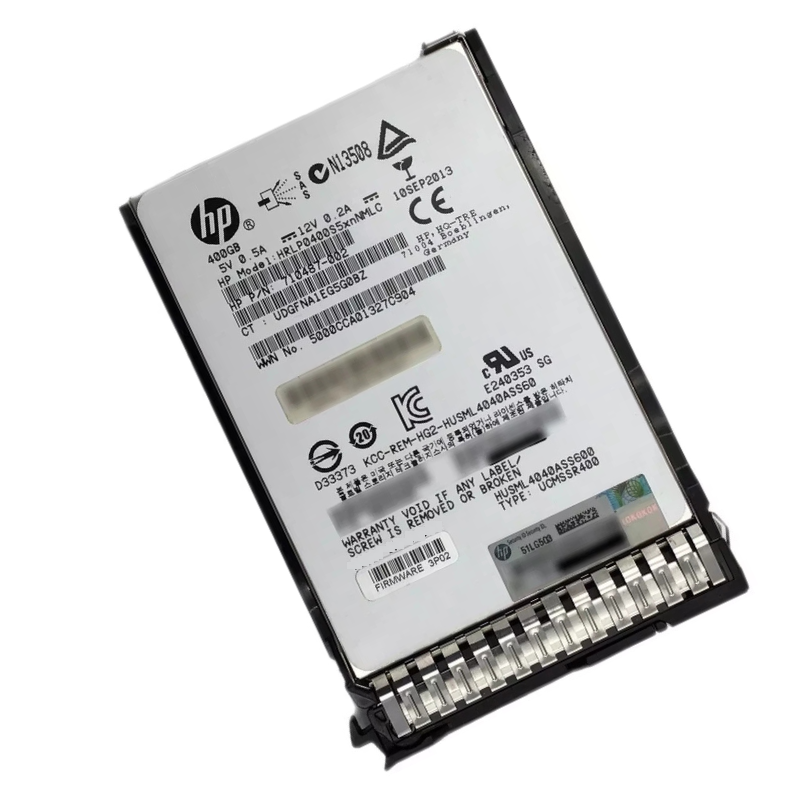


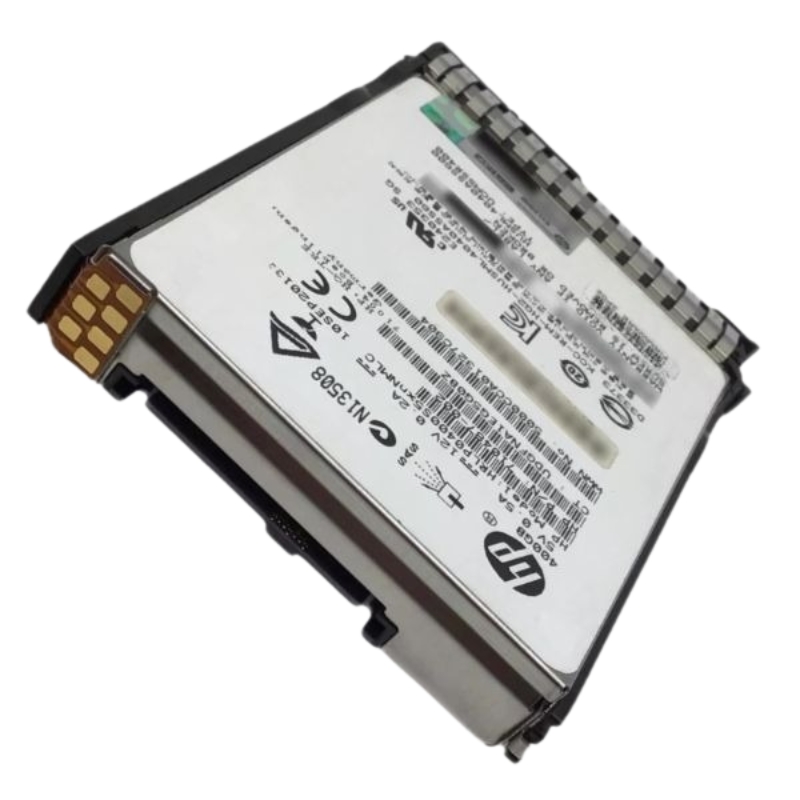
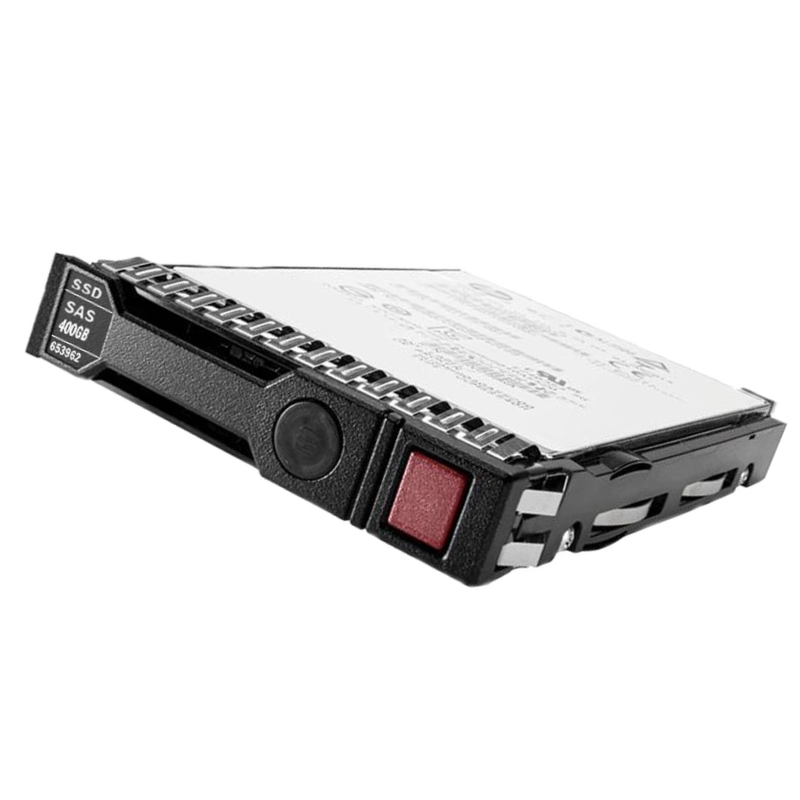
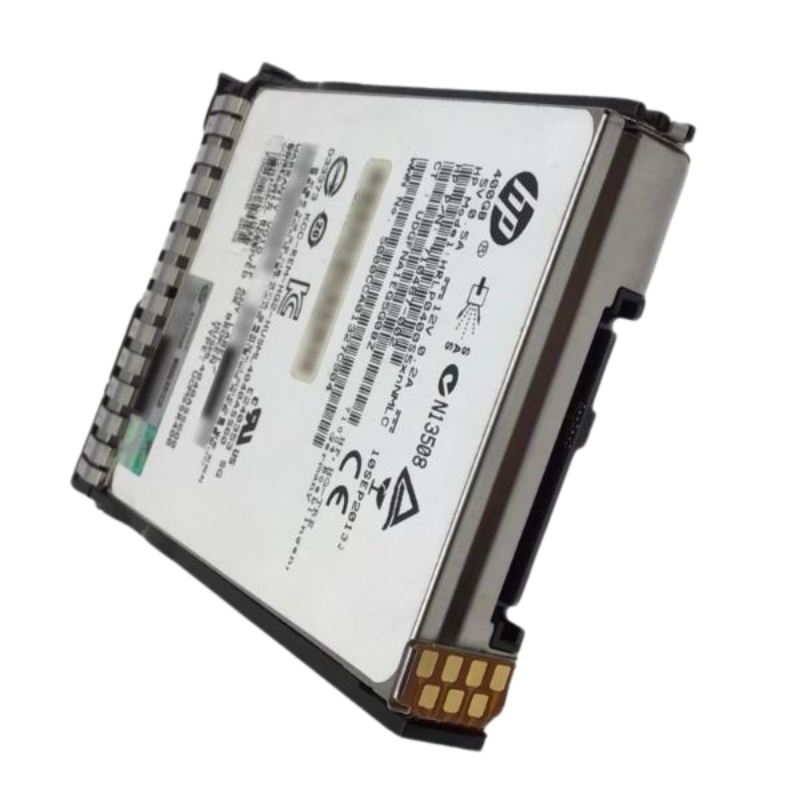
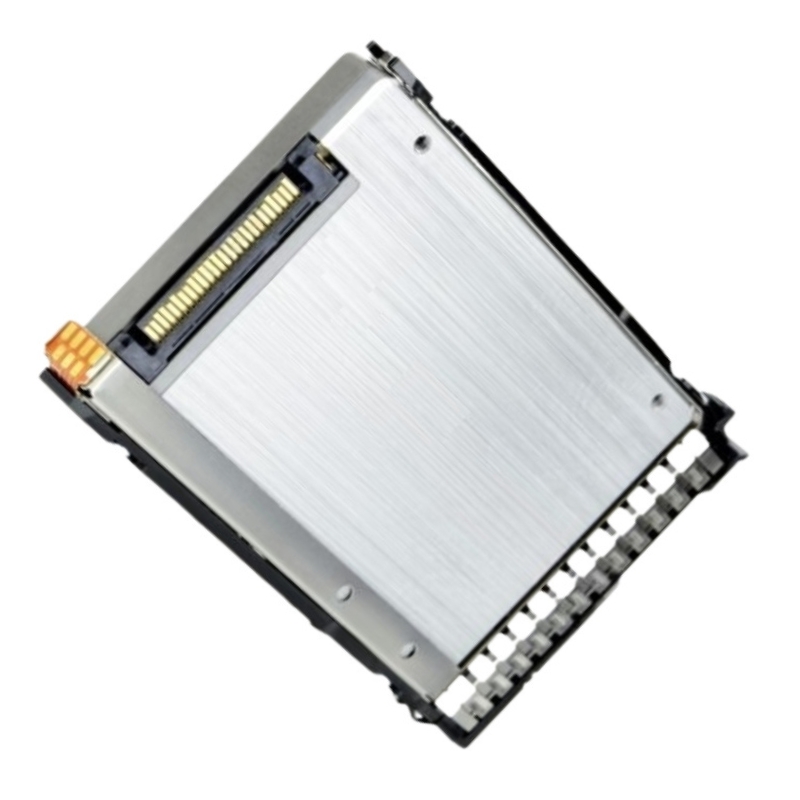
HPE 632636-001 400GB 2.5inch SAS 6GBPS Mlc Hot Plug Enterprise Mainstream SSD. New (Box Not Sealed) with 1 year Warranty
| SKU/MPN | Warranty | Price | Condition | You save |
|---|---|---|---|---|
| 632636-001 | 1 Year Warranty | $1,155.00 | New Sealed in Box (NIB) | You save: $404.25 (26%) |
| 632636-001 | 1 Year Warranty | $945.00 | Excellent Refurbished | You save: $330.75 (26%) |
The HPE 632636-001 is a high-performance 400GB Solid State Drive (SSD) designed for enterprise mainstream workloads. Optimized for HPE ProLiant servers, this 2.5-inch Small Form Factor (SFF) SSD delivers exceptional reliability, fast data transfer, and seamless compatibility across multiple generations of HPE servers.
The HPE 632636-001 400GB 2.5-inch Small Form Factor SAS-6Gbps Enterprise Mainstream Solid State Drive represents a focused category of enterprise storage designed to balance cost, capacity, and sustained performance for ProLiant Generation2 through Generation7 servers. This category page centers on products that deliver predictable, low-latency I/O for mixed-workload environments where reliability, compatibility with legacy server generations, and enterprise-grade manageability are essential. Content on this page is tailored to IT managers, system integrators, procurement teams, and storage architects seeking drives that fit rack-and-blade server ecosystems while providing the operational durability expected in enterprise datacenters.
This enterprise mainstream class of SAS SSDs sits between consumer or desktop-class drives and the highest-tier, ultra-high-endurance data center NVMe arrays. The positioning reflects a deliberate trade-off: vendors tune firmware, endurance profiles, and power management to provide a long service life at a lower cost-per-GB than premium write-intensive SSDs, while still offering markedly better latency, throughput, and failure rates than spinning media. For organizations migrating from HDDs to flash, or those standardizing on SAS infrastructures across multiple ProLiant generations, this category offers an attractive path to modernize storage with minimal host-side changes.
One of the defining selling points for HPE 632636-001 and similar models is explicit compatibility with a wide range of ProLiant hardware generations. Supporting Generation2 through Generation7 establishes a broad compatibility window that simplifies lifecycle planning: organizations using older, still-supported ProLiant models can adopt flash without needing wholesale server refreshes. This compatibility also reduces risk during phased rollouts, making it feasible to install the same SKU across mixed-server environments for consistency in spares, firmware maintenance, and asset tracking.
Enterprise drives in this category are typically validated against HPE's server controllers and firmware stacks. Validation helps ensure that advanced functions such as drive health reporting through integrated management tools, secure firmware updates, and error handling are seamless. For administrators, this reduces the common headaches of mismatched firmware revisions that can otherwise lead to degraded performance or false health alarms. Maintaining drive and controller firmware compatibility also preserves RAID rebuild characteristics and predictable performance under load.
At a glance, the HPE 632636-001 category emphasizes several baseline technical characteristics that are critical to evaluate when planning deployments. These include the 2.5-inch small form factor, SAS 6Gbps interface, enterprise-grade NAND and controller architecture, capacity point at 400GB, and design trade-offs that target mainstream endurance and sustained performance for mixed read/write workloads.
The 2.5-inch small form factor is a practical choice for modern blade, rack and dense server platforms, enabling higher drive counts per chassis compared to 3.5-inch media. The SAS 6Gbps interface, while not the newest transport on the market, remains pervasive in enterprise server backplanes and HBA/RAID controllers. For organizations that prioritize validated, homogeneous architectures and host compatibility, SAS 6Gbps continues to be an optimal interface: it offers robust enterprise features such as dual-port connectivity options on some SAS devices, standardized error handling, and long-standing firmware ecosystem support.
When evaluating mainstream enterprise SAS SSDs, expect a meaningful uplift in random and sequential I/O compared to HDDs. These drives are tuned for consistent, low-latency response under mixed workloads commonly found in application servers, virtualization hosts, and database acceleration tiers. Rather than promising the absolute highest IOPS or peak throughput numbers associated with NVMe devices, this category emphasizes consistent service levels and predictable QoS, especially during sustained workloads and RAID rebuilds.
Endurance for enterprise mainstream SSDs balances write endurance with cost. Drives at this capacity point are provisioned to withstand regular enterprise write cycles across years of typical usage patterns. Reliability features that buyers should look for in this category include built-in error correction algorithms, power-loss protection circuitry that guards in-flight data, SMART telemetry for predictive failure analysis, and vendor support for secure erase and firmware rollbacks. These capabilities contribute to lower total cost of ownership by reducing unplanned downtime and simplifying operational maintenance.
This category of HPE-compatible mainstream SAS SSDs is versatile across a range of datacenter roles. The following paragraphs illustrate typical deployment patterns where the HPE 632636-001 400GB drive and its peers provide the best value.
Virtualization platforms benefit from predictable I/O and low-latency access. In virtual machine (VM) dense environments where many random small-block reads and writes occur, these SAS SSDs accelerate host-level storage performance without requiring NVMe infrastructure changes. This delivers quicker VM boot times, higher consolidation ratios, and better application responsiveness for mixed workloads including web servers, application servers, and small-to-medium databases.
For databases that require consistent transactional latency but not necessarily the ultra-high throughput of top-tier NVMe arrays, mainstream SAS SSDs are a compelling option. They can be used as a primary storage tier for small and medium-sized transactional databases or as a cache and transaction log tier in hybrid storage architectures. The consistent latency characteristics help maintain predictable query response times and improved end-user experience.
Because of their reliability and space efficiency, 400GB SAS SSDs in 2.5-inch form factor are often allocated to operating system volumes, hypervisor partitions, and critical service components. Using flash for boot and system partitions dramatically reduces OS boot times, accelerates patching cycles, and shortens recovery windows following maintenance or restarts.
Successfully integrating this family of drives requires attention to both hardware and software operational practices. Recommendations in this section aim to reduce deployment risk and maximize the lifespan and performance of drives in service.
Always follow vendor guidance on firmware levels for drives and controllers. HPE and certified drive vendors publish compatibility matrices that indicate supported firmware and controller combinations. Organizations should schedule firmware maintenance windows and adopt a systematic approach to firmware rollouts across host fleets to avoid mixed-version complications that can complicate diagnostics and hamper support engagements.
RAID choice affects performance and rebuild times. When using mainstream SAS SSDs, administrators should select RAID levels that meet their data-protection and performance needs while considering rebuild impact. Since SSD rebuilds can place sustained stress on remaining drives, monitoring rebuild progress and ensuring adequate thermal and power headroom during rebuilds are important. Implementing conservative rebuild throttles or leveraging controller features that prioritize host I/O during rebuilds can help maintain predictable application performance.
High-density deployments in blade enclosures or rack servers can generate significant heat. Ensuring adequate airflow and ambient cooling is fundamental to preserving SSD reliability. Likewise, provisioning stable power and making use of redundant power supplies will minimize the risk of abrupt power-loss scenarios that, while mitigated by power-loss protection features, are still best avoided. Monitoring drive temperature via server management tools and planning thermal zones in the rack layout are practical steps to prolong drive life.
Leverage SMART attributes and HPE system health telemetry to track drive wear, error counters, and predictive failure indicators. The enterprise ecosystem for these drives typically integrates with HPE iLO or similar management consoles, enabling centralized alerts and historical trend analysis. A proactive replacement policy based on telemetry thresholds reduces emergency replacements and improves maintenance scheduling predictability.


 Contact Us
 Information
 Catalog
 Solid State Drives (SSD)
 Network Switches
 Hard Disk Drives
 HBA & Controllers
 PC & Servers
 PC & Server Memory
 CPU & Processors
 Network Routers
 Power Supplies
 Tape Drives & Libraries
 Network Devices
 Computer & Network Cables