(7% discount is applied at checkout)
Cart is empty
Your go-to destination for cutting-edge server products


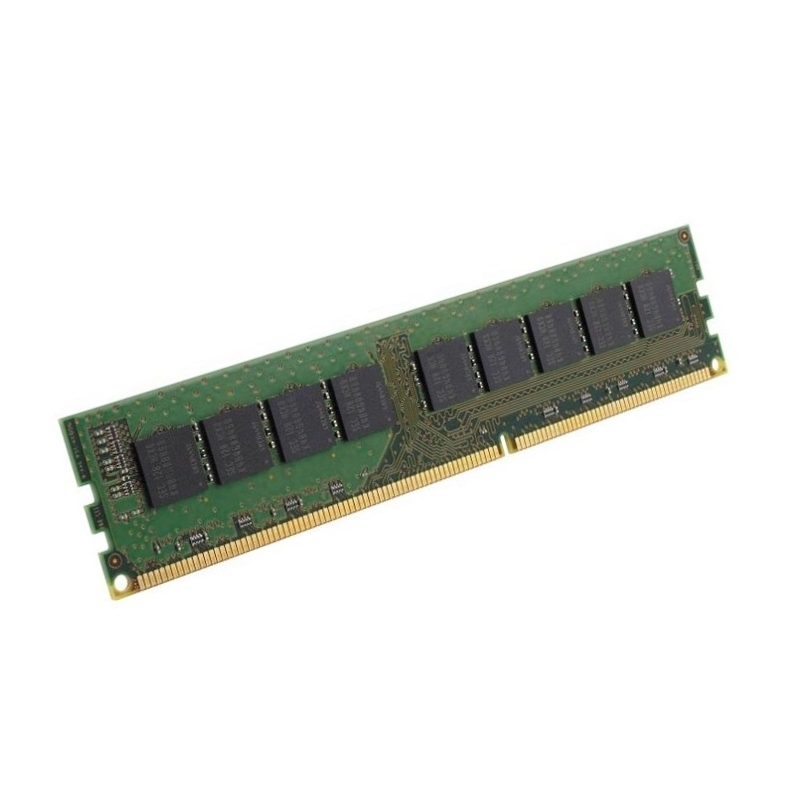
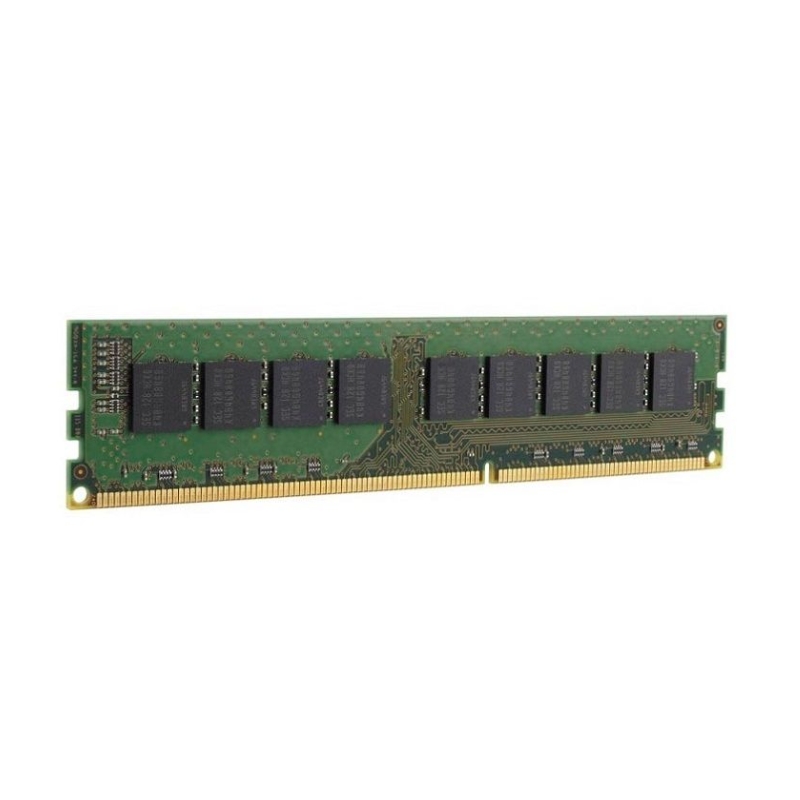
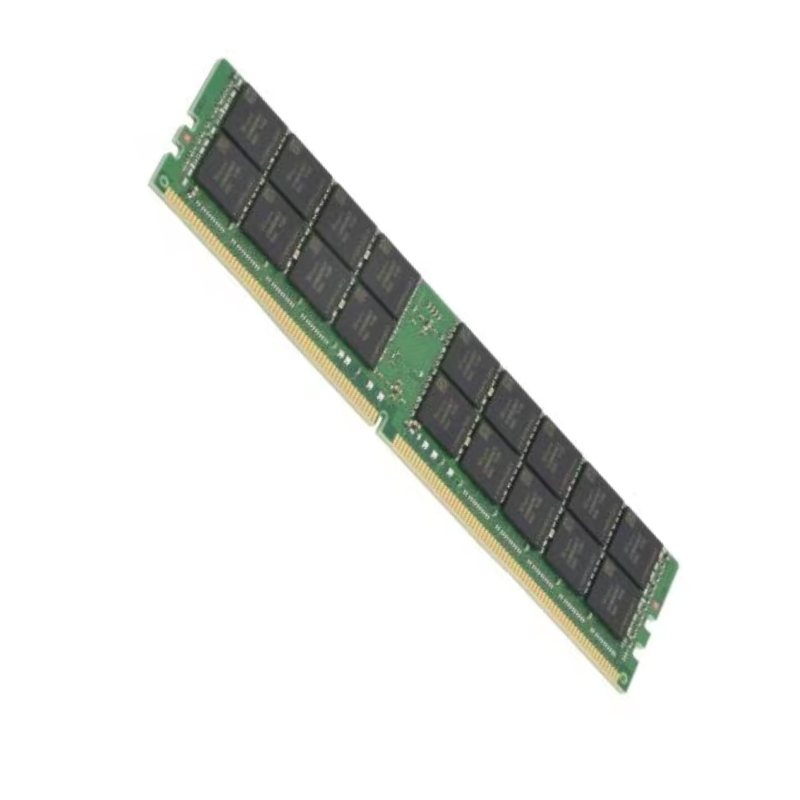
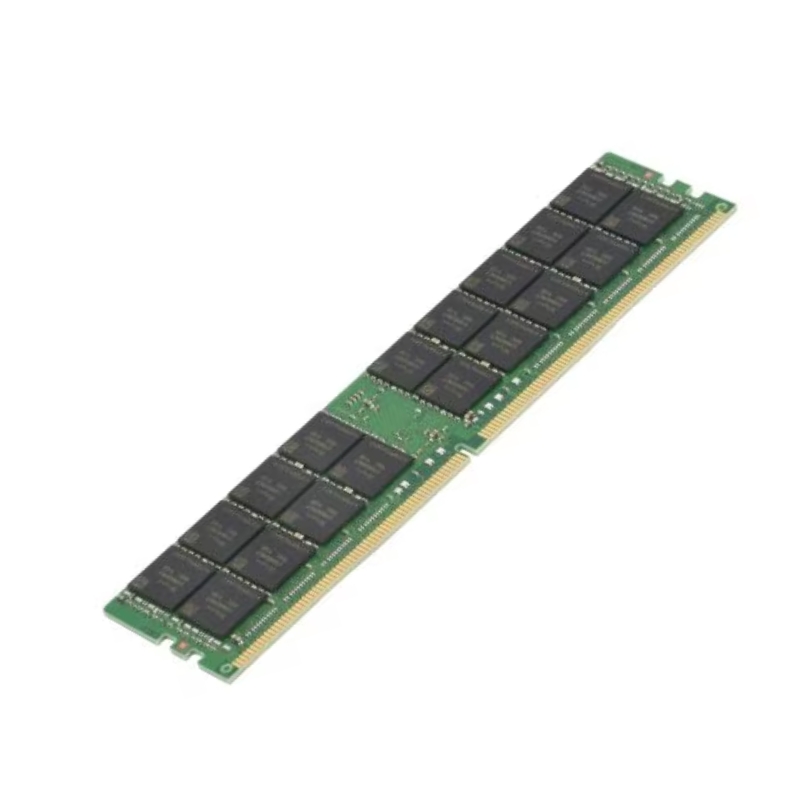
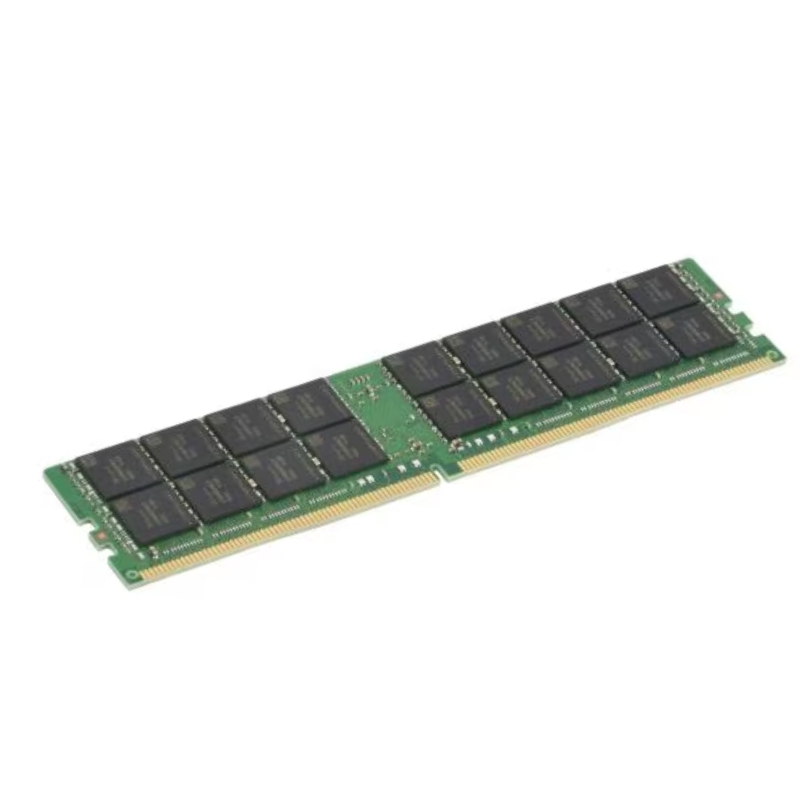
Supermicro MEM-DR564L-HL01-ER48 64GB Pc5-38400 Memory DDR5 4800Mt/s 2RX4 ECC CL40. New (System) Pull with 1 year replacement warranty - Hynix Version
| SKU/MPN | Warranty | Price | Condition | You save |
|---|---|---|---|---|
| MEM-DR564L-HL01-ER48 | 1 Year Warranty | $2,395.00 | New (System) Pull | You save: $838.25 (26%) |
| MEM-DR564L-HL01-ER48 | 1 Year Warranty | $3,633.00 | New Sealed in Box (NIB) | You save: $1,271.55 (26%) |
The Supermicro MEM-DR564L-HL01-ER48 delivers reliable high-capacity server memory with advanced DDR5 technology, ensuring optimal performance for enterprise workloads.
The Supermicro MEM-DR564L-HL01-ER48 64GB DDR5-4800MHz ECC RDIMM PC5-38400 memory module represents a modern enterprise memory category designed for data-intensive server and workstation environments. This category focuses on high-capacity, high-bandwidth registered memory modules that support the latest server processors and chipsets. DDR5 technology introduces substantial architectural improvements over previous DDR4 generations, enabling higher transfer rates, increased memory density, and improved power efficiency. In enterprise platforms, this evolution translates directly into faster data access, enhanced virtualization performance, and better scalability for demanding workloads.
DDR5 RDIMM memory categories are engineered to meet the strict reliability and performance expectations of data centers, cloud infrastructure, enterprise databases, and mission-critical applications. With a rated speed of 4800MHz and PC5-38400 bandwidth classification, this memory class delivers a significant uplift in throughput compared to older DDR4-3200 or DDR4-2933 server memory modules. These enhancements allow processors to spend less time waiting on memory operations, which improves overall system responsiveness and computational efficiency.
Registered DIMM, commonly abbreviated as RDIMM, is a foundational design choice within enterprise memory categories. The Supermicro MEM-DR564L-HL01-ER48 falls squarely into this classification, using a register between the memory controller and DRAM chips. This register buffers address and command signals, reducing electrical load on the memory controller. As a result, servers can support higher memory capacities and more populated DIMM slots without compromising stability.
In large-scale server deployments, signal integrity is critical. RDIMM memory ensures consistent timing and reduced signal noise, especially in multi-socket systems where memory traces are longer and more complex. This design is particularly important for DDR5, which operates at much higher frequencies than previous generations. The RDIMM category enables reliable operation at 4800MHz while maintaining enterprise-grade uptime and minimizing data transmission errors.
Multi-socket server architectures benefit significantly from RDIMM memory categories. By reducing the electrical stress on the integrated memory controller, RDIMM modules allow system designers to populate more memory slots per CPU. This results in higher total system memory capacity, which is essential for virtualization platforms, in-memory databases, and large-scale analytics workloads. The Supermicro MEM-DR564L-HL01-ER48 aligns with these requirements by offering both high density and consistent performance across populated configurations.
The DDR5-4800MHz speed grade defines this memory category as a high-performance solution optimized for next-generation processors. With a data transfer rate of 4800 million transfers per second, PC5-38400 memory provides up to 38.4 GB/s of theoretical bandwidth per module. This level of throughput supports modern workloads such as AI inference, real-time analytics, high-frequency trading systems, and advanced virtualization stacks.
DDR5 introduces a dual-channel architecture within each DIMM, effectively splitting the module into two independent 32-bit channels. This innovation increases memory parallelism and reduces latency under heavy load conditions. In enterprise servers, this architectural change improves performance consistency when multiple cores access memory simultaneously. The Supermicro MEM-DR564L-HL01-ER48 is part of this advanced DDR5 category, ensuring optimal utilization of CPU memory controllers.
The CL40 latency specification reflects the timing characteristics of this DDR5 RDIMM category. While latency values are numerically higher compared to DDR4, the significantly increased clock speed compensates for this difference. In real-world server workloads, the effective latency measured in nanoseconds is competitive or improved compared to older memory generations. This balance of speed and timing ensures that applications experience smoother performance, especially in data-heavy operations.
Enterprise software environments prioritize predictable performance over raw latency figures. DDR5 CL40 memory modules like the Supermicro MEM-DR564L-HL01-ER48 are tuned for stability and sustained throughput, making them ideal for continuous operation in production systems.
Virtualized servers often host dozens or hundreds of virtual machines, each competing for memory resources. High-bandwidth DDR5 memory categories reduce contention by delivering faster data access across virtual workloads. This results in lower VM latency, faster boot times, and improved consolidation ratios. The 64GB capacity further enhances virtualization efficiency by allowing more memory allocation per virtual instance without exhausting system resources.
ECC, or Error Correction Code, is a defining feature of enterprise server memory categories. The Supermicro MEM-DR564L-HL01-ER48 integrates advanced ECC functionality to detect and correct single-bit memory errors in real time. This capability is essential in environments where data integrity is non-negotiable, such as financial systems, healthcare databases, scientific research platforms, and enterprise storage solutions.
Memory errors can occur due to electrical interference, cosmic radiation, or component aging. ECC RDIMM memory continuously monitors data integrity, correcting errors before they propagate into system crashes or data corruption. This proactive approach enhances system uptime and protects mission-critical workloads from unpredictable failures.
DDR5 memory introduces enhanced on-die ECC in addition to traditional module-level ECC. This layered approach improves overall reliability by correcting errors closer to their source. In the Supermicro MEM-DR564L-HL01-ER48 category, this means improved yield, better long-term stability, and consistent performance even under heavy load and extended uptime conditions.
Enterprise IT teams rely on ECC memory categories to meet service-level agreements and compliance requirements. The use of ECC RDIMM modules reduces the risk of silent data corruption, which can be particularly damaging in large-scale systems where errors may go unnoticed for extended periods.
Servers are often expected to operate continuously for years with minimal downtime. ECC memory plays a crucial role in achieving this reliability. By correcting transient errors automatically, ECC RDIMM modules extend the operational lifespan of server platforms and reduce maintenance overhead. The Supermicro MEM-DR564L-HL01-ER48 is designed to support these long-term deployment scenarios.
The 64GB capacity places this memory module in a high-density category suitable for modern enterprise servers. High-capacity RDIMM modules allow organizations to scale memory resources efficiently without increasing the number of installed DIMMs. This approach reduces power consumption, simplifies cooling requirements, and improves airflow within server chassis.
High-density memory is especially valuable in environments that rely on in-memory processing. Applications such as SAP HANA, large relational databases, and real-time analytics platforms benefit from having more data resident in memory. The Supermicro MEM-DR564L-HL01-ER48 enables these workloads by providing ample capacity combined with DDR5 performance.
The 2Rx4 configuration refers to the internal organization of the memory module. Dual-rank design increases memory parallelism, improving performance in multi-threaded workloads. The x4 DRAM chip layout enhances reliability and ECC effectiveness by allowing finer-grained error detection and correction.
This memory organization is common in enterprise RDIMM categories, as it balances performance, reliability, and compatibility. The Supermicro MEM-DR564L-HL01-ER48 leverages this design to ensure optimal operation in supported server platforms.
When deployed across multiple DIMM slots, 64GB RDIMM modules allow servers to reach total memory capacities suitable for advanced workloads. This scalability supports future growth, enabling organizations to expand memory resources without replacing existing infrastructure. DDR5 RDIMM categories are designed with this forward-looking scalability in mind.
DDR5 memory introduces significant improvements in power efficiency compared to previous generations. Operating at lower core voltages, DDR5 RDIMM modules reduce overall system power consumption. This efficiency is particularly important in data centers, where energy costs and thermal management are critical considerations.
The Supermicro MEM-DR564L-HL01-ER48 benefits from integrated power management features that improve voltage regulation and reduce heat output. These enhancements contribute to more stable operation and longer component lifespan.
DDR5 RDIMM categories move power management from the motherboard to the memory module itself. This change allows for more precise voltage control and improved efficiency. In enterprise servers, this results in better power distribution and reduced electrical noise, which further enhances memory stability.
High-density server configurations generate substantial heat. Efficient memory modules help maintain safe operating temperatures, reducing the need for aggressive cooling solutions. The Supermicro MEM-DR564L-HL01-ER48 is designed to operate reliably within standard server thermal envelopes, even in densely populated systems.
This DDR5 ECC RDIMM category is engineered for compatibility with the latest server processors and chipsets. Supermicro memory modules are validated for use in Supermicro server platforms, ensuring seamless integration and optimal performance. Compatibility testing reduces the risk of firmware conflicts and stability issues.
Enterprise IT environments often standardize on specific hardware vendors to simplify support and maintenance. Using manufacturer-qualified memory modules like the Supermicro MEM-DR564L-HL01-ER48 helps maintain consistent performance across server fleets.
Memory compatibility extends beyond physical fit and electrical specifications. Firmware support, BIOS configuration, and chipset optimization all play a role in stable operation. Supermicro validates its DDR5 RDIMM categories to ensure alignment with server firmware updates and processor microcode revisions.
This memory category supports a wide range of enterprise use cases, including virtualization clusters, cloud infrastructure, database servers, application hosting, and high-performance computing. The combination of DDR5 speed, ECC reliability, and high capacity makes the Supermicro MEM-DR564L-HL01-ER48 a versatile solution for diverse deployment scenarios.


 Contact Us
 Information
 Catalog
 Solid State Drives (SSD)
 Network Switches
 Hard Disk Drives
 HBA & Controllers
 PC & Servers
 PC & Server Memory
 CPU & Processors
 Network Routers
 Power Supplies
 Tape Drives & Libraries
 Network Devices
 Computer & Network Cables