(7% discount is applied at checkout)
Cart is empty
Your go-to destination for cutting-edge server products
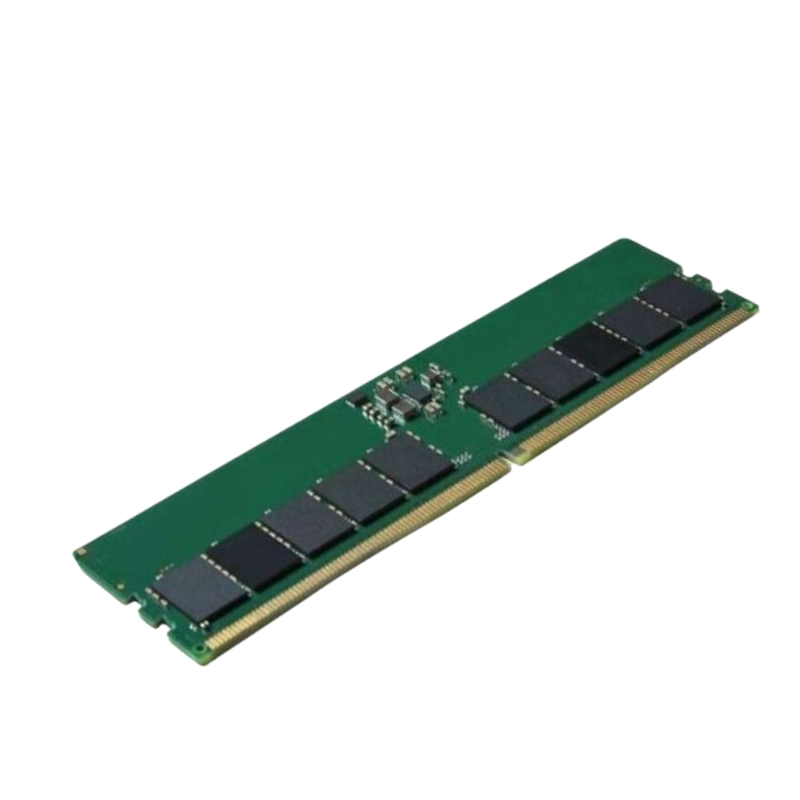


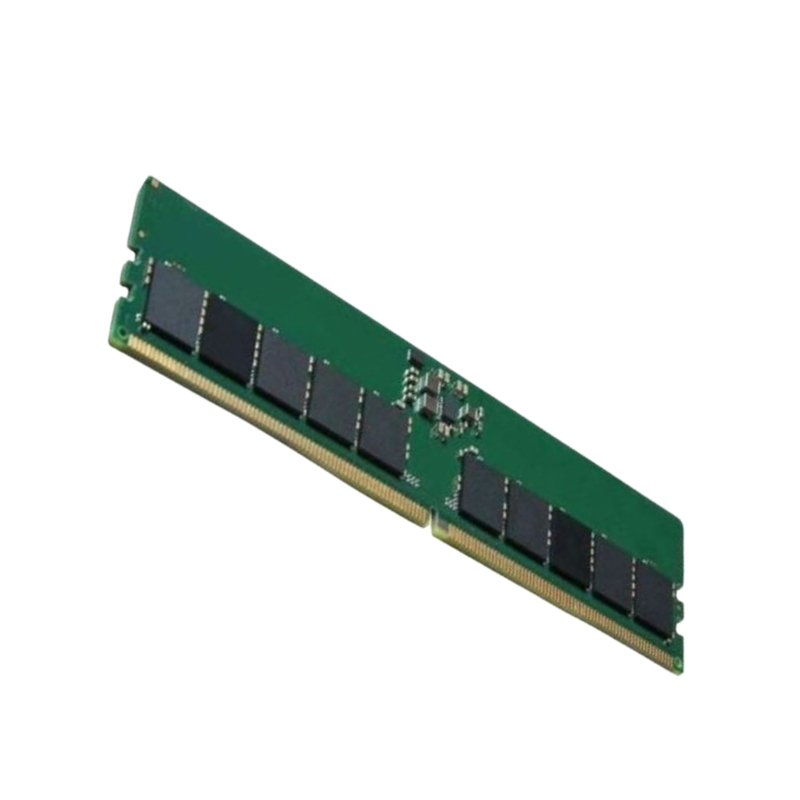
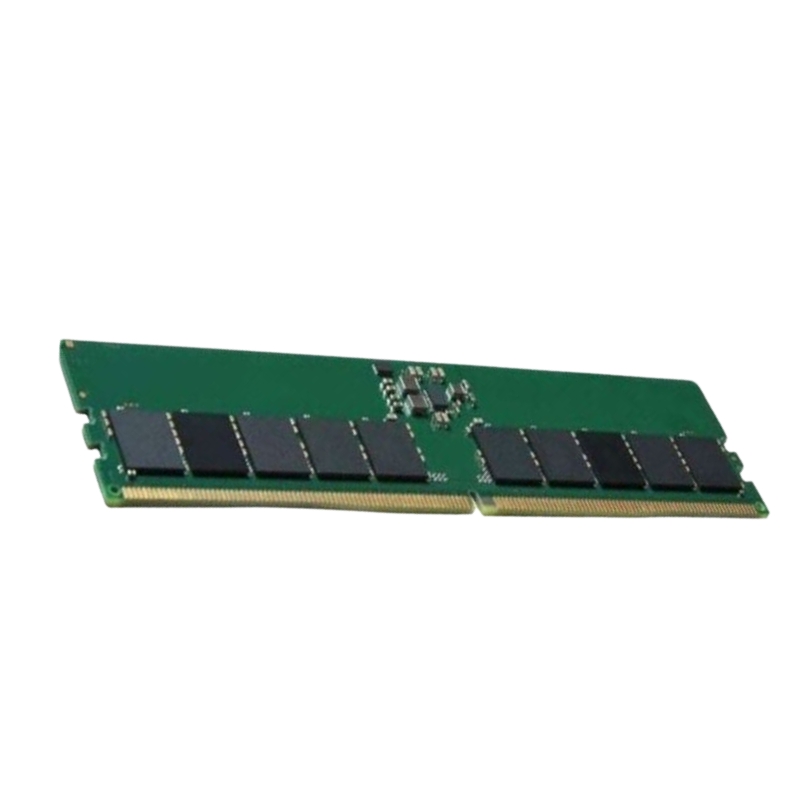
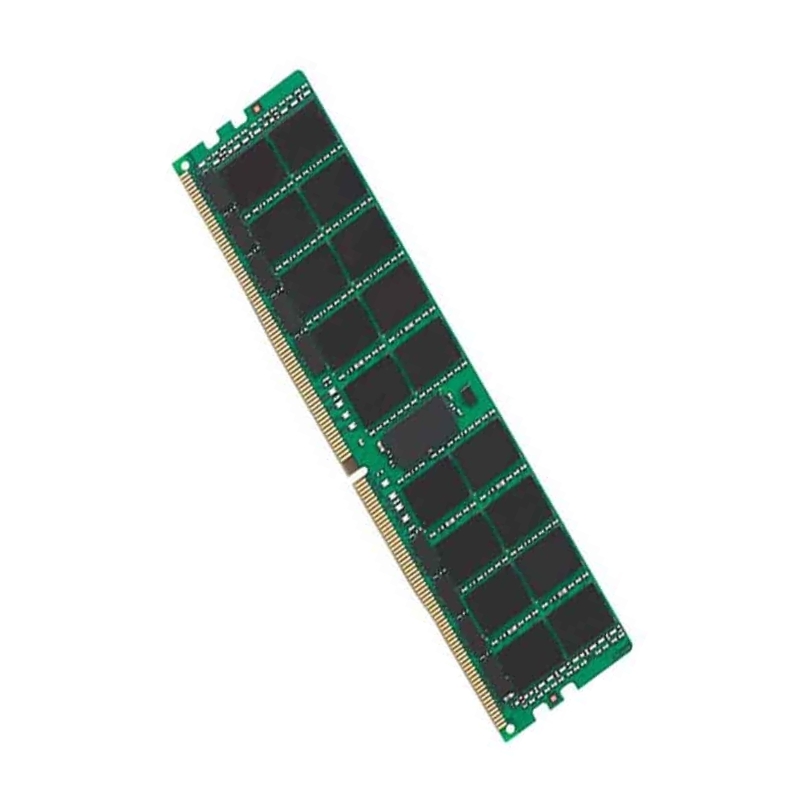
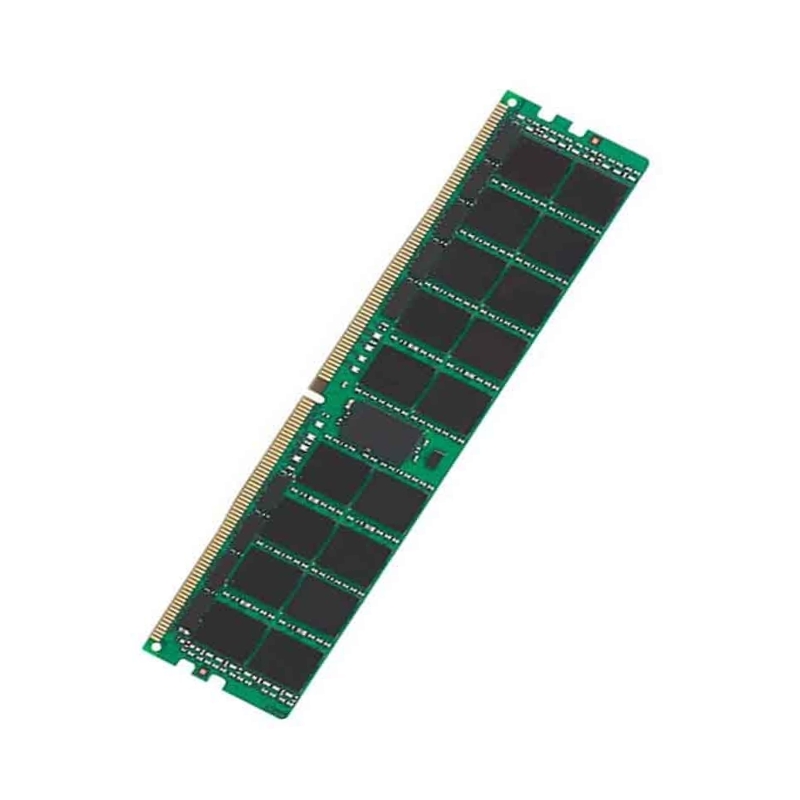
Supermicro MEM-DR564MC-ER48 64GB DDR5 4800MHz Pc5-38400 Dual Rank Ecc Registered 1.1v Cl40 DDR5 SDRAM 288-Pin Rdimm Memory Module for Server. New (System) Pull with 1 year replacement warranty - Micron Version
Memory modules are engineered to meet the increasing demands of virtualization, artificial intelligence workloads, database management systems, high-performance computing (HPC), and enterprise resource planning platforms. Compared to previous DDR4 generations, this category introduces architectural improvements that enhance bandwidth, reduce power consumption, and improve signal integrity, making it a cornerstone for modern server deployments.
The server memory category represented by the MEM-DR564MC-ER48 Supermicro DDR5 4800MHz 64GB PC5-38400 Dual Rank ECC Registered RDIMM module focuses on high-capacity, high-reliability memory solutions designed specifically for enterprise servers, data centers, cloud infrastructure, and mission-critical computing environments. This category encompasses next-generation DDR5 Registered DIMM (RDIMM) modules that prioritize performance scalability, electrical stability, error correction, and platform compatibility across modern server architectures.
DDR5 memory modules in this category operate at significantly higher data transfer rates, with 4800MHz being a baseline frequency that enables increased throughput for memory-intensive applications. The PC5-38400 specification indicates a theoretical peak bandwidth of 38.4 GB/s per module, providing faster access to data and reduced latency for multi-threaded server workloads.
This enhanced bandwidth allows servers to process larger datasets more efficiently, making DDR5 RDIMM modules ideal for analytics, real-time processing, and large-scale transactional systems. The improved channel efficiency of DDR5 also allows better scaling across multiple memory channels, ensuring optimal performance in dual-socket and multi-socket server configurations.
One of the defining architectural improvements of DDR5 memory is the division of each DIMM into two independent 32-bit subchannels. This design enhances parallelism and improves command efficiency, resulting in lower latency and higher effective bandwidth. In server environments, this translates to smoother workload execution and reduced bottlenecks during peak processing periods.
The dual-subchannel architecture also improves reliability and efficiency when handling multiple concurrent operations, making DDR5 RDIMM modules particularly suitable for virtualized environments where numerous virtual machines compete for memory resources.
Error-Correcting Code (ECC) memory is a foundational requirement in enterprise server memory categories. ECC technology detects and corrects single-bit memory errors in real time, preventing data corruption and system crashes. This feature is essential for maintaining data integrity in applications such as financial systems, healthcare databases, scientific simulations, and enterprise storage platforms.
DDR5 ECC RDIMM modules provide enhanced error detection capabilities compared to non-ECC memory, ensuring consistent system uptime and protecting against silent data corruption. This category is designed for environments where accuracy, stability, and reliability are non-negotiable requirements.
Registered DIMM technology incorporates a register between the memory controller and the DRAM modules, reducing the electrical load on the memory controller. This allows servers to support higher memory capacities and more populated DIMM configurations without compromising stability or performance.
RDIMM memory modules are essential for enterprise-grade servers that require large memory footprints. The registered design ensures consistent signal timing and improved scalability, making this category ideal for dense server deployments and memory-intensive workloads.
The 64GB capacity offered by modules in this category strikes a balance between high density and cost efficiency. High-capacity DDR5 RDIMM modules allow servers to support larger in-memory datasets, reducing reliance on slower storage tiers and improving overall application responsiveness.
This capacity level is particularly beneficial for virtualization platforms, enabling higher virtual machine density per host. It also supports in-memory databases, caching layers, and real-time analytics engines that require substantial memory resources to operate efficiently.
DDR5 RDIMM memory modules are designed to scale seamlessly across multiple DIMM slots and memory channels. This scalability allows IT administrators to start with a modest configuration and expand memory capacity as workload demands grow, without replacing existing modules.
The ability to scale memory efficiently supports long-term infrastructure planning and reduces total cost of ownership by extending the usable lifespan of server hardware.
Operating at 1.1 volts, DDR5 RDIMM memory modules offer improved power efficiency compared to previous generations. Lower voltage operation reduces overall power consumption, contributing to lower operating costs and improved energy efficiency in data center environments.
Power efficiency is a critical consideration for modern data centers, where energy costs and thermal constraints play a significant role in infrastructure design. DDR5 memory helps organizations meet sustainability goals while maintaining high performance.
DDR5 memory modules incorporate an on-module Power Management Integrated Circuit (PMIC), which improves voltage regulation and reduces electrical noise. This enhancement leads to more stable operation and improved reliability, especially in high-density server configurations.
The PMIC also enables finer-grained power control, allowing memory modules to adapt to workload demands and optimize energy usage dynamically.
CAS latency (CL) is a key performance metric in memory modules, indicating the delay between a read command and data availability. DDR5 RDIMM modules in this category typically feature CL40 latency, optimized to balance high frequency operation with stable performance.
While higher frequencies often result in increased latency values, the overall performance of DDR5 memory remains superior due to its increased bandwidth and architectural improvements. This makes CL40 DDR5 RDIMM modules well-suited for enterprise workloads that prioritize throughput and concurrency.
Server memory in this category is designed to maintain consistent performance under sustained workloads. Advanced thermal design and robust signal integrity ensure that performance does not degrade during prolonged periods of high utilization.
This consistency is crucial for enterprise applications that require predictable response times and stable throughput, such as transaction processing systems and cloud service platforms.
DDR5 RDIMM memory modules are compatible with the latest server processors that support DDR5 technology. This includes modern CPU platforms designed for enterprise and data center use, enabling organizations to leverage the full performance potential of next-generation hardware.
Compatibility with current server architectures ensures that this memory category remains relevant for future upgrades and platform refresh cycles.
The 288-pin RDIMM form factor is the industry standard for DDR5 server memory, ensuring broad compatibility across a wide range of enterprise server motherboards. This standardized design simplifies deployment and reduces the risk of compatibility issues.
The physical design of DDR5 RDIMM modules also supports improved airflow and thermal management within server chassis, contributing to overall system reliability.
DDR5 RDIMM memory is a critical component in virtualization and cloud computing environments, where memory capacity and bandwidth directly impact virtual machine density and performance. High-capacity DDR5 modules enable cloud providers and enterprises to maximize resource utilization and deliver consistent service levels.
The reliability and scalability of ECC RDIMM memory make it an ideal choice for multi-tenant environments where stability and data integrity are paramount.
High-performance computing and artificial intelligence workloads demand fast, reliable memory to handle complex calculations and large datasets. DDR5 RDIMM memory provides the bandwidth and capacity needed to support machine learning training, scientific simulations, and advanced analytics.
The improved efficiency and parallelism of DDR5 architecture help accelerate data processing and reduce time-to-insight for computationally intensive tasks.
Enterprise databases and storage platforms benefit significantly from high-capacity DDR5 RDIMM memory, which enables faster query processing, improved caching, and reduced latency. ECC protection ensures data accuracy, while registered design supports large memory configurations required by modern database engines.
This memory category is well-suited for transactional databases, data warehousing, and software-defined storage solutions.
DDR5 RDIMM memory modules in this category undergo extensive testing and validation to ensure compatibility, reliability, and performance in enterprise server environments. This includes stress testing, thermal validation, and platform-specific compatibility checks.
Rigorous quality assurance processes help minimize deployment risks and ensure long-term stability in production environments.
Server memory modules are engineered for 24/7 continuous operation, supporting mission-critical applications that require uninterrupted uptime. The combination of ECC protection, registered design, and robust manufacturing standards ensures dependable performance over extended periods.
This focus on durability and reliability makes DDR5 RDIMM memory a foundational component in enterprise IT infrastructure.
As enterprise workloads continue to grow in complexity and scale, DDR5 RDIMM memory provides the performance headroom needed to support future demands. Increased bandwidth, improved efficiency, and higher module capacities position this memory category as a long-term investment in server infrastructure.
Organizations adopting DDR5 RDIMM memory can confidently plan for future expansion, knowing that their memory infrastructure is aligned with next-generation computing requirements.
DDR5 RDIMM memory adheres to industry standards for performance, reliability, and compatibility, ensuring broad support across hardware and software ecosystems. This alignment reduces vendor lock-in and provides flexibility in server procurement and deployment strategies.
By adopting standardized DDR5 server memory, enterprises can maintain interoperability and simplify maintenance across diverse IT environments.


 Contact Us
 Information
 Catalog
 Solid State Drives (SSD)
 Network Switches
 Hard Disk Drives
 HBA & Controllers
 PC & Servers
 PC & Server Memory
 CPU & Processors
 Network Routers
 Power Supplies
 Tape Drives & Libraries
 Network Devices
 Computer & Network Cables