(7% discount is applied at checkout)
Cart is empty
Your go-to destination for cutting-edge server products
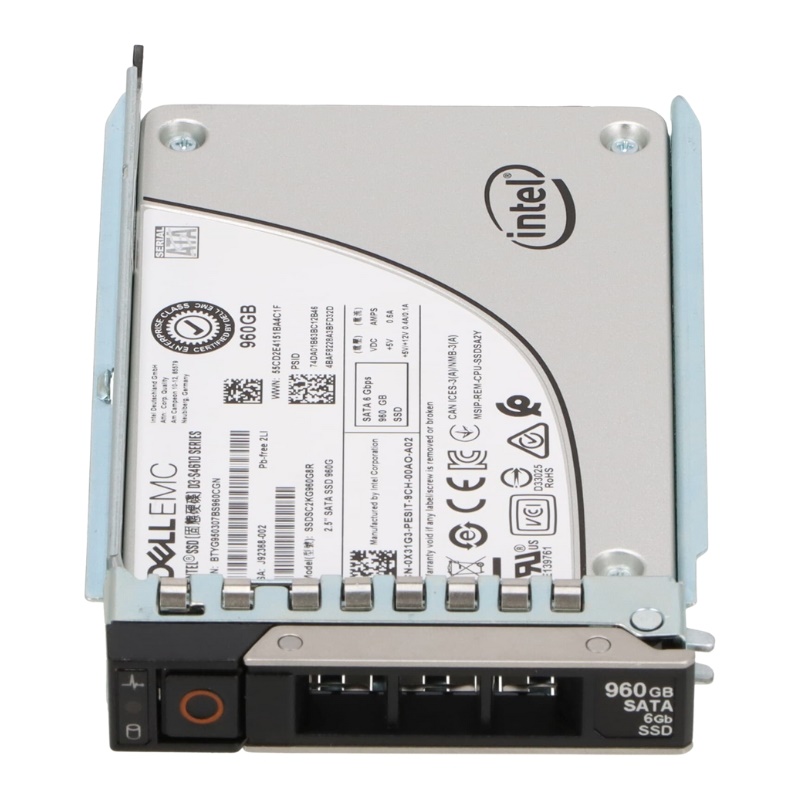


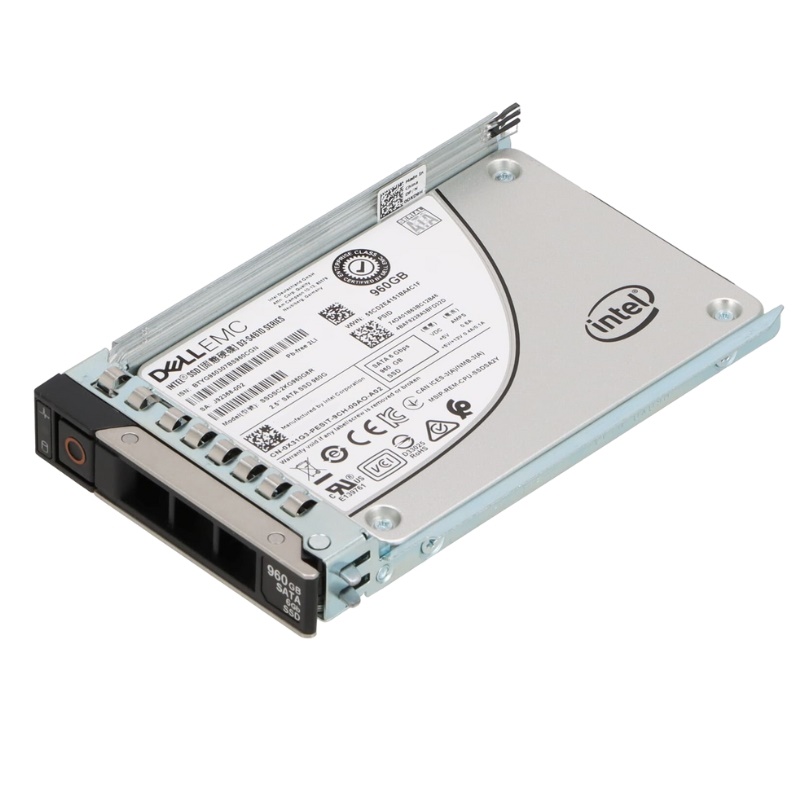
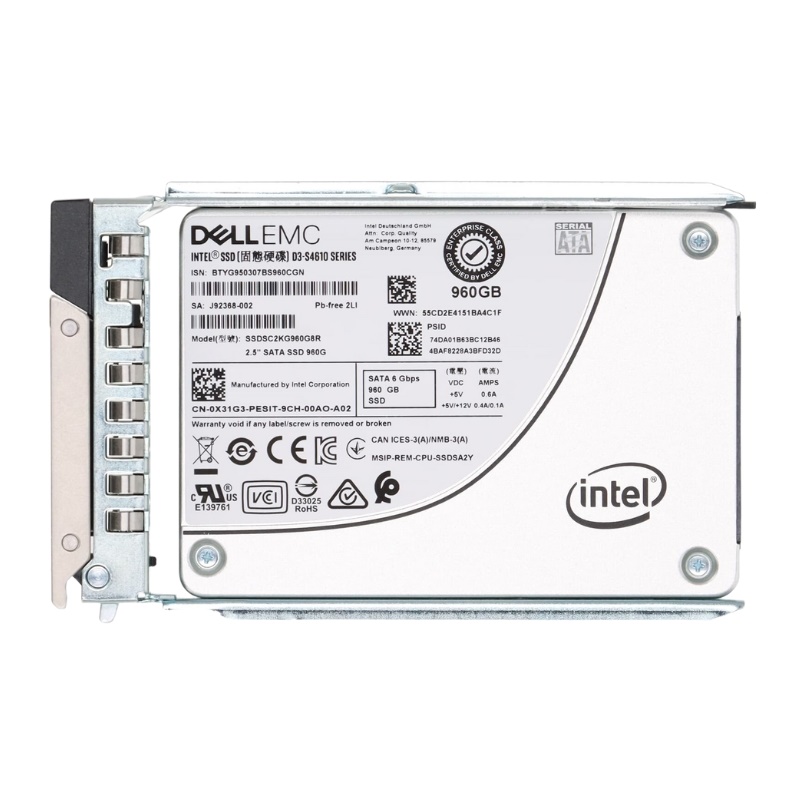
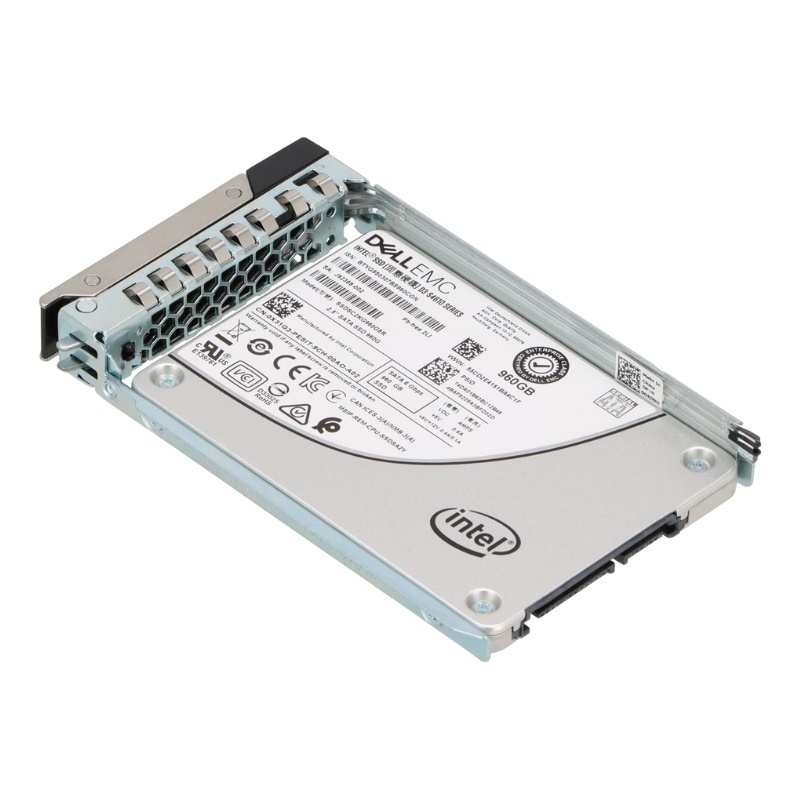
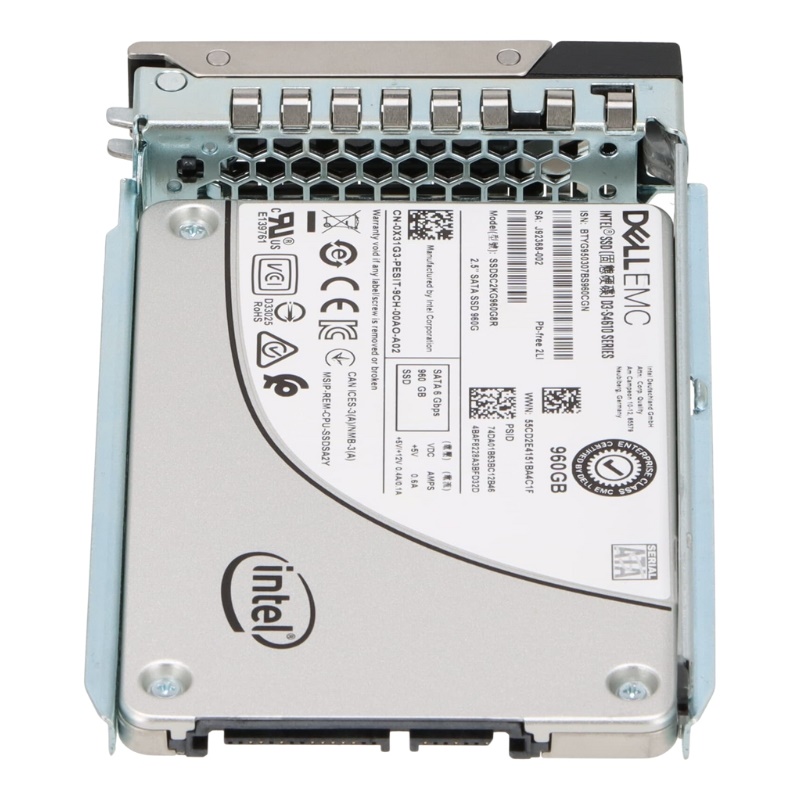
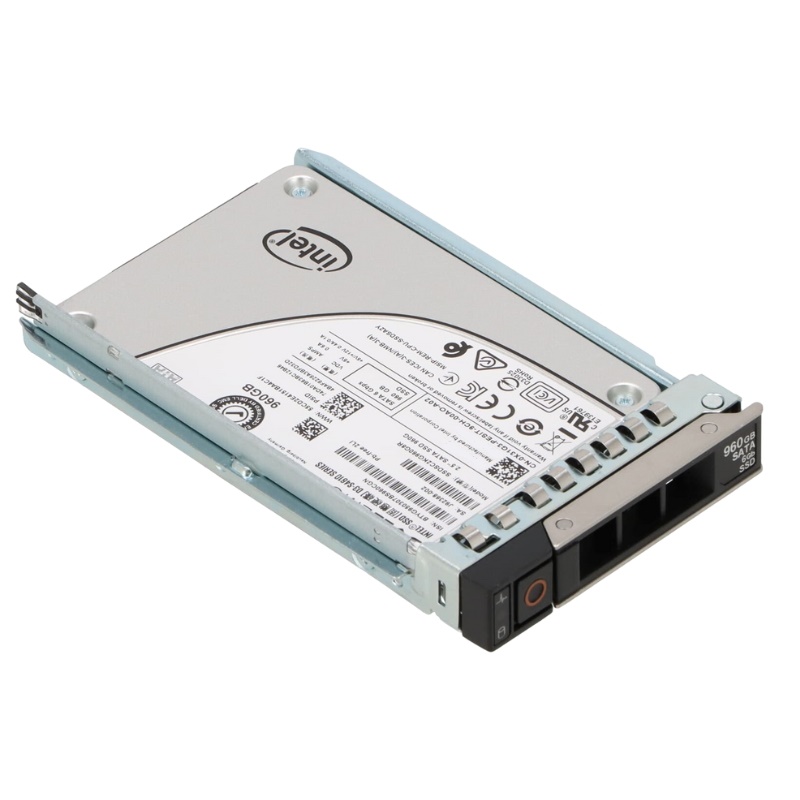
Dell 7GR2K 960GB SATA-6GBPS Mixed-Use TLC SFF with tray for Server Solid State Drive. Excellent Refurbished with 1 year replacement warranty
| SKU/MPN | Warranty | Price | Condition | You save |
|---|---|---|---|---|
| 7GR2K | 1 Year Warranty | $330.00 | Excellent Refurbished | You save: $115.50 (26%) |
| 7GR2K | 1 Year Warranty | $831.00 | New Sealed in Box (NIB) | You save: $290.85 (26%) |
This SSD is engineered for seamless integration with a wide range of Dell PowerEdge servers:
The Dell 7GR2K 960GB SATA-6GBPS Mixed-Use TLC SFF with tray for Server Solid State Drive represents a focused blend of capacity, performance, and endurance tailored for mixed-use server workloads in enterprise and data center environments. Engineered for small form factor (SFF) bays and designed to operate within standard 2.5-inch chassis and hot-swap trays, this drive targets database servers, virtualization hosts, web servers, and mixed read/write applications where predictable latency and consistent performance matter. With a 960GB capacity that balances usable storage and cost efficiency, the drive uses 3D TLC NAND optimized for mixed-use endurance, offering a reliable choice for organizations looking to increase IOPS while maintaining SATA compatibility with a broad range of server platforms.
Built around the compact 2.5-inch small form factor (SFF), the Dell 7GR2K drive fits easily into modern server trays and sleds, enabling higher drive densities per chassis versus larger form factors. The drive ships with a tray adapter when required, simplifying installation in legacy or branded server bays where trays are mandatory for proper airflow and locking. Its SATA-6Gbps interface ensures backwards compatibility with older SATA controllers and reliable interoperability with many RAID controllers and onboard SATA ports used across enterprise-grade servers. The mechanical dimensions and connector placements conform to industry standards, while the tray accessory aligns with Dell PowerEdge drive caddies so that administrators experience the same installation ergonomics they expect from OEM drives.
Performance for a mixed-use SATA SSD is defined by a balance of sequential throughput and random IOPS across read and write operations. The 960GB Dell 7GR2K is tuned to deliver consistently high sequential read and write throughput for large file transfers and streaming workloads, while also offering strong random read and write IOPS for transactional databases and virtualization. Mixed-use optimization in the controller firmware reduces write amplification and manages garbage collection to preserve consistent low latency under sustained workloads. Administrators can expect predictable response times under realistic server workloads, and performance scales well when drives are deployed in RAID arrays, where throughput aggregates while latency remains bounded by the controller and bus architecture.
Endurance metrics such as drive writes per day (DWPD) and terabytes written (TBW) are critical when selecting drives for mixed-use scenarios. The use of 3D TLC NAND balances cost per gigabyte and endurance, and controller-level techniques such as advanced wear leveling and error correction help increase effective drive lifetime beyond raw NAND specifications. Mixed-use drives are rated to sustain a defined number of full-drive writes per day over a specified warranty period, which makes capacity planning predictable for continuous server operations. Data integrity features such as end-to-end data path protection and robust ECC algorithms ensure silent data corruption is minimized, and power-loss protection mitigates the risk of incomplete writes during unexpected shutdowns.
Mixed-use enterprise SSDs like this one excel in environments that require both high read throughput and durable write performance. Typical use cases include virtual machine storage where multiple VMs generate numerous small random IOs, database systems with mixed transactional and analytical workloads, caching layers in web stacks, and mail or collaboration servers where reads and writes alternate frequently. The drive’s architecture provides a strong foundation for database log files, application storage, and boot volumes where responsiveness and endurance are both necessary. It also offers a cost-effective alternative to higher-endurance drives for deployments where pure write-intensive workloads are limited or mitigated by system-level caching strategies.
Compatibility with server platforms, RAID controllers, and management ecosystems is a pivotal selection factor for enterprise storage components. The Dell 7GR2K 960GB SATA SSD is designed to integrate seamlessly with Dell PowerEdge configurations and is also broadly compatible with other server vendors that accept standard 2.5-inch SATA drives. System firmware, BIOS/UEFI settings, and RAID controller firmware may influence the drive’s behavior, particularly in RAID configurations where write-back caching, battery-backed cache or NV cache features change IO characteristics. Administrators must validate firmware compatibility and perform firmware updates where necessary to achieve optimal performance and reliability. Additionally, integration with monitoring frameworks that parse SMART attributes and vendor extensions allows for fleet-wide health monitoring and automated alerting.
The tray accessory included with certain packages simplifies hot-swap operations by providing a locking mechanism and handle that matches OEM drive sled standards. Hot-swap capability is essential in high-availability environments because it enables rapid replacement of failed drives without downtime. The physical design ensures that insertion and removal operations maintain proper connection sequencing to reduce the risk of mechanical or electrical damage. Serviceability is further improved by clear part numbers, labels, and vendor support tools that identify failing drives and provide replacement logistics. Administrators should follow established maintenance windows and hot-swap procedures to preserve system integrity.
Using the 960GB mixed-use SATA SSD in RAID arrays provides redundancy and performance advantages. RAID levels that combine striping and parity can accelerate sequential throughput while protecting against single-drive failures. However, RAID rebuild times with large-capacity SSDs must be considered: long rebuilds increase exposure to a second failure event during the recovery window. Modern RAID controllers and software RAID implementations mitigate rebuild impact via background consistency checks, background rebuild throttling, and support for faster rebuild algorithms. Pairing drives with enterprise RAID controllers that support SSD-friendly features such as TRIM pass-through and SMART monitoring provides a more resilient architecture for production systems.
Real-world deployments illustrate where the Dell 7GR2K 960GB SATA SSD provides the most value. In virtualized infrastructures, the drive handles numerous small random IOs from converged VMs, offering lower latency and better consolidation ratios. In database servers, it provides dependable transactional performance for mixed read/write workloads including OLTP systems and analytics that combine sequential reads with frequent small writes. For caching layers in multi-tiered architectures, it acts as a high-speed persistence layer that accelerates response times while offloading primary storage. Web servers, content delivery nodes, and application servers also gain from the reduced seek times and consistent throughput inherent to SSDs.
Important technical considerations include the SATA-6Gbps interface, 2.5-inch small form factor, 960GB raw capacity, 3D TLC NAND composition, enterprise-grade controller with mixed-use firmware, SMART telemetry support, power-loss protection mechanisms, and compatibility with enterprise trays and caddies. These attributes, combined with OEM validation for specific server models, create a package aimed at administrators who require dependable mixed-use performance with straightforward deployment mechanics. The drive’s balance of throughput, endurance, and price point makes it an appealing choice for those upgrading tiered storage, refreshing aging server fleets, or deploying new clusters where cost-effective performance is essential.
When installing the drive, confirm the server’s compatibility list, update RAID controller firmware to the recommended level, and verify BIOS/UEFI settings for SATA modes and hot-swap support. Configure monitoring to capture SMART attributes and vendor-specific telemetry, and schedule firmware updates during maintenance windows. Use RAID parity and redundancy settings appropriate for the workload’s risk profile, and enable secure erase or encryption features as required by compliance rules. Apply organizational policies for end-of-life sanitization and disposal, and document part numbers and serials for inventory and asset management.


 Contact Us
 Information
 Catalog
 Solid State Drives (SSD)
 Network Switches
 Hard Disk Drives
 HBA & Controllers
 PC & Servers
 PC & Server Memory
 CPU & Processors
 Network Routers
 Power Supplies
 Tape Drives & Libraries
 Network Devices
 Computer & Network Cables