(7% discount is applied at checkout)
Cart is empty
Your go-to destination for cutting-edge server products
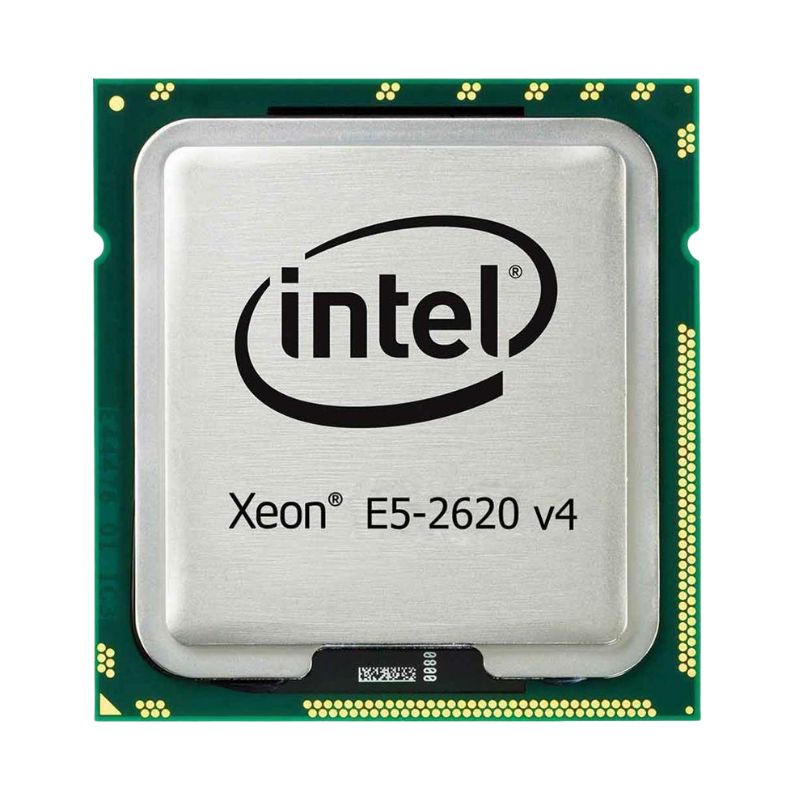


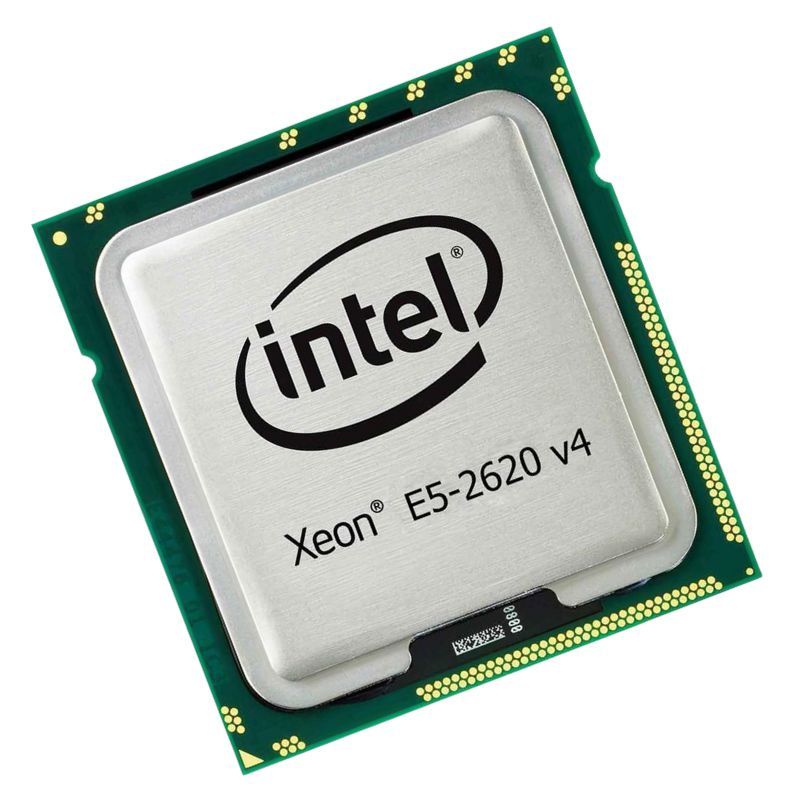
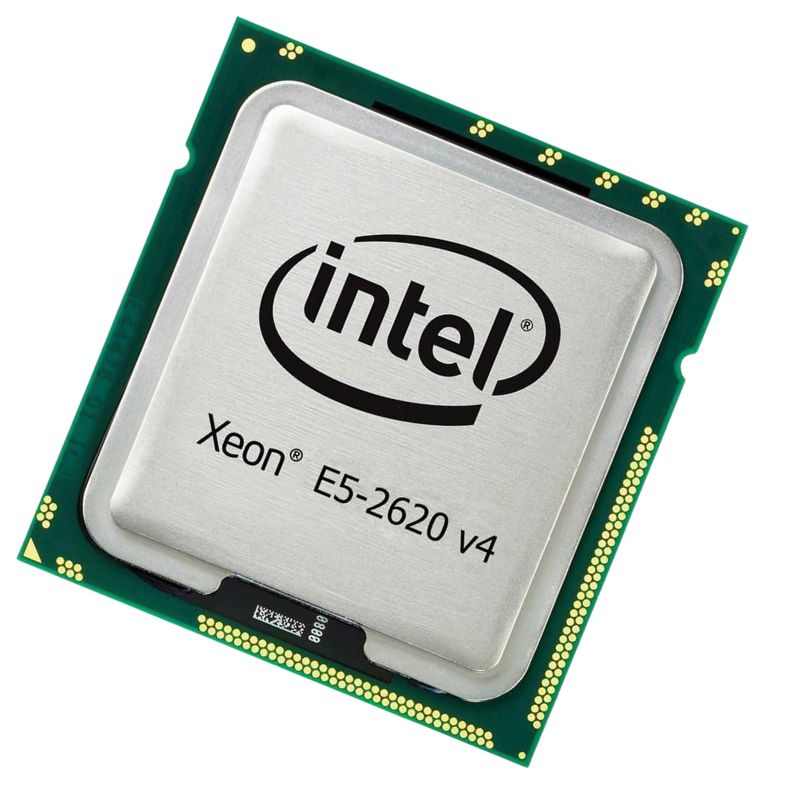
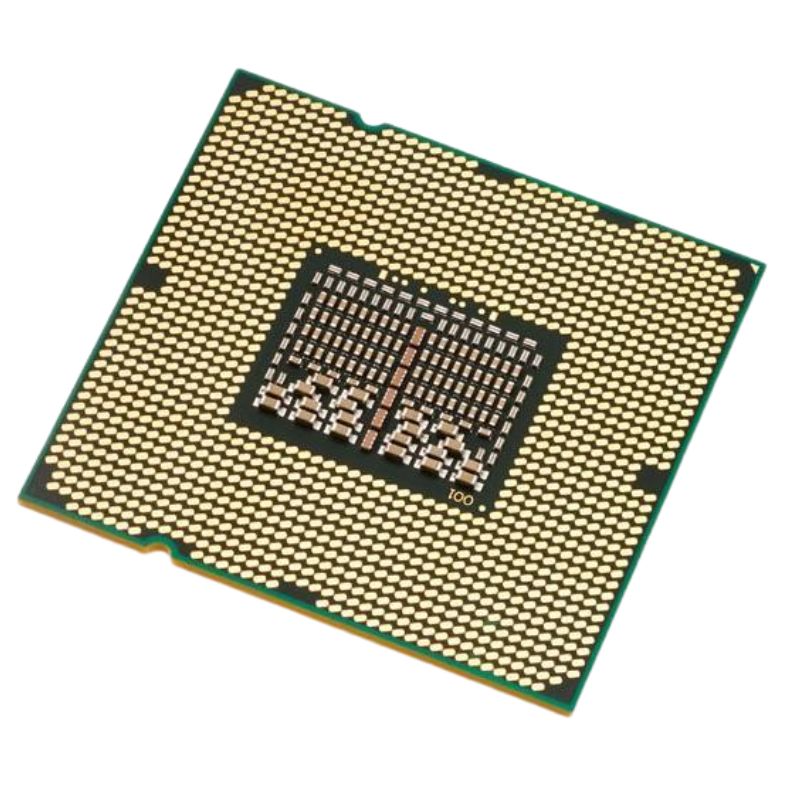
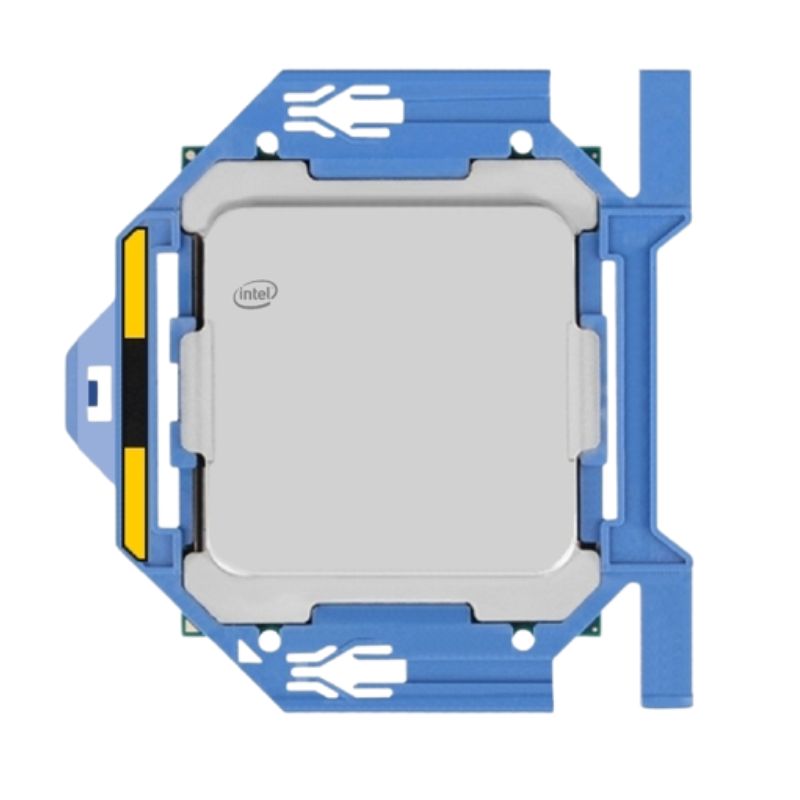
HPE 803087-B21 2.10GHz 8.00GT/s QPI 20MB L3 Cache Intel Xeon E5-2620 v4 8 Core Processor. New (System) Pull with 1 year replacement warranty
The HPE 803087-B21 is a high-performance Intel Xeon E5-2620 v4 8-Core Processor engineered for enterprise-grade servers. With a frequency of 2.10GHz, 20MB L3 cache, and 8.00GT/s QPI, it ensures optimal data handling, advanced multi-tasking, and reliability for business-critical workloads.
This CPU integrates robust processing capabilities designed to maximize efficiency in server infrastructures:
The HPE 803087-B21 Xeon Processor delivers excellent parallelism by supporting multiple cores, enabling better scalability for virtual machines, cloud computing, and data-intensive workloads.
With 8.00GT/s QPI, data transfer between CPU and other components is streamlined, reducing latency and improving response times across enterprise applications.
The 20MB shared L3 cache ensures faster execution of frequently accessed instructions, improving overall system responsiveness and throughput.
The 803087-B21 processor is engineered to integrate seamlessly with multiple HPE ProLiant Gen9 server systems, offering reliability and optimized performance for demanding IT environments.
Built on Intel’s Broadwell microarchitecture, the E5-2620 v4 strikes a balance between IPC improvements and power efficiency. Key architectural highlights include improved branch prediction, refined cache prefetchers, and support for DDR4 memory at higher speeds compared to previous generations. These refinements translate into higher real-world throughput for virtualization, web serving, database workloads, and mid-tier enterprise applications.
The thermal design power (TDP) for this processor is engineered to fit common 2U/1U server chassis configurations, enabling dense rack deployments while managing thermal budgets. The 8.00GT/s QPI link provides low-latency communication to other sockets and chipset devices. Its power profile and thermal characteristics make it suitable for mixed workload environments where sustained performance and thermals must be balanced.
The E5-2620 v4 supports DDR4 registered (RDIMM) and load-reduced (LRDIMM) memory modules across multiple memory channels depending on the server platform. Typical HPE ProLiant configurations for this SKU allow multi-channel memory configurations to maximize bandwidth and reduce latency for memory-sensitive workloads such as in-memory databases and virtualization hosts.
Server platforms using the E5-2620 v4 typically provide a mix of PCIe 3.0 lanes from the CPU and chipset, enabling high-throughput networking, NVMe storage adapters, and accelerators. When planning storage and network expansion, account for available PCIe slots and line allocation so that NICs and storage controllers get direct CPU access for lowest latency.
The E5-2620 v4 is a mid-range enterprise processor targeted at environments where core count, reasonable single-thread performance, and power-efficiency matter. It excels in these common workload categories:
With eight cores and SMT, the processor can host multiple virtual machines with predictable performance. Hypervisor features such as Intel VT-x and VT-d are supported, enabling hardware-assisted virtualization and device assignment for I/O intensive VMs.
Multi-threaded application servers (Java application servers, .NET stacks) benefit from the balanced core-to-frequency ratio. The shared L3 cache helps reduce memory-bound stalls, improving throughput for request-serving workloads and microservices.
Small-to-midsize database instances (OLTP or OLAP) often prefer more cores over extreme single-thread performance, which makes the E5-2620 v4 an apt choice when combined with sufficient memory and fast storage (SSD or NVMe). The CPU’s cache and memory channel support help accelerate index and join operations.
This SKU is commonly sold as an HPE-qualified CPU for a range of ProLiant servers, especially Gen9 platforms. Compatibility depends on BIOS/UEFI firmware level, power and thermals of the specific chassis, and the motherboard’s socket support. When integrating the E5-2620 v4, verify:
Many deployments choose the E5-2620 v4 in dual-socket configurations to double core count and memory channels, but be aware of the following:
For stable operation and maximum performance, keeping platform firmware up to date is critical. Firmware updates may include microcode patches for enhanced security, improved frequency scaling behavior, and stability fixes for multi-socket coherency. Follow HPE’s published firmware bundles for the exact server model when updating.
Like all modern processors, Broadwell-based E5 processors have benefited from microcode updates addressing speculative execution and side-channel vulnerabilities. Apply vendor-provided microcode that balances performance and security according to your organization’s risk tolerance and performance targets.
The CPU is only part of a system’s performance profile—pairing it with fast storage and appropriate network bandwidth is essential. For typical mid-range servers using 803087-B21:
For web front-ends and scale-out clusters, choose NICs that match expected bandwidth (1GbE, 10GbE, or 25/40GbE). Offloading features (SR-IOV, TOE, etc.) are available on many NICs and can reduce CPU overhead for heavy networking loads.
The E5 family is widely supported by mainstream OSes (multiple Linux distributions, Windows Server, VMware ESXi), container runtimes (Docker, containerd), and orchestration platforms (Kubernetes). Always verify the compatibility matrix of enterprise software to ensure official support for Broadwell-class CPUs in production environments.
HPE-branded server components typically comply with common regulatory standards (CE, FCC) and environmental guidelines (RoHS). When deploying at scale, capture the relevant compliance documents for audits and recycling programs for end-of-life equipment.
Follow local regulations for electronics disposal. Consider secure data-erasure procedures for storage devices and decommissioning checklists for servers that once housed the CPU.
When publishing product category content for a global audience, provide localized terms and measurement units (e.g., GHz, MB, GT/s) and multiple currencies/pricing overlays. Use hreflang tags and translated product descriptions to maximize regional search relevance while maintaining canonical technical specifications.


 Contact Us
 Information
 Catalog
 Solid State Drives (SSD)
 Network Switches
 Hard Disk Drives
 HBA & Controllers
 PC & Servers
 PC & Server Memory
 CPU & Processors
 Network Routers
 Power Supplies
 Tape Drives & Libraries
 Network Devices
 Computer & Network Cables