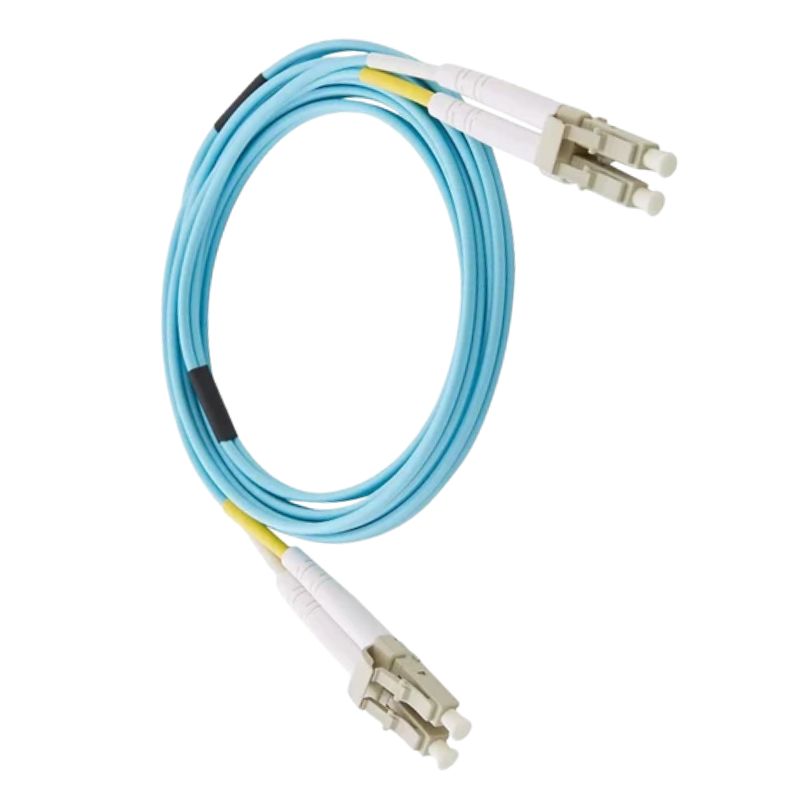
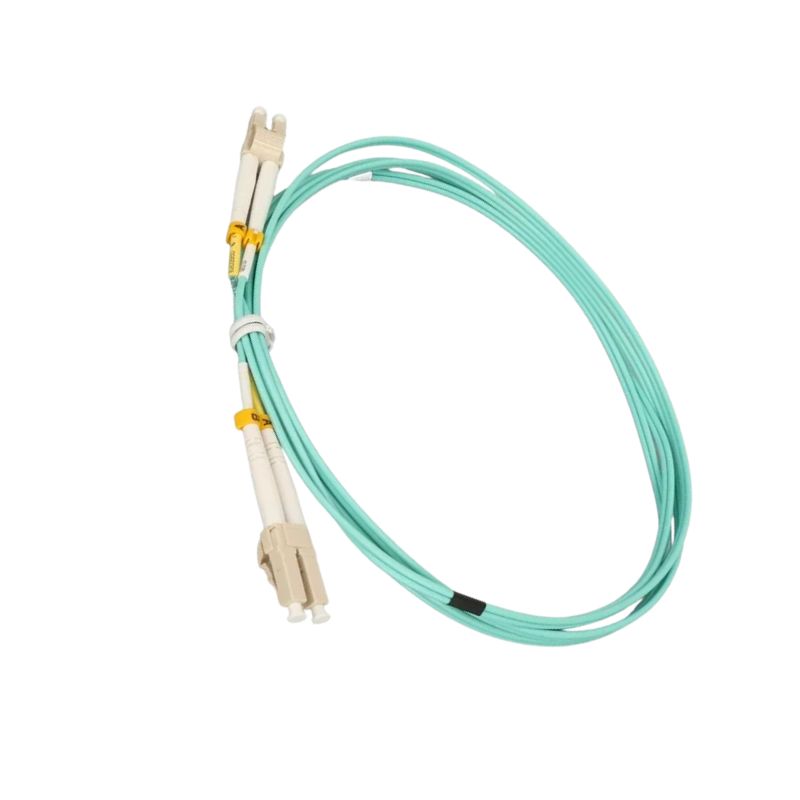
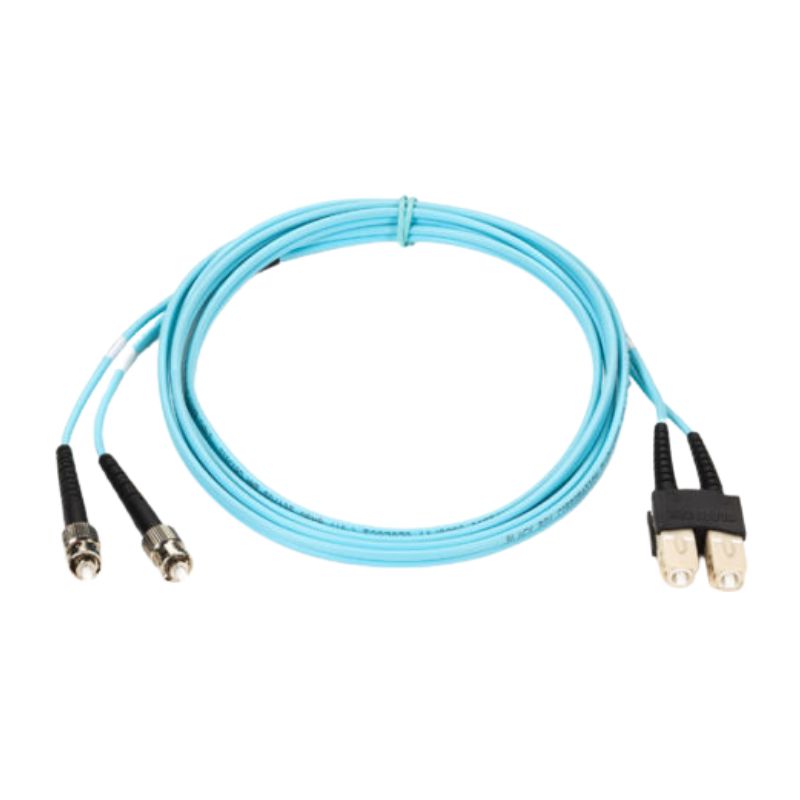
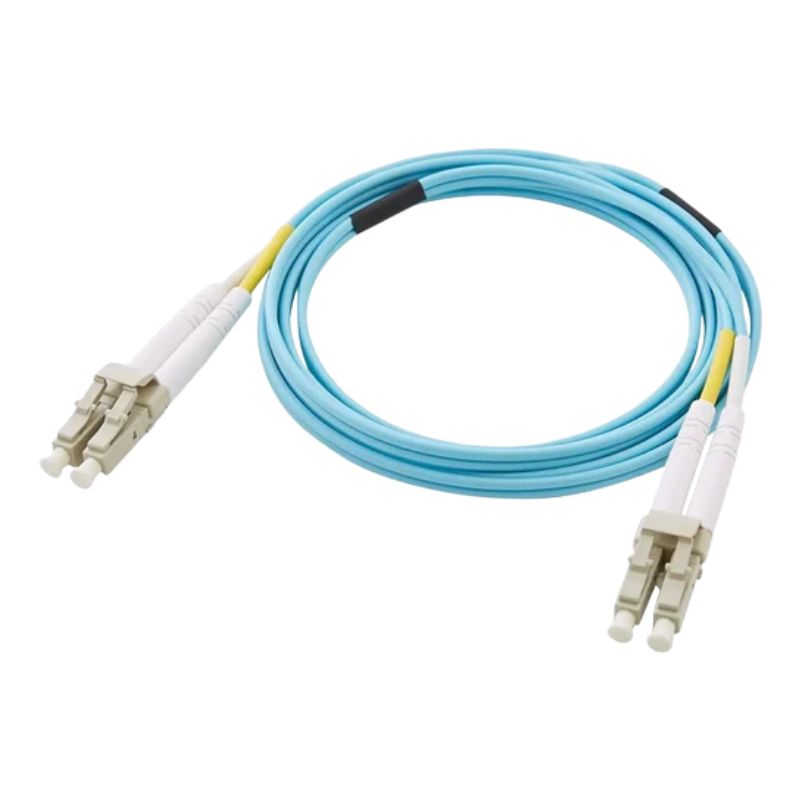
The 836245-001 HPE InfiniBand EDR QSFP 20 Meter Copper Cable is a high-performance, low-latency direct-attach copper link engineered for demanding data centre and HPC environments. Built to HPE specifications, this 20m copper interconnect delivers stable 100Gb/s-class throughput, superior signal integrity and plug-and-play compatibility with InfiniBand EDR QSFP ports.
Key Features & Highlights
- Manufacturer: HPE (Hewlett Packard Enterprise)
- Part Number / SKU: 836245-001
- Product Type: 20 meter copper cable (InfiniBand EDR QSFP)
- Designed for InfiniBand EDR and QSFP interfaces
- Optimized for low latency and high bandwidth cluster interconnects
- Robust shielding and strain relief for long-term reliability
- Plug-and-play — no firmware required for standard HPE ports
Technical Specifications
Electrical & Physical
- Length: 20 meters
- Connector type: QSFP (Quad Small Form-factor Pluggable)
- Media: Copper direct-attach cable (DAC)
- Supported speed: EDR class (up to 100Gb/s aggregate per link)
- Impedance: industry-standard for InfiniBand copper DAC
- Construction: multi-pair shielded copper with molded boots
The HPE 836245-001
When selecting interconnects for clustered systems or storage fabrics, reliability and predictable performance matter. The 836245-001 offers:
- Consistent low-latency: Ideal for high-performance computing (HPC), distributed databases and latency-sensitive workloads.
- Cost-effective connectivity: Copper DACs provide a lower-cost alternative to optical transceivers for shorter/rack-to-rack runs.
- Durability: Ruggedized design reduces failures from repeated insertions and cable strain.
- Simple deployment: No external transceivers or extra modules needed — just plug into compatible QSFP ports.
Common Use Cases
Data Centre & Enterprise
- High-bandwidth server-to-switch or switch-to-switch links
- Storage area network (SAN) interconnects with InfiniBand fabrics
- Edge and rack-level aggregation where 20m reach is required
High Performance Computing (HPC)
- Cluster node interconnects for MPI and scientific computing
- Low-latency fabrics for parallel processing workloads
Installation Tips & Best Practices
- Route cables to avoid sharp bends — follow the minimum bend radius specified by the vendor.
- Label both ends with device and port information to simplify troubleshooting.
- Keep power and high-interference sources away from copper runs to preserve signal integrity.
- Inspect QSFP connectors for dust or debris before insertion and use dust caps when cables are idle.
Key attributes and selling points
- Length: 20 meters / ~65.6 feet — suitable for large racks, cold aisles, and cross-rack connections.
- Connector type: QSFP-compatible optical transceivers on each end — plug-and-play with QSFP ports that support InfiniBand EDR.
- Media: Optical fiber — offers superior reach and immunity to EMI compared to copper assemblies.
- Performance orientation: Built for low-latency, high-throughput fabrics typical of EDR-class InfiniBand deployments.
- Form factor compatibility: Designed to work with HPE servers, switches, and compatible third-party InfiniBand equipment.
Technical specifications and compatibility
Physical and mechanical specifications
- Nominal length: 20 meters (20.0 m) — factory-terminated and tested for insertion loss and return loss.
- Cable type: Multimode or singlemode fiber variant (confirm model/subtype before purchase) — optical variants are selected by fabric topology and transceiver pairing.
- Connectors: QSFP optical plug ends that mate with QSFP cages or modules on switches and adapters.
- Sheath and jacket: Durable, data-center-rated outer jacket to resist abrasion, rack movement, and HVAC exposure.
- Bend radius and handling: Manufacturer-specified minimum bend radius recommended to preserve optical performance; handle with protective loops and cable guides.
Electrical and optical performance
- Protocol support: InfiniBand EDR (Enhanced Data Rate) — optimized for low microsecond-scale latency and high throughput.
- Throughput orientation: Engineered to sustain the line rates typical of EDR fabrics across the full 20 m link.
- Optical specifications: Factory-tested insertion loss, return loss, and optical power budgets suitable for the EDR QSFP transceiver pairing.
- EMI immunity: Optical media inherently resists electromagnetic and radio-frequency interference, improving signal integrity near power distribution paths and dense rack cabling.
Use cases and deployment scenarios
High performance computing (HPC)
In HPC environments every microsecond counts. The 20-meter optical QSFP cable enables cross-rack cluster interconnects between compute nodes, aggregation switches, and storage gateways while preserving EDR performance characteristics. It is especially valuable when compute racks are separated by cold aisles, cable trays, or containment zones that require longer links than short-reach copper can provide.
AI/ML training farms and GPU clusters
For dense GPU racks where servers are arranged in multiple rows, long-reach optical QSFP links simplify fabric topology by removing the need for intermediate patching and allow designers to place switches in optimal, thermally efficient positions without compromising bandwidth.
Storage fabrics and scale-out NAS/SAN
Large storage arrays and parallel file systems frequently require high-throughput interconnects across separate equipment rooms or between distant rack groups. A 20 m optical cable provides the reach and reliability to link storage directors and file-system nodes while maintaining predictable latency for IO-sensitive workloads.
Performance considerations and optimization
Latency and throughput trade-offs
Optical QSFP interconnects are selected when reach and stable performance outweigh the lower cost of copper alternatives. For EDR fabrics, optical links deliver consistent latency across longer distances. Keep in mind:
- End-to-end fabric design including switch buffering and topology (fat-tree, leaf-spine, direct attach) directly influences observed latency regardless of cable media.
- Proper transceiver matching and verified optical budget ensure that throughput is not reduced by marginal signal levels or high insertion loss.
- Firmware and driver versions on host adapters and switches can impact link training and error recovery behavior — maintain recommended versions for best results.
Compatibility matrix and vendor interoperability
HPE ecosystem compatibility
The HPE part 836245-001 is supplied to integrate seamlessly with HPE InfiniBand-capable switches, interconnect modules, and QSFP-enabled adapters. When deployed in an all-HPE fabric, this cable simplifies warranty and support channels and helps ensure predictable interoperability with HPE diagnostic tools and fabric management software.
Third-party and multi-vendor environments
Optical QSFP interfaces follow standard physical and logical connector rules, enabling cross-vendor compatibility in many deployments. Still, purchasers should confirm:
- Transceiver and optical media type match (e.g., ensure both ends support the same wavelengths and fiber optics type).
- Switch and host adapter firmware compatibility for link training and error handling.
- Support policy if using third-party cables with OEM ports — some vendors maintain software locks or limit support for non-branded cabling in certain circumstances.
Reliability, testing, and quality assurance
Factory testing and certification
Reputable optical interconnects are factory-tested for optical insertion loss, return loss, and mechanical integrity. The 836245-001 is expected to be supplied pre-terminated and validated to minimize field terminations and reduce installation risk. Test results and batch traceability often accompany enterprise-class assemblies to satisfy compliance and procurement audits.
On-site acceptance testing
- Run acceptance tests for BER (bit error rate), throughput, and latency across representative workloads.
- Use optical power meters or vendor diagnostic tools to confirm light levels and to compare against factory test baselines.
- Document test results, including switch logs and adapter counters, as part of commissioning reports.
Spares and inventory planning
For mission-critical fabrics, maintain a small inventory of spare 20 m QSFP optical cables and compatible transceivers to accelerate recovery from unexpected failures. Plan spares based on mean time between failures (MTBF) estimations for other fabric components and the operational criticality of connected services.
Security, compliance, and environmental impact
Security benefits of optical interconnects
Optical fiber offers intrinsic security advantages: it is difficult to tap without detection, immune to electromagnetic eavesdropping, and provides predictable signal isolation between zones. These properties make optical QSFP links attractive for security-conscious deployments, cross-domain architectures, and regulated workloads.
Regulatory and environmental standards
- Enterprises should validate that the cable and its jacket materials meet regional fire, safety, and environmental standards for data centers (for example, low-smoke zero-halogen options may be preferred in certain facilities).
- Check manufacturer documentation for recyclability information and RoHS/REACH declarations where environmental compliance is required.
Procurement considerations and buying guide
What to verify before purchase
- Exact part number and variant: Confirm that 836245-001 corresponds to a 20 m optical QSFP assembly (some part numbers have copper or different-length siblings).
- Transceiver pairing: Match the cable media to the QSFP transceiver specification (wavelength, mode, and power budget).
- Compatibility listing: Review vendor interoperability lists and compatibility matrices for switches and host adapters in your environment.
- Warranty and support: Evaluate vendor warranty terms, RMA procedures, and whether OEM support covers third-party components.
Related products and complementary components
Transceivers and QSFP modules
Pair the 20 m optical assembly with vendor-approved QSFP EDR transceivers to ensure the optical power budget and wavelength match. Consider purchasing transceivers from the same vendor or certified interoperable modules to reduce link issues and simplify support.
Patch panels, breakout modules, and management hardware
- QSFP patch panels and fiber management trays help organize and secure long runs in cross-connects.
- Breakout fanouts (where supported) can convert a QSFP link to multiple SFP+ or QSFP+ lanes for specific topologies.
- Cable management arms, trays, and labeling aids facilitate airflow and simplify maintenance.
Evaluation scoring factors
- Compatibility certainty — high (5/5) if vendor-validated, lower if mixed-vendor components.
- Reach and performance — score based on length needs and aggregate fabric bandwidth.
- Lifecycle cost — consider replacement costs, spares inventory, and potential switch reconfiguration needs.
- Supportability — OEM-backed parts simplify support escalations and RMAs.
Suggested on-page enhancements
- Include a condensed technical specification table near the top of the product listing for quick reference.
- Add manufacturer datasheet downloads and certification badges to provide authoritative documentation for technical buyers.
- Offer a visible compatibility checker tool that allows visitors to input switch and adapter models to confirm compatibility.
- Use canonical tag strategies and structured data (Product schema) to help search engines accurately index the product variant.
Final technical callouts and purchasing tips
Confirm the exact variant
Before purchasing, double-check that the 836245-001 matches the required optical variant (multimode/singlemode) and that the 20 m length is the intended run length. Slight differences in part suffixes can indicate different media types or connector options.
Plan for support and lifecycle
Align purchase timing with planned maintenance windows to allow for verification and commissioning. Maintain documentation of test results and keep spare assemblies on hand for rapid replacement in high-availability deployments.
Quick reference buyer checklist
- Confirm part number 836245-001 and length 20 m.
- Verify QSFP transceiver and fiber mode compatibility.
- Plan cable routing and secure proper cable management hardware.
- Run acceptance tests post-installation and archive results.
- Purchase spares according to service criticality and MTBF planning.
Additional resources (recommended)
- Datasheets and optical power budget tables from the transceiver vendor.
- HPE compatibility matrices and fabric deployment guides.
- Best-practice whitepapers on InfiniBand fabric topologies and EDR optimization.





 Contact Us
 Information
 Catalog
 Solid State Drives (SSD)
 Network Switches
 Hard Disk Drives
 HBA & Controllers
 PC & Servers
 PC & Server Memory
 CPU & Processors
 Network Routers
 Power Supplies
 Tape Drives & Libraries
 Network Devices
 Computer & Network Cables