(7% discount is applied at checkout)
Cart is empty
Your go-to destination for cutting-edge server products
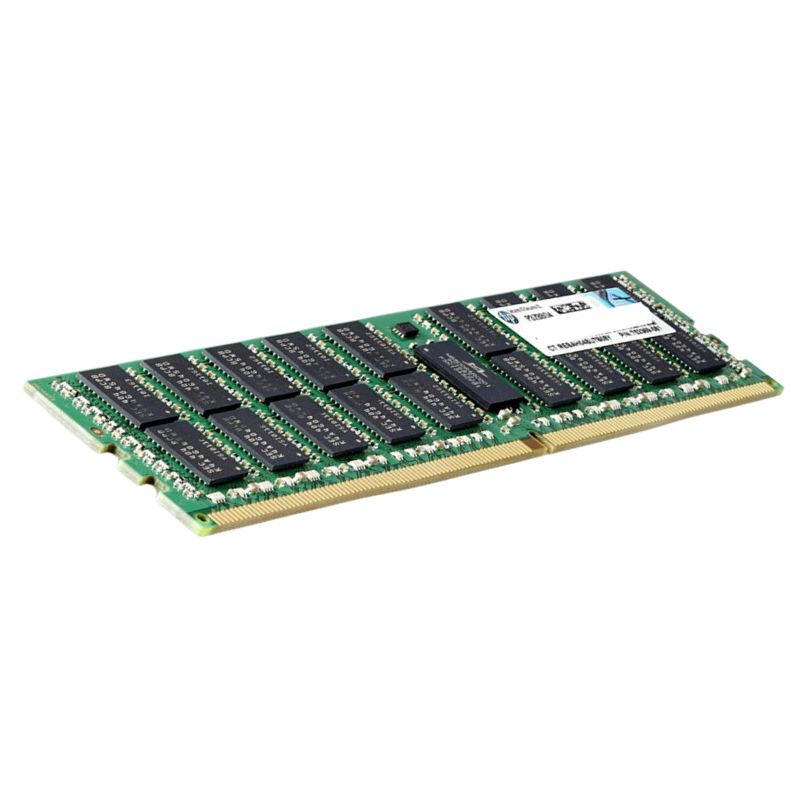


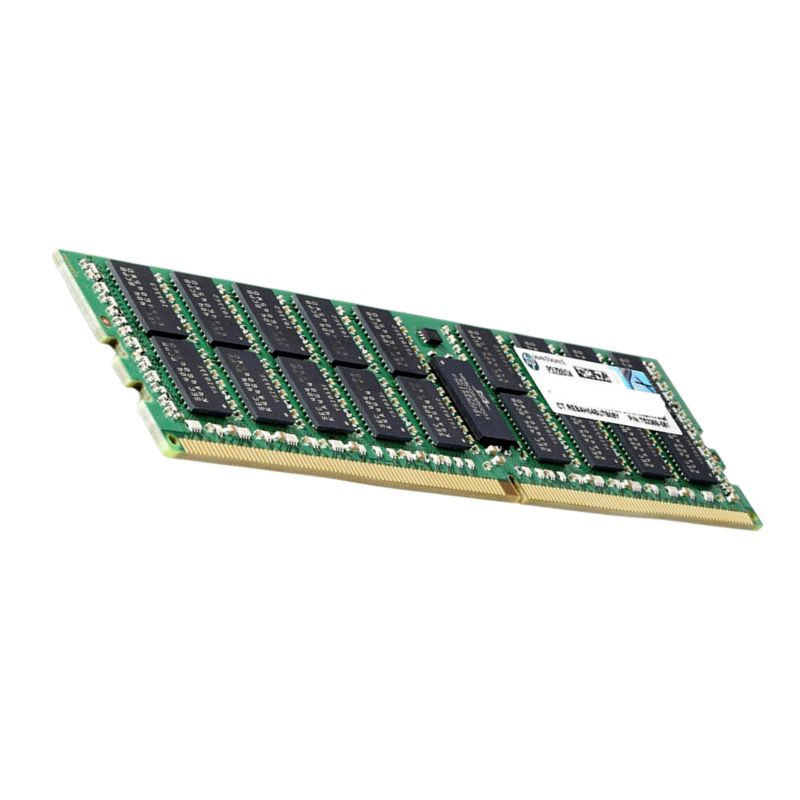
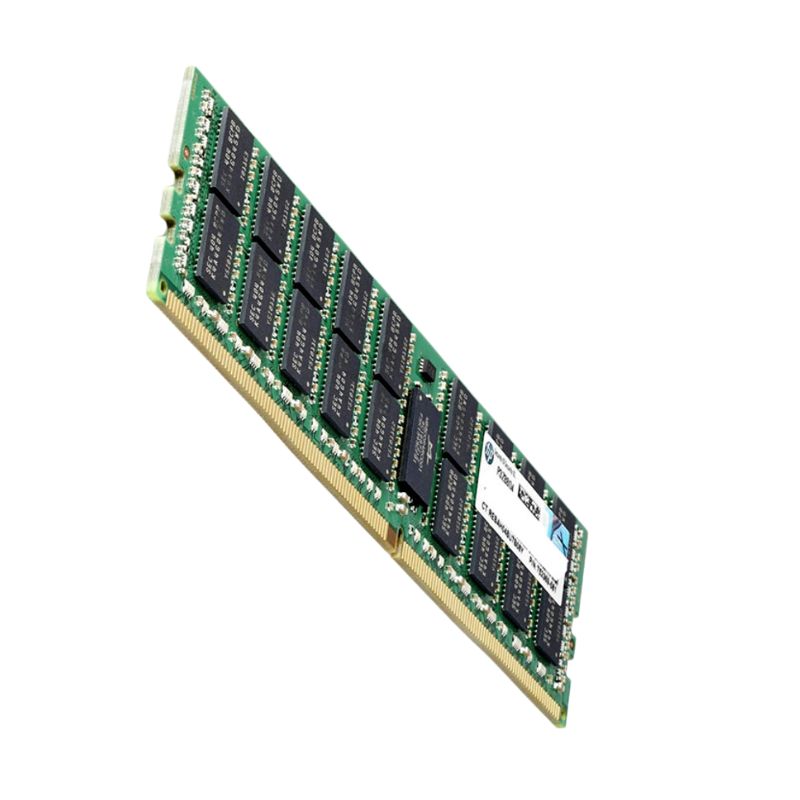
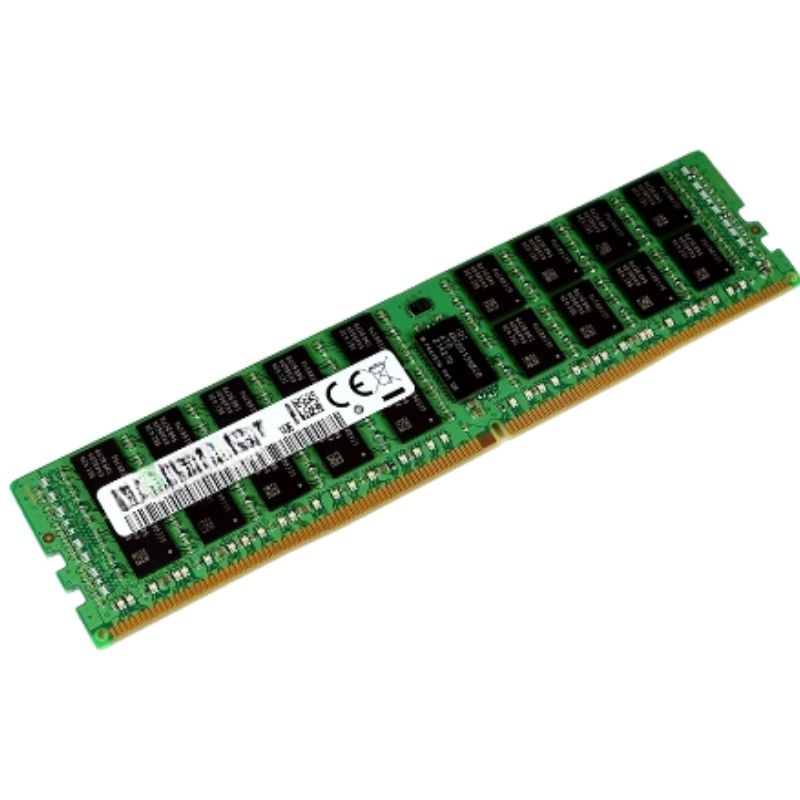
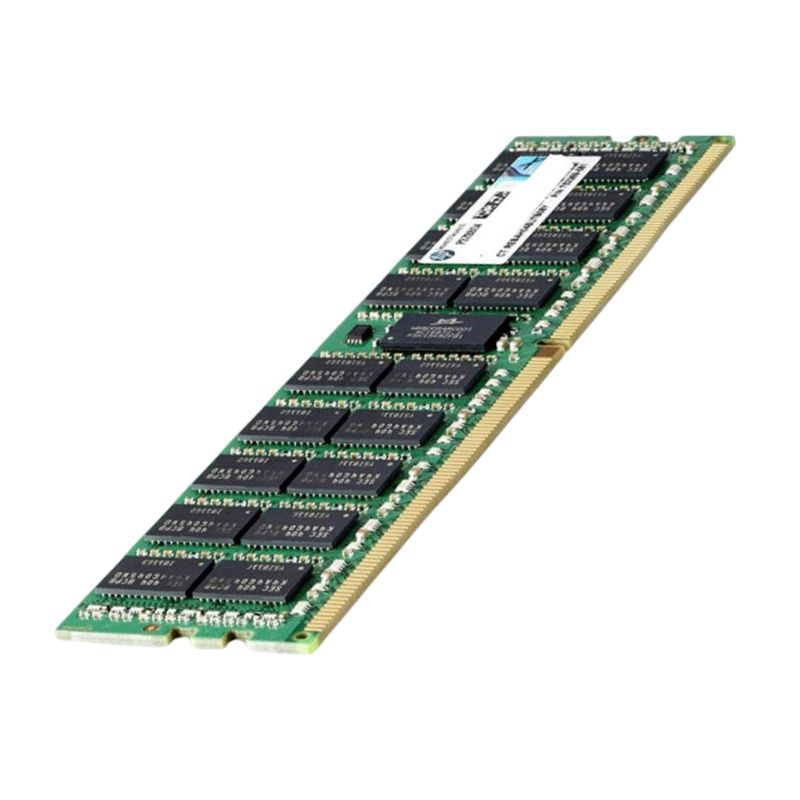
HPE 840760-691 128GB 2666MHz Pc4-21300 Cl19 ECC Rank Memory Module. New (System) Pull with 1 year replacement warranty
The HPE 840760-691 128GB DDR4 LRDIMM delivers exceptional performance, stability, and efficiency for modern data centers. Designed for high-workload environments, this enterprise-grade memory module ensures accelerated processing speeds and improved multitasking capabilities across compatible HPE servers.
The HPE 840760-691 PC4-21300 128GB 2666MHz DDR4 CL19 ECC Rank Memory Module belongs to a highly specialized category of enterprise-grade DDR4 server memory designed to support extreme data processing workloads, large-scale virtualization environments, database-intensive applications, and mission-critical server operations. As a member of the PC4-21300 DDR4 segment, this memory module operates at a peak bandwidth of 21.3 GB/s, delivering significant speed, stability, and responsiveness for modern data center infrastructures. Its 128GB capacity places it within the upper tier of high-density server memory solutions, enabling organizations to scale their memory footprint efficiently and meet the demands of rapidly expanding computational workloads.
This memory category is optimized for enterprise systems requiring large amounts of memory per node. A 128GB module allows for significant expansion within a single DIMM slot, enabling servers to achieve terabyte-level memory configurations. Such high-capacity memory modules are essential in environments involving virtualization, containerization, complex simulations, cloud analytics, multi-tenant hosting, and in-memory database workloads. The HPE 840760-691 supports intensive application stacks where memory allocation plays a crucial role in overall system performance. This memory category ensures that organizations can deploy massive workloads across fewer machines, reducing infrastructure complexity while improving computational efficiency.
The core advantage of this category lies in its ability to deliver impressive capacity without compromising performance. With data-intensive applications becoming more common, high-capacity memory modules like the HPE 128GB DDR4 DIMM allow for reduced disk paging, faster query processing, improved VM density, and greater responsiveness during peak usage. The ability to handle larger in-memory datasets is particularly valuable for distributed systems and real-time data analytics.
This memory category allows administrators to surpass the limitations of conventional lower-capacity DIMMs. Modern servers often support multiple 128GB DIMMs per channel, enabling memory configurations well above 1TB or even multiple terabytes. Such scalability is essential in environments where workloads evolve, datasets grow, and computing requirements change rapidly. By utilizing high-density modules, organizations can future-proof their infrastructure, avoid frequent upgrades, and maintain long-term operational consistency.
The PC4-21300 classification identifies this memory module as part of the 2666MHz DDR4 generation capable of delivering substantial data throughput and reduced latency. DDR4 memory represents a major step forward from DDR3 in terms of speed, efficiency, density, and signal integrity. The 2666MHz operating frequency ensures optimal bandwidth utilization for multi-core processors and memory-hungry enterprise software. This category offers significant performance gains for tasks such as real-time analytics, virtual machine provisioning, high-frequency trading platforms, and multi-threaded database processing.
The 21.3 GB/s transfer rate provided by the PC4-21300 category ensures servers can accommodate heavy workloads without bottlenecks. Bandwidth is essential for multi-threaded environments where multiple CPU cores depend on fast memory access. The HPE 840760-691 module ensures that memory channels remain saturated with data, enabling efficient parallel computation. The ability to sustain high throughput makes this category ideal for enterprise resource planning systems, AI model training, real-time monitoring platforms, and distributed data architectures.
The CAS Latency 19 (CL19) rating reflects the number of cycles required to access memory data. While higher-capacity DIMMs sometimes exhibit slightly higher latency due to architecture complexity, the CL19 rating in this category strikes a balanced performance profile for large-scale workloads. The latency is optimized to ensure responsiveness even when servers are populated with multiple memory modules operating simultaneously under heavy load.
In environments with demanding workloads, consistency is often more important than theoretical latency. The CL19 configuration within this category ensures predictable behavior under heavy load conditions, supporting database queries, high-performance computing tasks, and virtualization workloads that maintain constant memory pressure. This ensures system stability and responsiveness even as resource consumption escalates.
Modern HPE servers ship with processors that include many cores and threads capable of executing parallel operations. The CL19 latency ensures that memory operations can keep pace with CPU demands, supporting applications like scientific modeling, business intelligence platforms, and large-scale data indexing. The synergy between low latency and high memory bandwidth in this category ensures balanced computational performance across complex enterprise workflows.
The ECC feature places the HPE 840760-691 within a specialized category of memory designed to detect and correct single-bit memory errors automatically. ECC memory is essential in mission-critical applications where data integrity must be preserved at all times. This category provides hardware-level error detection mechanisms that prevent data corruption, system crashes, and subtle computational inaccuracies that can result from undetected memory errors.
Memory errors, though rare, can occur due to electrical noise, cosmic radiation, voltage fluctuations, or aging components. ECC memory proactively identifies these issues, correcting single-bit errors and alerting the system to multi-bit errors. This is essential in industries such as healthcare, banking, aviation, military communication, and enterprise cloud environments. The reliability offered by this category ensures that servers maintain continuous uptime and data integrity under all circumstances.
ECC-enabled modules work in conjunction with HPE server management tools to monitor error logs and identify DIMMs that may require future replacement. This predictive capability helps avoid catastrophic hardware failures and maintains long-term platform stability. The category ensures that even under constant heavy workloads, systems maintain stable and predictable operation.
Virtualization amplifies the need for memory reliability as numerous virtual machines or containers share the same physical hardware. ECC memory in this category ensures that errors affecting one virtual machine do not compromise the entire host environment. This reliability is essential for organizations maintaining multi-tenant cloud platforms, hosted applications, and microservices architectures that require strict uptime guarantees.
The HPE 840760-691 memory module belongs to a category featuring advanced rank architecture optimized for high-capacity and high-performance server environments. Rank layout influences memory behavior, access speed, and data organization across internal memory banks. High-density modules like the 128GB DIMM often utilize multiple ranks to distribute memory cells efficiently while maintaining stable operation at high frequencies.
Multi-rank memory structures improve performance by enabling parallel access paths across memory banks. This category ensures balanced access patterns that reduce bottlenecks and enhance throughput for complex applications. By separating memory cells into multiple ranks, the server can prefetch data more efficiently, improving response times and reducing wait cycles during heavy workload periods.
Rank interleaving is a technique supported by this memory category that spreads data requests across multiple ranks, improving bandwidth utilization. This is particularly beneficial in environments where read/write operations occur continuously and unpredictably. Rank interleaving ensures smoother operation during high-demand periods, supporting mission-critical workloads that depend on consistent performance.
Database systems often involve complex read/write patterns that place significant strain on memory architecture. The advanced rank structure found in this category improves random access performance, reduces latency irregularities, and enhances data handling efficiency. These improvements provide tangible benefits in analytical workloads requiring rapid access to large datasets.
This memory category is built around the modern DDR4 architecture, which offers improvements in bandwidth, voltage efficiency, and reliability over previous memory generations. The 288-pin interface ensures stable connectivity, enhanced signal routing, and better electrical performance. DDR4 memory continues to be the standard for many current enterprise servers due to its proven stability and widespread ecosystem support.
The 288-pin configuration establishes a stable connection between the memory module and the motherboard. Improved pin structure ensures faster signaling and reduced interference, enabling memory modules in this category to perform reliably in dense server environments. The electrical improvements baked into the DDR4 standard reduce operational noise and provide consistent performance under sustained computational demand.
DDR4 memory consumes less power compared to earlier generations, operating at lower voltage levels while maintaining high frequencies. This category minimizes energy consumption across large server deployments, reducing operational costs and heat output. Efficient power usage is essential in environments where multiple high-capacity DIMMs are installed within tightly packed server racks.
The 288-pin DDR4 interface aligns perfectly with HPE’s advanced memory controllers that enhance reliability, performance, and load balancing. This compatibility ensures that organizations deploying the HPE 840760-691 module benefit from optimized throughput, precise error handling, and extended memory lifespan even under continuous operational stress.
The internal architecture spreads heat evenly across memory chips, reducing the risk of thermal hotspots that can degrade performance or shorten lifespan. This category ensures that even under sustained load, temperature levels remain within safe operational boundaries. Uniform heat distribution is crucial for high-capacity modules operating at 2666MHz in data centers where cooling is often a challenge.
With many servers operating simultaneously, power efficiency becomes an essential component of infrastructure planning. DDR4 technology within this category reduces power consumption, lowering electricity costs associated with data center operations. The reduced voltage allows for larger memory footprints without overwhelming power supplies or cooling systems.
Continuous uptime is essential for mission-critical environments. The thermal stability offered by this memory category ensures uninterrupted performance across extended operational cycles. Stable thermal characteristics improve module durability and reduce the likelihood of performance throttling, especially in multi-socket servers running intensive workloads.
The HPE 840760-691 memory module supports a broad spectrum of enterprise workloads where memory availability directly influences system performance. The 128GB capacity offers exceptional flexibility in allocating resources for virtual machines, containers, high-performance computing tasks, and memory-intensive processing environments. This category ensures that servers can handle increasing amounts of data while maintaining efficient workload distribution.
Virtualization platforms benefit tremendously from high-capacity memory configurations. This category enables servers to host dozens or even hundreds of virtual machines simultaneously. The ability to allocate large memory pools to multiple VMs ensures smooth operation across multi-tenant systems, enterprise cloud infrastructures, and hybrid environments integrating on-premises and cloud workloads.
Modern databases depend on in-memory caching to accelerate query response times and reduce disk operations. This category provides the required capacity and speed for high-performance database engines such as Oracle, SQL Server, MySQL, PostgreSQL, MongoDB, and SAP HANA. Memory-intensive operations benefit from increased throughput, reduced latency, and improved concurrent user handling.
The HPE 840760-691 module is part of the HPE SmartMemory category, offering enhanced performance, reliability, and compatibility for HPE ProLiant servers. SmartMemory certification ensures that the module has passed extensive validation for error handling, performance optimization, and lifecycle management. This category delivers improved reliability compared to generic memory modules and ensures compatibility with HPE firmware, BIOS configurations, and memory controllers.
Through HPE Integrated Lights-Out (iLO) and other management interfaces, administrators gain access to memory health data, error trends, predictive failure warnings, and thermal readings. This category supports detailed monitoring, allowing proactive maintenance and improved uptime. Integration with HPE OneView, System Insight Manager, and related tools ensures simplified administration for complex infrastructure.
HPE SmartMemory activates advanced reliability and performance features unavailable in non-certified memory. This includes improved error checking, better load balancing across channels, and optimized timing configurations. These enhancements ensure that systems deliver consistent high performance even when heavily populated with high-density DIMMs.
The module is validated for long-term reliability through HPE’s memory certification program. This ensures that the category can sustain continuous usage across years of operation without degradation. HPE’s extended warranty and support further guarantee consistent performance and quick replacement if necessary.
The HPE 840760-691 memory category offers outstanding scalability for organizations planning long-term infrastructure growth. The massive 128GB capacity enables servers to scale quickly by adding additional modules rather than replacing entire machines. This reduces capital expenses and ensures minimal disruption during upgrades.
Workloads evolve over time, requiring systems to handle increasing amounts of data. This category ensures that servers can keep pace with new software requirements and higher resource demands. With support for multi-terabyte configurations, organizations can deploy long-term application roadmaps without frequent hardware replacement.
High-density memory modules allow businesses to scale efficiently. Instead of purchasing additional server nodes, administrators can expand memory capacity within existing infrastructure. This encourages resource consolidation, reduces cost, and simplifies data center architecture.
Many emerging technologies, including AI-driven applications, real-time analytics, and next-generation virtualization platforms, require large memory footprints. This category ensures that servers remain compatible with evolving software ecosystems and future workload demands, delivering long-term reliability and performance stability across multiple application generations.


 Contact Us
 Information
 Catalog
 Solid State Drives (SSD)
 Network Switches
 Hard Disk Drives
 HBA & Controllers
 PC & Servers
 PC & Server Memory
 CPU & Processors
 Network Routers
 Power Supplies
 Tape Drives & Libraries
 Network Devices
 Computer & Network Cables