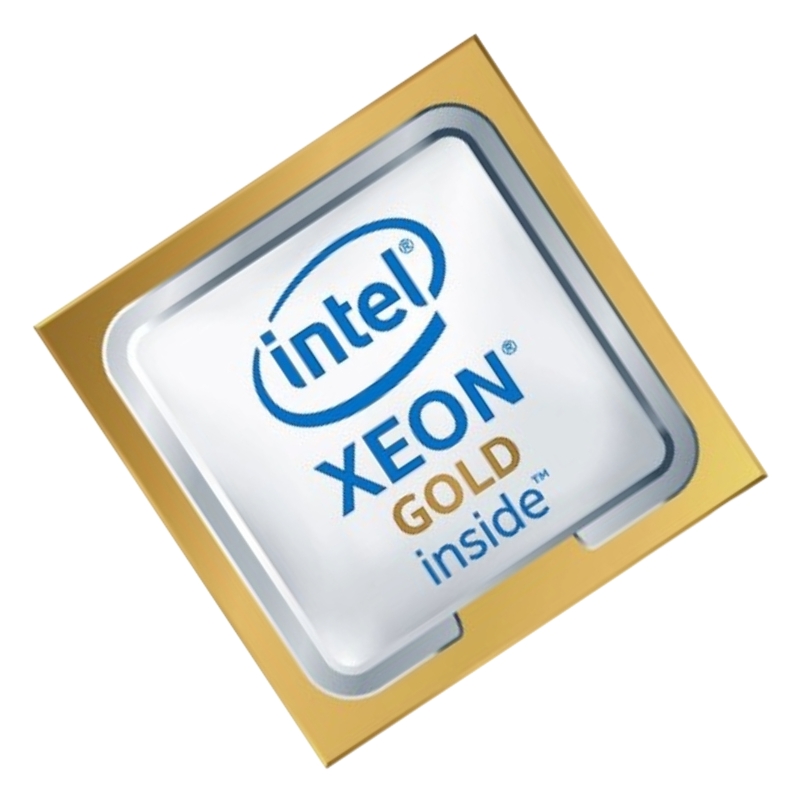
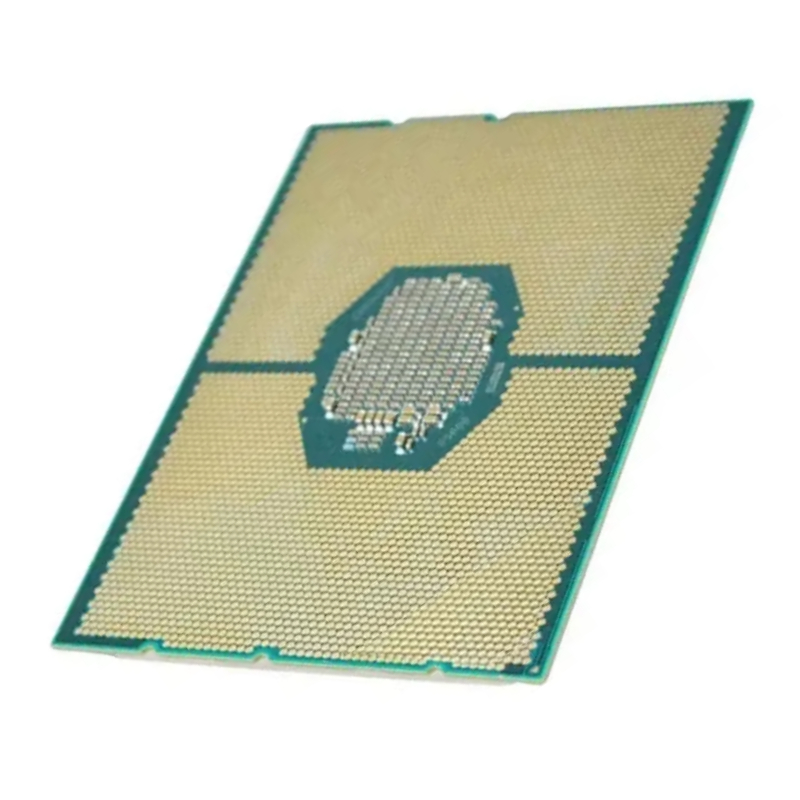
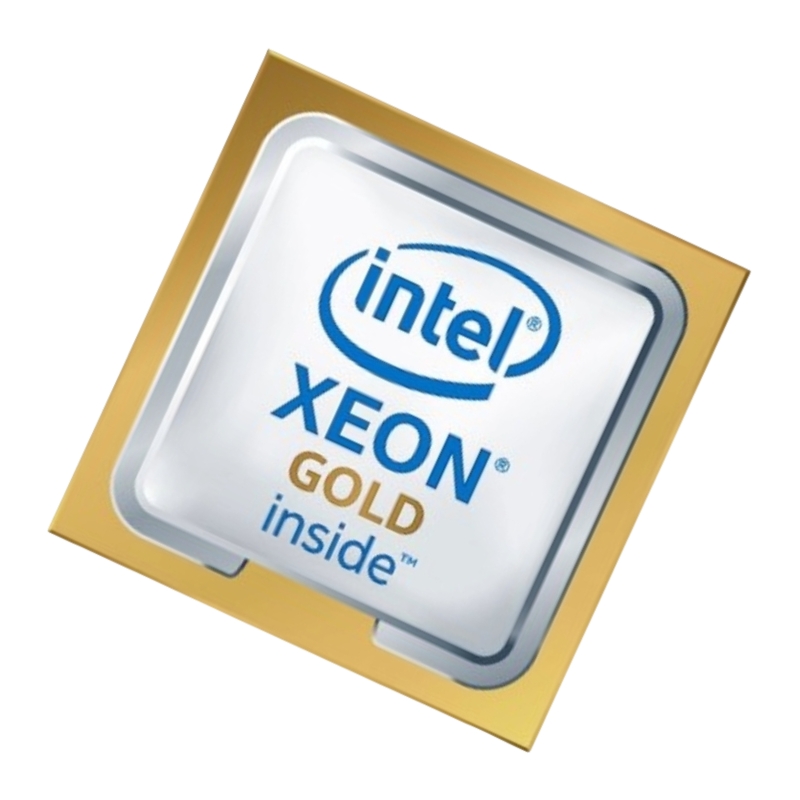
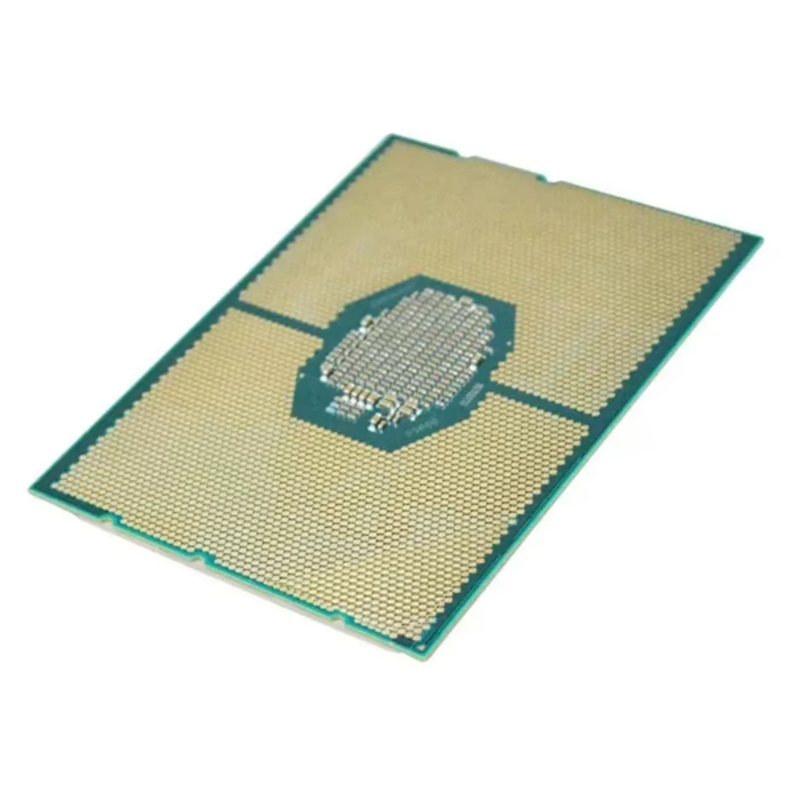
Product Overview of HPE3.20GHz 8 Core Processor
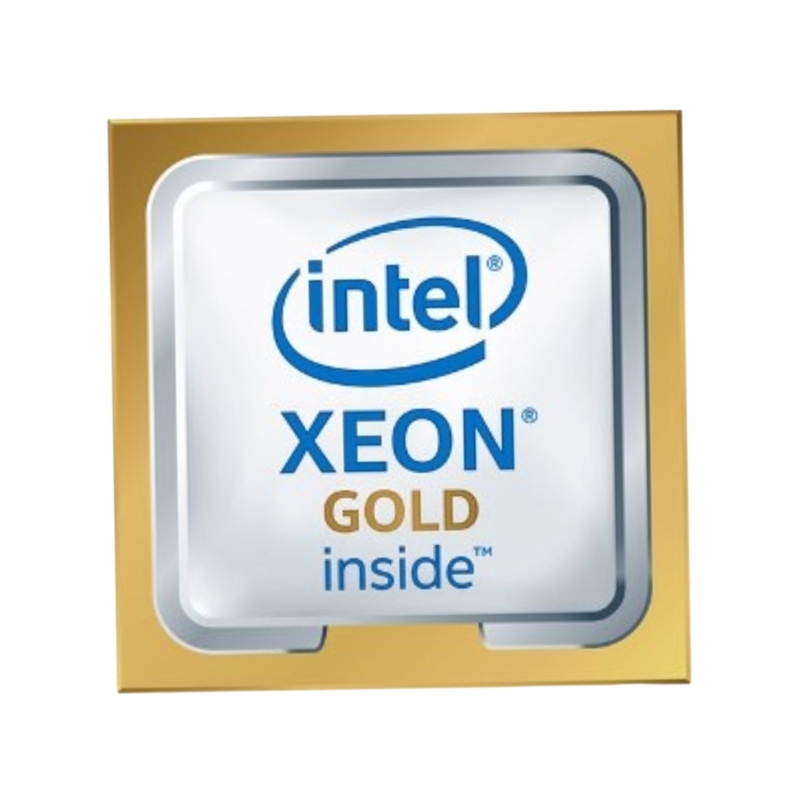
The HPE 870591-B21 is a high-performance octa-core processor kit tailored for enterprise-grade systems. Designed for the ProLiant XL230k Gen10 platform, this CPU excels in multitasking, virtualization, and high-demand computing environments.
General Information
- Manufacturer: HPE
- Part Number: 870591-B21
- Product line: Intel Xeon Gold
- Series: 6134
- Cores: 8 (Octa‑core)
- Base clock: 3.20 GHz
- Interconnect: 10.40 GT/s UPI
- L3 cache: 24.75 MB
- Fabrication node: 14 nm
- TDP: 130 W
- Max temperature: 79 °C
- Socket: FCLGA3647
- Designed for: HPE ProLiant XL230k Gen10 servers
- Assembly: Required (professional recommended)
- Eco‑friendly: Yes
Core Architecture and Clock Speed
- Features 8 physical cores for robust parallel processing
- Base clock speed of 3.20 GHz ensures swift execution of compute-heavy tasks
- Intel Turbo Boost Technology maximizes workload efficiency
- Delivers a 10.4 GT/s UPI (Ultra Path Interconnect) link speed for rapid data communication between CPU nodes
Memory Cache and Lithography Highlights
Advanced cache memory structure significantly enhances data throughput:
- 24.75 MB of Level 3 SmartCache, shared dynamically across all cores
- Manufactured with 14nm process technology for optimal energy-to-performance ratio
Thermal and Power Efficiency
- Operates effectively within a thermal envelope of 130W TDP
- Thermal threshold capped at 79°C – ideal for high-availability systems
- Energy-efficient and eco-conscious design supports green IT goals
Compatibility and Integration
This processor kit is fully compatible with select HPE infrastructure:
- Designed specifically for the HPE ProLiant XL230k Gen10 server
- Utilizes the FCLGA3647 socket for secure and stable processor seating
- Installation requires manual assembly; advanced users or IT professionals recommended
Robust Enterprise‑Grade Xeon Gold 6134 Processor Kits
Elevate your server infrastructure with the HPE 870591‑B21 processor family—featuring Intel’s Xeon Gold 6134 octa‑core microprocessor, built for high-throughput, mission-critical workloads. Engineered for the HPE ProLiant XL230k Gen10 platform, this class of CPUs delivers a potent blend of multicore performance, efficient interconnect latency, and enterprise reliability.
Core Design, Processing Capability, and Interconnect Technology
At the heart of this category lies an 8‑core (octa‑core) CPU architecture, delivering sophisticated parallel execution for ever‑intensifying data centre demands. With a base core frequency clocked at 3.20 GHz, this processor provides a firm foundation for heavy computing tasks—from virtualization to complex transaction processing.
- Eight hyperthread‑capable cores deliver substantial concurrency and multitasking capacity.
- 3.20 GHz nominal clock rate ensures that each core runs workloads swiftly and consistently.
- 10.40 GT/s Ultra Path Interconnect (UPI) provides accelerated data transfer between CPU dies or multi‑processor configurations, minimizing bottlenecks.
High‑Efficiency Cache Structure and Fabrication Process
To support rapid data retrieval and reduce latency, the Xeon Gold 6134 includes a generous 24.75 MB of Level 3 shared cache. This sizeable buffer allows frequent reuse of data across cores, boosting throughput for repetitive operations such as database caches, in‑memory computing, and real‑time analytics.
- 24.75 MB L3 SmartCache dynamically allocated to active cores for optimal utilization.
- 14 nm lithography strikes a balance between transistor density and thermal efficiency, delivering modern power-to-performance metrics.
- Centralized cache management enhances speed for parallel workloads and operating system-level scheduling.
Thermal Envelope, Energy Profile, and Operational Limits
Engineered with infrastructure sustainability and reliable uptime in mind, this processor category features a 130 W Thermal Design Power (TDP) and a maximum temperature rating of 79 °C—ensuring dependable functionality under sustained loads.
- 130 W TDP allows robust performance while enabling advanced cooling strategies in rackmount environments.
- 79 °C maximum safe operating temperature thresholds align with enterprise-grade cooling solutions and proactive thermal monitoring.
- Eco‑aware design features support lower heat dissipation and reduced energy consumption over long operational cycles.
Platform Compatibility and Installation Details
Tailored specifically for the HPE ProLiant XL230k Gen10 chassis, the 870591‑B21 CPUs leverage the FCLGA3647 socket interface for secure mounting and high-density device layout.
- FCLGA3647 CPU socket ensures precise electrical contact, stability, and durability during installation or module replacement.
- Seamless integration with ProLiant XL230k Gen10 designs, optimized for high‑density, modular compute environments.
- Assembly required—skilled technical setup or qualified IT personnel recommended for installation and system configuration.
Scalable Deployment Scenarios
This category is ideal for varied deployment models accustomed to elastic performance requirements. Institutions can adopt one or multiple CPU modules depending on their scalability targets.
- Single-socket configuration: Low-density environments, dev/test labs, or branch servers benefit from simplicity and single‑module fault isolation.
- Multi-socket high‑density clusters: Multi‑module systems using UPI links can expand compute throughput while retaining fast intra-node communication.
- Edge or remote compute nodes: Rugged or compact form‑factor systems using ProLiant NVMe expansions align well with the energy‑efficient features of this processor class.
System Integrators & IT Architects: Deployment Best Practices
Unlock the full potential of the Xeon Gold 6134 within HPE ProLiant environments by adhering to optimized assembly, provisioning, and cooling strategies.
- Follow HPE’s recommended thermal guides—such as push‑pull airflow patterns—to stay comfortably within the 79 °C threshold under load.
- Ensure that BIOS/firmware is updated; enabling UPI speed enhancement and energy‑efficient Intel Speed Shift features sharpens performance under adaptive scheduling.
- Use ECC‑registered DDR4 memory kits that support the ProLiant platform’s memory channels for latency‑minimized data throughput.
- Leverage operating system tuning—such as NUMA‑aware task scheduling—to align cache coherence with core topology.
Comparative Edge Over Other HPE Processor
When stacking the Xeon Gold 6134 against lower-tier Xeon Silver or Xeon Bronze series, you’ll notice significantly higher clock speeds, larger cache pools, and superior interconnect bandwidth—translating into improved per-thread performance and lower compute latency.
- Xeon Gold vs Silver/Bronze: Greater frequency headroom, superior core counts, and enhanced cache density.
- Gold 6134 vs Platinum siblings: A more cost‑effective option for workloads that don’t require ultra‑high core counts but benefit from strong single‑ and multi‑threaded performance.
- Cost‑to‑performance sweet spot: Ideal for mid‑sized enterprises focused on balancing acquisition expenses with substantial compute yields.
Lifecycle and Sustainable Replacement Strategies
Planning for long-term maintainability of compute clusters remains key—especially in environments where uptime and energy efficiency are critical. The Xeon Gold 6134 category enables forward-thinking replacement and upgrade cycles.
- Monitor operating temperatures and TDP behavior to identify potential thermal degradation over time.
- Adopt predictive upgrade scheduling—refreshing processors or supplemental cooling every 3–5 years in high‑throughput environments.
- Recycle or repurpose decommissioned units into secondary clusters, test benches, or firmware validation labs—extending their lifecycle and minimizing waste.
- Benefit from Intel’s extended product support for Xeon families—firmware updates, security patches, and compatibility advisories help keep your infrastructure resilient.





 Contact Us
 Information
 Catalog
 Solid State Drives (SSD)
 Network Switches
 Hard Disk Drives
 HBA & Controllers
 PC & Servers
 PC & Server Memory
 CPU & Processors
 Network Routers
 Power Supplies
 Tape Drives & Libraries
 Network Devices
 Computer & Network Cables