(7% discount is applied at checkout)
Cart is empty
Your go-to destination for cutting-edge server products
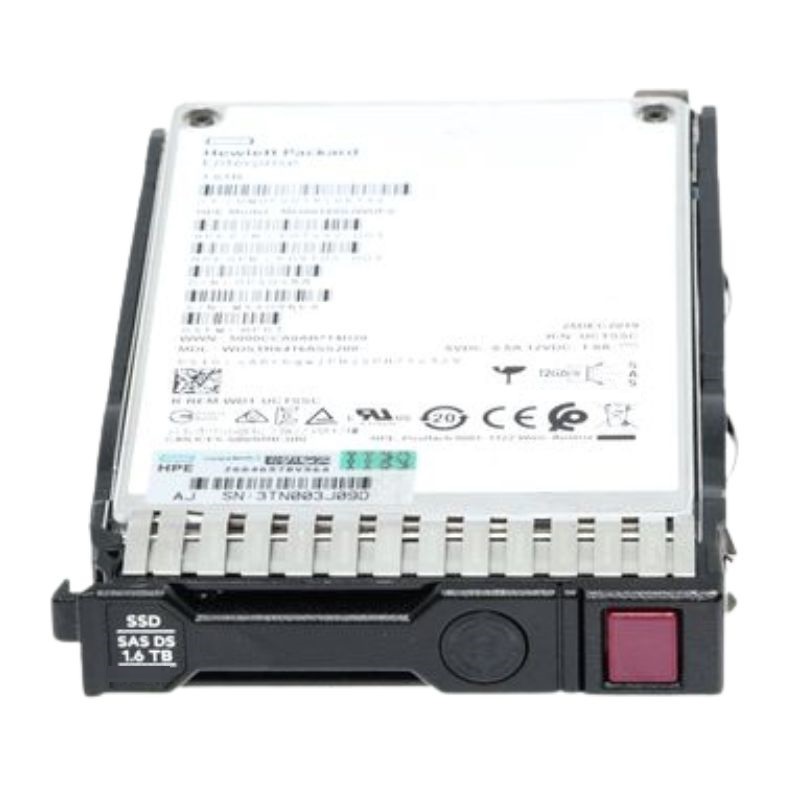


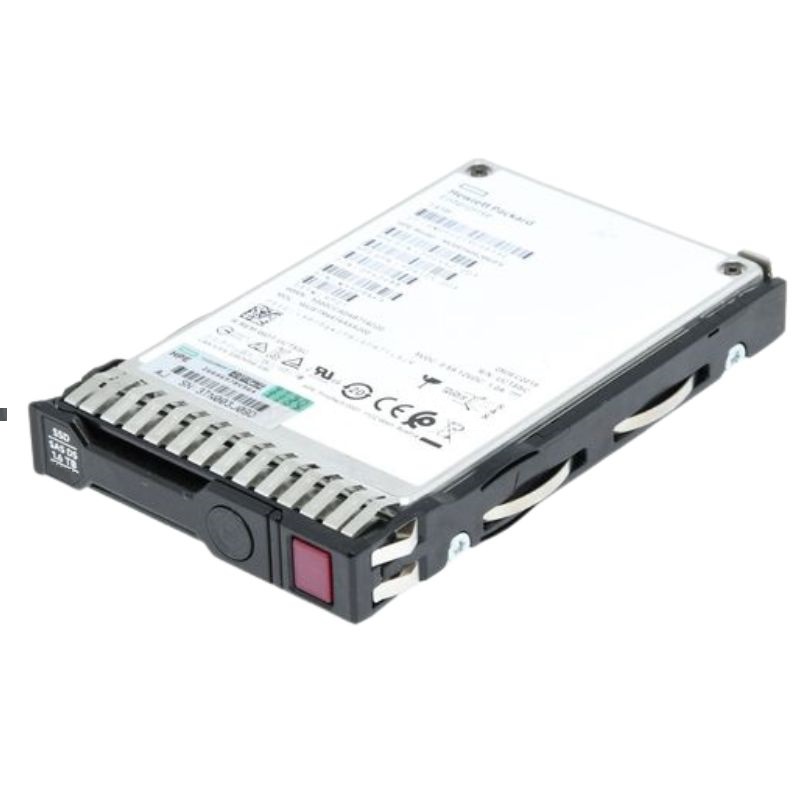
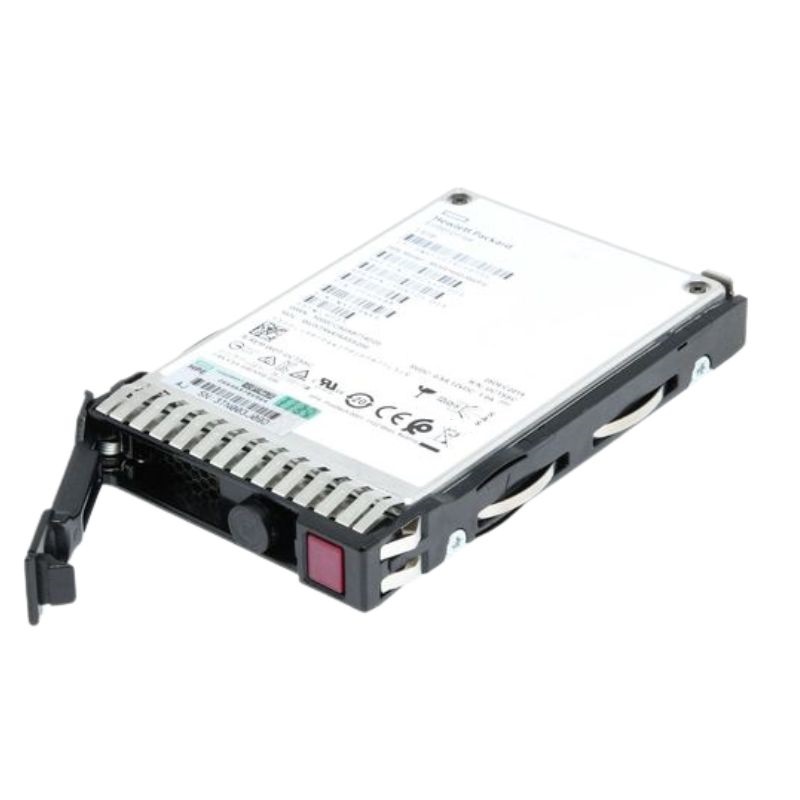
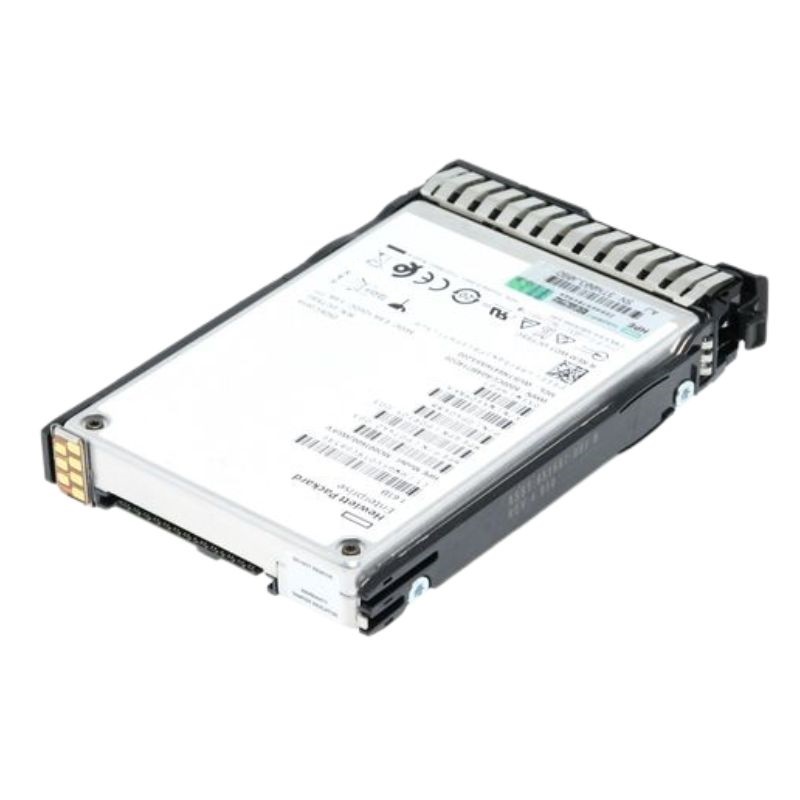
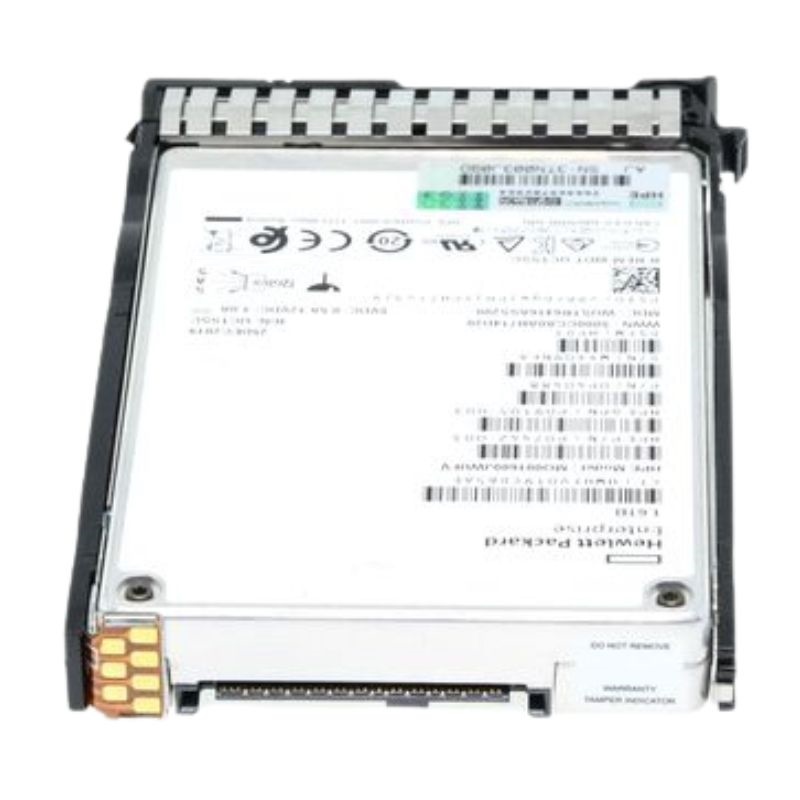
HPE 873369-010 SAS 12GBPS 1.6TB Write Intensive SFF Internal SSD. Excellent Refurbished with 1 year replacement warranty
The 873369-010 HPE SAS 12Gbps 1.6TB Write Intensive SFF Internal SSD is engineered for enterprises that require exceptional performance, durability, and reliability. Designed to meet the needs of mission-critical applications, this 2.5-inch solid-state drive offers outstanding speed, efficiency, and consistency for data-intensive workloads.
This enterprise SSD offers more than just storage—it delivers:
The 873369-010 HPE SAS 12Gbps 1.6TB Write-Intensive SFF Internal SSD represents a focused enterprise-class storage option optimized for sustained write workloads in modern data centers. Built to deliver consistent throughput and low latency, this small form factor (SFF) SAS drive is commonly used in HPE ProLiant servers, storage arrays, and other enterprise environments that demand reliable, predictable performance under heavy write pressure.
This category page explains the product family, its practical applications, technical attributes, compatibility considerations, deployment best practices, and purchasing guidance. The content below is tailored to systems administrators, infrastructure engineers, procurement specialists, and IT architects comparing write-intensive SAS SSDs. Keywords targeted for search engine optimization include: HPE SSD 873369-010, 12Gbps SAS SSD, 1.6TB write intensive, and SFF internal SSD.
“Write-intensive” describes a class of solid-state drives engineered to tolerate higher volumes of data written over their lifetime compared to general-purpose or read-intensive drives. These SSDs are typically used in databases, log-heavy applications, transactional systems, and caching layers where sustained write throughput and endurance are critical. The 873369-010 HPE SAS drive is marketed toward scenarios where consistent write durability and predictable performance are more important than the absolute lowest cost per gigabyte.
The SAS 12Gbps (also written as 12 Gbps) interface provides a robust, enterprise-grade connection between the drive and the server or storage controller. Compared with SATA, SAS offers better command queuing, dual-port capability on many enterprise drives (for redundancy), and stronger compatibility with RAID controllers commonly deployed in enterprise servers. This interface is well-suited to mixed read/write workloads and environments that require higher IOPS and lower latency than legacy HDDs provide.
SFF, typically a 2.5-inch enclosure, allows higher drive density in server chassis and storage arrays, enabling more SSDs per rack unit and helping lower power and cooling demands compared with 2.5-inch form factors. For dense virtualization, hyper converged infrastructure, and blade servers, SFF drives like the 873369-010 are a preferred physical configuration.
Drives in this category focus on delivering consistent write throughput even under sustained load. That consistency is crucial when running transactional databases, journaling file systems, or any system where sudden drops in write speed can affect application latency. When evaluating performance, consider both sequential and random write throughput and test with workload profiles that resemble your production environment (e.g., 4K random writes for database OLTP).
Enterprise SAS SSDs typically provide much lower latency and higher IOPS than spinning disks. For write-intensive SSDs, latency under heavy sustained writes is a key metric — an SSD that maintains low, consistent latency under heavy write cycles will improve application response times and reduce tail-latency issues in distributed systems.
Write-intensive drives often incorporate higher endurance flash (e.g., MLC/TLC variants tuned for endurance) and firmware optimized for wear-leveling and write amplification control. While endurance metrics like DWPD (Drive Writes Per Day) or TBW (Terabytes Written) are useful, they are most informative when compared against expected write volumes in your environment. Administrators should monitor SMART and vendor telemetry to anticipate drive replacement needs before failures occur.
The 873369-010 SKU is commonly associated with HPE ProLiant servers and HPE-branded storage arrays and controllers. When procuring drives for HPE systems, confirm compatibility with your server firmware and RAID or storage controller model (for example, HPE Smart Array controllers). HPE-certified drives often include firmware tuned for HPE controllers and may trigger fewer compatibility warnings during firmware or firmware compatibility checks.
In multi-tier storage arrays, write-intensive SAS SSDs are frequently used alongside read-intensive SSDs and high-capacity HDDs. For best results, segregate drives by intended role — avoid mixing write-intensive and read-intensive drives in the same RAID group unless explicitly supported by the vendor, as differing performance and endurance profiles can complicate rebuild times and predictability.
For high-availability deployments, pair these SSDs with enterprise RAID controllers that support battery-backed (BBU) or flash-backed write caches and firmware optimized for SSD behavior. Modern controllers with SSD-specific features (such as proper handling of TRIM commands, parity optimization for SSDs in RAID 6, and rebuild prioritization) will maximize drive life and performance.
Transactional databases (OLTP systems), No SQL stores, and large-scale logging pipelines place sustained write workloads on storage. 873369-010 The 1.6TB write-intensive SAS SSD is designed to handle heavy write amplification and can be deployed as the primary storage tier for write-heavy database tables, transaction logs, and commit journals.
In virtualized clusters, persistent write performance for virtual machines and virtual disk swap files is crucial. Use these SSDs for VM datastore tiers that require guaranteed write performance, or as a caching layer in front of slower magnetic storage. The SFF form factor makes it easy to scale dense hypervisor nodes with multiple write-intensive drives.
Real-time analytics systems often ingest streams of data at high velocity. Using write-intensive SSDs for the ingest stage reduces bottlenecks and ensures downstream processing has access to fresh data with minimal latency.
High-density SFF deployments can generate significant heat. Ensure adequate airflow and temperature monitoring in chassis and racks. Drive performance and longevity can be improved by maintaining operating temperatures within vendor-recommended ranges.
Many HPE-branded enterprise SSDs offer optional security features such as device-level encryption, secure erase, and integration with server management for secure provisioning and decommissioning. If data-at-rest encryption is required for regulatory compliance, verify whether the specific SKU supports hardware encryption and how encryption keys are managed (controller-managed vs. drive-managed).
Plan for secure disposal and drive replacement. Use vendor-recommended secure erase procedures when repurposing or retiring drives. Maintain an inventory and lifecycle schedule that considers both warranty and expected endurance lifecycle so drives are
Write-intensive SSDs generally cost more per GB than read-intensive or mixed-use drives due to higher endurance and firmware engineering. Balance budget constraints with SLA needs — undervaluing endurance can lead to higher lifecycle costs due to earlier replacements or increased maintenance.
Choose this SKU when your environment requires SAS connectivity, HPE platform compatibility, 2.5" SFF form factor, and a drive tuned for sustained writes at the 1.6TB capacity point. This SKU is suitable where consistent write performance and enterprise supportability matter more than minimizing upfront cost per terabyte.
Configure SMART monitoring and collect vendor telemetry through existing management frameworks (e.g., HPE iLO, server management tools). Set threshold-based alerts for parameters such as media wear, spare capacity, and temperature. Regularly review logs and schedule periodic health checks.
Apply firmware updates within a maintenance window. Validate firmware compatibility with your RAID controller and server firmware to avoid unexpected behavior. Maintain a rollback plan and backups before major firmware updates.
If SMART flags appear, isolate the drive, take a snapshot or backup of critical data, and replace the drive according to your failover procedures. For drives under warranty, open a support ticket with HPE or your vendor for RMA support and guidance.
SSD rebuild times are typically faster than HDDs but are still influenced by array size and controller capabilities. For large-capacity arrays, plan rebuild policies and consider using lower rebuild impact settings to maintain application performance during degraded states.
Purchase from authorized HPE resellers or certified distributors to ensure genuine parts, valid, and access to vendor support. Keep serial numbers and purchase records for warranty claims and lifecycle tracking.
To improve on-page 873369-010 and help users navigate, structure the category page with clear subheadings, an ordered specifications table, and internal links to related categories: compatible RAID controllers, HPE server models, replacement/upgrade kits, and SSD lifecycle services. Use schema markup for product listings (Product and Offer schema) and include clear CTA buttons for purchasing, datasheets, and support documentation.
Example: Four 1.6TB write-intensive SAS SSDs in RAID 10 on an HPE ProLiant host with a hardware RAID controller and battery/flash-backed cache. This configuration balances redundancy and high sustained write throughput while allowing room for snapshots and backups to slower tiers.
Example: Eight SFF bays populated with 1.6TB write-intensive SSDs 873369-010 for a hyper converged node. Use local SSD pools for VM scratch and temporary data while persisting long-term data to a separate storage tier. Combine with a monitoring agent to track I/O patterns and avoid over-provisioning write endurance.
If your deployment is subject to regulatory standards (HIPAA, PCI-DSS, GDPR, etc.), ensure data-at-rest encryption and secure erase procedures align with compliance requirements. Confirm whether the drive supports hardware encryption and document your key management approach.
Follow local regulations and industry best practices for electronics recycling. Securely erase drives before disposal or decommissioning using vendor-recommended secure erase procedures. Maintain chain-of-custody and destruction records where required for compliance.
Buyers often 873369-010 about real-world endurance, expected drive life in a mixed workload, and how the drive performs in rebuild scenarios. Provide clear answers, backed by testing data or vendor documentation where possible, and offer to facilitate compatibility checks and pilot programs when procurement decisions are high-stakes.


 Contact Us
 Information
 Catalog
 Solid State Drives (SSD)
 Network Switches
 Hard Disk Drives
 HBA & Controllers
 PC & Servers
 PC & Server Memory
 CPU & Processors
 Network Routers
 Power Supplies
 Tape Drives & Libraries
 Network Devices
 Computer & Network Cables