(7% discount is applied at checkout)
Cart is empty
Your go-to destination for cutting-edge server products
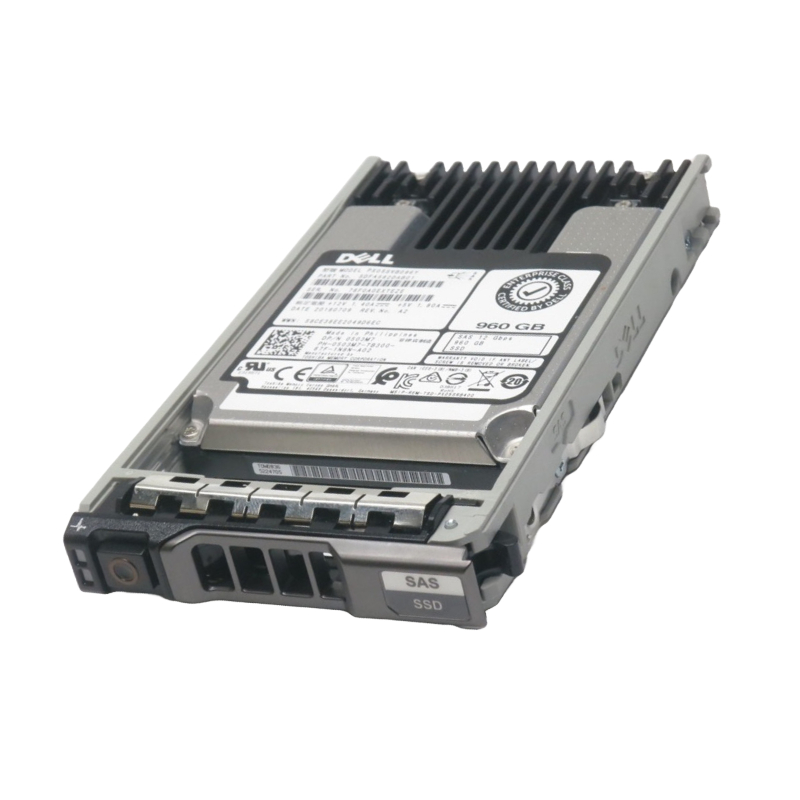


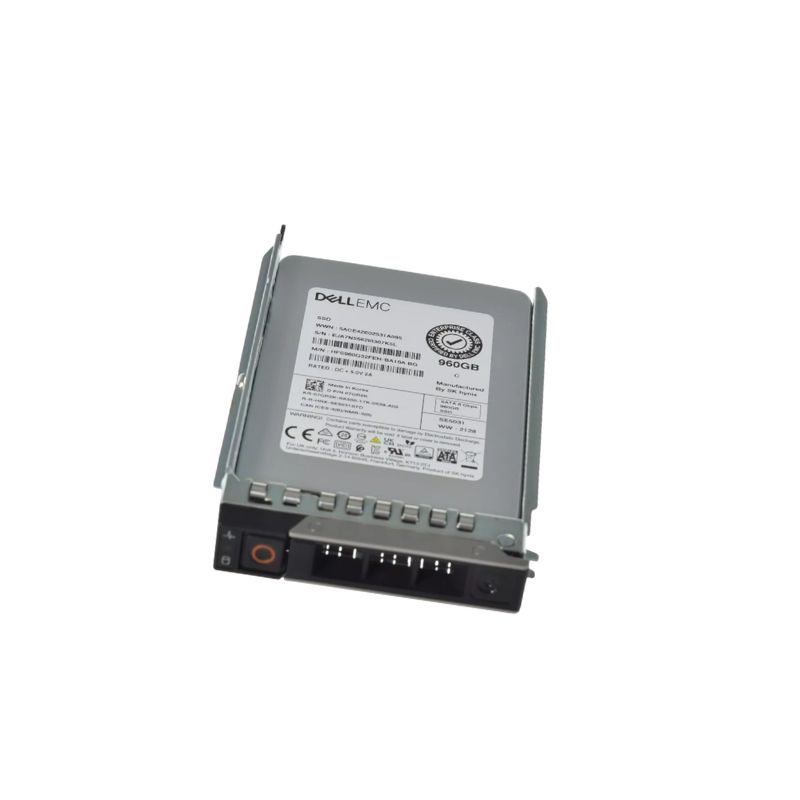
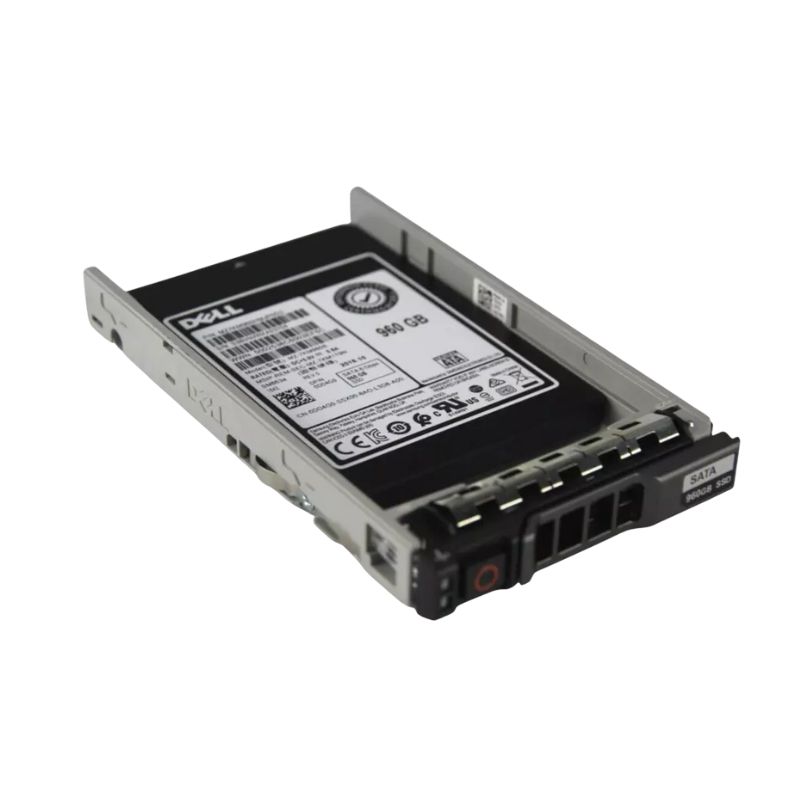
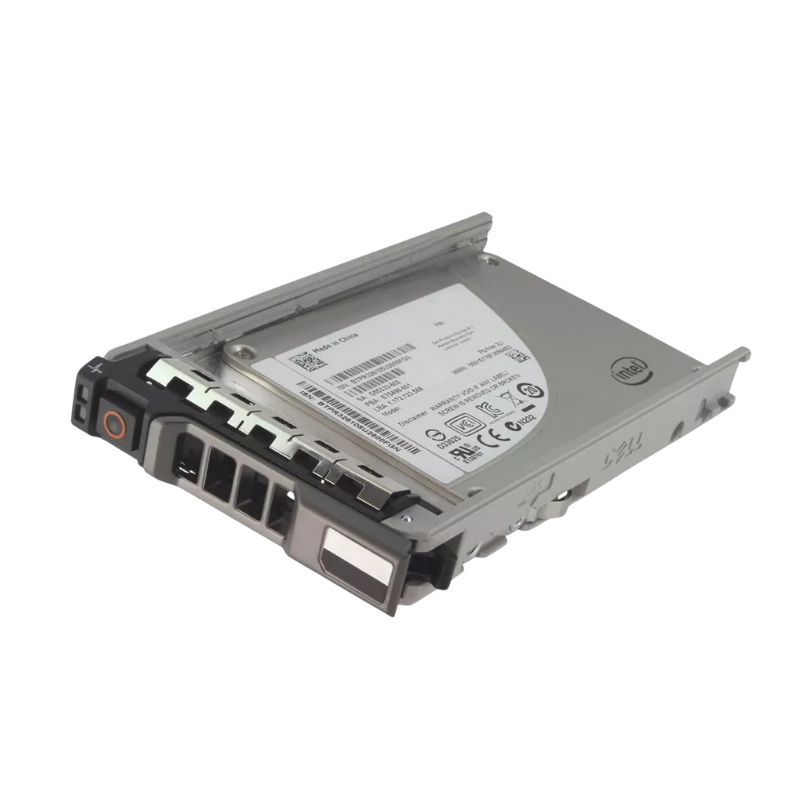
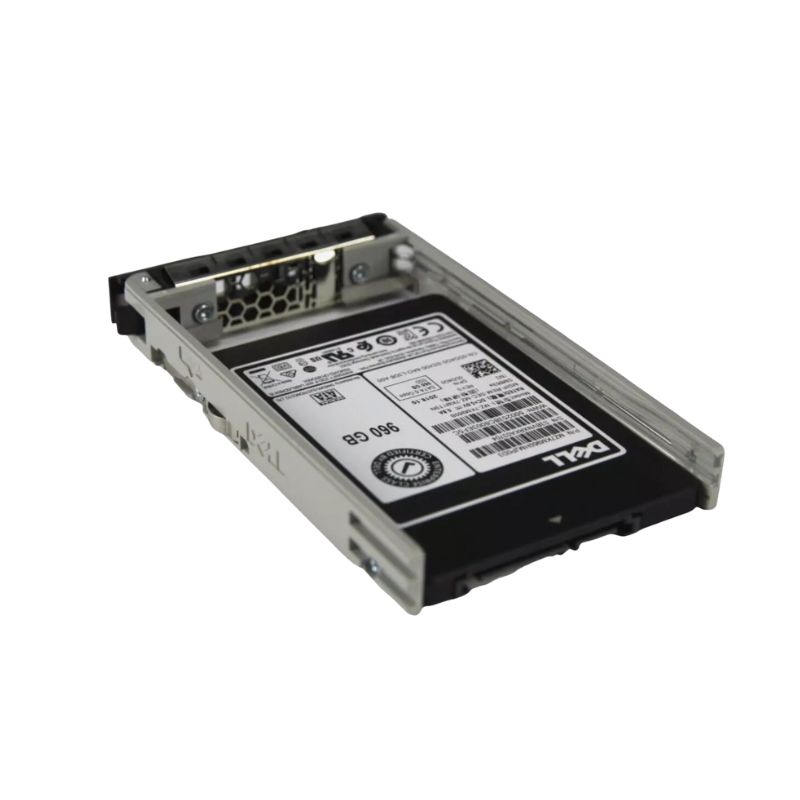
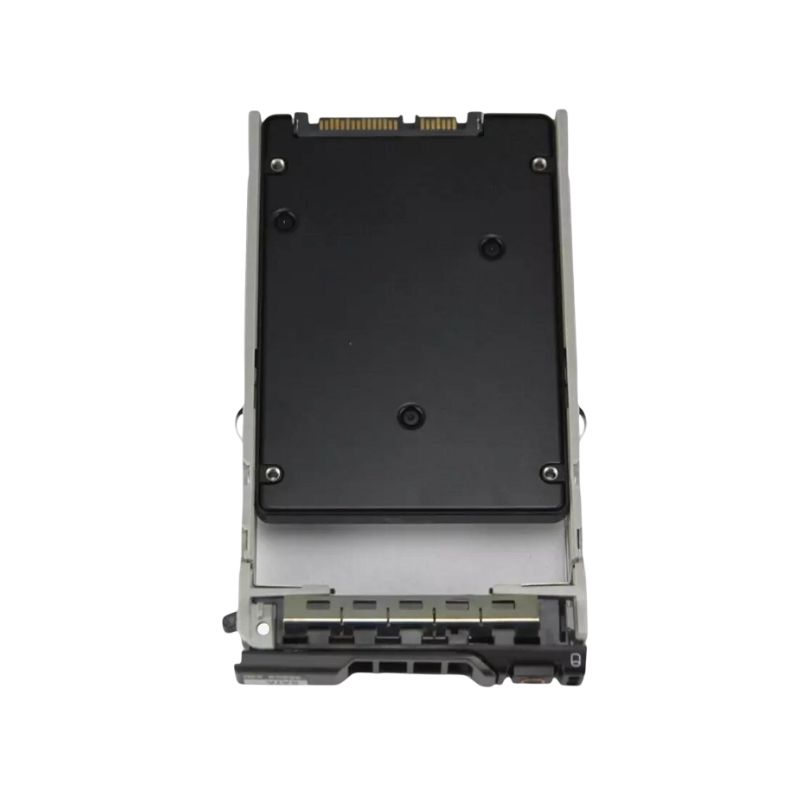
Dell YNRXC 960GB SATA 6GBPS SSD TLC Hot Swap Read Intensive. New Sealed in Box (NIB) 1 Year Warranty
| SKU/MPN | Warranty | Price | Condition | You save |
|---|---|---|---|---|
| YNRXC | 1 Year Warranty | $521.00 | Excellent Refurbished | You save: $182.35 (26%) |
| YNRXC | 1 Year Warranty | $899.00 | New Sealed in Box (NIB) | You save: $314.65 (26%) |
High-performance Dell 960GB SSD engineered for read-heavy workloads. Ideal as a reliable solid-state storage upgrade for enterprise servers requiring low latency, hot-swap capability and efficient flash storage.
The YNRXC 960GB SSD is compatible with a wide range of Dell PowerEdge platforms, including:
Read-intensive solid-state drives represent a specialized category of storage media engineered specifically for workloads where read operations significantly outnumber write operations. Unlike consumer-grade SSDs or write-intensive enterprise drives, read-intensive SSDs like the Dell YNRXC 960GB are optimized to deliver exceptional performance and endurance for applications where data retrieval is the primary operation. These drives typically feature a lower DWPD (Drive Writes Per Day) rating, usually between 1-3 DWPD, making them ideal for scenarios where frequent data writing isn't the primary concern but rapid data access is critical.
Read-intensive SSDs distinguish themselves through several fundamental characteristics. They utilize high-quality NAND flash memory configured to prioritize read performance over write endurance. The controller architecture is tuned specifically for read-heavy workloads, with advanced algorithms that optimize data retrieval patterns. These drives typically employ sophisticated caching mechanisms that anticipate read requests, reducing latency significantly. The wear-leveling algorithms are calibrated differently than write-intensive drives, focusing on extending the drive's lifespan under predominantly read-oriented usage patterns while maintaining consistent performance throughout the drive's lifecycle.
Enterprise SSDs are categorized into three primary endurance classes based on their DWPD ratings and intended workload profiles. Read-intensive drives (1-3 DWPD) serve applications where write operations constitute less than 30% of total I/O operations. Mixed-use drives (3-10 DWPD) balance read and write capabilities for environments with more balanced workload distributions. Write-intensive drives (10+ DWPD) are engineered for extreme write scenarios where data is constantly being written, modified, or deleted. The Dell YNRXC 960GB falls into the read-intensive category with its 1 DWPD rating, positioning it perfectly for data retrieval-focused applications while offering substantial cost savings compared to higher-endurance alternatives.
The Dell YNRXC features a 960GB capacity within a standard 2.5-inch form factor, making it compatible with most enterprise server and storage systems. This specific capacity point represents an optimal balance between storage density and performance characteristics for read-intensive applications. The 2.5-inch hot-plug form factor ensures easy installation and maintenance in live enterprise environments without requiring system downtime. The drive's physical dimensions conform to industry standards, ensuring broad compatibility with existing server chassis, storage arrays, and mounting systems across Dell's PowerEdge server portfolio and other compatible enterprise infrastructure.
The 960GB stated capacity represents the user-accessible space after accounting for enterprise-grade over-provisioning. Enterprise SSDs typically reserve additional NAND capacity beyond the advertised storage space to enhance performance and endurance. This over-provisioning helps maintain consistent write performance as the drive fills up, improves garbage collection efficiency, and extends the drive's operational lifespan by distributing write cycles across more NAND cells. The actual physical NAND capacity is higher than 960GB, with the difference dedicated to these critical enterprise functionality enhancements that ensure reliable long-term performance.
The Dell YNRXC utilizes the SATA-6Gbps interface, also known as SATA III, which provides a maximum theoretical bandwidth of 600MB/s. While newer interfaces like NVMe offer higher performance, SATA remains highly relevant in enterprise environments due to its widespread compatibility, reliability, and cost-effectiveness. The SATA interface ensures seamless integration with existing server infrastructure without requiring specialized hardware or complex migration processes. For many read-intensive applications, the SATA-6Gbps bandwidth proves more than sufficient, especially when considering the real-world performance characteristics of modern NAND flash and the specific workload patterns these drives are designed to handle.
Understanding the interface landscape is crucial for proper enterprise storage selection. SATA SSDs like the YNRXC offer excellent performance for cost-sensitive read-intensive applications. SAS (Serial Attached SCSI) drives provide enhanced reliability features, dual-port capability for high-availability configurations, and typically higher endurance ratings. NVMe drives deliver significantly higher performance through the PCIe interface but come at a premium cost and require specific hardware support. The SATA-based YNRXC represents the optimal balance for organizations seeking enterprise-grade reliability and performance without the premium costs associated with SAS or NVMe solutions, particularly for read-dominated workloads.
The 1 DWPD (Drive Writes Per Day) endurance rating indicates that the Dell YNRXC 960GB can withstand the equivalent of writing its entire capacity once per day throughout its warranty period while maintaining specified performance characteristics. For a 960GB drive, this translates to approximately 960GB of data written daily over the drive's expected lifespan. This endurance level is carefully engineered to match the requirements of read-intensive applications while optimizing cost and performance. The 1 DWPD rating represents a significant advancement over consumer SSDs, which typically offer much lower endurance, while being perfectly suited for the targeted workload profiles where write operations are infrequent compared to read operations.
Understanding real-world endurance requires considering both the DWPD rating and the drive's TBW (Total Bytes Written) specification. For the Dell YNRXC 960GB with 1 DWPD over a 5-year warranty period, the calculated endurance would be approximately 1.75 petabytes (960GB × 365 days × 5 years). This TBW value represents the total amount of data that can be written to the drive before potential wear-out under normal operating conditions. Most enterprise environments operating within the read-intensive workload profile will never approach these limits, ensuring the drive will provide reliable service throughout its intended deployment lifecycle and often beyond.
The hot-plug capability of the Dell YNRXC 960GB SSD represents a critical enterprise feature that enables drive installation, removal, and replacement while the host system remains operational. This functionality is essential for maintaining continuous system availability in 24/7 enterprise environments. Hot-plug support allows administrators to perform drive maintenance, capacity expansions, or failed drive replacements without scheduling downtime or disrupting business operations. The implementation includes sophisticated electronic and mechanical design elements that ensure safe insertion and removal, including proper power sequencing, signal isolation, and thermal considerations to prevent damage to the drive or host system during hot-swap operations.
Proper hot-plug procedures are crucial for maintaining system integrity and data protection. Before removing a drive, administrators must ensure the drive is properly unmounted from the operating system and any RAID configuration. Most enterprise systems provide visual indicators (typically LEDs) showing drive status and when safe removal is possible. During insertion, the drive should be firmly seated in the bay with proper alignment to avoid connector damage. The Dell YNRXC is designed with hot-plug specifications that comply with enterprise server requirements, including staggered pin lengths that ensure proper power sequencing and electrostatic discharge protection to prevent damage during handling.
The Dell YNRXC incorporates sophisticated error correction technologies to ensure data integrity and reliability. These include advanced ECC (Error Correction Code) algorithms capable of detecting and correcting multiple bit errors within each data segment. The drive employs end-to-end data protection, where checksums are maintained from the host interface through the internal data path to the NAND flash memory and back. This comprehensive approach prevents silent data corruption and ensures that any data transmission or storage errors are detected and corrected automatically. Additional protection mechanisms include power-loss protection circuits that prevent data corruption during unexpected power failures by providing sufficient temporary power to complete in-progress write operations.
Enterprise SSDs like the Dell YNRXC implement significantly more robust data protection mechanisms compared to consumer-grade drives. While consumer drives might utilize basic ECC capabilities, enterprise drives employ advanced LDPC (Low-Density Parity Check) codes that can correct substantially more errors per data unit. The YNRXC also includes redundant data paths, enhanced RAID support within the drive architecture, and more sophisticated bad block management algorithms. These enhancements result in significantly higher MTBF (Mean Time Between Failures) ratings—typically 2 million hours or more for enterprise drives compared to consumer drive ratings that are often substantially lower.
Enterprise SSDs must balance performance requirements with power efficiency, particularly in dense server deployments where power and cooling constraints significantly impact total cost of ownership. The Dell YNRXC 960GB implements advanced power management features that optimize energy consumption based on workload demands. These include multiple power states that the drive can transition between rapidly, from active full-performance states to various low-power idle states. The drive's controller efficiently manages NAND access patterns to minimize power consumption while maintaining responsive performance. Typical power consumption for read operations ranges between 3-4 watts, with lower consumption during idle periods, making the YNRXC an energy-efficient choice for read-intensive applications.
The Dell YNRXC 960GB is specifically engineered to deliver exceptional read performance characteristics. Sequential read speeds typically reach up to 550MB/s, approaching the theoretical maximum of the SATA-6Gbps interface. More importantly for enterprise applications, random read performance excels with IOPS (Input/Output Operations Per Second) ratings typically exceeding 90,000 for 4KB random read operations at low queue depths. This random read performance is crucial for database queries, virtual machine boot operations, and content delivery scenarios where data access patterns are unpredictable. The drive maintains consistent read latency typically under 100 microseconds, ensuring responsive performance even under heavy load conditions.
Unlike consumer SSDs that may deliver excellent burst performance but throttle under sustained workloads, enterprise drives like the Dell YNRXC are designed to maintain consistent performance levels over extended periods. This sustained performance is achieved through several engineering considerations including robust thermal management that prevents thermal throttling, sophisticated garbage collection algorithms that operate efficiently in the background without impacting foreground operations, and sufficient over-provisioning to maintain write performance consistency. The YNRXC's performance profile remains stable even as the drive fills with data, ensuring predictable application behavior throughout the drive's lifecycle without the performance degradation commonly observed in consumer-grade SSDs.
While optimized for read operations, the Dell YNRXC still delivers respectable write performance suitable for its target workloads. Sequential write speeds typically reach approximately 500MB/s, while random write performance generally achieves around 30,000 IOPS for 4KB operations. The write performance is carefully balanced to handle the occasional write bursts typical in read-intensive environments without compromising the drive's primary read optimization. The write architecture includes a large, high-quality DRAM cache that absorbs write bursts, while the underlying NAND management ensures that sustained write performance remains consistent without significant degradation over time.
Write amplification is a critical factor in SSD performance and endurance, representing the ratio between actual data written to NAND flash and the data sent by the host system. The Dell YNRXC employs advanced controller technology that minimizes write amplification through sophisticated algorithms including intelligent garbage collection, efficient wear leveling, and host-aware capabilities that optimize data placement. Typical write amplification factors for the YNRXC range between 1.2 and 1.5 under normal operating conditions, meaning for every 1GB of host writes, only 1.2-1.5GB is actually written to the NAND flash. This efficiency contributes significantly to the drive's endurance and consistent performance profile.
The Dell YNRXC 960GB finds ideal application in numerous enterprise scenarios where read performance dominates the I/O profile. These include boot drives for virtualized environments where multiple virtual machines read from the same storage simultaneously, web server content delivery where static assets are frequently accessed, database reporting and analytics workloads where large datasets are queried extensively, and archival storage systems where data is written once but read frequently. The drive also excels in content caching applications, edge computing deployments, and as secondary storage in tiered storage architectures where frequently accessed data resides on faster storage tiers while less frequently accessed data moves to higher-capacity, slower storage.
In virtual desktop infrastructure (VDI) and server virtualization environments, the Dell YNRXC demonstrates particular strength as a boot volume storage solution. During peak usage periods, numerous virtual machines simultaneously read from their boot images, creating intensely read-heavy workload patterns. The YNRXC's high random read performance ensures rapid virtual machine boot times and responsive operation even during high-concurrency scenarios. The drive's endurance characteristics perfectly match VDI boot volume requirements where write activity is primarily limited to operating system updates, user profile changes, and occasional application installations, while read operations dominate daily usage patterns.
Determining whether a specific workload is appropriate for the Dell YNRXC requires analyzing the read/write ratio, access patterns, and performance requirements. Workloads with read percentages exceeding 70% typically represent excellent candidates for read-intensive SSDs. Applications involving large sequential reads, such as media streaming or data analytics, benefit from the drive's high sequential read performance. Workloads characterized by small random reads, including database query operations or metadata access, leverage the drive's high random read IOPS capabilities. The 1 DWPD endurance rating makes the YNRXC suitable for applications where daily write volume remains predictable and within specified limits, typically not exceeding 20-30% of total I/O operations.


 Contact Us
 Information
 Catalog
 Solid State Drives (SSD)
 Network Switches
 Hard Disk Drives
 HBA & Controllers
 PC & Servers
 PC & Server Memory
 CPU & Processors
 Network Routers
 Power Supplies
 Tape Drives & Libraries
 Network Devices
 Computer & Network Cables