(7% discount is applied at checkout)
Cart is empty
Your go-to destination for cutting-edge server products
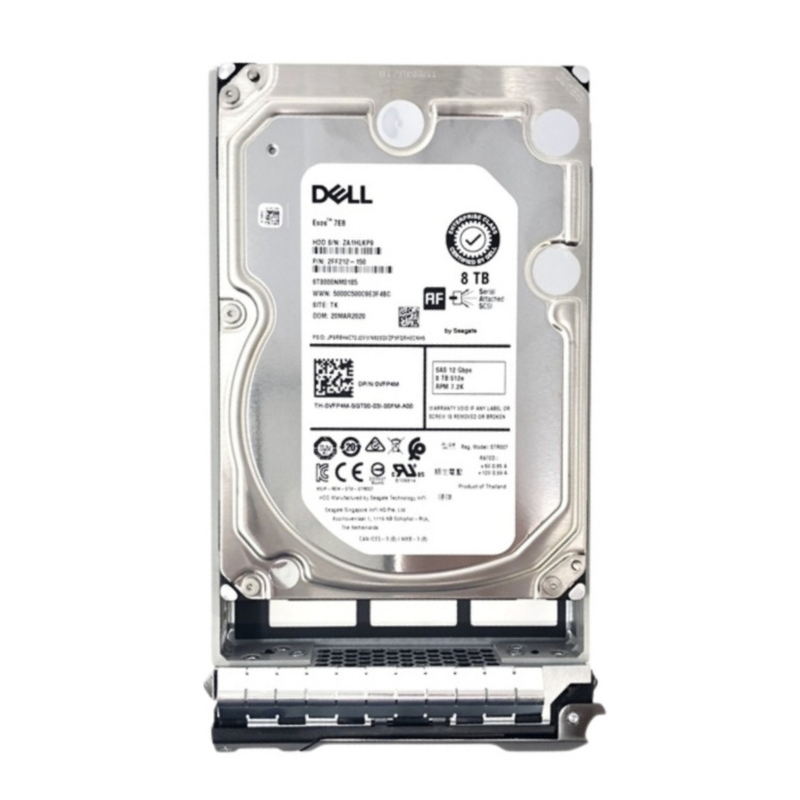


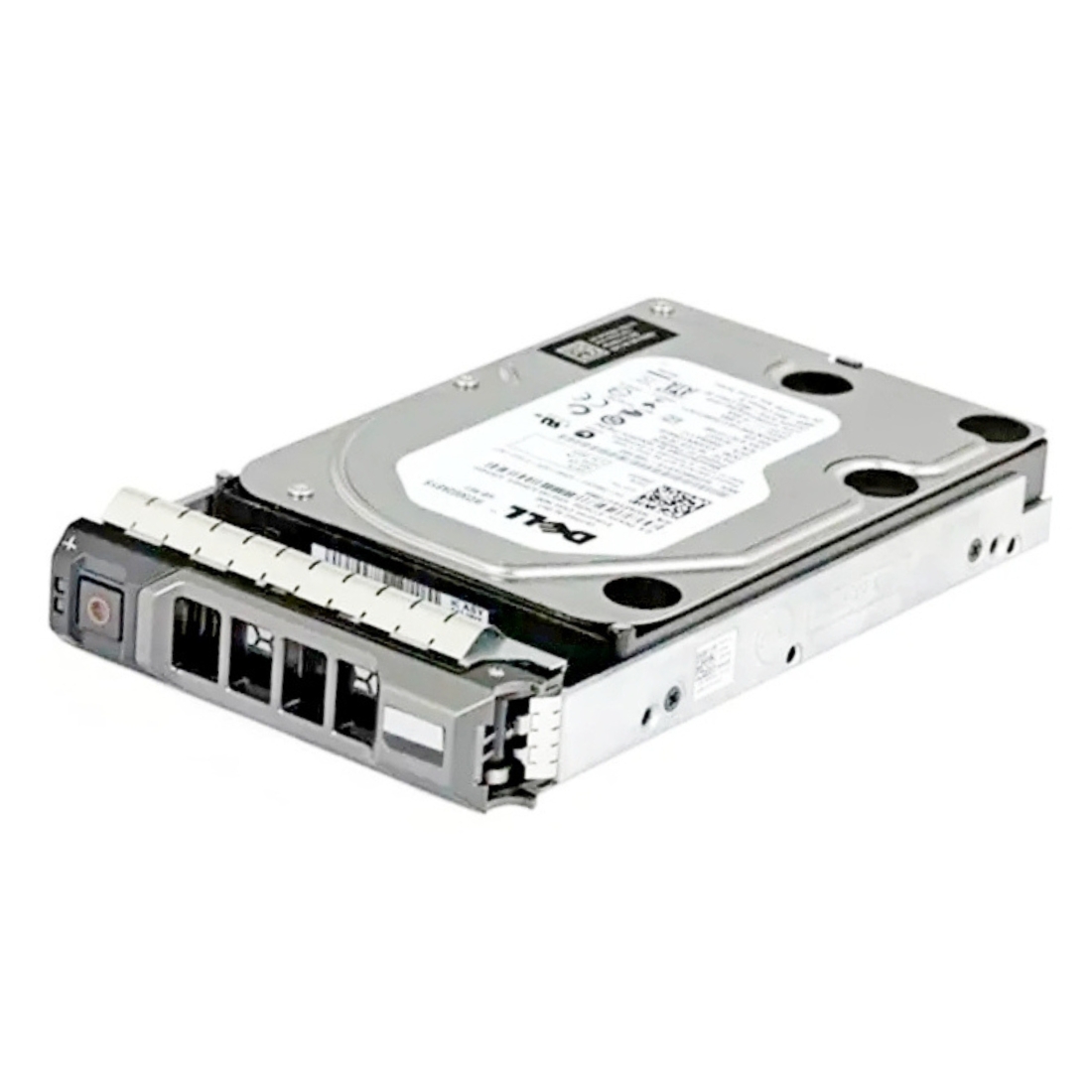
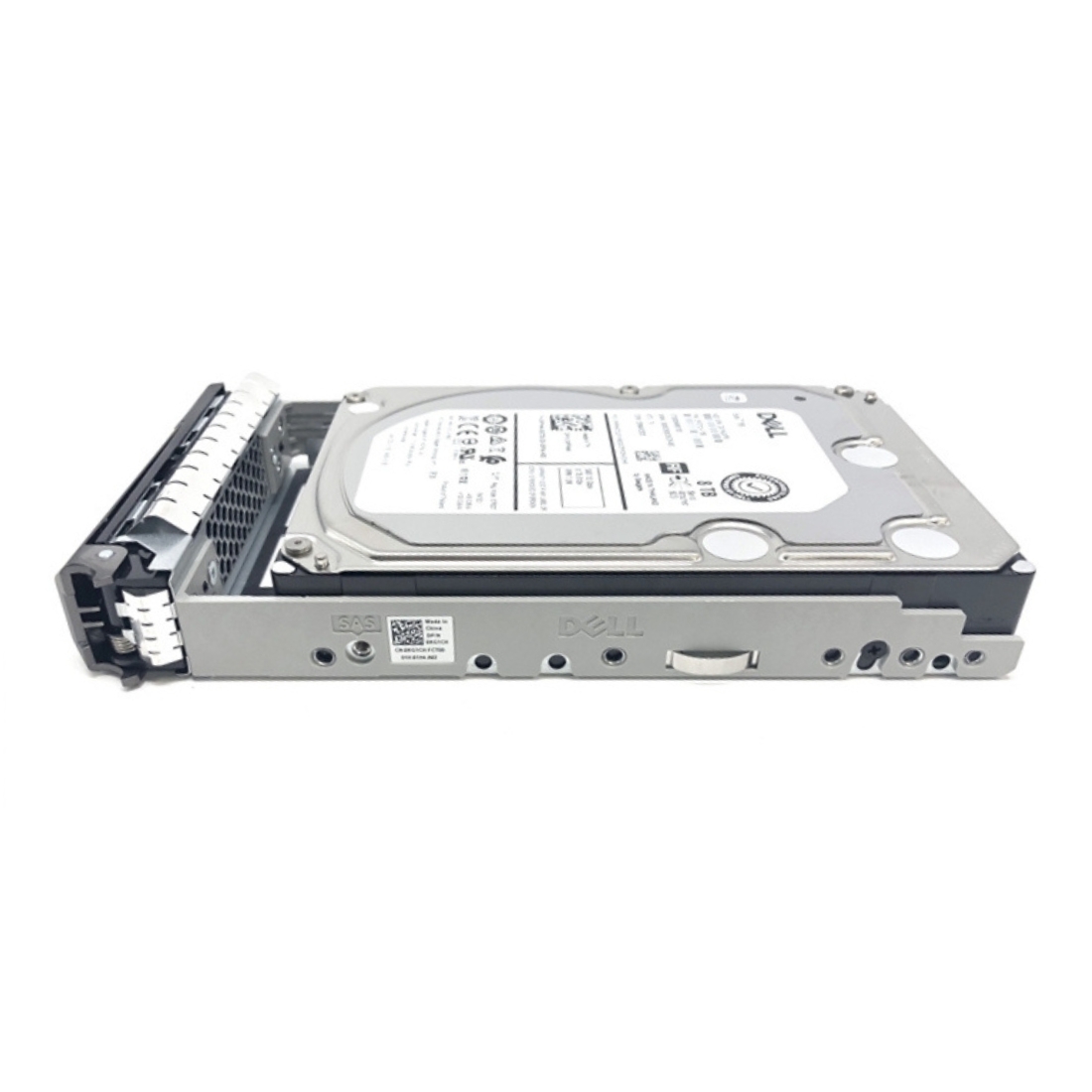
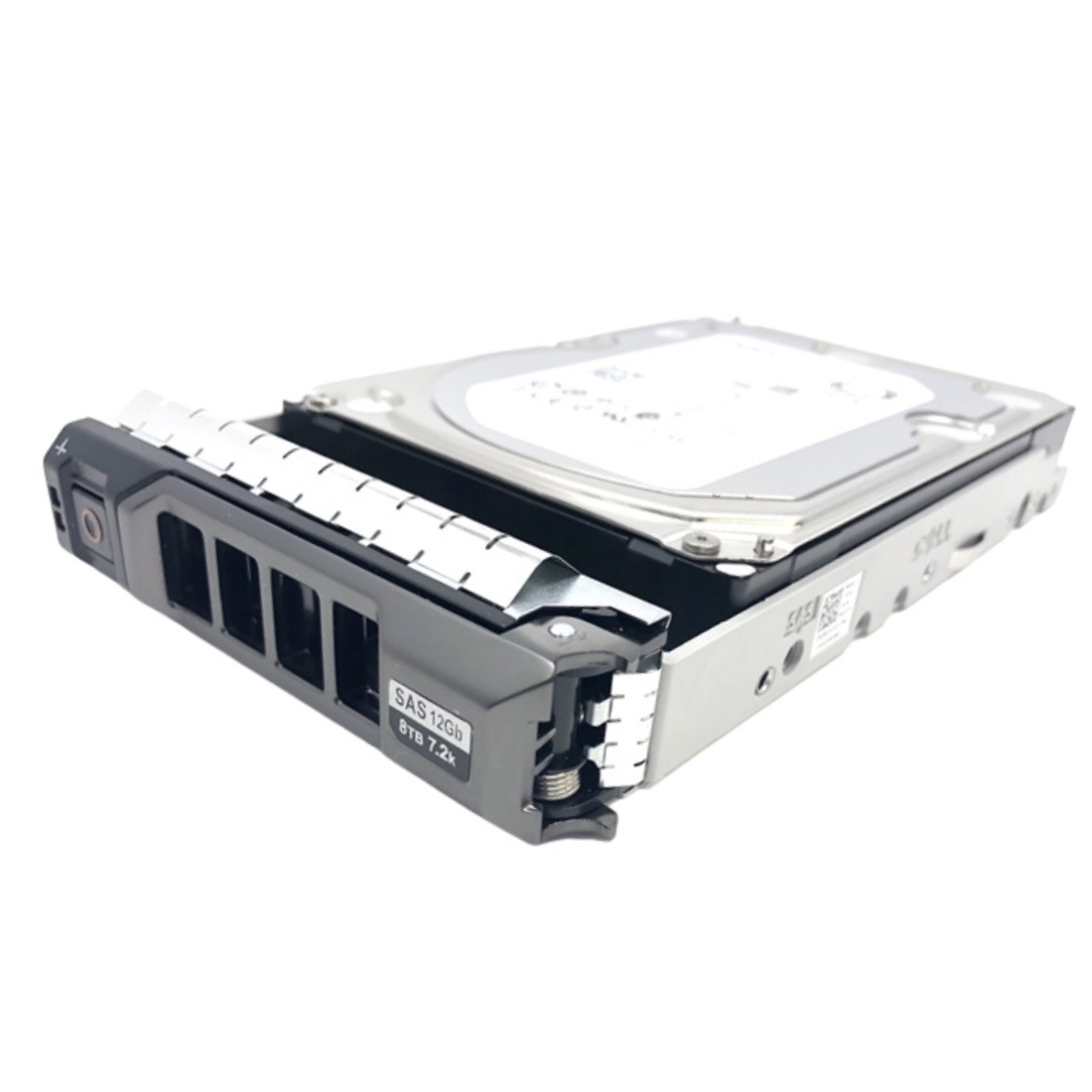
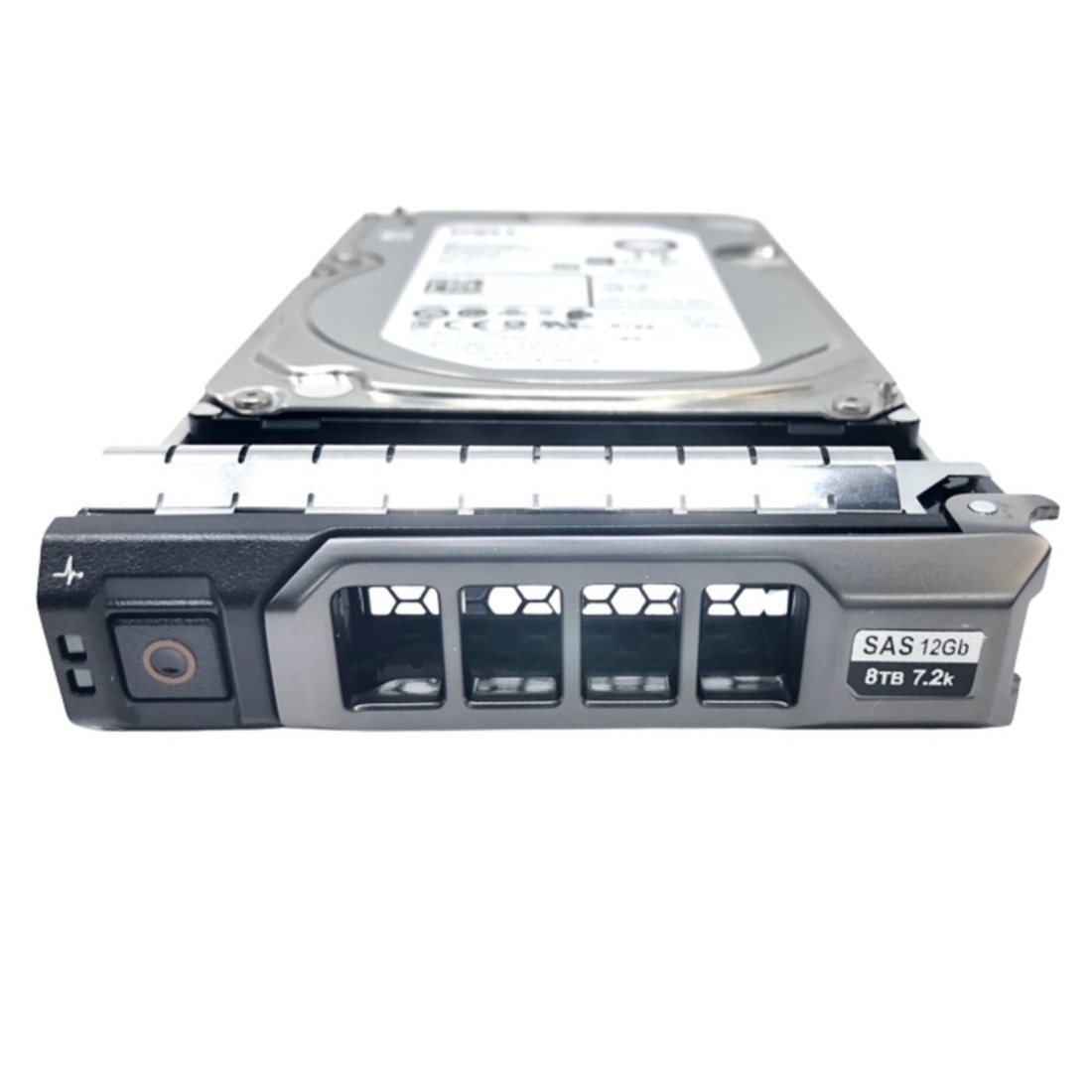
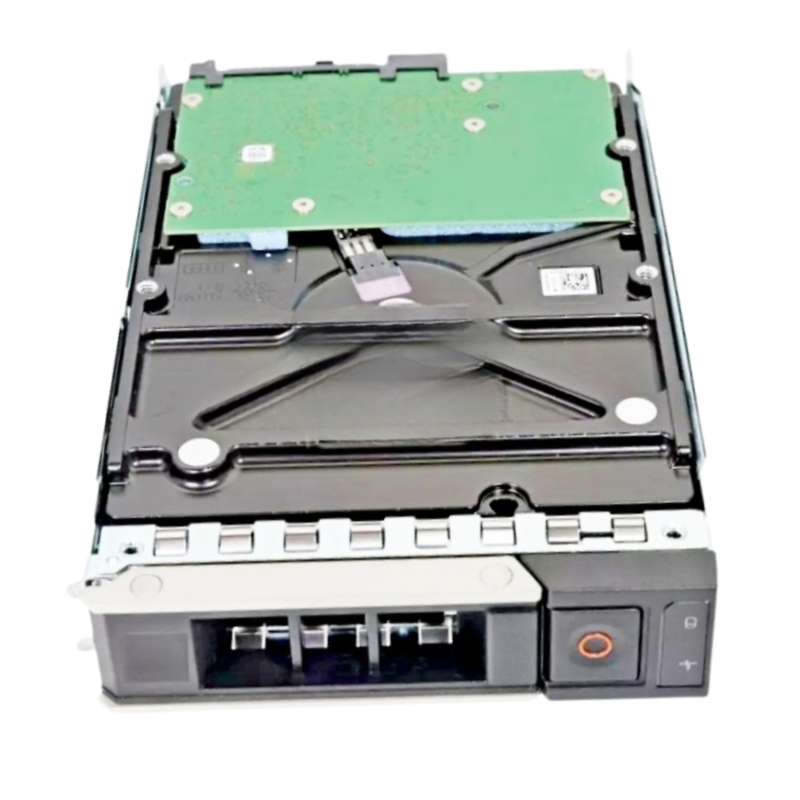
Dell 9P4WN SAS-12GBPS 8TB 7.2K RPM Self-Encrypting Near Line 512e LFF Hot-Plug Hard Drive. New Sealed in Box (NIB) with 1-Year Replacement Warranty
The Dell 9P4WN 8TB 7.2K RPM SAS 12Gbps Nearline Large Form Factor Hot-Plug Hard Drive with hardware encryption is designed for enterprise workloads, offering secure storage, advanced format technology, and seamless integration with Dell PowerEdge and PowerVault systems.
The Dell 9P4WN SAS 12Gbps 8TB 7.2K RPM Self-Encrypting Near Line 512e LFF Hot-Plug Hard Drive represents a high-capacity enterprise storage solution designed for demanding data center environments where reliability, scalability, and security are critical. Built for near-line storage workloads, this hard drive combines large storage capacity with a balance of performance and cost efficiency, making it suitable for archival systems, cloud infrastructure, and large-scale enterprise applications. Its SAS 12Gbps interface ensures fast and stable data transfer rates, while the 7,200 RPM spindle speed provides consistent performance for bulk data access operations. As enterprises continue to expand their data requirements, this category of hard drive becomes essential in maintaining structured storage ecosystems.
Near-line SAS storage solutions occupy a strategic position in enterprise architecture by bridging the gap between high-performance primary storage and cost-efficient archival storage. The Dell 9P4WN drive category is engineered to deliver dependable storage density without the high cost associated with SSD-based systems. In large-scale infrastructures, near-line drives are frequently deployed for storing backup datasets, historical logs, multimedia repositories, and compliance-related records. These workloads require frequent but not ultra-low latency access, making 7.2K RPM drives ideal. The balance between performance and affordability allows organizations to scale storage capacity without significantly increasing infrastructure costs, while still maintaining acceptable access speeds for business operations.
The SAS 12Gbps interface is a defining feature of this storage category, offering superior reliability compared to traditional SATA interfaces. SAS technology supports full-duplex communication, enabling simultaneous read and write operations that improve system throughput. In enterprise environments, this is crucial for workloads involving concurrent user access or database-driven applications. The 12Gbps bandwidth ensures that data pipelines remain efficient even under heavy load conditions. Additionally, SAS drives are designed with dual-port connectivity, allowing redundancy and failover capabilities in critical systems. This ensures continuous availability even in the event of a path failure, which is essential for mission-critical data center operations.
SAS interfaces also provide enhanced signal integrity through advanced error correction and robust communication protocols. This ensures that data transmission remains consistent even in electrically noisy server environments. Compared to consumer-grade interfaces, SAS significantly reduces the risk of data corruption, making it a preferred choice for enterprise-grade storage arrays. The Dell 9P4WN category leverages these advantages to deliver predictable performance under continuous workloads.
The 8TB storage capacity of this drive category plays a crucial role in enterprise data consolidation strategies. Organizations dealing with rapidly expanding datasets require storage solutions that minimize physical footprint while maximizing capacity. With 8TB per drive, data centers can achieve high storage density, reducing rack space consumption and power usage per terabyte. This is particularly beneficial in cloud storage environments where scalability and operational efficiency are critical. The ability to store large volumes of structured and unstructured data makes this drive suitable for backup repositories, surveillance storage systems, and content delivery networks.
High-capacity drives like the Dell 9P4WN allow enterprises to optimize server enclosure utilization. Fewer drives are required to achieve petabyte-scale storage, which reduces hardware complexity and maintenance overhead. This contributes to improved airflow management and lower cooling requirements in data center infrastructures.
The 7,200 RPM rotational speed represents a balanced performance tier in enterprise storage systems. It is optimized for workloads that require consistent throughput rather than extreme low-latency access. This makes it ideal for sequential read and write operations, such as data backups, streaming archives, and large file processing. The mechanical design ensures stable operation under continuous workloads, reducing wear and improving long-term reliability. While SSDs dominate high-performance computing environments, 7.2K RPM drives remain essential for cost-efficient bulk storage.
Near-line SAS drives are particularly efficient in handling sequential workloads where large blocks of data are accessed in a linear fashion. This makes them suitable for big data analytics storage layers and enterprise backup systems where random access performance is less critical.
Security is a core component of the Dell 9P4WN storage category, which includes Self-Encrypting Drive (SED) technology. This hardware-based encryption mechanism ensures that data stored on the drive is automatically encrypted without requiring external software intervention. SED technology protects sensitive information at rest, reducing the risk of unauthorized data access in case of physical drive theft or improper disposal. Encryption and decryption processes occur within the drive controller itself, ensuring minimal performance overhead while maintaining strong data protection standards.
SED drives rely on secure key management systems to control encryption access. The encryption keys are generated and stored within the drive, ensuring they are not exposed to external systems. This architecture strengthens compliance with enterprise security regulations and industry standards for data protection.
Near-Line SAS technology combines the capacity advantages of SATA drives with the reliability and performance benefits of SAS architecture. The Dell 9P4WN category exemplifies this hybrid approach, delivering enterprise-grade durability while maintaining cost efficiency. NL-SAS drives are designed for environments where large-scale storage is required without sacrificing system stability or redundancy features. This makes them particularly valuable in backup infrastructures and long-term data retention systems.
The 512e (512-byte emulation) format plays a critical role in ensuring compatibility between modern operating systems and legacy applications. By emulating 512-byte sectors while physically utilizing advanced 4K sector technology, the drive achieves improved storage efficiency and error correction capabilities. This hybrid sector format ensures smooth integration with enterprise storage systems while improving overall data integrity and performance optimization.
The 512e structure allows more efficient use of disk space while enabling advanced error correction algorithms to operate more effectively. This reduces the likelihood of data corruption and improves long-term storage reliability in enterprise environments.
The Large Form Factor (LFF) design of this drive category provides increased physical space for platters, allowing higher storage capacity compared to small form factor drives. This design is commonly used in enterprise storage arrays where density and scalability are important considerations. LFF drives also benefit from improved thermal dissipation due to their larger physical structure, which enhances long-term durability.
Hot-plug functionality is essential in modern enterprise environments where system uptime is critical. The Dell 9P4WN drive supports hot-swapping, allowing administrators to replace or upgrade drives without shutting down the system. This ensures continuous availability of services and minimizes downtime during maintenance operations. Hot-plug capability is particularly valuable in RAID configurations and high-availability storage systems.
Performance in enterprise hard drives is measured not only by raw speed but also by consistency under load. The Dell 9P4WN category is optimized for sustained performance across long-duration workloads. This makes it suitable for applications such as database storage, virtual machine repositories, and large-scale file systems. The combination of SAS interface bandwidth and rotational speed ensures balanced performance for both read and write operations.
The drive is engineered to handle continuous data streams efficiently, maintaining stable throughput even during peak workloads. This ensures that enterprise applications experience minimal latency fluctuations during high-demand operations.
Internal caching systems help optimize data flow by temporarily storing frequently accessed data segments. This improves responsiveness and reduces mechanical wear on the drive components.
While mechanical drives inherently exhibit higher latency compared to SSDs, the Dell 9P4WN category minimizes this through optimized firmware and intelligent head positioning algorithms. These enhancements ensure predictable access times across enterprise workloads.
The Dell 9P4WN SAS drive is compatible with a wide range of enterprise systems, including Dell PowerEdge servers and modular storage arrays. This ensures seamless integration into existing IT infrastructures without requiring major system modifications.
Scalability is achieved through modular deployment of multiple drives across storage arrays, allowing organizations to expand capacity incrementally as data requirements grow.
This category of hard drive is widely used in backup systems, archival storage, virtualization environments, and cloud infrastructure. Its balance of capacity, reliability, and cost efficiency makes it suitable for long-term data retention strategies.
Organizations rely on near-line storage for maintaining secure backups and ensuring rapid recovery in case of system failures or data loss incidents.
Virtualized environments benefit from high-capacity storage systems that can efficiently handle multiple virtual machine disk images and shared storage pools.


 Contact Us
 Information
 Catalog
 Solid State Drives (SSD)
 Network Switches
 Hard Disk Drives
 HBA & Controllers
 PC & Servers
 PC & Server Memory
 CPU & Processors
 Network Routers
 Power Supplies
 Tape Drives & Libraries
 Network Devices
 Computer & Network Cables