(7% discount is applied at checkout)
Cart is empty
Your go-to destination for cutting-edge server products
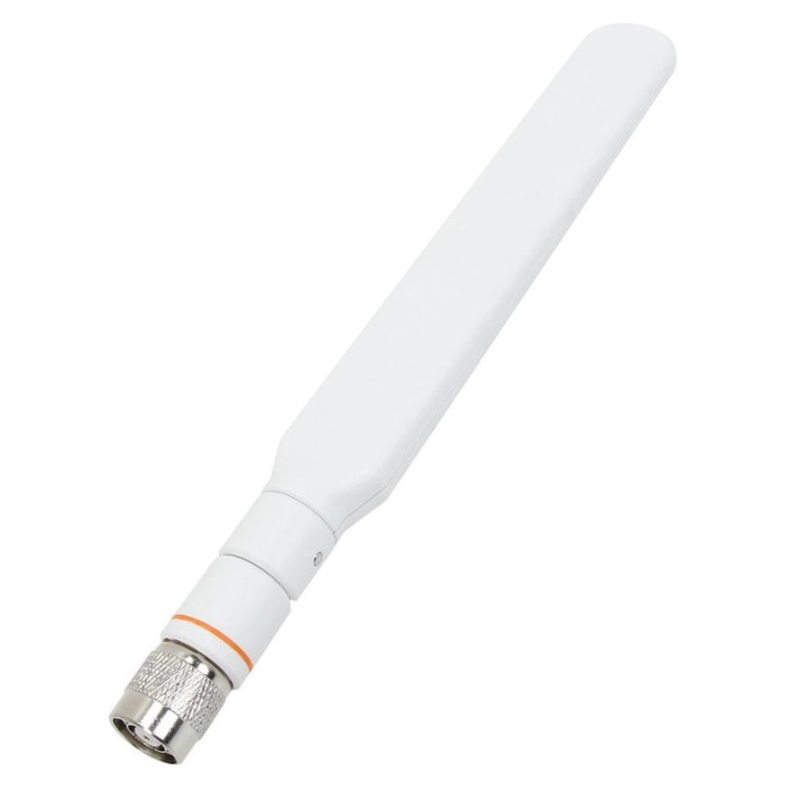


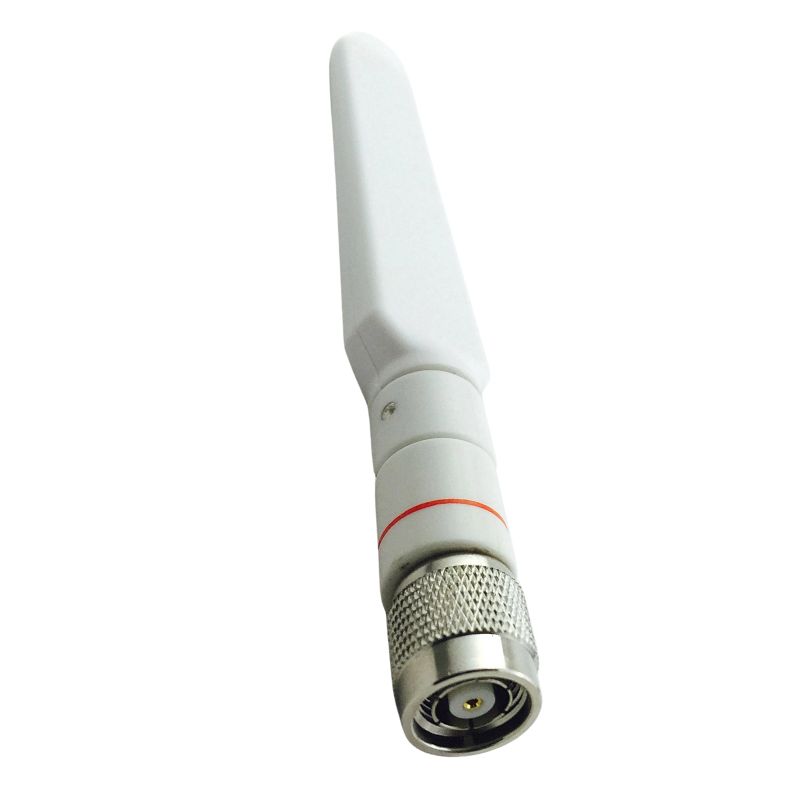
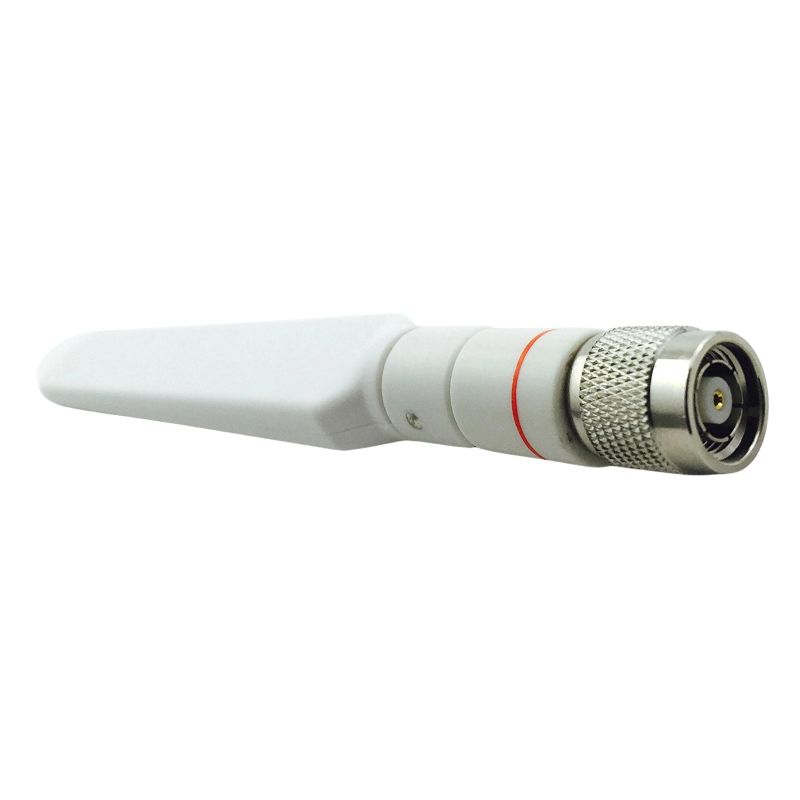
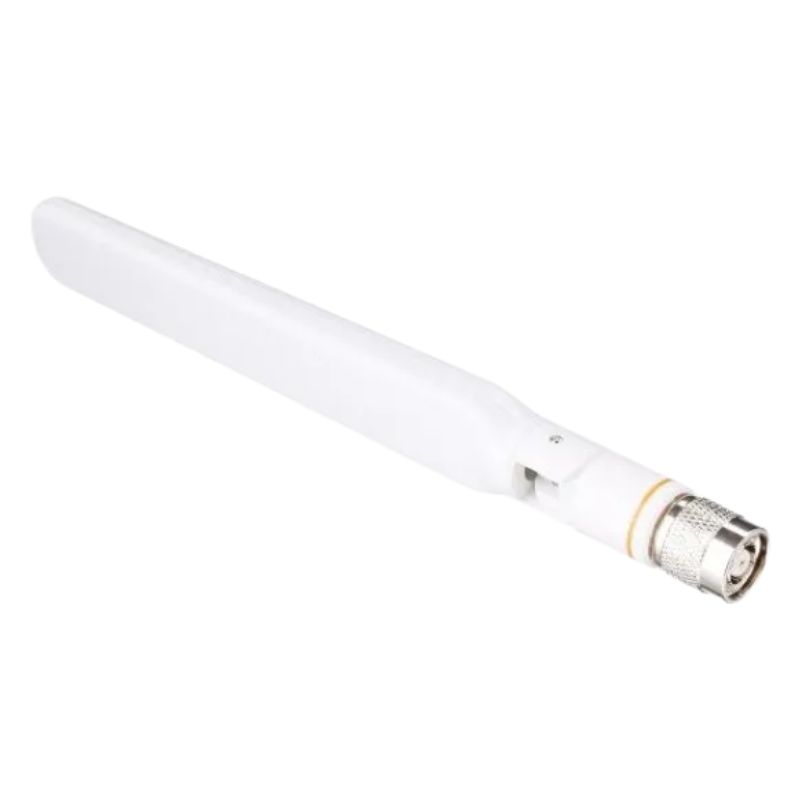
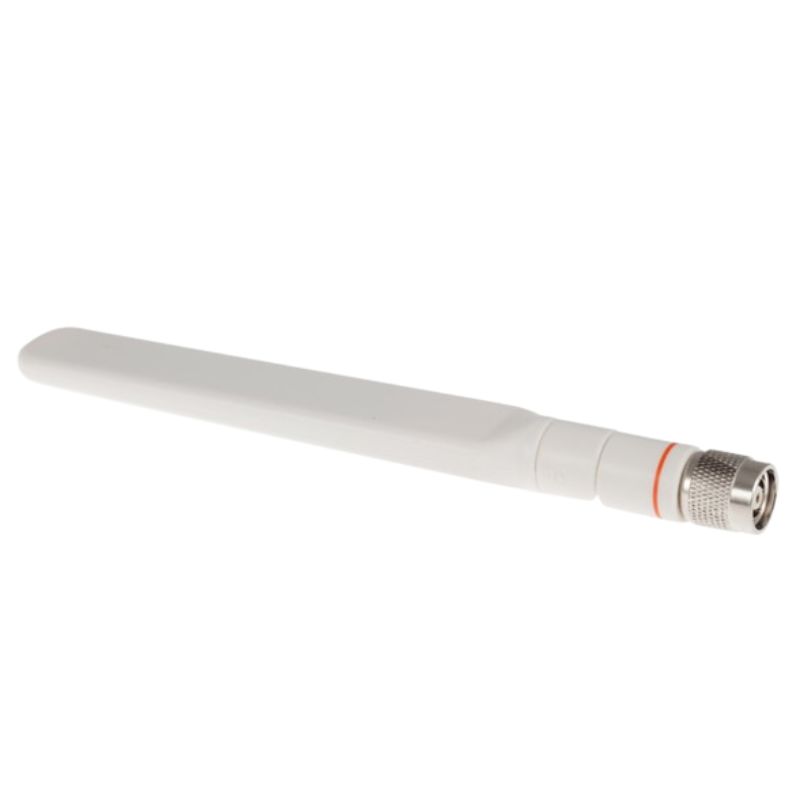
Cisco AIR-ANT2524DW-RS= 2.4ghz 2 Dbi/5ghz 4 Dbi Dipole Antenna White Rp-Tnc Self Id. Factory-Sealed New in Original Box (FSB) with 1 year replacement warranty
The Cisco AIR-ANT2524DW-RS= is a dual-band dipole antenna designed for reliable wireless networking environments that require strong performance across both 2.4GHz and 5GHz frequency ranges. This white RP-TNC antenna is engineered for use with compatible Cisco wireless access points and wireless networking equipment, providing flexible connectivity support for enterprise, commercial, educational, and industrial deployments. With its self-identifying antenna capability, the AIR-ANT2524DW-RS= helps compatible Cisco systems recognize antenna characteristics automatically, supporting simplified configuration and improved wireless management.
This category focuses on dual-band wireless antennas that enhance Wi-Fi coverage, signal stability, and network efficiency. The Cisco AIR-ANT2524DW-RS= represents a practical solution for organizations that need dependable wireless communication without complex antenna installation requirements. Its compact dipole form factor allows it to blend into various environments while maintaining the performance standards expected from professional networking equipment.
Operating with a 2 dBi gain rating on the 2.4GHz band and a 4 dBi gain rating on the 5GHz band, this antenna is optimized for balanced wireless coverage. The design supports common Wi-Fi applications including data access, voice communication, mobile device connectivity, and wireless infrastructure expansion. The antenna’s white housing provides a clean appearance suitable for office spaces, public facilities, and locations where equipment visibility matters.
Dual-band antennas are an important component of modern wireless networking because they allow devices to communicate over multiple frequency ranges. The Cisco AIR-ANT2524DW-RS= supports both the 2.4GHz and 5GHz bands, enabling networks to take advantage of different wireless characteristics. The 2.4GHz spectrum generally provides wider coverage and better penetration through obstacles, while the 5GHz spectrum offers additional channels and improved capacity for higher-performance applications.
The combination of these frequency capabilities allows the antenna to support diverse network requirements. In environments with many connected devices, the 5GHz capability helps reduce congestion by providing access to a less crowded wireless band. Meanwhile, the 2.4GHz capability maintains compatibility with a broad range of wireless clients. This makes the antenna suitable for mixed-device environments where laptops, smartphones, tablets, sensors, and other wireless systems operate together.
The dual-band design also supports the evolution of wireless networks as organizations move toward higher-speed Wi-Fi technologies. Rather than relying on separate antennas for different frequencies, users can deploy a single antenna solution that covers both major Wi-Fi bands. This simplifies installation and reduces the need for multiple antenna configurations.
The Cisco AIR-ANT2524DW-RS= uses an RP-TNC connector interface, a common connector type used in professional wireless networking equipment. The RP-TNC connection provides a secure attachment between the antenna and compatible access points, helping maintain consistent signal transmission. The threaded connector design allows for straightforward installation and replacement while ensuring the antenna remains firmly connected during normal operation.
Proper antenna connection is essential for wireless performance because even a high-quality access point depends on the antenna system to transmit and receive radio signals effectively. The RP-TNC interface helps ensure compatibility with supported Cisco devices and provides a dependable physical connection that supports stable wireless communication.
One of the notable features of the Cisco AIR-ANT2524DW-RS= is its self-identifying antenna functionality. This capability allows compatible Cisco wireless systems to detect antenna information automatically. By identifying antenna specifications, the network infrastructure can better understand the installed antenna type and apply appropriate wireless settings.
Self-identifying antenna technology helps simplify network administration by reducing manual configuration requirements. In large wireless deployments where many access points and antennas are installed, automatic recognition can improve consistency and reduce the possibility of configuration errors. This is especially valuable in enterprise environments where wireless reliability and centralized management are important.
The antenna identification feature supports efficient deployment workflows. Network professionals can install compatible antennas and allow supported Cisco systems to recognize the hardware details, helping streamline wireless infrastructure management. This contributes to easier maintenance and more predictable network operation.
The Cisco AIR-ANT2524DW-RS= category is commonly associated with wireless networking applications where reliable coverage and flexible installation are required. These antennas are often used in offices, schools, healthcare environments, warehouses, retail locations, and other facilities that depend on wireless connectivity for daily operations.
In office environments, the antenna supports employee devices such as computers, mobile phones, wireless printers, and collaboration equipment. A properly installed dual-band antenna helps maintain stable connections throughout work areas, meeting rooms, and shared spaces. The white color design can also complement professional interiors where networking hardware is installed in visible locations.
Educational institutions benefit from wireless antennas that can support many simultaneous users. Classrooms, libraries, and administrative areas often require reliable Wi-Fi access for students, teachers, and staff. The AIR-ANT2524DW-RS= helps compatible Cisco wireless systems deliver connectivity across different client devices while supporting modern network requirements.
Retail and commercial spaces also depend heavily on wireless communication. Point-of-sale systems, inventory devices, guest networks, and business applications frequently require dependable wireless connections. A dual-band antenna provides the flexibility needed for different devices and traffic patterns.
Antenna gain plays a significant role in wireless coverage and signal behavior. The Cisco AIR-ANT2524DW-RS= provides 2 dBi gain for 2.4GHz operation and 4 dBi gain for 5GHz operation. These specifications indicate how the antenna focuses and distributes radio frequency energy compared with a reference antenna. The 2.4GHz band is widely used because many wireless devices support it. However, this frequency range can experience interference from various sources, including other wireless networks and household electronic devices. The antenna design helps compatible wireless systems maintain communication by providing suitable signal distribution for typical indoor environments.
The 5GHz band generally provides higher performance opportunities because it offers more available channels and is often less crowded. The higher gain rating at 5GHz supports effective wireless communication for applications that require improved throughput and reduced interference.
Wireless performance depends on many factors beyond antenna specifications, including building materials, access point placement, client device capabilities, and network configuration. The AIR-ANT2524DW-RS= is designed to work as part of a complete wireless solution where antenna characteristics complement the rest of the network infrastructure.
The Cisco AIR-ANT2524DW-RS= is intended for use with compatible Cisco wireless networking devices that support RP-TNC antenna connections. Compatibility between access points and antennas is important because wireless systems are designed around specific radio characteristics and antenna configurations.
Using the correct antenna model helps ensure that wireless equipment operates according to manufacturer specifications. Network administrators selecting antennas for Cisco deployments often consider factors such as frequency support, connector type, gain characteristics, installation location, and coverage requirements.
This antenna category is particularly relevant for organizations managing Cisco wireless environments that need replacement antennas, expansion components, or standardized hardware across multiple locations. Maintaining consistent antenna models can simplify inventory management and network maintenance.
Enterprise wireless networks require components that support reliability, scalability, and manageable installation processes. The Cisco AIR-ANT2524DW-RS= fits into these requirements by providing dual-band support and professional-grade connectivity features.
Large organizations often deploy many access points throughout buildings and campuses. A consistent antenna solution helps network teams maintain predictable wireless behavior. The self-identifying capability can also support easier deployment when compatible Cisco management systems are used.
Reliable antennas contribute to improved user experiences because wireless connectivity depends on effective communication between access points and client devices. Whether users are accessing cloud applications, video meetings, databases, or internal systems, stable wireless infrastructure is a key requirement.
Selecting an appropriate antenna is an important part of wireless network planning. Different environments have different coverage needs, and antenna characteristics influence how radio signals travel. The Cisco AIR-ANT2524DW-RS= provides a balanced option for many indoor wireless applications where dual-band operation is needed.
Network designers consider factors such as coverage area, user density, interference levels, and device types when selecting antennas. A suitable antenna helps maximize the effectiveness of wireless access points and ensures that network resources are used efficiently.
The antenna’s combination of 2.4GHz and 5GHz support makes it useful for modern networks that must support both legacy and newer wireless devices. As wireless environments continue to expand, dual-band antennas remain an important part of flexible network design.
Wireless antennas are generally low-maintenance components, but proper care and inspection can help maintain network performance. When replacing antennas, administrators should confirm connector compatibility, frequency support, and physical installation requirements.
The Cisco AIR-ANT2524DW-RS= provides a practical replacement option for compatible systems that require a matching antenna solution. Using a suitable replacement helps maintain expected wireless performance and avoids potential issues caused by incompatible hardware. During network upgrades, organizations may review antenna requirements alongside access point replacements and wireless capacity improvements. A reliable antenna component supports the broader goal of creating stable and efficient wireless connectivity.
Indoor wireless networks often face challenges such as walls, furniture, interference, and changing user locations. Antennas designed for indoor deployment help address these challenges by providing appropriate coverage patterns for common building layouts.
The Cisco AIR-ANT2524DW-RS= is suited for environments where access points are installed throughout offices, classrooms, facilities, and public areas. Its compact construction allows it to be integrated into wireless systems without requiring large external antenna structures.


 Contact Us
 Information
 Catalog
 Solid State Drives (SSD)
 Network Switches
 Hard Disk Drives
 HBA & Controllers
 PC & Servers
 PC & Server Memory
 CPU & Processors
 Network Routers
 Power Supplies
 Tape Drives & Libraries
 Network Devices
 Computer & Network Cables