(7% discount is applied at checkout)
Cart is empty
Your go-to destination for cutting-edge server products
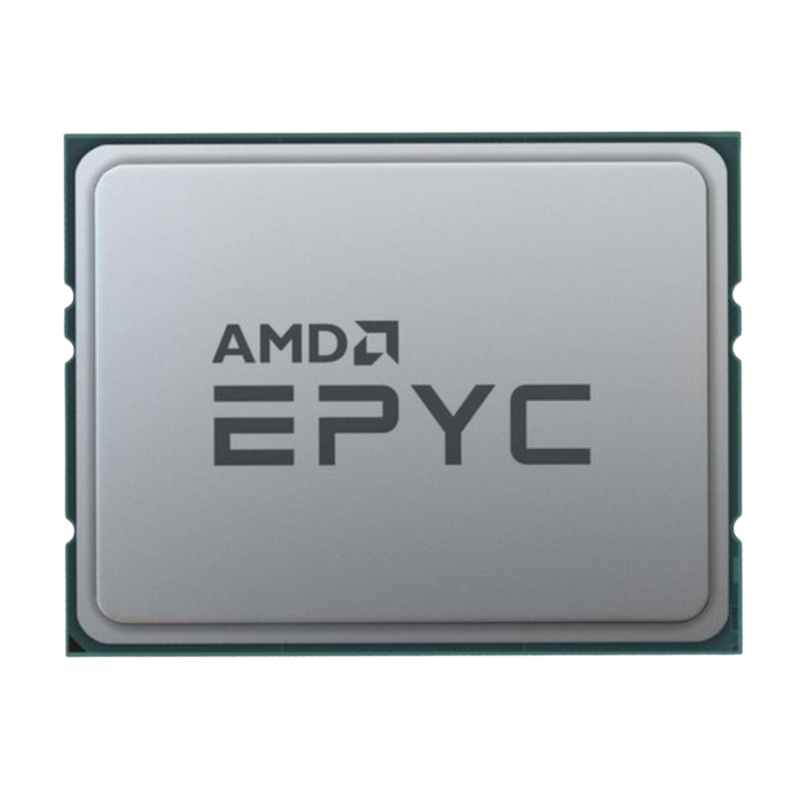


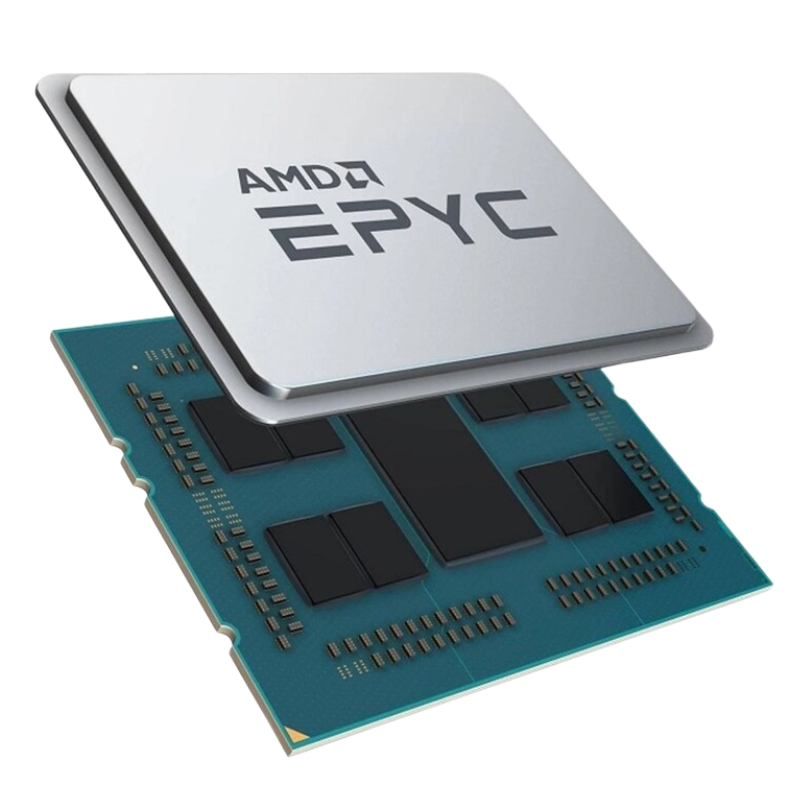
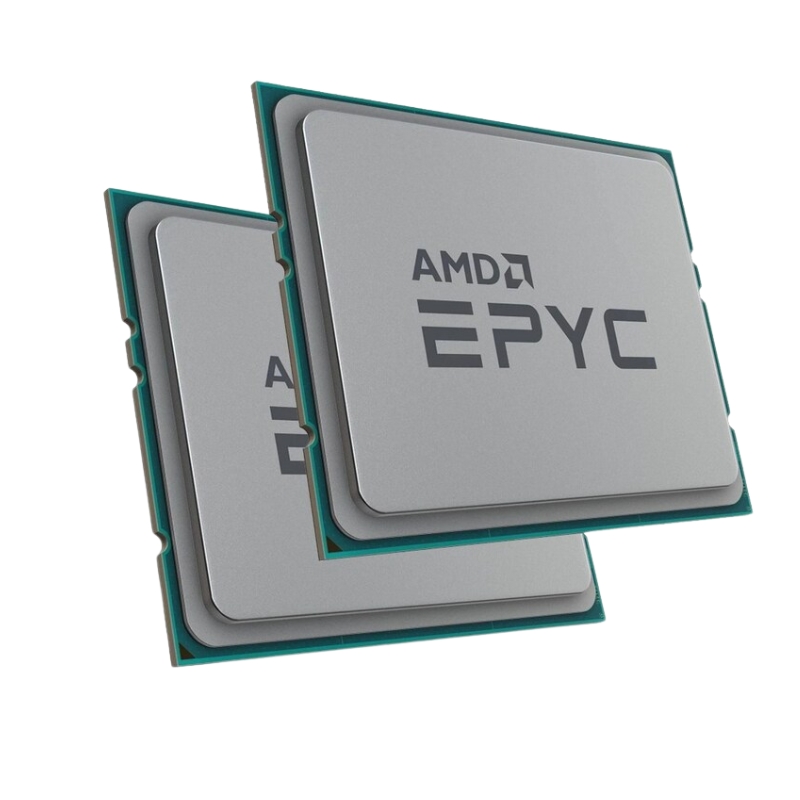
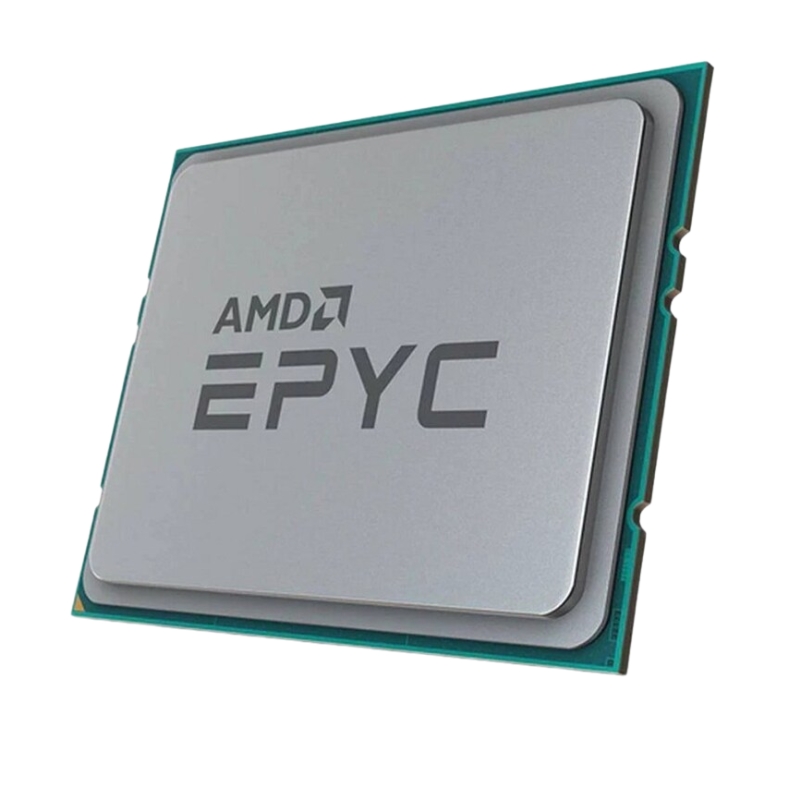
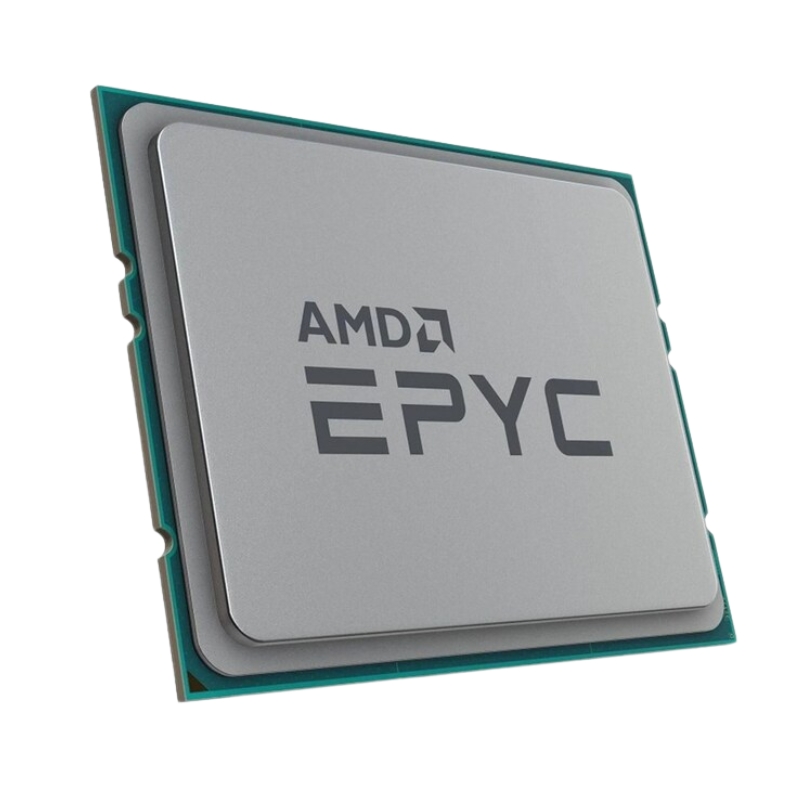
100-000000056 AMD EPYC 7V12 64 Cores 2.40GHz Base 256MB L3 Cache Processor. New (System) Pull with 1 Year Replacement Warranty
The AMD EPYC 7V12 is a high-performance server processor designed to handle heavy data center workloads, cloud computing, and virtualization environments. Built on AMD’s advanced Zen 2 architecture, this CPU delivers exceptional performance, energy efficiency, and scalability for enterprise-level computing tasks.
The AMD EPYC 7V12 64-Core Processor is compatible with a wide range of server motherboards and systems that support the SP3 (LGA 4094) socket. It is ideal for:
Thanks to its high core count and advanced multi-threading, the EPYC 7V12 is ideal for intensive workloads such as:
The 100-000000056 AMD EPYC 7V12 processor is a high-performance server CPU designed to deliver outstanding power for modern data centers, enterprise computing, and high-demand workloads. With 64 cores and 128 threads, this processor provides massive parallel processing capability, making it ideal for cloud computing, virtualization, artificial intelligence, and big data applications. It runs at a 2.40GHz base clock speed and supports a boost frequency for even faster single-thread performance when needed. The 256MB L3 cache ensures ultra-fast data access and smooth multitasking performance under intense workloads.
This processor belongs to the powerful AMD EPYC 7002 series, built on the advanced “Zen 2” microarchitecture. It is developed using a 7nm process technology, which improves energy efficiency, reduces heat output, and enhances per-core performance. The model 100-000000056 is specifically engineered for large-scale enterprise environments that need both scalability and reliability in continuous operations.
The AMD EPYC 7V12 offers a rich set of features designed for modern computing infrastructures. Below are its key specifications and technologies that make it a top choice for IT professionals and system builders:
The Zen 2 microarchitecture brings an impressive leap in performance and efficiency over the previous generation. This architecture utilizes chiplet design, allowing AMD to optimize manufacturing and deliver high-density computing in a smaller, more efficient package.
A large 256MB L3 cache plays a key role in speeding up data access and reducing time delays between the CPU and memory. This is particularly important in data-intensive workloads like scientific simulations, deep learning models, and financial analysis.
The processor supports PCI Express 4.0, offering double the bandwidth compared to PCIe 3.0. This feature enhances connectivity with next-generation GPUs, NVMe storage devices, and high-speed network interfaces, ensuring maximum data transfer speeds and low latency.
The AMD EPYC 7V12 supports 8-channel DDR4 memory with ECC (Error Correction Code), providing higher bandwidth and reliability. It can handle terabytes of memory capacity, making it suitable for memory-intensive workloads such as analytics, virtualization, and AI inference.
Enterprises rely heavily on consistent performance, reliability, and scalability. The AMD EPYC 7V12 meets these demands by providing a balanced blend of high performance, energy efficiency, and robust security features.
This processor runs at a 2.40GHz base frequency and can achieve a higher boost frequency under heavy single-threaded workloads. This flexibility allows both consistent performance under load and higher responsiveness in burst scenarios.
It supports 8 memory channels with DDR4-3200 memory, offering up to 204.8 GB/s of total bandwidth. The inclusion of ECC memory support ensures data accuracy and reliability, which is critical for enterprise-grade servers.
The processor features 128 PCIe 4.0 lanes, providing exceptional flexibility for connecting storage devices, GPUs, and networking cards. This makes it an excellent choice for high-speed, data-heavy environments that require low latency.
Security is built directly into the hardware with technologies like AMD Secure Boot, Memory Guard, and Secure Encrypted Virtualization (SEV). These help protect sensitive data from malicious attacks, ensuring a secure environment for cloud and enterprise workloads.
The AMD EPYC 7V12 is designed for large-scale deployment in data centers. Its combination of high core count, massive cache, and memory support allows it to handle numerous virtual machines and containerized applications simultaneously. Cloud providers can benefit from improved resource utilization and reduced operational costs.
In scientific research, simulation, and engineering fields, the 7V12 provides unparalleled performance for multi-threaded applications. Researchers can run complex simulations, weather models, and computational analyses faster, helping accelerate innovation and results.
Companies hosting web applications, ERP systems, or internal enterprise services can benefit from the processor’s scalability. Its multi-threading capabilities ensure fast response times even under heavy load conditions, improving user experience and productivity.
In various benchmark tests, the AMD EPYC 7V12 consistently ranks among the top performers for server CPUs. It excels in multi-threaded applications, outperforming many competitors in tasks such as parallel rendering, encryption, and virtualization.
Compared to equivalent Intel Xeon Platinum processors, the AMD EPYC 7V12 offers more cores, larger cache, and higher memory bandwidth. It delivers better price-to-performance ratios, especially in compute-heavy workloads like virtualization and cloud computing.
The EPYC 7V12 shares similarities with the EPYC 7742 in terms of architecture and performance class but provides optimized frequency tuning and efficiency for specific server configurations. Both are top-tier solutions for enterprise workloads.
By utilizing advanced 7nm technology, the AMD EPYC 7V12 consumes less energy while maintaining exceptional computational power. This makes it an eco-friendly solution for data centers aiming to reduce energy consumption and operational costs.


 Contact Us
 Information
 Catalog
 Solid State Drives (SSD)
 Network Switches
 Hard Disk Drives
 HBA & Controllers
 PC & Servers
 PC & Server Memory
 CPU & Processors
 Network Routers
 Power Supplies
 Tape Drives & Libraries
 Network Devices
 Computer & Network Cables