(7% discount is applied at checkout)
Cart is empty
Your go-to destination for cutting-edge server products
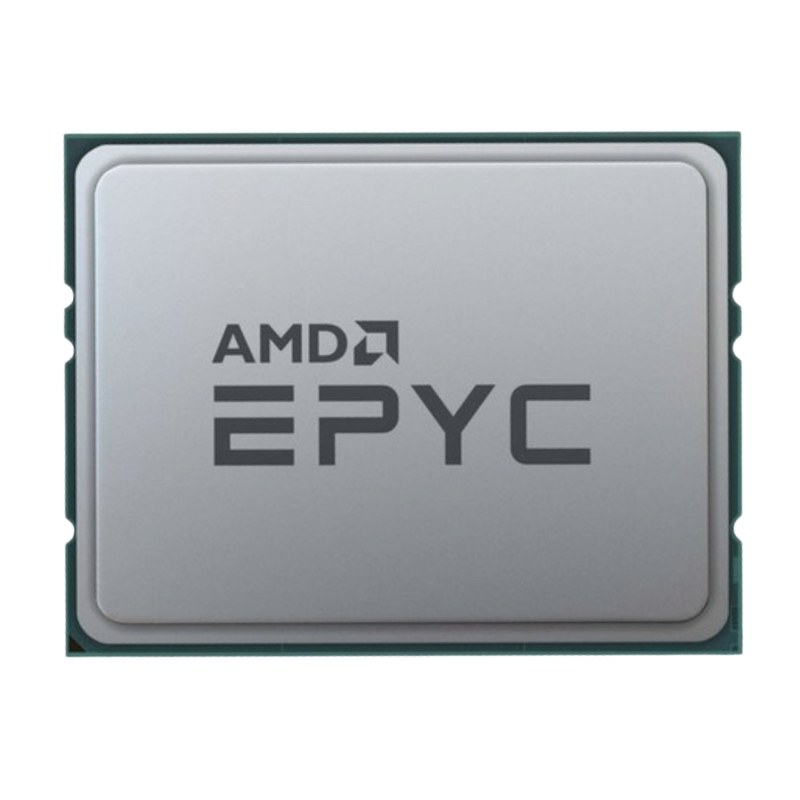


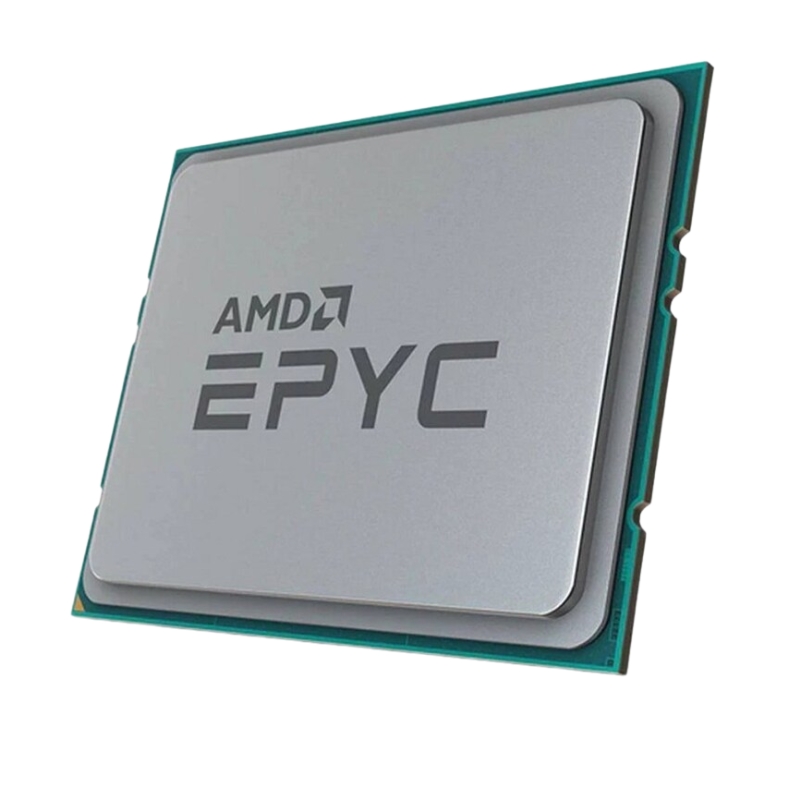
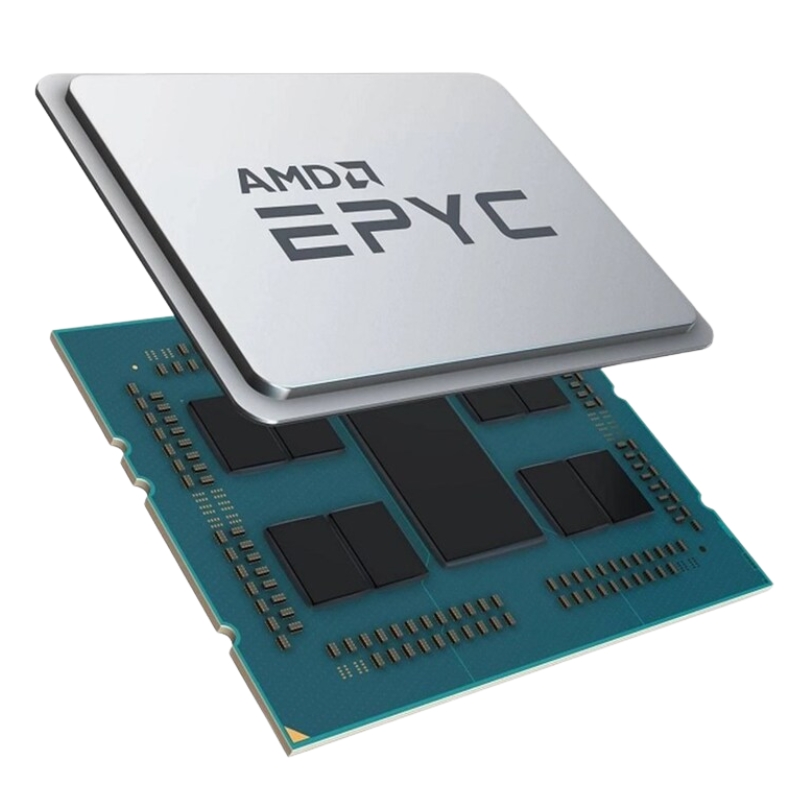
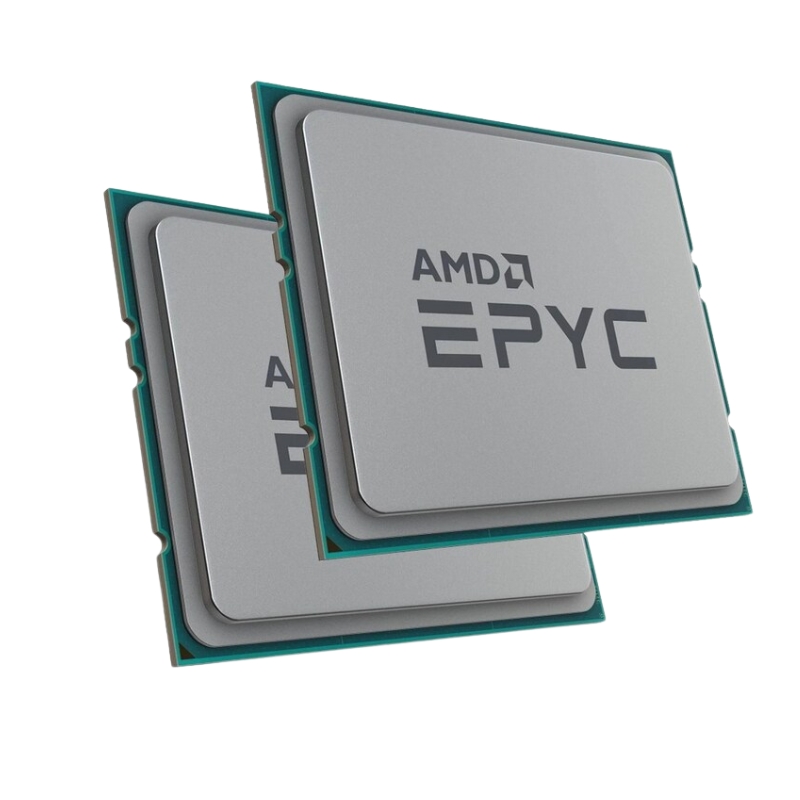
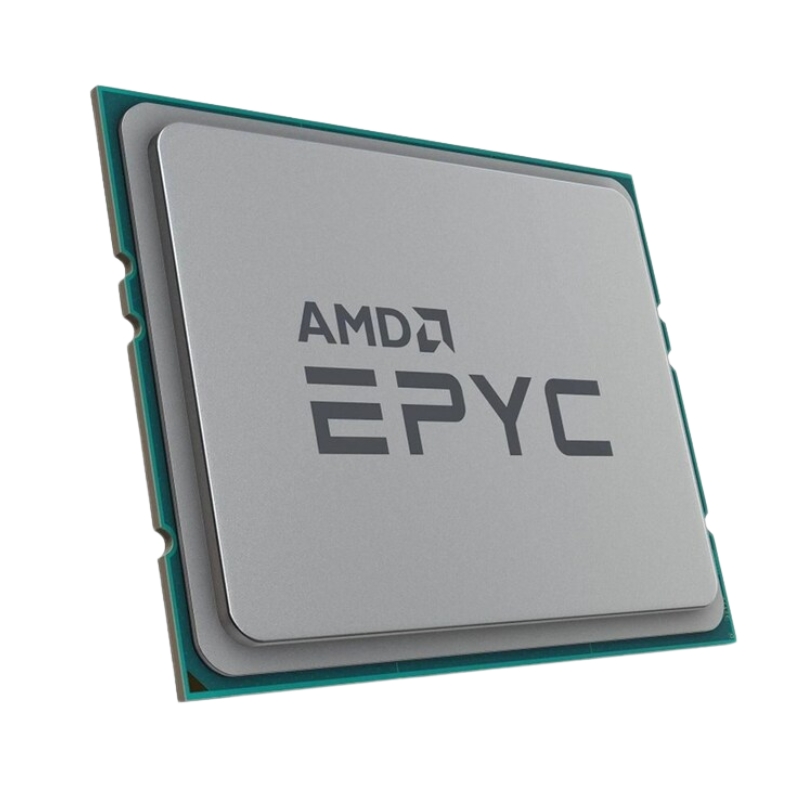
AMD 100-000000311 EPYC 7R13 48-Core 2.65GHz Base 256MB L3 Cache 280W Processor. New (System) Pull with 1 Year Replacement Warranty
The AMD EPYC 7R13 processor is part of the AMD EPYC 7003 “Milan” series, engineered with the advanced Zen 3 architecture. This high-performance CPU is designed for data centers, enterprise servers, and intensive computing environments that require superior multi-core performance and scalability.
The AMD 100-000000311 EPYC 7R13 is a powerful 48-core, 96-thread server processor designed for high-end data centers, virtualization workloads, and enterprise applications. Featuring a base clock of 2.65GHz and a massive 256MB of L3 cache, this CPU delivers exceptional multi-threaded performance and efficient energy utilization with a 280W TDP. Built on AMD’s advanced 7nm process technology and leveraging the Zen 3 architecture, it provides superior computational density, scalability, and reliability for modern workloads that demand continuous high throughput.
At the core of the AMD EPYC 7R13 lies the Zen 3 microarchitecture, which represents AMD’s most refined server design for large-scale computing. The architecture optimizes both single-thread and multi-thread performance through improved instruction per clock (IPC) capabilities and reduced latency between cores. With 48 cores and 96 threads, it can efficiently handle parallel workloads such as virtualization, cloud orchestration, and AI-driven analytics. Its 2.65GHz base frequency ensures stability during sustained tasks, while boost clocks dynamically increase performance for demanding workloads.
The AMD 100-000000311 EPYC 7R13 is fabricated using TSMC’s 7nm FinFET technology. This process allows for a higher transistor density and improved energy efficiency. The smaller node enables better thermal characteristics, allowing the CPU to operate at higher performance levels while maintaining consistent power usage. This level of manufacturing precision results in improved reliability, making the EPYC 7R13 ideal for 24/7 data center operations.
The inclusion of PCI Express 4.0 delivers twice the bandwidth per lane compared to PCIe 3.0. This enhancement is critical for systems utilizing high-speed SSDs, GPUs, and networking cards. The AMD EPYC 7R13 supports 128 lanes, which allows system architects to design flexible platforms that connect multiple high-performance peripherals without bottlenecks. This capability is especially useful in data centers that employ GPU-based AI workloads or NVMe storage arrays for intensive data processing.
With eight memory channels, the EPYC 7R13 achieves remarkable memory throughput. This configuration benefits data-intensive workloads like big data analytics, financial modeling, and cloud hosting services. The processor’s support for ECC memory ensures data accuracy and system stability, reducing the risk of data corruption in mission-critical applications. Moreover, the balanced memory access architecture enhances the scalability of server nodes, allowing enterprises to manage larger databases more efficiently.
Data centers deploying AMD EPYC 7R13 processors experience superior workload density and performance per watt. The processor’s high core count means more virtual machines can run per physical server, maximizing infrastructure efficiency. Cloud service providers can also benefit from reduced operational costs and improved performance consistency. Whether it’s running hypervisors, container clusters, or large-scale distributed systems, the EPYC 7R13 maintains outstanding scalability and energy efficiency.
Reliability is key in enterprise and data center environments. The AMD EPYC 7R13 includes RAS (Reliability, Availability, and Serviceability) features that detect, correct, and isolate hardware faults. This ensures continuous uptime, minimizes data loss, and reduces the need for emergency maintenance. Features such as ECC memory support, memory mirroring, and predictive failure analysis make the EPYC 7R13 ideal for mission-critical operations.
Despite its massive performance capabilities, the EPYC 7R13 maintains efficiency with a 280W TDP (Thermal Design Power). AMD’s energy management technologies allow the processor to dynamically balance performance and power use based on workload demand. This ensures optimal utilization in both peak and idle scenarios, resulting in reduced total cost of ownership for data centers.
The processor’s PCIe 4.0 support ensures smooth integration with NVMe SSDs and high-speed storage controllers. This translates into faster data retrieval, lower latency, and improved I/O performance. For organizations managing large-scale databases or cloud storage services, this capability enhances operational responsiveness and throughput.
In database environments such as Oracle, SQL Server, and PostgreSQL, the processor’s high cache size and multi-core architecture enable faster query execution and concurrent transaction processing. Data indexing, search operations, and analytics queries benefit from reduced latency and increased IOPS throughput.


 Contact Us
 Information
 Catalog
 Solid State Drives (SSD)
 Network Switches
 Hard Disk Drives
 HBA & Controllers
 PC & Servers
 PC & Server Memory
 CPU & Processors
 Network Routers
 Power Supplies
 Tape Drives & Libraries
 Network Devices
 Computer & Network Cables