(7% discount is applied at checkout)
Cart is empty
Your go-to destination for cutting-edge server products
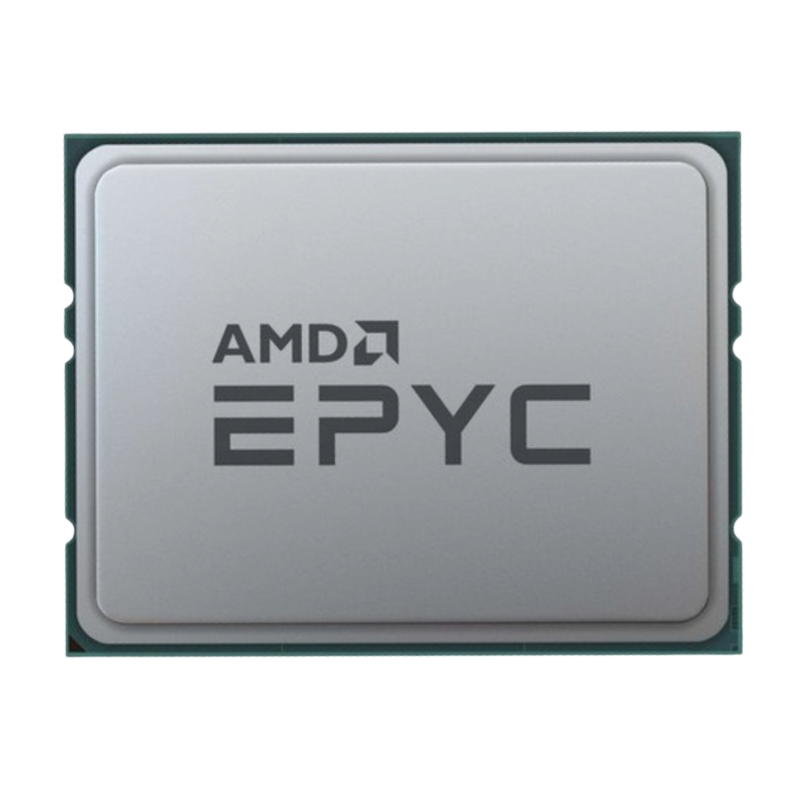


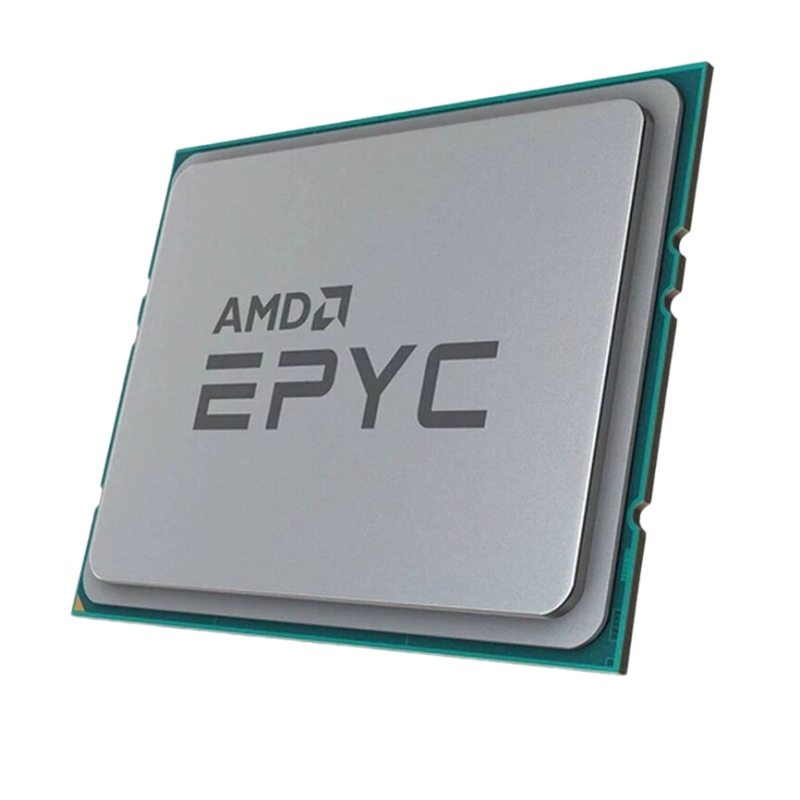
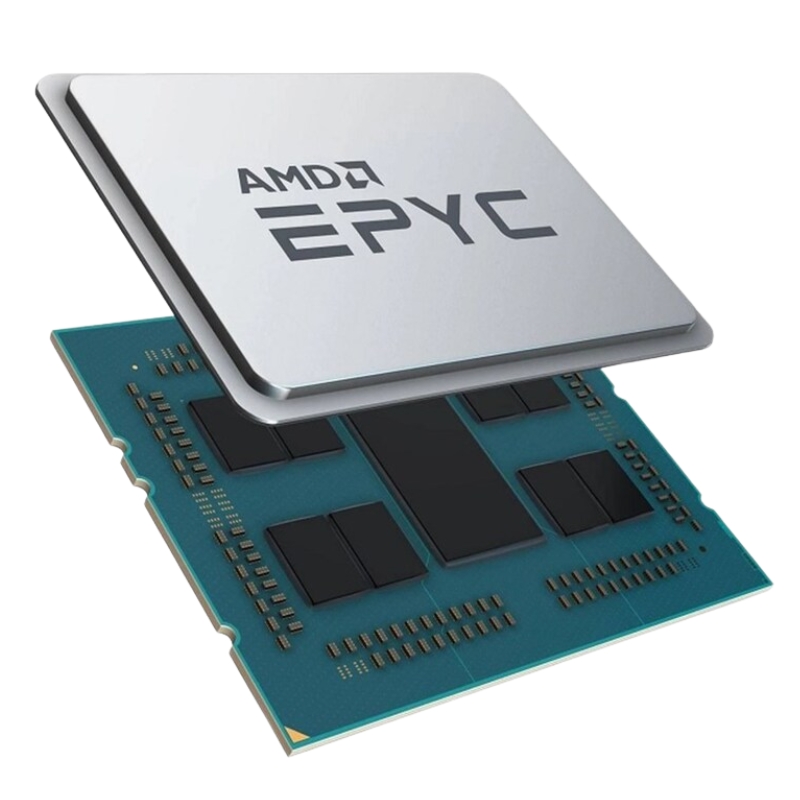
AMD 100-000000346 EPYC 7J13 64-Core 2.60GHz Base Up To 3.5GHz Boost 256MB L3 Cache 280W Processor. New (System) Pull with 1 Year Replacement Warranty
The AMD EPYC 7J13 is a high-performance server processor designed for demanding workloads. With 64 cores and 128 threads, this CPU delivers exceptional computing power, making it ideal for data centers, virtualization, and enterprise-grade applications.
The AMD EPYC 7J13 processor is compatible with a wide range of server and workstation environments. Common compatibility includes:
The AMD 100-000000346 EPYC 7J13 processor is a high-performance server-grade CPU designed to handle the most demanding workloads in modern data centers. With 64 cores and 128 threads, it is built for parallel processing, virtualization, cloud computing, and enterprise applications. Featuring a base clock speed of 2.60GHz and a boost frequency of up to 3.5GHz, this processor ensures maximum efficiency for intensive computational tasks. Its massive 256MB L3 cache allows faster access to frequently used data, enhancing performance across various workloads.
One of the most defining features of the AMD EPYC 7J13 is its exceptionally high core count. With 64 cores and support for 128 simultaneous threads, it excels in multi-threaded applications, making it ideal for large-scale data processing, scientific simulations, and AI workloads. Each core is designed to handle multiple threads simultaneously, improving the efficiency of complex computations while reducing latency and processing bottlenecks.
The 64-core architecture enables enterprises to run multiple virtual machines, containers, and databases without performance degradation. In cloud environments, it supports heavy multi-tenancy and high-density virtualization. Businesses relying on large-scale analytics, machine learning, or artificial intelligence benefit from the parallel processing power, which allows them to perform tasks faster and more accurately than lower-core alternatives.
The processor features an impressive 256MB L3 cache, which is essential for reducing data access latency. The large cache allows frequently used instructions and data to be stored close to the CPU cores, minimizing the need to fetch information from main memory repeatedly. This results in quicker response times and better overall system performance.
Applications that require high-speed access to large datasets, such as database management systems, AI inference, and real-time analytics, benefit significantly from the large L3 cache. The cache reduces bottlenecks and ensures that processors can maintain high throughput during demanding operations.
By delivering powerful multi-core performance within a controlled TDP, the EPYC 7J13 allows data centers to handle heavy workloads without excessive power usage. This contributes to reduced operational costs, lower cooling requirements, and improved environmental sustainability, making it an attractive option for modern enterprise environments.
Virtualization is a core use case for the EPYC 7J13, thanks to its high core count, large cache, and support for simultaneous multi-threading. Businesses leveraging virtualization can deploy more virtual machines per physical server without compromising performance, which reduces hardware costs and improves resource utilization.
Cloud providers benefit from the EPYC 7J13’s ability to handle diverse workloads simultaneously. From hosting web applications to running complex computational tasks, this processor ensures consistent and reliable performance for multi-tenant environments. Its energy-efficient design also reduces operational costs, which is essential for large-scale cloud deployments.
The processor features a quad-channel memory architecture that allows simultaneous access to multiple memory modules. This increases memory throughput, reduces latency, and ensures that the processor cores have the data they need for uninterrupted performance. Enterprises running databases, AI models, or large-scale simulations will see noticeable improvements in performance.
The EPYC 7J13 supports scalable memory configurations, enabling businesses to expand memory capacity as workloads grow. This flexibility makes it ideal for high-performance computing (HPC), virtualization clusters, and big data analytics, where memory requirements can vary significantly over time.
High-performance computing (HPC) workloads demand processors capable of handling complex computations at high speed. The AMD EPYC 7J13 is designed with HPC in mind, offering massive parallelism, high memory bandwidth, and advanced caching capabilities.
Within the AMD EPYC family, the 7J13 stands out for its combination of high core count, large cache, and energy efficiency. Compared to lower-tier EPYC processors, it offers superior multi-threaded performance, better virtualization density, and enhanced memory support. This makes it the ideal choice for enterprise-grade servers and data centers requiring top-tier computational capabilities.
Investing in the EPYC 7J13 ensures scalability and future-proofing for organizations. As workloads grow and demands increase, this processor can accommodate larger memory configurations, additional virtual machines, and more complex computations without requiring frequent hardware upgrades.
In enterprise data centers, the EPYC 7J13 ensures reliable performance for mission-critical applications. High-density virtualization, energy-efficient operation, and advanced security make it an excellent choice for businesses that require continuous uptime and robust processing capabilities.
Cloud service providers benefit from the EPYC 7J13’s ability to handle multi-tenant workloads efficiently. Its high core count and memory support allow providers to deliver scalable and reliable services while minimizing operational costs. Security features such as SME and SEV ensure tenant data remains protected.
For high-performance workstations, the EPYC 7J13 delivers exceptional computational power for professionals working with rendering, simulation, scientific research, or data analysis. Its ability to handle multi-threaded applications ensures faster results and higher productivity.


 Contact Us
 Information
 Catalog
 Solid State Drives (SSD)
 Network Switches
 Hard Disk Drives
 HBA & Controllers
 PC & Servers
 PC & Server Memory
 CPU & Processors
 Network Routers
 Power Supplies
 Tape Drives & Libraries
 Network Devices
 Computer & Network Cables