(7% discount is applied at checkout)
Cart is empty
Your go-to destination for cutting-edge server products
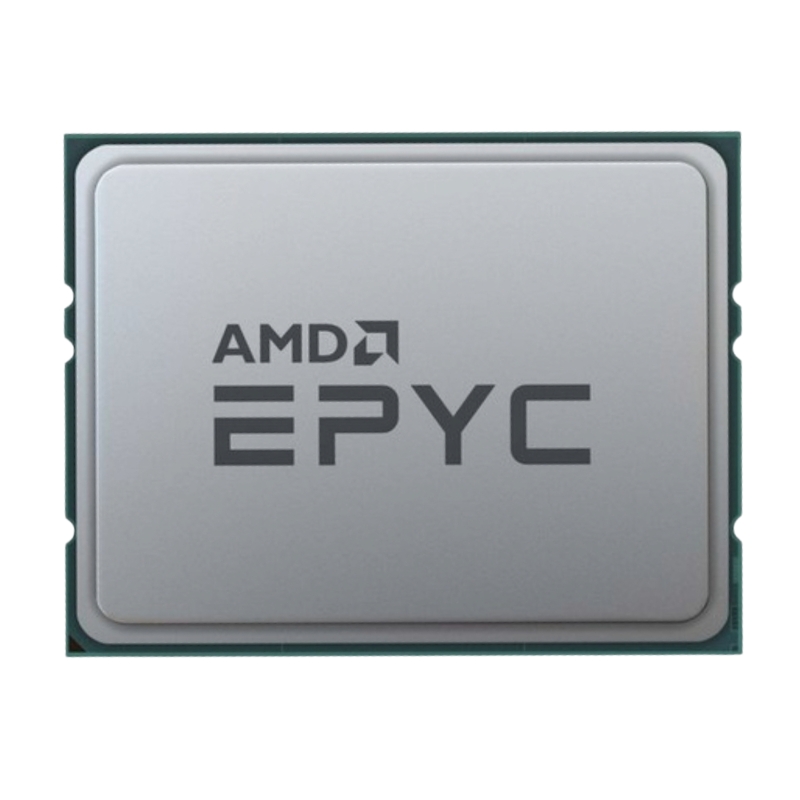


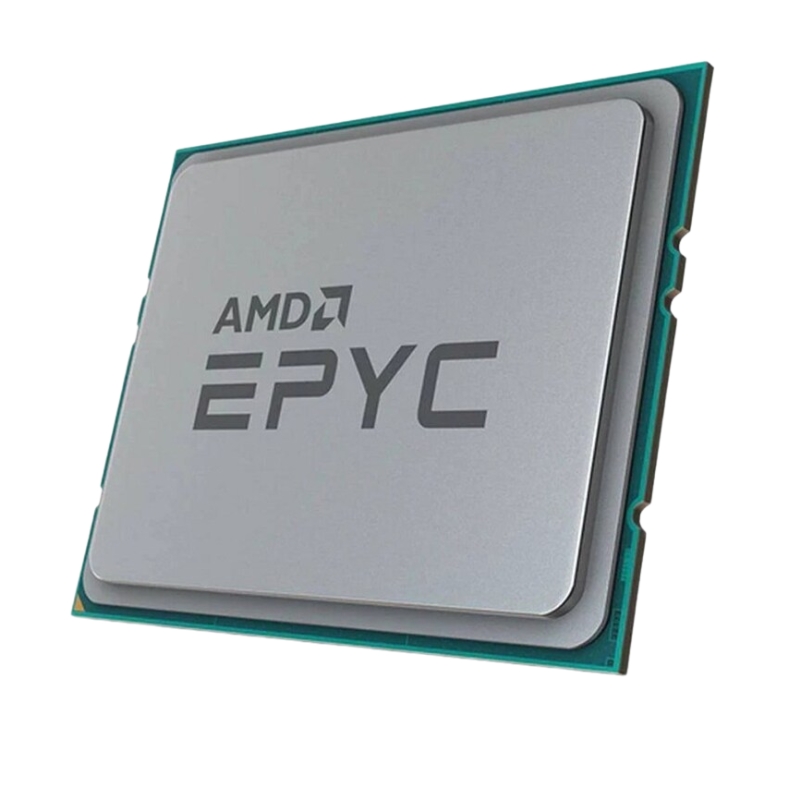
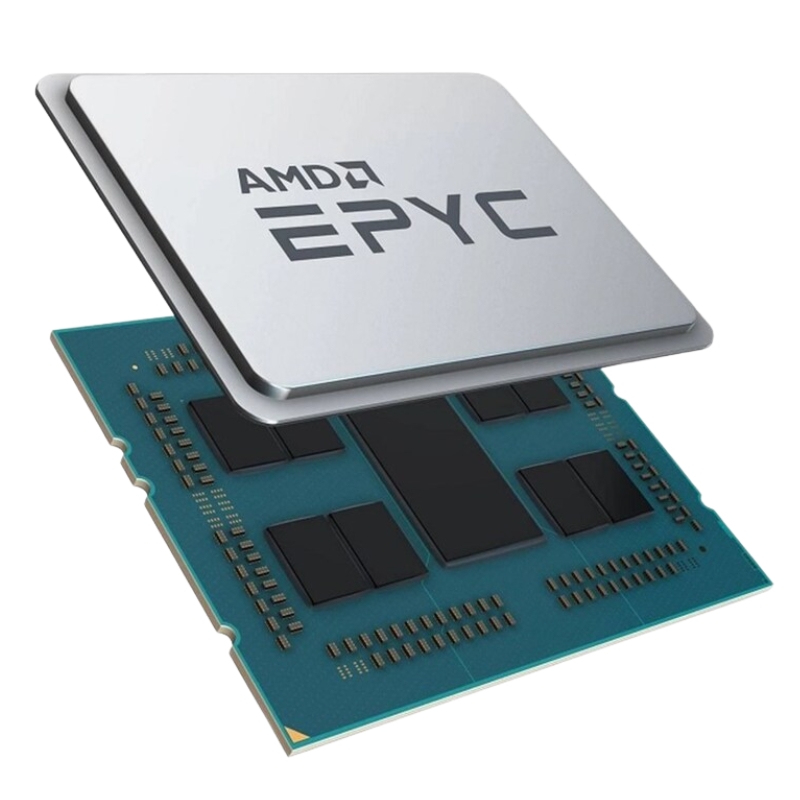
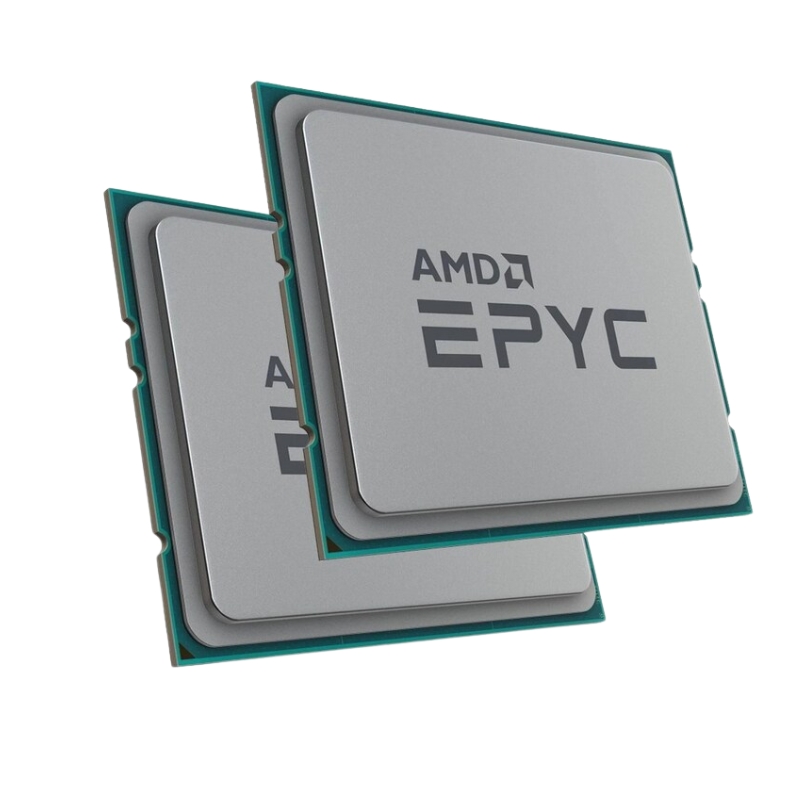
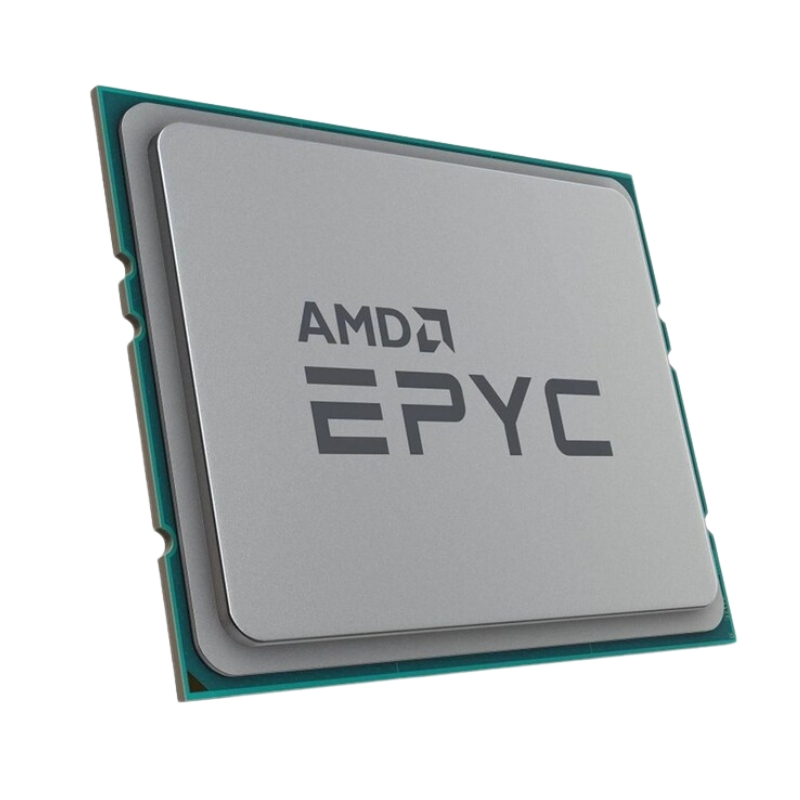
AMD 100-000000346WOF EPYC 7J13 64-Core 2.60GHz Base Up To 3.5GHz Boost 256MB L3 Cache 280W Processor. New (System) Pull with 1 Year Replacement Warranty
The AMD 100-000000346WOF, also known as the AMD EPYC 7J13, is a high-performance server processor designed for data centers and enterprise-grade computing. It belongs to the AMD EPYC 7003 series, codenamed Milan, featuring advanced Zen 3 architecture for exceptional efficiency and computing power.
The AMD EPYC 7J13 is compatible with a wide range of server motherboards and enterprise platforms that support SP3 sockets. Ideal for high-performance computing, cloud infrastructure, and data center deployment.
The AMD EPYC 7J13 is designed for maximum connectivity and high-speed data transfer in enterprise environments.
The AMD 100-000000346WOF EPYC 7J13 is a high-performance 64-core processor designed for modern data centers, enterprise servers, and high-demand computing environments. With a base clock speed of 2.60GHz and a maximum boost frequency of 3.5GHz, this processor combines extreme multi-threading capabilities with energy efficiency. It is built on AMD's advanced architecture, offering a significant performance increase compared to previous generations.
The EPYC 7J13 features 64 powerful cores and 128 threads, making it ideal for heavy workloads, parallel processing, and virtualization. This multi-core design ensures that enterprise applications, cloud computing tasks, and data analytics operations can run simultaneously without performance degradation.
Operating at a base clock speed of 2.60GHz and capable of boosting up to 3.5GHz, this processor delivers both consistent performance for sustained workloads and dynamic acceleration for intensive computational tasks. The boost functionality ensures that high-priority processes receive maximum processing power when needed.
Equipped with a substantial 256MB L3 cache, the EPYC 7J13 reduces latency and accelerates data access for applications that rely on frequent memory retrieval. The large cache size is particularly beneficial for database management, real-time analytics, and large-scale simulations, minimizing bottlenecks and improving overall system responsiveness.
Despite its high performance, the EPYC 7J13 maintains a 280W thermal design power (TDP), providing a balance between computational power and energy consumption. This allows data centers to optimize cooling solutions while maintaining server efficiency and reliability under demanding workloads.
The AMD EPYC 7J13 utilizes the advanced Zen 4 core architecture, which offers enhanced instructions per cycle (IPC), improved energy efficiency, and superior multi-threading performance. This architecture is optimized for data-intensive tasks, supporting modern server workloads and enterprise-level applications.
Manufactured using AMD's cutting-edge 5nm process technology, the EPYC 7J13 achieves higher transistor density, improved energy efficiency, and reduced heat generation. This modern fabrication process ensures the processor remains highly efficient, even under sustained full-load conditions.
The EPYC 7J13 is optimized for enterprise workloads including databases, big data analytics, cloud computing, and virtualization. Its multi-threading capability and high core count allow servers to run multiple applications concurrently without performance loss.
With support for simultaneous multi-threading (SMT) and a high number of cores, this processor excels in virtualized environments. It allows organizations to maximize server utilization, deploy multiple virtual machines, and reduce hardware costs while maintaining high performance.
Cloud service providers benefit from the EPYC 7J13’s multi-core architecture and scalable performance. The processor can handle large-scale virtual environments, containerized applications, and high-demand cloud workloads, ensuring a reliable and responsive cloud infrastructure.
For research institutions and HPC applications, the EPYC 7J13 provides the computational power necessary for simulations, scientific calculations, and machine learning tasks. Its large cache, multi-core configuration, and high memory bandwidth allow for efficient processing of complex workloads.
Simulations in physics, chemistry, and climate modeling often require vast computational resources. The 64-core EPYC processor reduces processing time significantly, enabling researchers to complete simulations faster and with higher accuracy.
The EPYC 7J13 supports eight channels of DDR5 memory, allowing for high bandwidth and low latency memory access. This is critical for applications that require fast data retrieval, including databases, virtualization platforms, and analytics software.
With support for large memory capacities, servers equipped with EPYC 7J13 processors can handle memory-intensive workloads, including in-memory databases, big data processing, and virtual desktop infrastructure (VDI).
AMD EPYC processors feature PCIe 5.0 support, offering high-speed connectivity for NVMe SSDs, high-performance GPUs, and networking cards. This enables data centers to achieve faster storage and networking performance, improving overall system throughput.
When compared to previous EPYC generations, the 7J13 shows significant improvements in instructions per cycle (IPC), multi-threading performance, and memory bandwidth. Benchmarks indicate superior performance for both synthetic and real-world workloads.
In the competitive landscape of enterprise processors, the EPYC 7J13 outperforms many offerings from rival brands due to its combination of core count, cache size, and energy efficiency. Organizations can leverage its performance for workloads that require both scale and speed.
For enterprise data centers, the EPYC 7J13 provides the processing power required to handle mission-critical applications. Its multi-core design and high memory bandwidth support virtualization, cloud hosting, and enterprise databases with ease.
Database management systems such as SQL Server, Oracle, and PostgreSQL benefit from the processor’s large cache and memory support. The EPYC 7J13 accelerates query processing and allows for handling larger datasets efficiently.
Virtualization platforms like VMware, Hyper-V, and KVM take advantage of the processor’s multi-threading capabilities to run numerous virtual machines simultaneously. Cloud service providers can scale infrastructure efficiently, reducing the number of physical servers required.
In addition to servers, the EPYC 7J13 can power high-performance workstations used for 3D rendering, video production, and scientific modeling. Its high core count ensures that multi-threaded applications perform at peak efficiency.
Applications such as CAD, CAE, and scientific simulations require significant computational power. The EPYC 7J13’s cores and memory bandwidth allow engineers and researchers to complete complex calculations faster and with higher accuracy.
The EPYC 7J13 is compatible with a wide range of server motherboards supporting the SP5 socket and AMD’s enterprise chipsets. This ensures easy integration into existing infrastructures and simplifies server upgrades.
Designed for enterprise environments, the EPYC 7J13 is capable of continuous operation under heavy loads. Data centers can rely on these processors for 24/7 availability, ensuring uptime for mission-critical applications.
With robust error handling, thermal monitoring, and power management, the EPYC 7J13 meets the rigorous standards required for enterprise-grade server deployment. Organizations can deploy it in mission-critical environments with confidence.
With 64 cores, 128 threads, high clock speeds, and a massive cache, the EPYC 7J13 delivers exceptional processing power for multi-threaded and single-threaded applications.
The processor supports dual-socket and multi-socket configurations, making it ideal for large-scale data centers, cloud platforms, and high-performance computing clusters.
With ECC memory support, advanced security features, and thermal management, the EPYC 7J13 provides enterprise-grade reliability and stability for 24/7 operation.


 Contact Us
 Information
 Catalog
 Solid State Drives (SSD)
 Network Switches
 Hard Disk Drives
 HBA & Controllers
 PC & Servers
 PC & Server Memory
 CPU & Processors
 Network Routers
 Power Supplies
 Tape Drives & Libraries
 Network Devices
 Computer & Network Cables