(7% discount is applied at checkout)
Cart is empty
Your go-to destination for cutting-edge server products
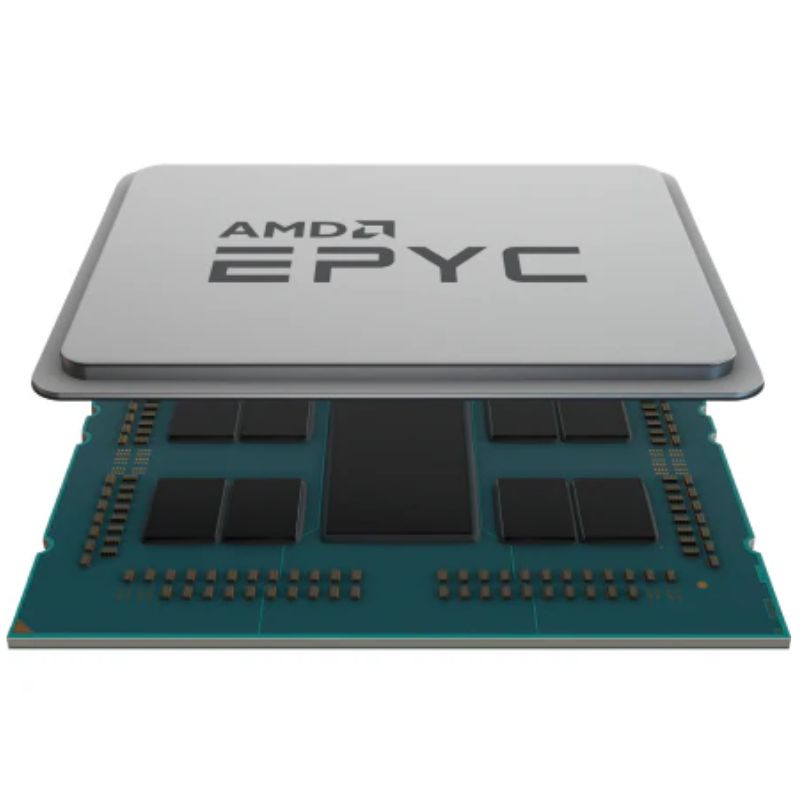


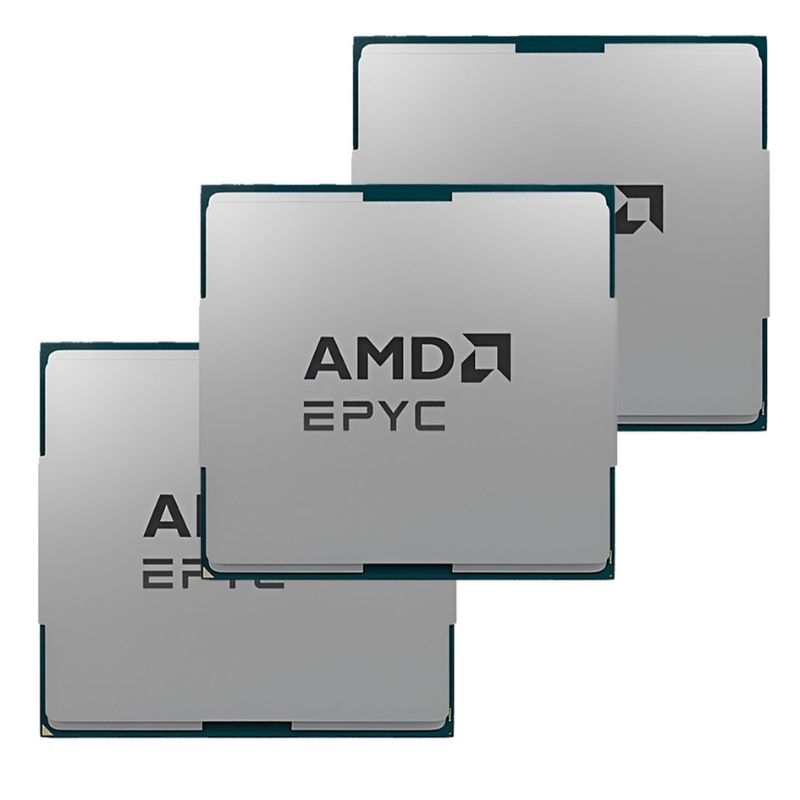
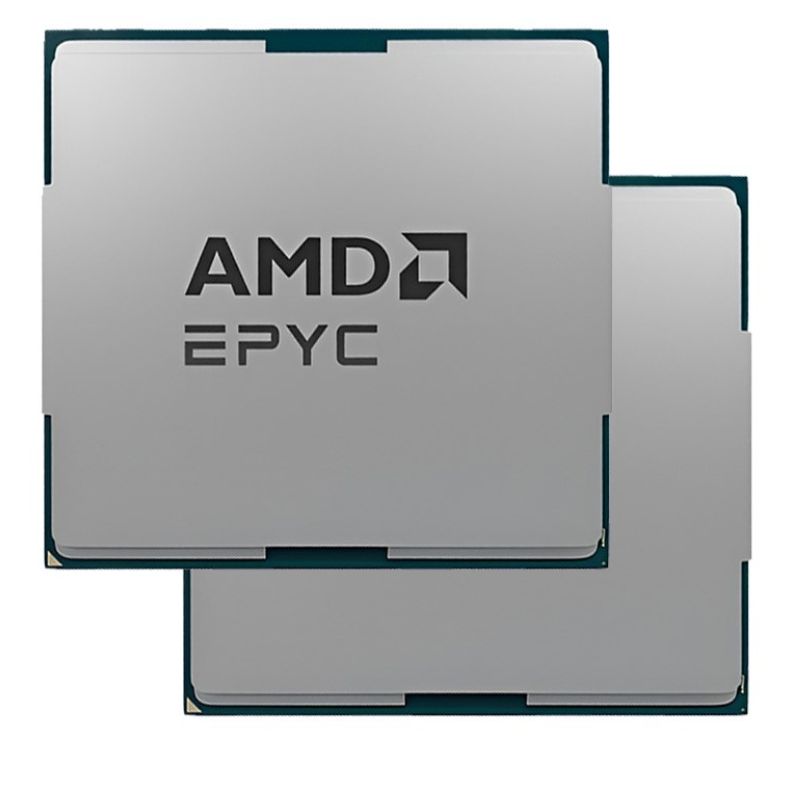
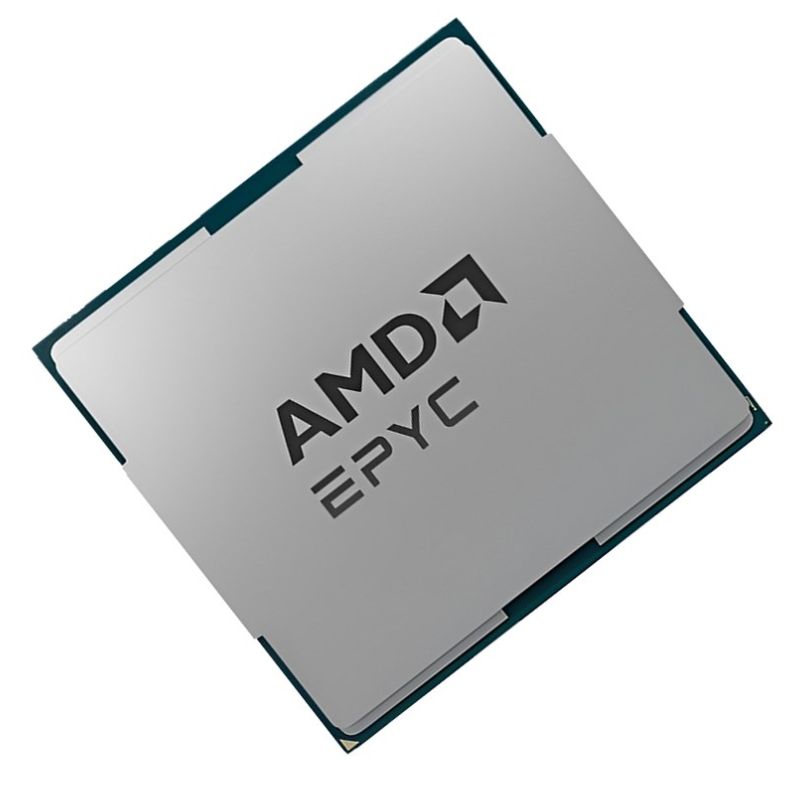
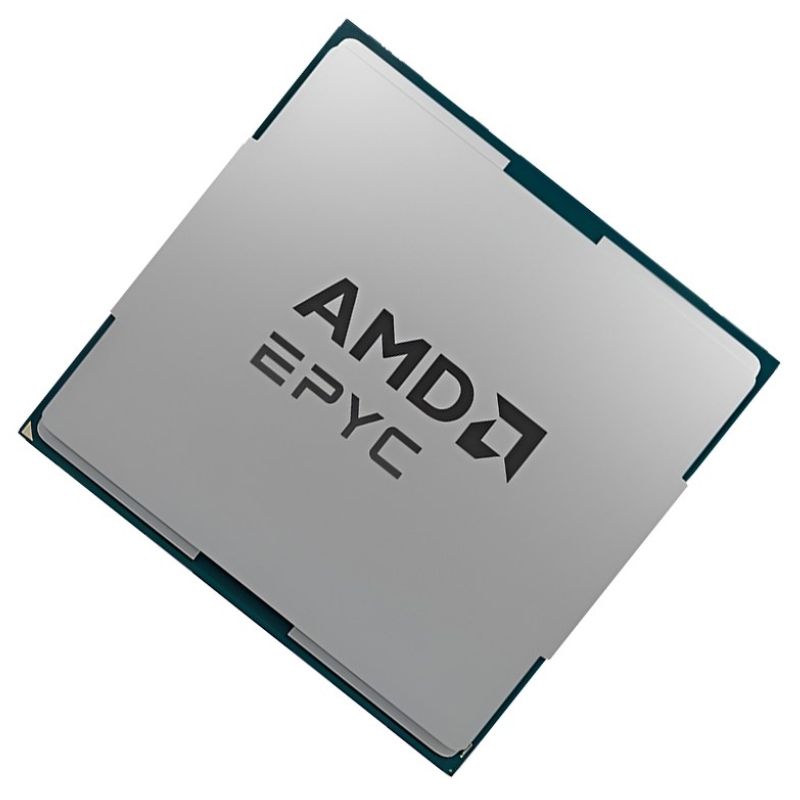
AMD 100-000001256 EPYC 9384X 32-Core 3.10GHz Up to 3.9GHz 768MB L3 Cache Socket SP5 320W 4th Gen Processor. New Sealed in Box (NIB) with 3 Years Warranty
The AMD 100-000001256 EPYC 9384X 32-Core 3.10GHz Up to 3.9GHz 768MB L3 Cache Socket SP5 320W 4th Gen Processor stands as a defining option in modern server and high-performance computing environments. Built on AMD’s Genoa X architecture for the SP5 platform, this EPYC 9384X model blends high core density, expanded cache capacity, and datacenter-grade power management to deliver a platform-level solution for virtualization, cloud-native workloads, large-scale databases, and compute-heavy applications. When assessing a category of processors or selecting components for a server build, shoppers and systems architects consistently weigh multi-threaded throughput, single-thread efficiency, memory bandwidth, I/O scalability, and total cost of ownership; the EPYC 9384X addresses each of these vectors with product-level balancing that favors dense consolidation and predictable scaling.
At the heart of the AMD 100-000001256 EPYC 9384X is a sophisticated implementation of AMD’s 4th Generation EPYC microarchitecture. The 32-core configuration, with a base frequency of 3.10GHz and a boost window that reaches up to 3.9GHz under thermal and power headroom, is tuned to supply both high sustained throughput for parallel workloads and competitive single-threaded bursts for latency-sensitive tasks. The processor’s massive 768MB L3 cache is a standout feature for the category, providing a level of on-die buffering that reduces memory access penalties and improves transaction performance for in-memory databases, caching tiers, and high-frequency analytics. Socket SP5 compatibility positions the EPYC 9384X within modern server motherboards designed for PCIe Gen5 expansion and advanced memory topologies, enabling architects to maximize system throughput across networking, storage, and accelerator fabrics.
Memory architecture plays a pivotal role in the effectiveness of any datacenter CPU, and the AMD 100-000001256 EPYC 9384X is built to leverage multi-channel DDR5 memory subsystems that provide higher bandwidth and improved power efficiency over previous generations. The processor’s integration with the SP5 socket allows system builders to deploy eight-channel memory configurations that support higher capacity DIMMs and faster memory clocks, which in turn reduces time-to-data for large-scale enterprise applications. On the I/O front, the EPYC 9384X supports extensive PCIe lanes—facilitating direct attachment of NVMe storage, high-performance NICs, and hardware accelerators—so that server platforms can be tailored for specialized tasks such as high-frequency trading, AI inferencing at the edge, or software-defined storage clusters. The result is a system-level architecture that scales across throughput, latency, and expandability requirements.
The 768MB L3 cache in the AMD 100-000001256 EPYC 9384X represents an important differentiator within this category of processors. For workloads that are particularly sensitive to memory latency—transaction processing, OLTP databases, real-time analytics, and some virtualization scenarios—additional L3 cache reduces the frequency of costly main memory accesses. This can translate into higher instructions-per-cycle for many enterprise stacks and improved tail latency in multi-tenant environments. When modeling cluster-level performance, architects should consider how large L3 capacity can reduce inter-node data movement by enabling more efficient local processing, which in turn influences networking overhead and overall cluster operational cost.
Processors in this category must serve a broad spectrum of workloads, and the AMD 100-000001256 EPYC 9384X is purpose-built to perform across those demands. Its balanced core count and clock profile make it an excellent fit for virtualization consolidation scenarios where many virtual machines or containers coexist on a single host, because each core provides meaningful parallelism while cache size helps minimize cross-VM memory pressure. For high-performance computing and scientific workloads, the Genoa X core design paired with ample memory channels and PCIe Gen5 support ensures that simulation, modeling, and parallelized compute kernels can access memory and accelerators without introducing I/O bottlenecks. In analytics stacks and large-scale databases, the processor excels at handling concurrent queries and in-memory operations thanks to the combination of core throughput and cache resources.
Cloud providers and enterprise IT teams evaluating the AMD 100-000001256 EPYC 9384X often prioritize its ability to deliver high VM density while maintaining predictable performance. For software-as-a-service platforms, multi-tenant cloud offerings, and private cloud operations, tight control over latency and a low variance in performance are critical. The EPYC 9384X’s frequency scaling and robust cache allow operators to tune performance profiles for different instance types, such as compute-optimized, memory-optimized, or general-purpose instances. Additionally, for containerized environments orchestrated by Kubernetes, the processor supports dense node packing that reduces the number of physical hosts needed for a given workload, helping to lower rack space, cooling, and power costs.
Operational characteristics such as TDP, thermal throttling behavior, and power efficiency are central to selecting a processor for sustained workloads. The AMD 100-000001256 EPYC 9384X is specified with a 320W thermal design power that reflects the processor’s capacity for sustained high-performance operation in server-class cooling environments. System integrators must evaluate chassis airflow, heatsink design, and rack-level cooling to ensure consistent performance at scale. In many large-scale deployments, dynamic power management combined with quality cooling allows datacenters to exploit the EPYC 9384X’s peak frequencies without encountering frequent thermal throttling, thereby preserving latency-sensitive performance while keeping power consumption predictable across an entire cluster.
Reliability features are integral to processors intended for enterprise workloads, and this EPYC family member continues AMD’s tradition of incorporating RAS capabilities to support mission-critical systems. Features such as advanced error-correcting code support for memory, machine-check architecture improvements, and telemetry hooks allow administrators to monitor and react to hardware conditions proactively. For high-availability clusters, the ability to detect, isolate, and remediate faults at the processor and platform levels reduces mean time to repair and supports aggressive service-level agreements. Systems using the EPYC 9384X benefit from these RAS features in tandem with modern firmware and management stacks to deliver high uptime for business-critical services.


 Contact Us
 Information
 Catalog
 Solid State Drives (SSD)
 Network Switches
 Hard Disk Drives
 HBA & Controllers
 PC & Servers
 PC & Server Memory
 CPU & Processors
 Network Routers
 Power Supplies
 Tape Drives & Libraries
 Network Devices
 Computer & Network Cables