(7% discount is applied at checkout)
Cart is empty
Your go-to destination for cutting-edge server products
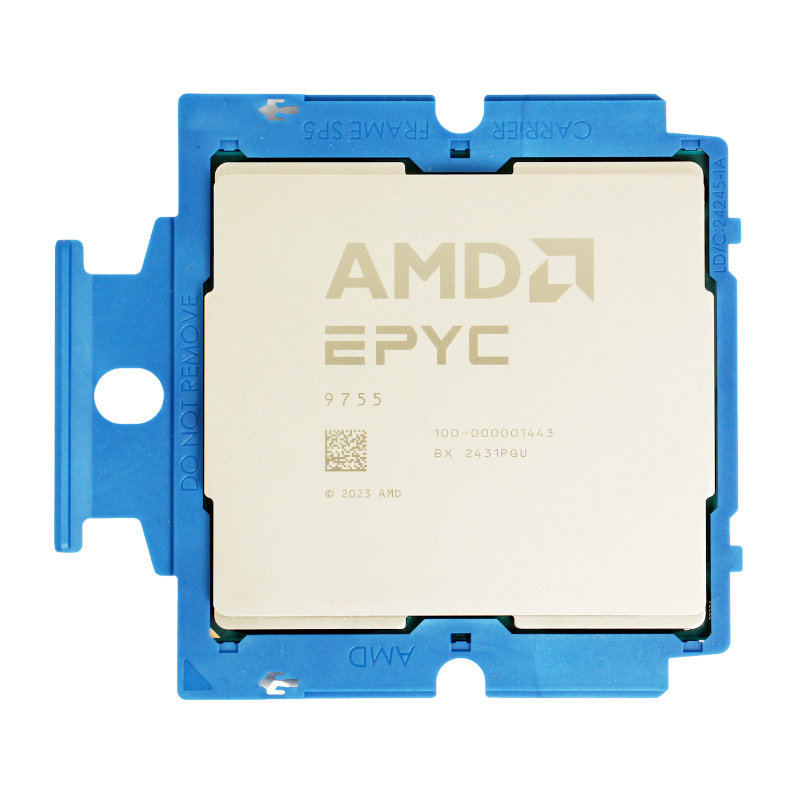


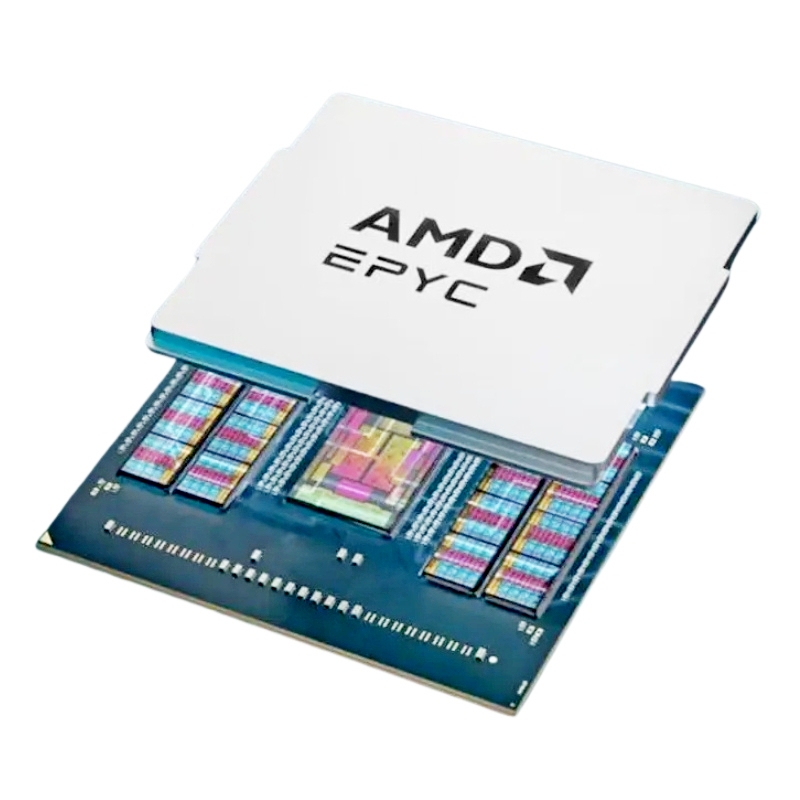
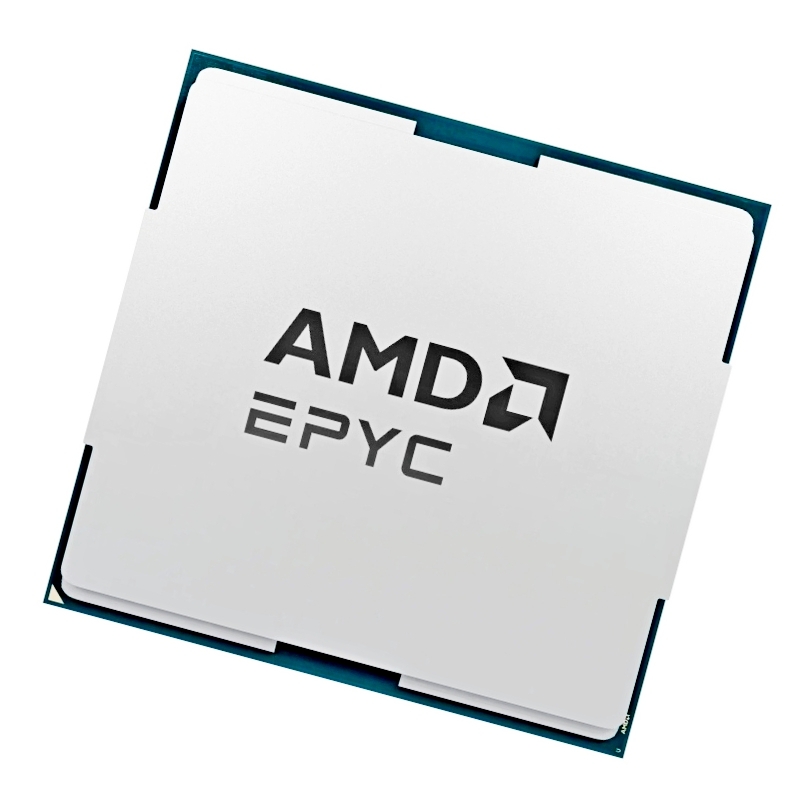
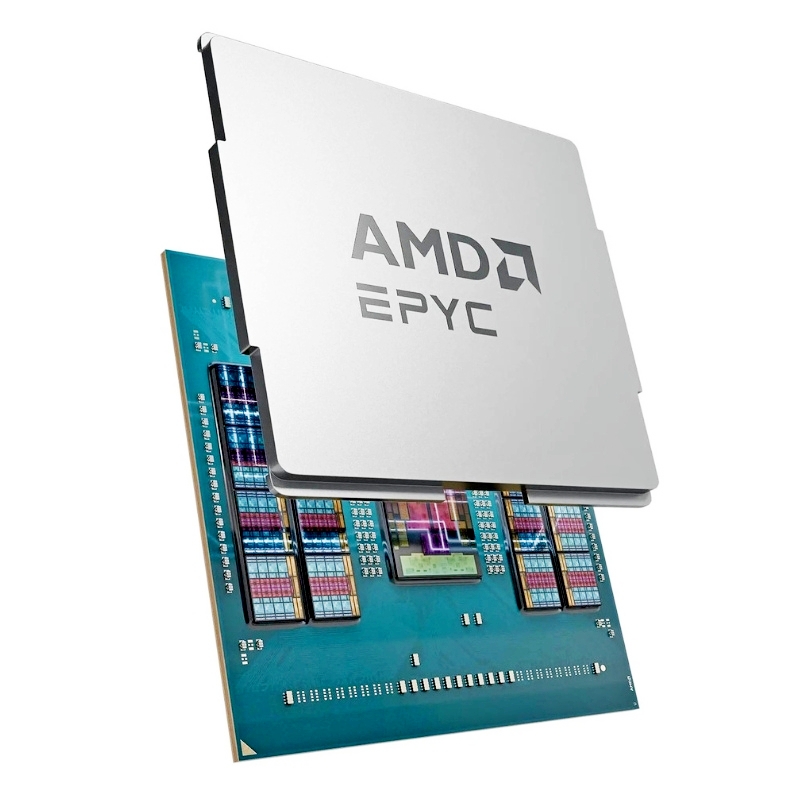
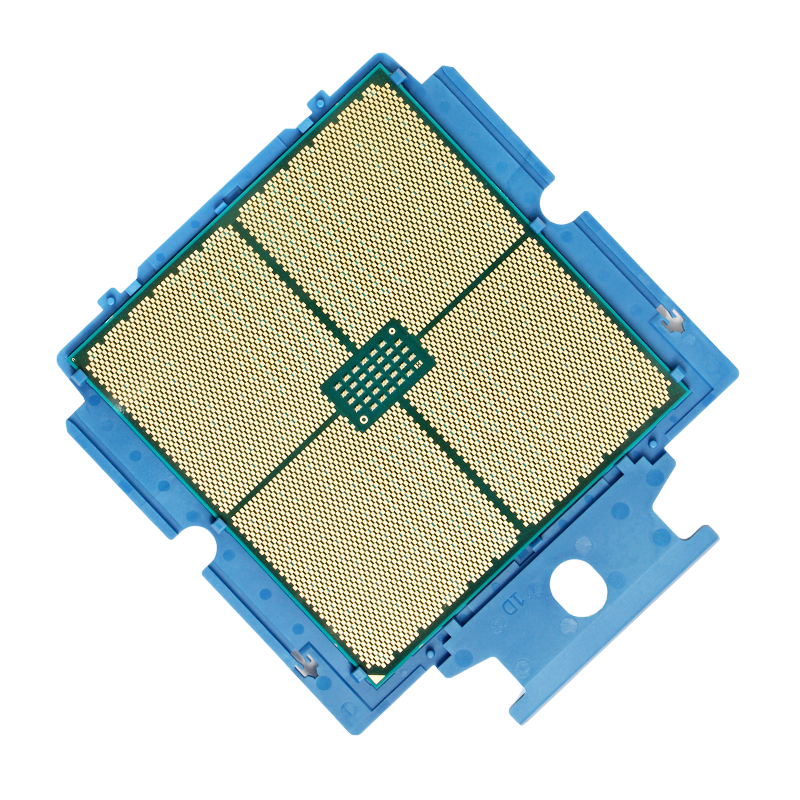
AMD 100-000001443 EPYC 9755 128 Cores 5th Gen Turin 4nm Processor. New Sealed in Box (NIB) with 3 Years Warranty
The AMD 100-000001443 EPYC 9755 128-Core Processor is a groundbreaking addition to AMD’s 5th Generation EPYC lineup, codenamed “Turin.” Built on the ultra-efficient 4nm process node, this processor sets a new benchmark for compute density, energy efficiency, and scalability in modern data centers. With 128 cores and 256 threads, it is engineered to power the most demanding workloads across hyperscale cloud environments, AI/ML training clusters, and enterprise-grade virtualization platforms.
The EPYC 9755 is based on AMD’s Zen 5 architecture, which introduces significant enhancements in IPC (instructions per cycle), branch prediction, and execution efficiency. Zen 5 cores are optimized for parallelism, low-latency memory access, and high-throughput computing, making them ideal for next-generation workloads.
With 128 physical cores and support for simultaneous multithreading (SMT), the EPYC 9755 delivers 256 threads of compute power. This unprecedented core density enables massive parallel processing, ideal for containerized microservices, virtual machine consolidation, and AI model training.
Operating at a base frequency of 2.0GHz and capable of boosting to higher clock speeds under load, the EPYC 9755 balances raw performance with energy efficiency. The dynamic frequency scaling ensures optimal performance across diverse workloads, from batch processing to real-time analytics.
The EPYC 9755 features an enormous 256MB of L3 cache, designed to reduce memory latency and accelerate data access. This cache capacity is particularly beneficial for workloads with high data locality, such as in-memory databases, scientific simulations, and AI inference engines.
Each Zen 5 core is equipped with dedicated L1 and L2 caches, while the shared L3 cache is distributed across core complexes. This hierarchical cache design minimizes bottlenecks and ensures efficient data retrieval, supporting high concurrency and throughput.
The EPYC 9755 supports DDR5 memory, offering higher bandwidth and lower latency compared to DDR4. With support for up to 12 memory channels, the processor delivers exceptional memory throughput, crucial for memory-bound workloads such as AI training and real-time analytics.
This processor supports up to 6TB of DDR5 memory, enabling large-scale deployments of in-memory databases, virtual machines, and high-performance computing applications. ECC (Error-Correcting Code) memory support ensures data integrity and system reliability.
With support for DDR5-5600 modules, the EPYC 9755 achieves ultra-fast memory transfer rates while maintaining low latency. This configuration is ideal for latency-sensitive applications such as financial modeling, high-frequency trading, and real-time data processing.
The EPYC 9755 supports PCIe 5.0, doubling the bandwidth of PCIe 4.0 and enabling faster communication with GPUs, NVMe storage devices, and high-speed networking cards. This is essential for modern workloads that require rapid data access and transfer.
With up to 160 PCIe lanes, the processor offers extensive I/O expansion options. This allows for scalable server configurations with multiple accelerators, storage arrays, and network interfaces, supporting diverse enterprise and HPC applications.
The EPYC 9755 incorporates AMD Infinity Guard, a comprehensive suite of security features designed to protect data, isolate workloads, and ensure system integrity. Key components include Secure Memory Encryption (SME), Secure Encrypted Virtualization (SEV), and Secure Boot.
SME encrypts system memory to prevent unauthorized access, even in the event of physical memory compromise. This is essential for protecting sensitive data in multi-tenant and cloud environments.
SEV enables encrypted virtual machines, ensuring that guest VMs remain isolated and protected from hypervisor-level threats. This enhances trust and compliance in virtualized infrastructures.
Manufactured using TSMC’s 4nm process node, the EPYC 9755 achieves high transistor density and improved power efficiency. This contributes to lower thermal output and reduced energy consumption, aligning with sustainability goals and green data center initiatives.
With a TDP of 360W, the EPYC 9755 offers a balanced power profile suitable for dense server environments. Advanced thermal management features ensure stable operation under sustained workloads, supporting both air and liquid cooling solutions.
The processor includes dynamic voltage and frequency scaling (DVFS), enabling it to adjust power usage based on workload demands. This minimizes energy waste during idle periods and maximizes performance during peak usage.
The EPYC 9755 is optimized for cloud-native environments, including containerized applications, microservices, and Kubernetes clusters. Its core density and energy efficiency make it ideal for hyperscale deployments and edge computing.
With support for large memory capacities and advanced virtualization features, the processor enables high VM density and efficient resource allocation. This reduces operational costs and enhances scalability for enterprise IT infrastructures.
Scientific research, engineering simulations, and AI model training benefit from the parallel processing capabilities of the EPYC 9755. Its architecture supports floating-point operations and large datasets, making it suitable for HPC clusters and research institutions.
The processor’s high core count and memory bandwidth support real-time data analytics and machine learning workloads. It enables rapid processing of large datasets, accelerating insights and decision-making in data-driven organizations.
The EPYC 9755 utilizes the SP5 socket, compatible with a wide range of server motherboards. This ensures flexibility in system design and integration, whether for rack-mounted servers, blade systems, or custom builds.
AMD partners with leading OEMs and independent software vendors (ISVs) to certify the EPYC 9755 for enterprise applications. This ensures compatibility with popular software stacks and simplifies deployment in production environments.
Within the EPYC 9004 series, the 9755 stands out for its unmatched core density and cache capacity. While models like the EPYC 9654 offer similar performance, the 9755 is optimized for workloads that demand extreme parallelism and memory bandwidth.
Compared to Intel’s Xeon processors in the same class, the EPYC 9755 offers higher core counts, better energy efficiency, and superior price-to-performance ratios. Its single-socket optimization provides a competitive edge in cost-sensitive deployments.


 Contact Us
 Information
 Catalog
 Solid State Drives (SSD)
 Network Switches
 Hard Disk Drives
 HBA & Controllers
 PC & Servers
 PC & Server Memory
 CPU & Processors
 Network Routers
 Power Supplies
 Tape Drives & Libraries
 Network Devices
 Computer & Network Cables