(7% discount is applied at checkout)
Cart is empty
Your go-to destination for cutting-edge server products
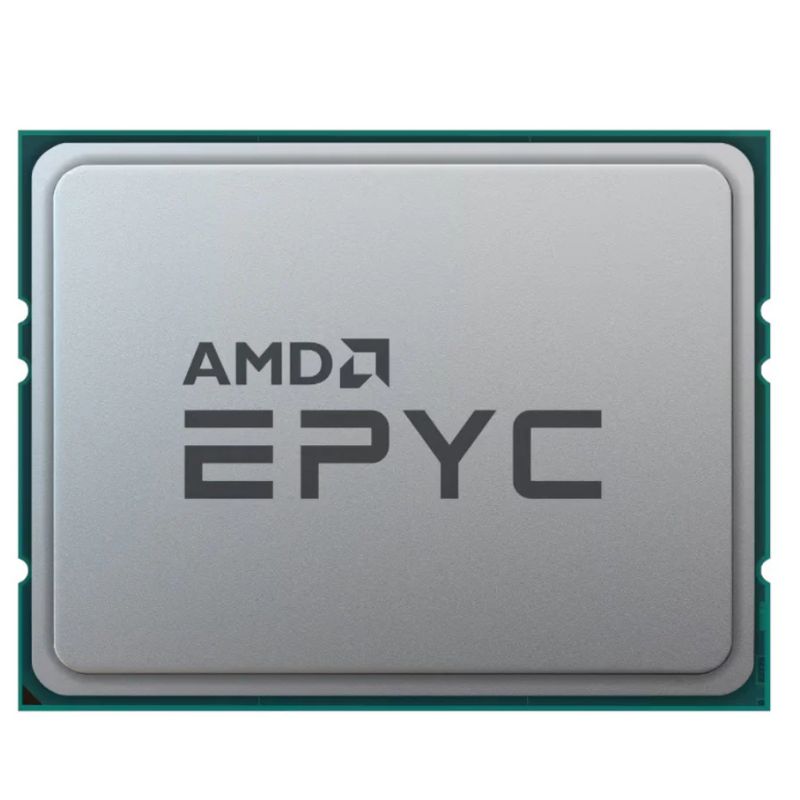


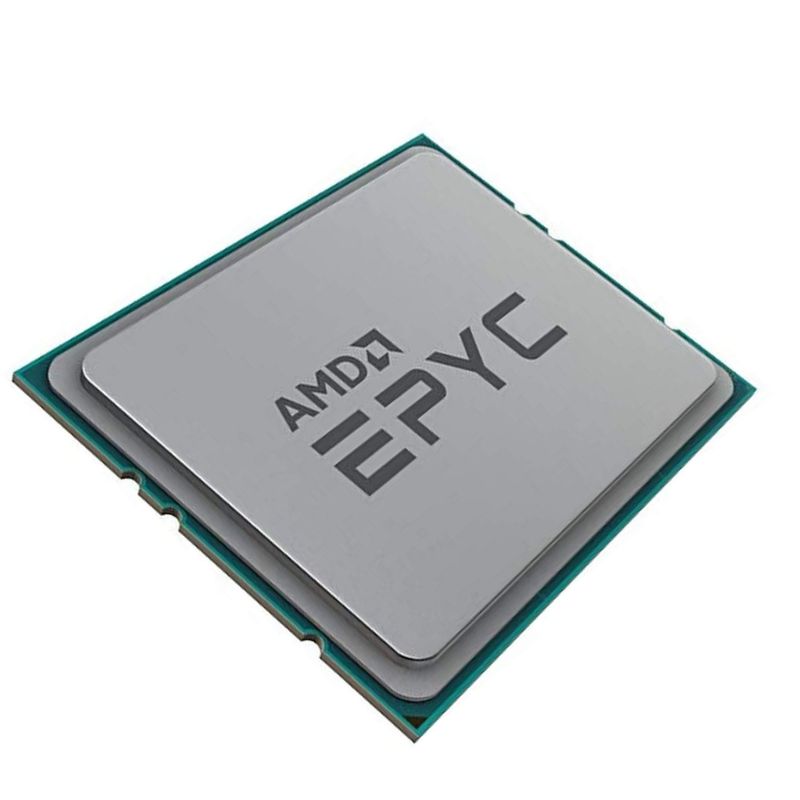
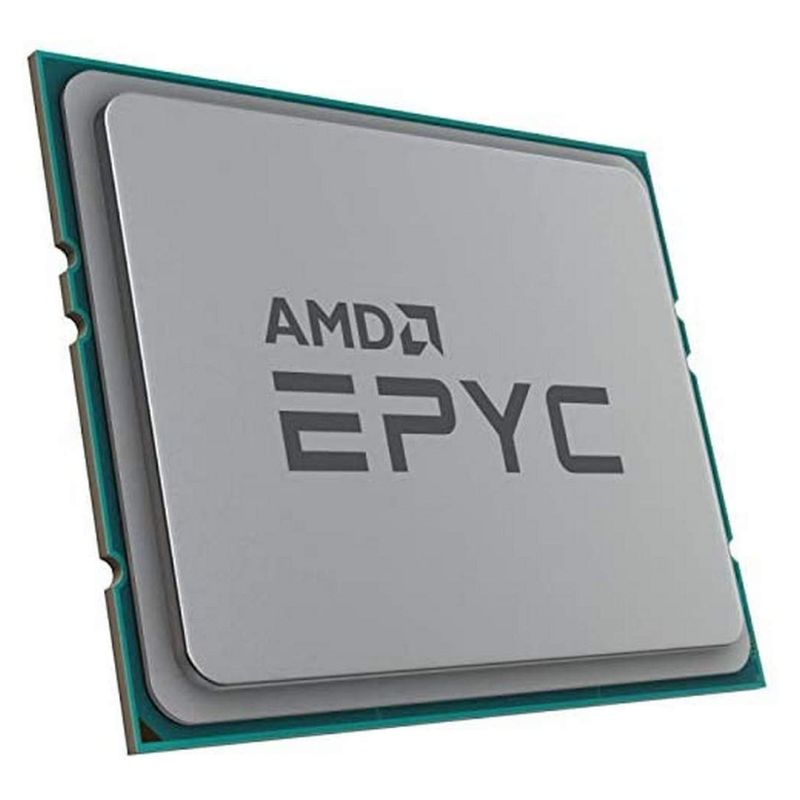
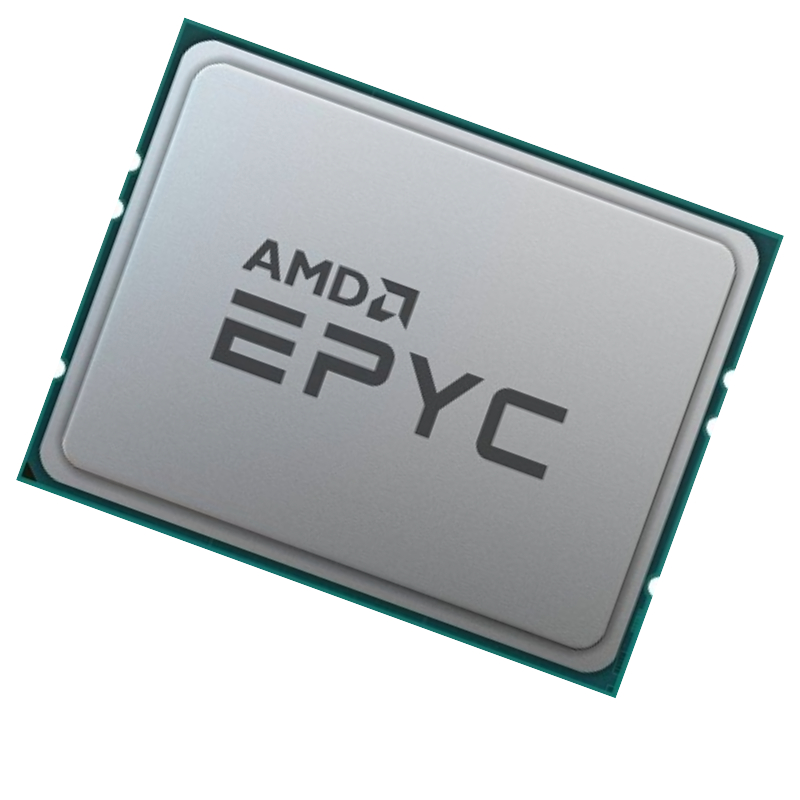
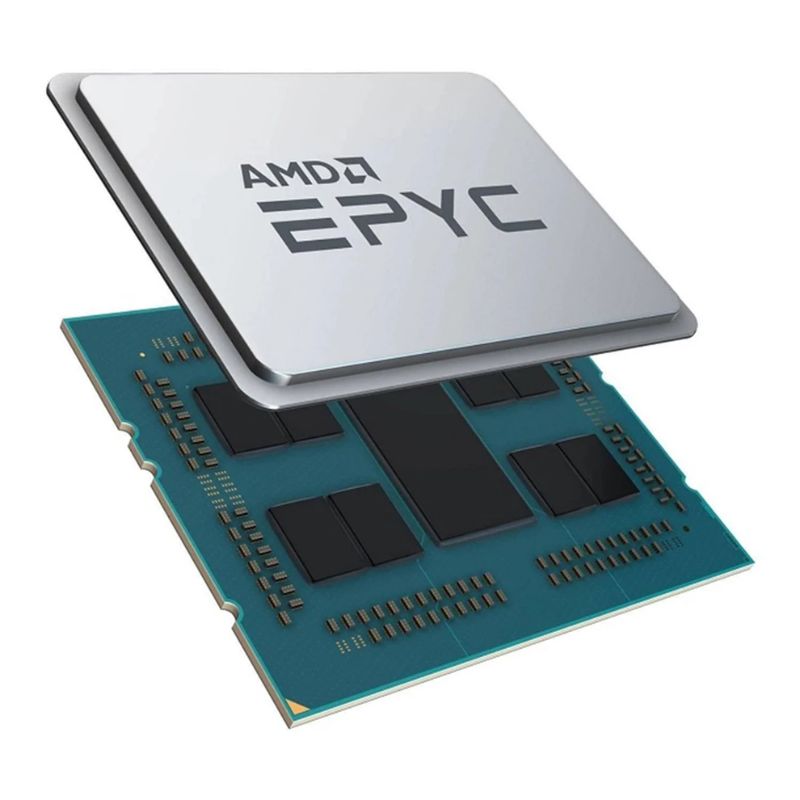
AMD 100-100000312WOF 2.45GHz EPYC 7763 64-Core 256mb L3 Cache Socket Sp3 7nm 280w Processor. New (System) Pull with 1-Year Replacement Warranty
| SKU/MPN | Warranty | Price | Condition | You save |
|---|---|---|---|---|
| 100-100000312WOF | 1 Year Warranty | $1,662.00 | New Sealed in Box (NIB) | You save: $581.70 (26%) |
| 100-100000312WOF | 1 Year Warranty | $1,472.00 | New (System) Pull | You save: $515.20 (26%) |
The AMD 100-100000312WOF EPYC 7763 64-Core processor is a remarkable piece of engineering designed for the most demanding enterprise environments. Built using AMD’s advanced 7nm process technology, this CPU delivers outstanding computational performance, efficiency, and scalability. It operates at a base frequency of 2.45GHz and can boost higher depending on workload, offering powerful multi-core processing for data centers, virtualized infrastructures, and cloud computing systems. The EPYC 7763 represents the pinnacle of AMD’s EPYC 7003 series, designed to outperform and outscale competing processors by providing more cores, larger cache memory, and higher throughput.
With 64 cores and 128 threads, the EPYC 7763 supports simultaneous multi-threading that enables highly parallel workloads such as AI training, scientific simulations, virtualization, and data analytics. The CPU incorporates an impressive 256MB of L3 cache, allowing rapid access to frequently used data while minimizing latency. It is compatible with the SP3 socket and operates at a thermal design power (TDP) of 280W, ensuring consistent power delivery and thermal performance for intensive server workloads.
The AMD EPYC 7763 is built on the advanced 7nm Zen 3 architecture, which brings notable improvements over the previous Zen 2 generation. This microarchitecture offers higher instruction-per-cycle (IPC) performance, better efficiency, and improved latency across core communications. The 7nm process enables more transistors within the same die area, leading to optimized energy efficiency and lower power consumption. This makes it ideal for data centers that prioritize performance-per-watt and operational sustainability.
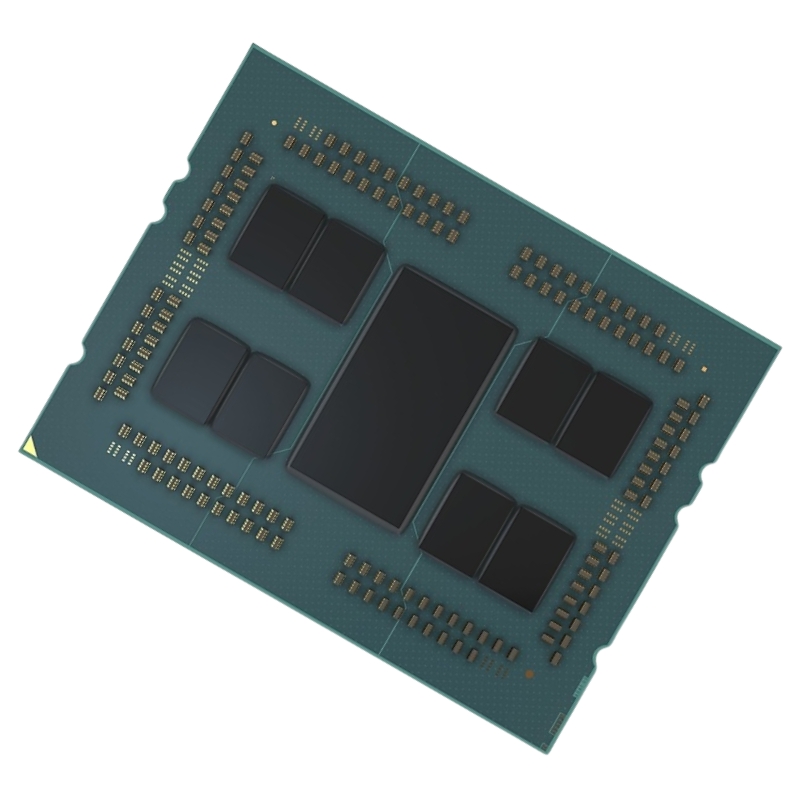
The EPYC 7763 architecture supports up to eight CCDs (Core Chiplet Dies), each interconnected through AMD’s Infinity Fabric technology. This configuration enhances data transfer rates and improves system scalability for multi-processor configurations. The processor’s chiplet design also contributes to higher yields and better manufacturing efficiency, allowing AMD to offer a balance of affordability and performance at enterprise scale.
AMD’s Infinity Fabric interconnect is one of the most crucial components that drives the scalability and responsiveness of the EPYC 7763 processor. This interconnect links all cores, memory channels, and I/O components, ensuring minimal latency and high bandwidth across the system. It provides the flexibility to deploy EPYC 7763 processors in single-socket or dual-socket configurations, supporting diverse workloads such as virtualization clusters, database management, and software-defined infrastructures. The enhanced memory bandwidth offered by the Infinity Fabric plays a significant role in applications requiring large data transfers, such as AI workloads and real-time analytics.
The AMD 100-100000312WOF EPYC 7763 processor offers extensive memory support, making it an ideal choice for memory-intensive applications. It supports up to eight channels of DDR4-3200 memory per socket, delivering exceptional memory throughput that enhances server responsiveness. This vast bandwidth allows enterprises to process massive datasets faster and more efficiently. The EPYC 7763 also supports up to 4TB of memory per socket, depending on platform configuration, which is crucial for virtualization, in-memory computing, and scientific modeling.
The processor’s advanced memory subsystem is complemented by support for ECC (Error-Correcting Code) memory, which ensures data integrity and reliability in mission-critical environments. ECC support helps identify and correct memory errors, thereby reducing downtime and maintaining consistent performance under heavy computational loads. With multiple memory ranks and advanced interleaving capabilities, the EPYC 7763 delivers both high speed and reliability for demanding workloads.
Connectivity is another area where the EPYC 7763 excels. This processor integrates PCI Express 4.0 support, doubling the bandwidth of PCIe 3.0 and enabling faster communication between the CPU, GPUs, NVMe drives, and networking cards. With up to 128 PCIe lanes available, the EPYC 7763 ensures that data centers can scale up without bottlenecks, making it ideal for high-performance computing clusters and cloud infrastructures. PCIe 4.0 allows for superior throughput for next-generation storage and networking components, ensuring future-proof performance.
This level of I/O integration also simplifies system architecture by reducing latency and eliminating the need for external bridge chips. The result is faster data transfer, lower latency, and improved efficiency for applications such as AI inferencing, machine learning, and big data analysis.
Designed for high-performance enterprise workloads, the AMD EPYC 7763 excels in various computing tasks. Whether it’s running complex simulations, rendering graphics, hosting virtual machines, or managing distributed databases, this processor delivers consistent and predictable performance. The 64-core configuration and simultaneous multi-threading allow for parallel execution of tasks, which significantly reduces processing time for multi-threaded workloads. Enterprises leveraging containerization technologies such as Kubernetes or VMware vSphere can experience optimized utilization across all cores and threads, improving efficiency and resource management.
Security is an integral component of AMD’s EPYC architecture. The EPYC 7763 processor incorporates AMD Secure Encrypted Virtualization (SEV) and Secure Memory Encryption (SME), both of which help protect data-in-use and data-at-rest. SEV enables hardware-based memory encryption for each virtual machine, isolating them from one another and mitigating the risk of data breaches in multi-tenant cloud environments. SME, on the other hand, encrypts the system memory to prevent unauthorized access or tampering.
Additionally, the processor supports Secure Boot and cryptographic key management directly at the hardware level, providing an additional layer of defense against firmware-level attacks. These features make the EPYC 7763 a reliable choice for organizations that demand top-tier security without compromising performance.
The AMD EPYC 7763 processor is optimized for hypervisors and virtualization platforms including VMware, Hyper-V, KVM, and Citrix. Its multi-core design supports large numbers of virtual machines with minimal overhead, allowing enterprises to consolidate workloads efficiently. The processor’s high core density translates to reduced licensing costs for virtualization software, as more virtual machines can be run per socket. With its advanced memory and I/O capabilities, the EPYC 7763 enables fast migration, snapshotting, and workload balancing across virtual environments, ensuring that businesses maintain consistent service delivery.
The AMD 100-100000312WOF EPYC 7763 processor caters to a broad range of use cases, from enterprise applications and data center workloads to artificial intelligence and scientific research. Its scalability and compute density allow it to handle data-intensive tasks with exceptional speed and reliability. Industries such as finance, healthcare, engineering, and telecommunications rely on processors like the EPYC 7763 for tasks involving large-scale computations, analytics, and modeling.
In high-performance computing (HPC) environments, the EPYC 7763 offers outstanding throughput for floating-point and integer calculations. Its large cache and high memory bandwidth make it suitable for workloads like seismic analysis, weather forecasting, and molecular modeling. AI and machine learning tasks benefit from the processor’s ability to handle multi-threaded operations efficiently, allowing for accelerated model training and inferencing. The combination of PCIe 4.0 and large-scale memory support ensures that data pipelines remain optimized throughout computation cycles.
Database servers demand high core counts, low latency, and reliable memory access. The EPYC 7763 excels in these environments by offering superior transactional performance and concurrency handling. Databases such as Oracle, SQL Server, and PostgreSQL benefit from the processor’s architecture, which reduces query response time and enhances throughput. In virtualized infrastructures, the EPYC 7763 enables administrators to run multiple virtual databases on the same physical host without performance degradation, thanks to its robust resource management capabilities.
For cloud providers and hyperscale data centers, the AMD EPYC 7763 presents a compelling choice due to its power efficiency and workload consolidation potential. Cloud operators can deploy fewer physical servers to achieve the same or greater computational output, resulting in reduced cooling and power costs. The processor’s scalability and compatibility with modern virtualization technologies make it perfect for private, public, and hybrid cloud deployments. It supports various orchestration platforms and is certified for major cloud ecosystems, providing the flexibility and control needed for dynamic workloads.
Despite its impressive 64-core configuration and 280W TDP, the AMD EPYC 7763 maintains excellent thermal efficiency. AMD’s precision boost algorithms dynamically adjust power usage to balance performance with energy efficiency. The CPU can automatically increase clock speeds when thermal and power conditions allow, ensuring maximum output when needed while conserving energy under lighter workloads. This adaptive performance model contributes to sustainable data center operations and lowers the total cost of ownership (TCO).
Server builders and data center operators benefit from the processor’s optimized cooling and power delivery characteristics. When combined with proper thermal solutions and airflow design, the EPYC 7763 maintains consistent performance under prolonged stress. Its energy efficiency enables high compute density within limited rack space, which is vital for modern data centers aiming to maximize performance per watt.
The EPYC 7763 is designed to be compatible with the SP3 socket, ensuring seamless integration with existing AMD-based server platforms. This backward compatibility simplifies upgrades for organizations using earlier generations of EPYC processors. With the SP3 infrastructure, businesses can easily transition to higher performance levels without significant changes to their server architecture. The platform supports dual-socket configurations, enabling up to 128 cores and 256 threads in a single system when two EPYC 7763 processors are deployed together.
This compatibility extends to a wide range of server OEMs and motherboard vendors, ensuring robust ecosystem support. The EPYC 7763’s standardization allows for flexibility in system design, whether used in rack-mounted servers, blade servers, or high-density nodes. The processor is fully validated for enterprise-class reliability, supporting both on-premise and cloud infrastructure deployments.
The AMD 100-100000312WOF EPYC 7763 operates with a base frequency of 2.45GHz and utilizes 64 physical cores with 128 threads. It offers 256MB of shared L3 cache and features an advanced memory subsystem supporting DDR4-3200 across eight channels. The processor leverages PCIe 4.0 with up to 128 lanes, providing exceptional I/O performance for next-generation storage and networking components. Its TDP of 280W is balanced by dynamic frequency adjustments that maintain optimal energy use without compromising output.
The processor supports x86-64 instruction sets and features optimized branch prediction, prefetching algorithms, and a robust cache hierarchy that enhances data locality and reduces instruction latency. These architectural optimizations make the EPYC 7763 capable of handling both scalar and vectorized workloads efficiently. With support for advanced virtualization instructions, secure boot, and encrypted memory, it addresses both performance and security demands simultaneously.
The large 256MB L3 cache in the EPYC 7763 allows for efficient data reuse and minimizes latency for frequently accessed instructions. The cache is organized to ensure low-latency inter-core communication, crucial for applications like large-scale simulations or machine learning frameworks where threads constantly share data. This design reduces the need to fetch data from main memory repeatedly, thereby improving throughput and reducing bottlenecks.
The AMD EPYC 7763 is designed for flexibility across a broad spectrum of server configurations. Whether used in single-processor or dual-processor configurations, it provides balanced performance for both compute-intensive and memory-bound workloads. The processor integrates smoothly into environments managed by modern orchestration and provisioning tools, making deployment and maintenance straightforward. Its compatibility with existing enterprise ecosystems enables quick integration into both legacy systems and new builds.
Energy efficiency and sustainability are crucial concerns for modern data centers, and the AMD EPYC 7763 addresses both with precision. Its 7nm process allows for greater performance output per watt compared to competing processors. This improved efficiency reduces operational costs related to cooling and power consumption. The processor’s design philosophy focuses on delivering maximum computational capacity while minimizing environmental impact, helping organizations align with green IT initiatives.
Furthermore, AMD’s engineering innovations enable data centers to achieve higher compute density within the same physical footprint. This contributes to lower infrastructure costs and more effective utilization of resources. Over time, organizations deploying EPYC 7763-based servers can expect measurable improvements in both performance metrics and sustainability goals.


 Contact Us
 Information
 Catalog
 Solid State Drives (SSD)
 Network Switches
 Hard Disk Drives
 HBA & Controllers
 PC & Servers
 PC & Server Memory
 CPU & Processors
 Network Routers
 Power Supplies
 Tape Drives & Libraries
 Network Devices
 Computer & Network Cables