(7% discount is applied at checkout)
Cart is empty
Your go-to destination for cutting-edge server products
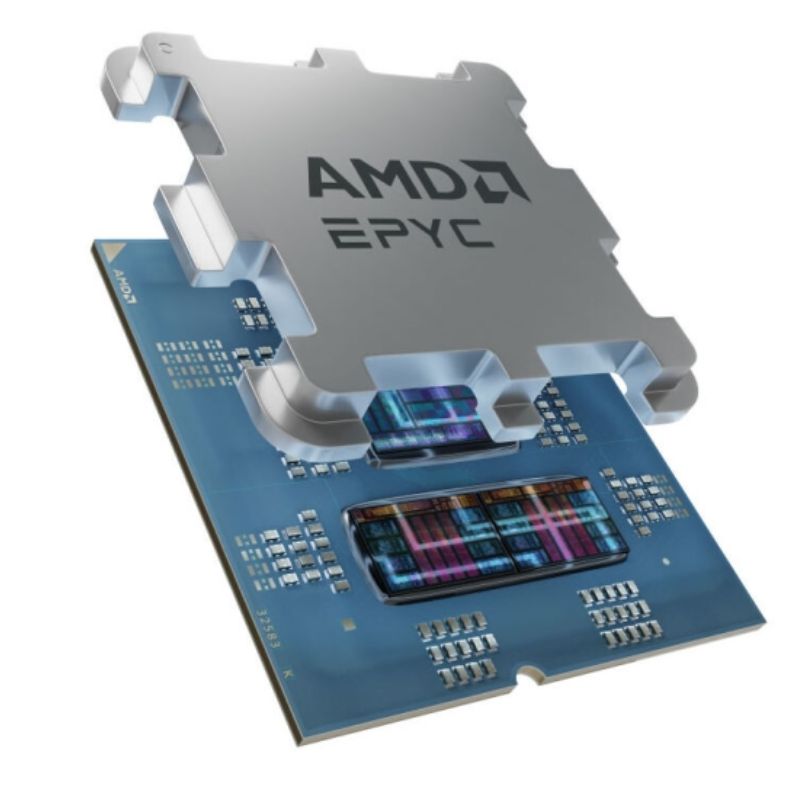


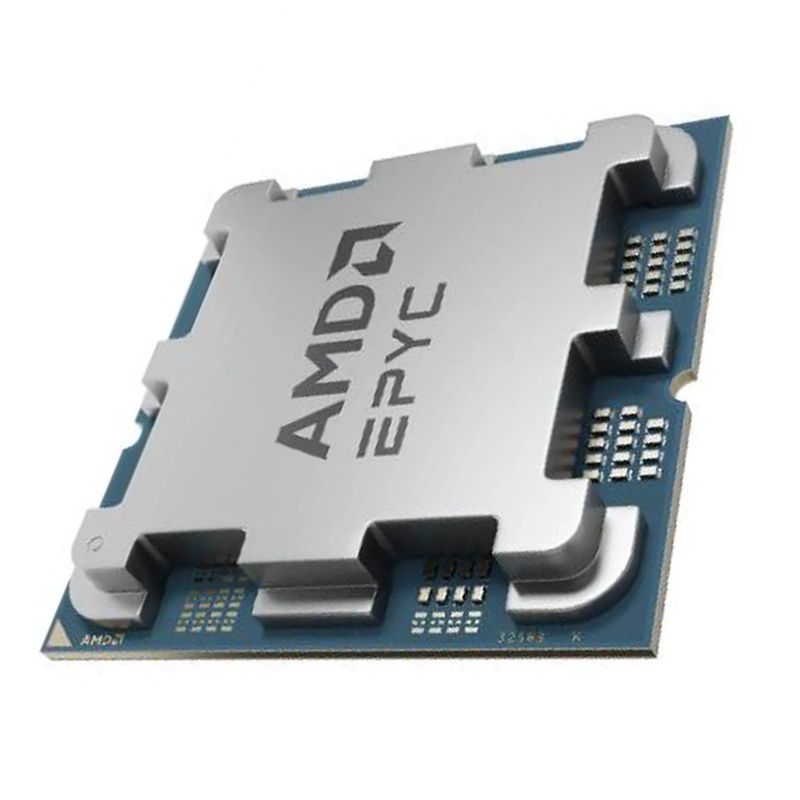
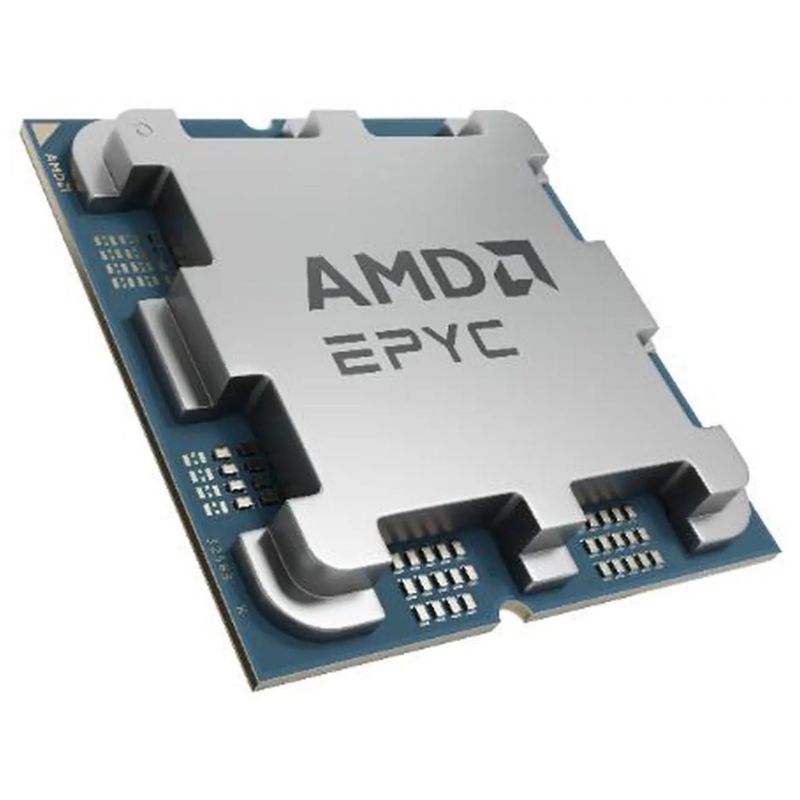
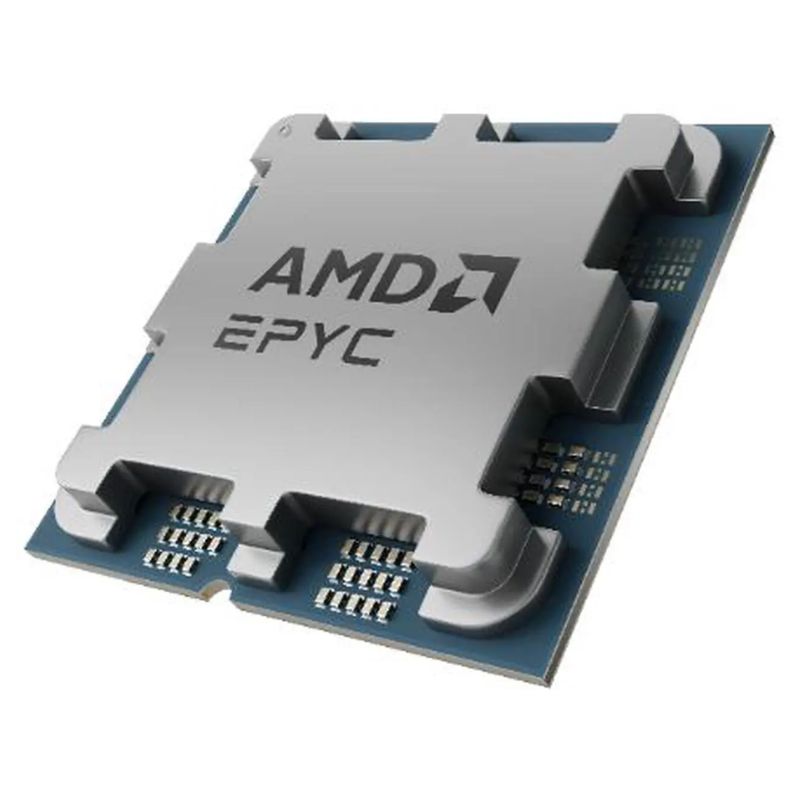
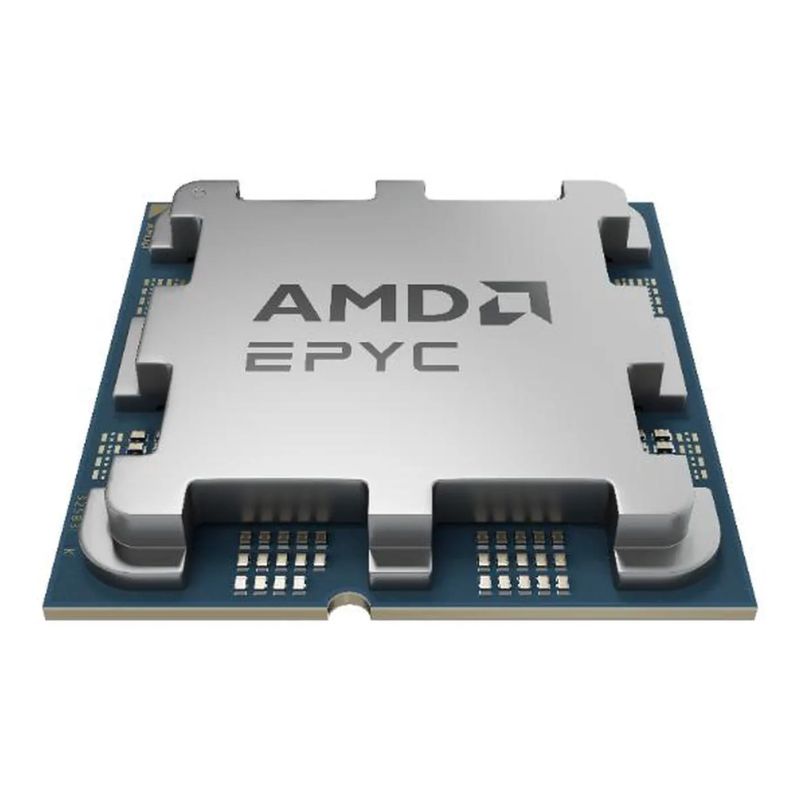
AMD 100-100001556WOF EPYC 4345P 3.8GHz 8-Core 32MB L3 Cache Socket Processor. New Sealed in Box (NIB) with 3 years Warranty
The 100-100001556WOF AMD EPYC 4345P is a powerful and efficient server-grade processor designed for data centers, enterprise workloads, and advanced computing environments. Featuring 8 high-performance cores and a base clock speed of 3.8GHz, this CPU is engineered to deliver excellent single-thread and multi-thread processing efficiency while maintaining superior energy control through its 65W TDP rating. The processor harnesses the potential of AMD’s Zen 4 architecture and Socket AM5 platform to offer a reliable balance of speed, scalability, and power optimization.
The AMD 100-100001556WOF EPYC 4345P represents a significant advancement in server processing technology, built upon the groundbreaking Zen 4 microarchitecture. This 8-core processor operates at a base frequency of 3.8GHz, delivering exceptional performance for single-threaded and multi-threaded workloads alike. The Zen 4 architecture introduces substantial improvements in instructions per cycle (IPC) compared to previous generations, resulting in approximately 14% better performance at the same power envelope. The processor is manufactured using TSMC's advanced 5nm process technology, enabling higher transistor density and improved power efficiency.
Featuring 8 physical cores with simultaneous multithreading (SMT) technology, the 100-100001556WOF EPYC 4345P can efficiently handle up to 16 concurrent threads. This configuration makes it particularly well-suited for virtualization environments, containerized applications, and workloads requiring strong parallel processing capabilities. Each core operates independently with dedicated resources, minimizing contention and ensuring consistent performance across diverse computing tasks.
The processor incorporates a sophisticated multi-level cache system designed to minimize memory latency and maximize data throughput. Each core includes 512KB of dedicated L2 cache, while the shared 32MB L3 cache serves as a high-speed buffer between the cores and main memory. This cache arrangement significantly reduces the time processors spend waiting for data from system memory, particularly beneficial for data-intensive applications and real-time processing workloads.
The EPYC 4345P demonstrates exceptional computational capabilities across various performance metrics. With a maximum boost frequency that can exceed the base 3.8GHz under appropriate thermal conditions, this processor delivers responsive performance for both burst and sustained workloads. The balanced core count and high clock speeds make it particularly effective for applications requiring strong single-thread performance while maintaining excellent multi-threading capabilities.
8-channel DDR5 memory interface, the EPYC 4345P provides substantial memory bandwidth critical for data center applications. The memory controller officially supports DDR5-4800 memory, 100-100001556WOF though compatibility may extend to higher speeds depending on system configuration. With support for up to 4TB of memory across the 8 channels, this processor can handle memory-intensive applications including in-memory databases, large virtualization deployments, and scientific computing workloads.
AMD's advanced memory protection technologies including ECC (Error Correcting Code) support ensure data integrity for mission-critical applications. The memory subsystem includes sophisticated error detection and correction capabilities that can identify and correct single-bit errors while detecting multi-bit errors. This reliability feature is essential for maintaining system stability in enterprise environments where data corruption cannot be tolerated.
With a thermal design power (TDP) rating optimized for balanced performance and efficiency, the EPYC 4345P incorporates advanced power management features including multiple power states, dynamic frequency scaling, and per-core power gating. These technologies allow the processor to adapt its power consumption based on workload demands, reducing energy costs in data center deployments while maintaining performance when needed.
The EPYC 4345P features an impressive 128 lanes of PCIe 5.0 connectivity, doubling the bandwidth per lane compared to previous PCIe 4.0 implementations. This substantial I/O capability enables support for multiple high-speed network interfaces, storage controllers, and accelerators without bottlenecking the system. The PCIe 5.0 interface operates at 32 GT/s per lane, providing approximately 4GB/s of bidirectional bandwidth per lane.
With for modern storage technologies including NVMe drives and computational storage, the EPYC 4345P can leverage the full performance of today's fastest storage solutions. The processor's direct connection to storage controllers via PCIe 5.0 eliminates traditional bottlenecks, enabling extremely low latency storage access patterns essential for database applications, virtualized environments, and high-frequency trading systems.
The extensive PCIe lane allocation allows for flexible networking configurations including multiple 100GbE network interfaces or emerging 400GbE technologies. Additionally, the processor can accommodate various hardware accelerators including GPUs, FPGAs, and specialized compute cards for AI/ML workloads, making it a versatile foundation for heterogeneous computing environments.
AMD has implemented comprehensive security technologies in the 100-100001556WOF EPYC 4345P to address modern threat vectors in multi-tenant environments. AMD Infinity Guard provides a suite of security features including Secure Encrypted Virtualization (SEV), Secure Memory Encryption (SME), and Secure Boot capabilities. These technologies work together to protect data at rest, in transit, and during computation, even in compromised hypervisor scenarios.
AMD has implemented measures to verify the authenticity of EPYC processors throughout the supply chain, including cryptographic signing of firmware updates and hardware-based verification of critical boot components. These protections help prevent unauthorized modification of system firmware and ensure that only validated code executes during the boot process, mitigating threats from sophisticated supply chain attacks.
The processor's architecture supports efficient live migration of virtual machines between physical hosts with minimal downtime. Hardware features maintain state information and accelerate encryption during migration operations, enabling seamless workload mobility across the data center while maintaining security compliance and performance service level agreements.
The balanced core count and high clock frequency of the 100-100001556WOF EPYC 4345P make it particularly well-suited for a variety of enterprise workloads. Its performance characteristics align well with front-end web servers, application servers, mid-size databases, and virtual desktop infrastructure (VDI) implementations. The processor delivers excellent performance for latency-sensitive applications while maintaining the throughput needed for concurrent request processing.
Enterprise-grade reliability features make the EPYC 4345P suitable for deployment in business-critical systems. AMD's extended reliability programming ensures long-term operational stability, while advanced error detection and correction mechanisms maintain data integrity. The processor architecture includes redundant components where critical to system operation, with failover mechanisms that maintain functionality even in the event of component-level faults.
The 100-100001556WOF EPYC 4345P maintains broad compatibility with major operating systems including Windows Server, various Linux distributions, VMware ESXi, and other hypervisors. AMD works closely with independent software vendors to optimize performance for enterprise applications, databases, and middleware solutions. The x86-64 instruction set architecture ensures compatibility with the vast ecosystem of enterprise software while taking advantage of architecture-specific optimizations.


 Contact Us
 Information
 Catalog
 Solid State Drives (SSD)
 Network Switches
 Hard Disk Drives
 HBA & Controllers
 PC & Servers
 PC & Server Memory
 CPU & Processors
 Network Routers
 Power Supplies
 Tape Drives & Libraries
 Network Devices
 Computer & Network Cables