(7% discount is applied at checkout)
Cart is empty
Your go-to destination for cutting-edge server products
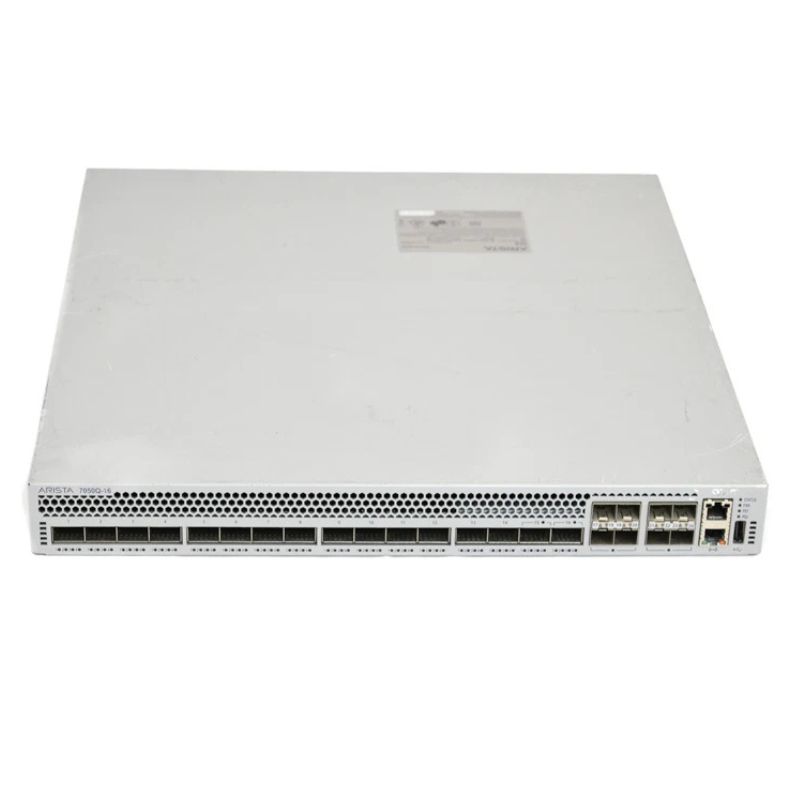


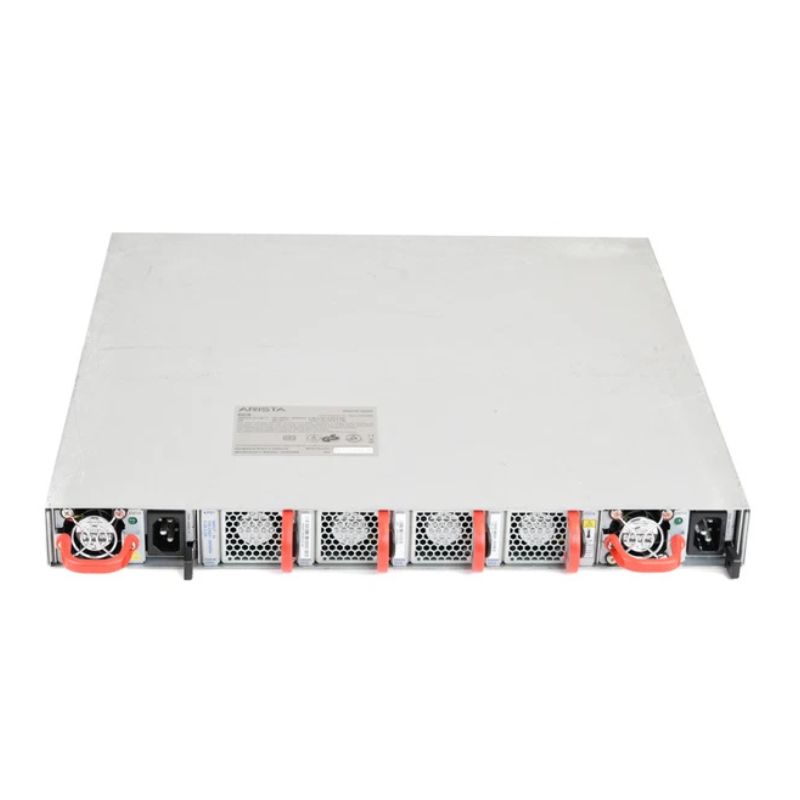
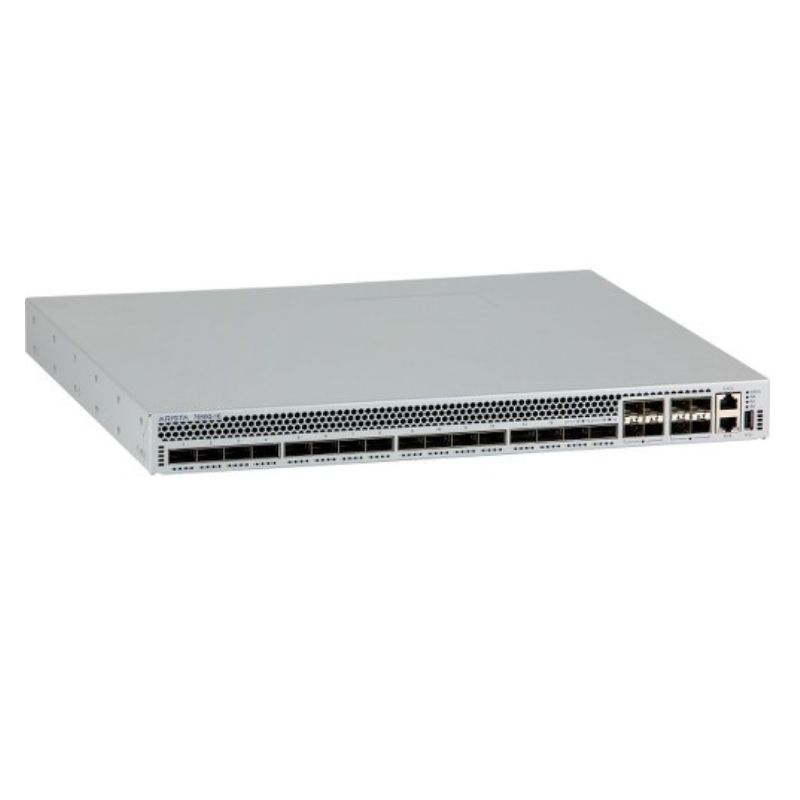
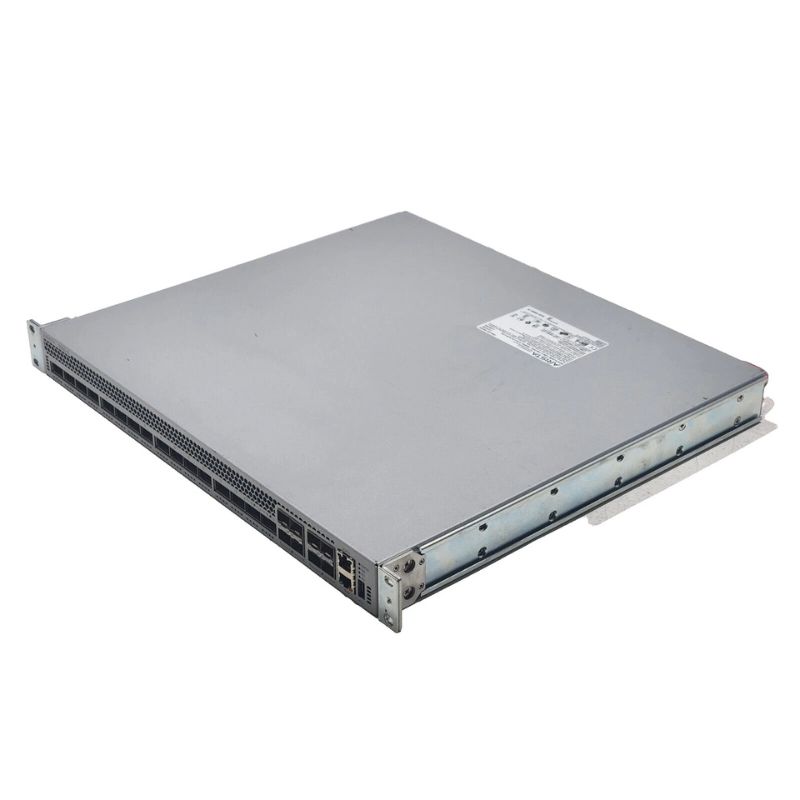
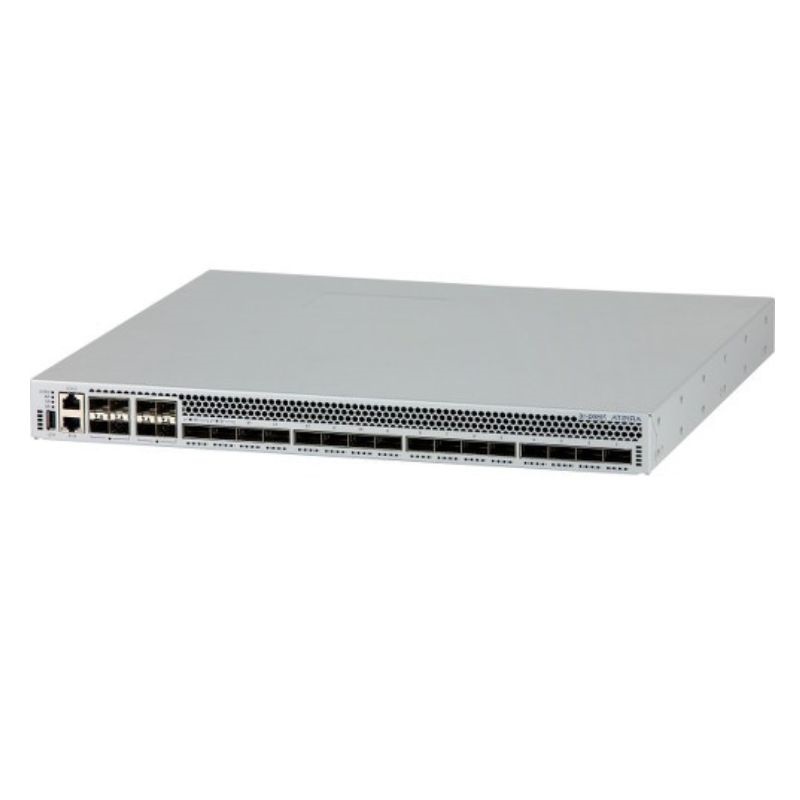
Arista DCS-7050Q-16-F 16 Ports 40GB QSFP+ 8x 10GB SFP+ Front-to-Back Airflow Switch. Excellent Refurbished with 1 year replacement warranty
Overview of Arista 40 Gigabit Ethernet switch
The ARISTA DCS-7050Q-16-F is a performance-driven 40 Gigabit Ethernet switch engineered for environments where speed, reliability, and scalability are non-negotiable. Designed around a compact yet powerful hardware platform, this switch addresses the demands of data centers, cloud infrastructures, enterprise backbones, and high-performance computing networks that require predictable latency and massive throughput.
The Arista DCS-7050Q-16-F 16x 40GB QSFP+ 8x 10GB SFP+ Front-to-Back Airflow Switch represents a specialized category of fixed-configuration data center switches designed to support high-bandwidth, low-latency workloads in enterprise, cloud, and service provider environments. This category focuses on compact yet powerful switching platforms that deliver deterministic performance, predictable latency, and operational consistency across large-scale Ethernet fabrics. Within this segment, emphasis is placed on wire-speed forwarding, advanced Layer 2 and Layer 3 capabilities, and airflow designs optimized for hot-aisle and cold-aisle containment strategies.
As data centers increasingly shift from north-south traffic patterns toward east-west traffic driven by virtualization, microservices, and distributed storage, switches in this category are engineered to handle massive parallel flows with minimal jitter. The Arista DCS-7050Q-16-F exemplifies this approach by combining high port density with a forwarding architecture capable of sustaining full throughput across all interfaces simultaneously. This makes it suitable for leaf, spine, or aggregation roles depending on topology requirements.
A defining characteristic of this category is flexible port architecture that allows network designers to adapt to varying bandwidth demands. The Arista DCS-7050Q-16-F provides sixteen 40 Gigabit Ethernet QSFP+ ports alongside eight 10 Gigabit Ethernet SFP+ ports, enabling a mix of high-capacity uplinks and lower-speed downlinks within a single chassis. This versatility supports deployment scenarios ranging from high-performance computing clusters to enterprise virtualization stacks.
QSFP+ interfaces in this category are designed to support short-reach and long-reach optical transceivers as well as direct attach copper cables, offering options for both cost optimization and extended reach. The presence of SFP+ ports allows seamless connectivity to legacy 10GbE infrastructure, protecting existing investments while enabling gradual upgrades to higher-speed Ethernet. This dual-speed capability is a core requirement for category buyers seeking smooth migration paths without disruptive forklift replacements.
Switches in this category are frequently deployed in leaf-spine topologies where predictable latency and uniform bandwidth are critical. The Arista DCS-7050Q-16-F aligns with this design philosophy by offering non-blocking throughput across all ports, ensuring that traffic between any two endpoints experiences consistent performance. This is particularly important in environments running distributed applications, real-time analytics, or latency-sensitive financial workloads.
By functioning as either a leaf switch connecting servers or a spine switch aggregating leaf nodes, this category enables modular scalability. Network architects can expand capacity horizontally by adding more switches rather than vertically scaling with larger chassis systems, resulting in simpler cabling, lower power consumption, and improved fault isolation.
Thermal efficiency is a key differentiator within this switching category. The front-to-back airflow design of the Arista DCS-7050Q-16-F is engineered to align with modern data center cooling practices, where cold air is introduced at the front of racks and exhausted at the rear. This airflow direction minimizes hot air recirculation and improves overall cooling efficiency, reducing the strain on HVAC systems.
Category buyers prioritize airflow options because improper airflow can lead to hotspots, reduced hardware lifespan, and increased operational costs. By offering a front-to-back airflow variant, this switch category ensures compatibility with standardized rack layouts, making it easier to integrate into existing facilities without extensive reconfiguration.
Reliability expectations within this category are high, as these switches often serve as critical network nodes. Designs typically incorporate redundant, hot-swappable fans and power supplies to ensure continuous operation during component failures or maintenance activities. The Arista DCS-7050Q-16-F aligns with these expectations by supporting redundant subsystems that enhance uptime and operational resilience.
This redundancy supports service-level agreements and minimizes the risk of unplanned downtime, which is essential in environments such as financial trading floors, cloud data centers, and large enterprise networks where network availability directly impacts business operations.
Low and predictable latency is a cornerstone of this category. The switching silicon used in platforms like the Arista DCS-7050Q-16-F is optimized for cut-through forwarding, enabling packets to be transmitted with minimal delay. This characteristic is vital for applications such as high-frequency trading, distributed databases, and real-time analytics platforms that depend on rapid data exchange.
Deterministic performance ensures that latency remains consistent even under heavy load, which is a key requirement for network engineers designing performance-sensitive infrastructures. This category emphasizes hardware-based forwarding and deep buffering strategies to manage congestion without introducing excessive delay or packet loss.
East-west traffic dominates modern data centers, and switches in this category are designed to handle large volumes of server-to-server communication efficiently. The Arista DCS-7050Q-16-F supports wire-speed throughput across all ports, enabling seamless communication between virtual machines, containers, and physical servers distributed across racks.
This capability reduces bottlenecks within the data center fabric and supports the growing adoption of distributed application architectures. By maintaining consistent throughput, the switch category ensures that application performance scales linearly as infrastructure expands.
Comprehensive Layer 2 and Layer 3 functionality is a defining aspect of this category. Switches such as the Arista DCS-7050Q-16-F are expected to support a wide range of Ethernet standards, VLAN configurations, and routing protocols. This enables flexible network segmentation, efficient traffic engineering, and robust fault tolerance.
Support for advanced routing protocols allows these switches to participate fully in IP-based fabrics, enabling equal-cost multipath routing and fast convergence in the event of link or node failures. This level of functionality positions the category as suitable for both enterprise core networks and large-scale data center fabrics.
This switch category is often deployed in environments adopting software-defined networking and automation frameworks. The Arista DCS-7050Q-16-F is designed to integrate with centralized management and orchestration tools, allowing network policies to be defined programmatically and applied consistently across the infrastructure.
Such integration supports rapid provisioning, configuration consistency, and reduced operational overhead. As networks grow in size and complexity, the ability to automate routine tasks becomes a critical factor in maintaining reliability and agility.
A key attribute of this category is the use of a unified network operating system across multiple hardware platforms. The Arista DCS-7050Q-16-F runs on Arista EOS, providing a consistent operational model regardless of deployment scale. This consistency simplifies training, troubleshooting, and lifecycle management for network teams.
EOS is designed with a modular architecture that separates system state from process execution, enhancing stability and enabling in-service upgrades. For category buyers, this translates into reduced downtime and smoother operational workflows.
Programmability is increasingly important in this category as organizations seek to integrate networking into broader DevOps and infrastructure-as-code practices. Switches like the Arista DCS-7050Q-16-F support open APIs and scripting interfaces that allow administrators to automate configuration changes, monitor performance metrics, and respond dynamically to network events.
This level of programmability enables more agile network operations and supports the rapid deployment of new services without manual intervention. It also aligns with the trend toward intent-based networking, where desired outcomes are defined and enforced automatically.
The Arista DCS-7050Q-16-F switch category is suitable for a wide range of deployment scenarios. In enterprise data centers, it supports virtualization platforms, private cloud infrastructures, and high-performance application clusters. Its combination of high-speed ports and flexible configuration options allows enterprises to design efficient, scalable networks tailored to their workloads.
In cloud and colocation environments, this category supports multi-tenant architectures where predictable performance and isolation are essential. The ability to handle dense east-west traffic while maintaining low latency makes it an effective building block for cloud-scale fabrics.
High-performance computing and distributed storage systems place unique demands on network infrastructure, including low latency, high throughput, and lossless transport characteristics. Switches in this category are designed to meet these requirements by providing robust buffering, congestion management, and support for data center bridging technologies.
The Arista DCS-7050Q-16-F fits well into these environments by delivering consistent performance across all ports, enabling efficient communication between compute nodes and storage arrays.
Physical form factor is an important consideration in this category, as data centers aim to maximize rack density while maintaining serviceability. The compact design of the Arista DCS-7050Q-16-F allows it to be deployed in standard racks without consuming excessive space, supporting high port density per rack unit.
Front-facing ports and indicators simplify cabling and monitoring, while rear-facing power and cooling components align with standardized rack layouts. This physical design philosophy reduces installation complexity and supports efficient maintenance workflows.
Energy efficiency is increasingly important as data centers strive to reduce operating expenses and environmental impact. Switches in this category are engineered to deliver high performance per watt, balancing processing capability with power consumption.
The front-to-back airflow design and efficient power supplies of the Arista DCS-7050Q-16-F contribute to lower cooling requirements and improved overall energy efficiency, making it a cost-effective choice over the long term.
Scalability is a core value proposition of this category. By supporting high-speed interfaces and advanced routing features, switches like the Arista DCS-7050Q-16-F allow organizations to scale their networks incrementally as demand grows. This modular approach reduces capital expenditure spikes and supports long-term capacity planning.
Investment protection is further enhanced through compatibility with a wide range of optical and copper transceivers, enabling organizations to select connectivity options that match both current requirements and future expansion plans.
As Ethernet speeds continue to evolve, this category is designed to remain relevant through support for established standards and forward-compatible architectures. The presence of QSFP+ and SFP+ ports provides a foundation for transitioning to higher speeds through breakout configurations and upgraded transceiver technologies.
This adaptability ensures that the Arista DCS-7050Q-16-F remains a valuable asset throughout multiple network refresh cycles.
Modern data center design emphasizes simplicity, automation, and scalability. The Arista DCS-7050Q-16-F switch category aligns with these principles by offering a balance of performance, flexibility, and operational consistency. Its role within scalable Ethernet fabrics supports the ongoing shift toward cloud-native and software-defined infrastructures.


 Contact Us
 Information
 Catalog
 Solid State Drives (SSD)
 Network Switches
 Hard Disk Drives
 HBA & Controllers
 PC & Servers
 PC & Server Memory
 CPU & Processors
 Network Routers
 Power Supplies
 Tape Drives & Libraries
 Network Devices
 Computer & Network Cables