(7% discount is applied at checkout)
Cart is empty
Your go-to destination for cutting-edge server products
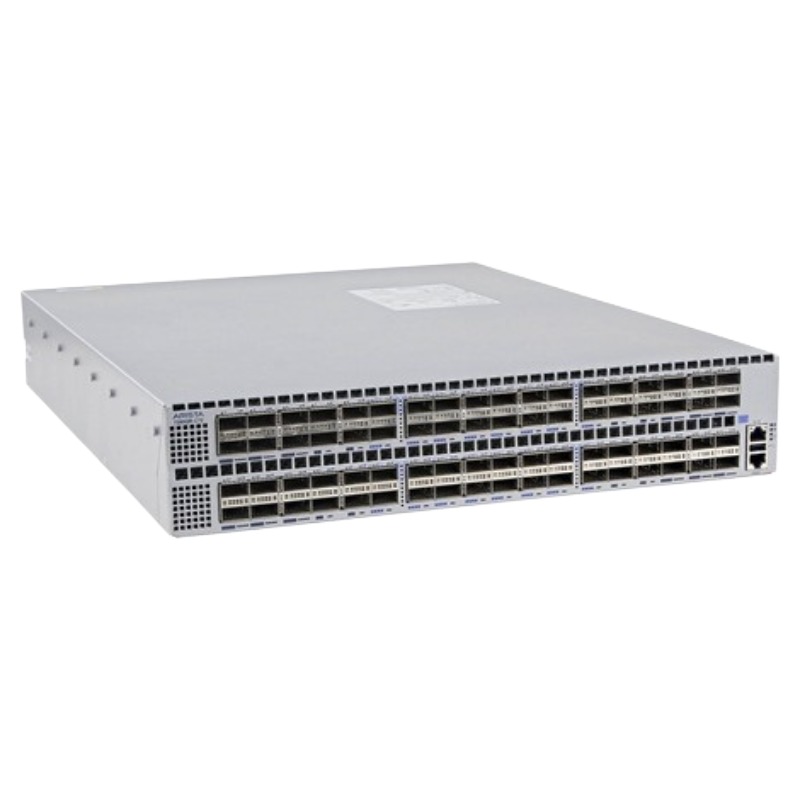


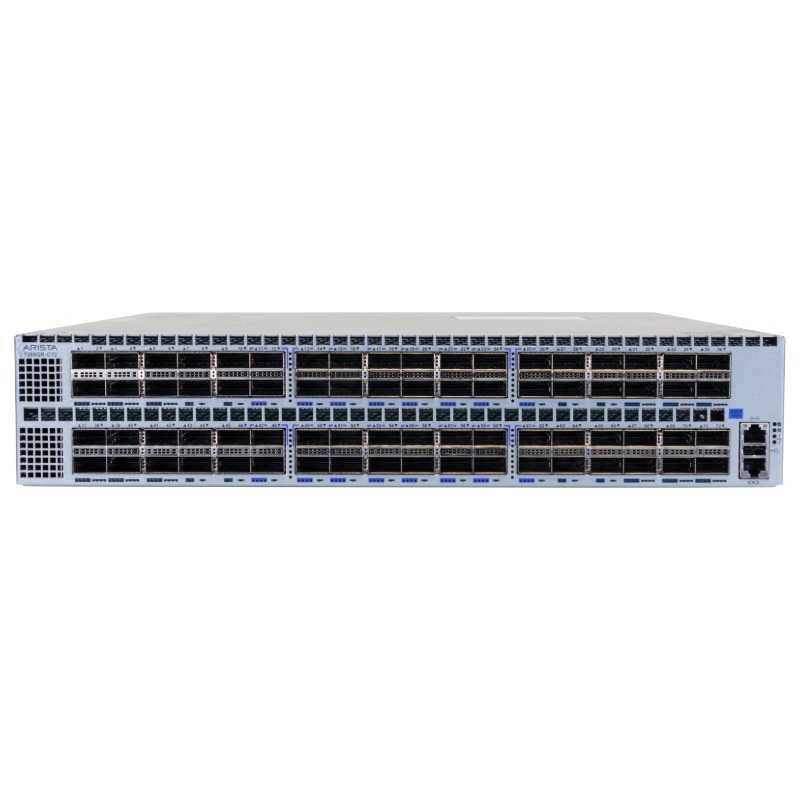
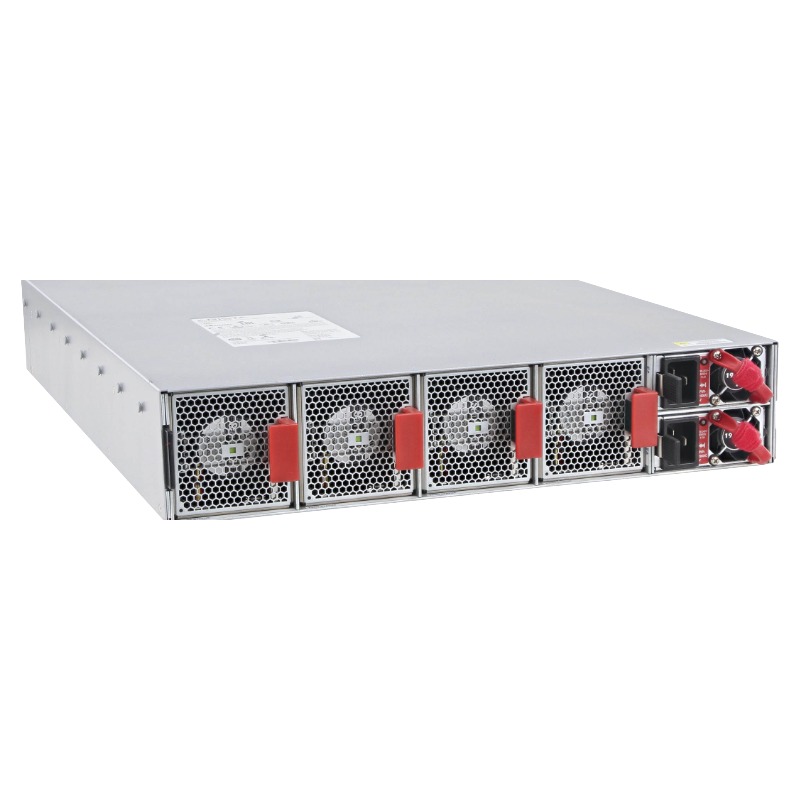
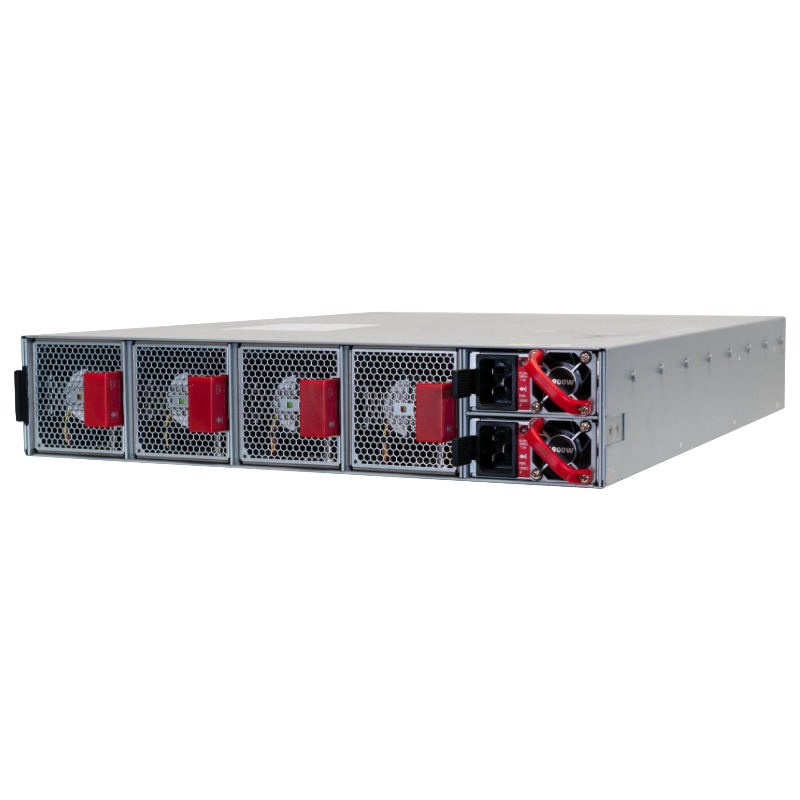
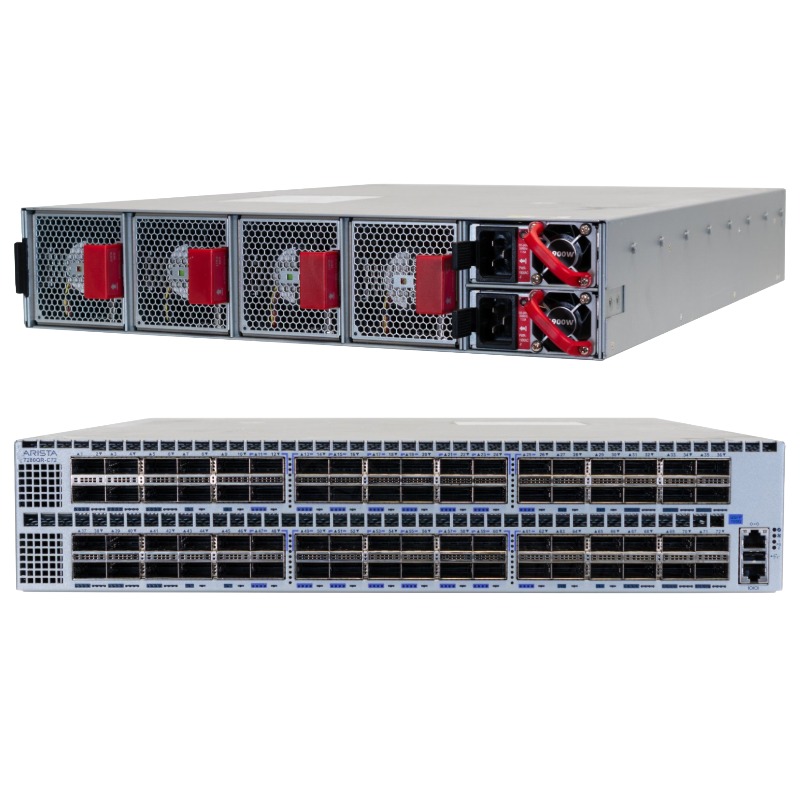
Arista DCS-7280QR-C72-M-F 72 Ports 56x40GbE QSFP+ 16x100GbE QSFP Ports front-to-rear Airflow Switch. New Sealed with 1 Year Replacement Warranty
The Arista DCS-7280QR-C72-M-F is a high-performance 72-port switch engineered for modern data centers, offering exceptional throughput and scalability. This front-to-rear airflow Ethernet switch is optimized for high-density rack deployments requiring efficient thermal management and predictable cooling performance inside enterprise data centers, colocation facilities, and hyperscale cloud infrastructures.
The Arista DCS-7280QR-C72-M-F switch is engineered to deliver exceptional scalability, ultra-low latency, and advanced Layer 2 and Layer 3 networking functionality for modern enterprise and cloud-scale environments. Designed with 72 high-performance QSFP interfaces, this switch architecture supports 56 native 40GbE QSFP+ ports and 16 high-speed 100GbE QSFP uplink interfaces, creating a versatile networking platform for aggregation, spine, leaf, and core deployment models.
The Arista 7280 Series architecture is designed specifically for scalable cloud networking infrastructures. The DCS-7280QR-C72-M-F supports modern leaf-spine fabric topologies that enable deterministic latency and predictable traffic flows across large-scale Ethernet fabrics.
With support for high-density 40GbE access connectivity and integrated 100GbE uplinks, the switch enables seamless interconnection between high-performance servers, storage arrays, virtualization hosts, and aggregation layers. The architecture is highly suitable for environments running private cloud frameworks, containerized applications, hyperconverged infrastructure, and distributed computing workloads.
Its non-blocking switching design allows simultaneous forwarding across all interfaces while maintaining low latency and consistent throughput. The switch hardware is optimized for burst absorption, deep packet inspection, and intelligent queue management to reduce congestion during peak traffic conditions.
The DCS-7280QR-C72-M-F platform supports cloud-ready networking features that improve workload mobility, application availability, and operational scalability. The switch enables high-performance network fabrics capable of supporting:
Large-scale virtualization clusters with extensive VM mobility requirements, software-defined networking overlays, multi-tenant cloud segmentation, distributed Layer 2 extension, and resilient high-speed interconnects for storage and compute infrastructure.
The platform integrates seamlessly into automation-driven data center ecosystems, enabling consistent provisioning, centralized management, and programmable network orchestration.
The switch features 72 QSFP interfaces configured to support 56x 40GbE QSFP+ ports alongside 16x 100GbE QSFP interfaces. This flexible port arrangement provides organizations with substantial bandwidth capacity for high-density server connectivity and ultra-fast uplink aggregation. The 40GbE QSFP+ interfaces are ideal for connecting virtualization servers, blade chassis, storage fabrics, and high-throughput application clusters. Meanwhile, the integrated 100GbE ports deliver exceptional backbone capacity for spine connectivity, aggregation layers, and inter-data-center transport.
The Arista DCS-7280QR-C72-M-F supports flexible deployment models where interfaces can be assigned for server access, aggregation, or fabric interconnect functions. The high-density design helps reduce rack consumption while maximizing network scalability.
Organizations can deploy the switch in several infrastructure roles, including: Top-of-rack switching for virtualization clusters, leaf switching within spine-leaf architectures, aggregation for multiple rack domains, high-performance storage connectivity, and scalable uplink distribution across enterprise core environments.
The QSFP+ interfaces deliver substantial throughput for high-performance networking applications. These ports support reliable transport of latency-sensitive workloads such as real-time analytics, distributed databases, AI clusters, financial applications, and high-frequency storage traffic. The switch supports extensive bandwidth aggregation while maintaining low forwarding latency and minimal packet loss across demanding traffic conditions.
The integrated 100GbE interfaces significantly improve fabric scalability and simplify network expansion strategies. The high-speed uplink capability minimizes oversubscription ratios while supporting growing east-west traffic patterns inside modern cloud infrastructures. These 100GbE interfaces are particularly valuable for data center spine deployments, high-capacity aggregation networks, and large virtualization clusters requiring massive throughput between compute nodes and storage resources.
The front-to-rear airflow design of the DCS-7280QR-C72-M-F provides optimized cooling performance for hot aisle and cold aisle data center configurations. This airflow orientation aligns with standard enterprise rack cooling strategies and helps maintain stable thermal conditions under continuous high-bandwidth operation. Efficient thermal engineering is essential in dense networking environments where high-speed interfaces and advanced switching ASICs generate significant heat output. The front-to-rear cooling model improves airflow consistency, reduces thermal hotspots, and enhances long-term hardware reliability.
The front-to-rear airflow orientation supports standardized rack cooling methodologies commonly deployed in modern data centers. This alignment improves overall facility airflow efficiency and helps reduce cooling costs associated with large-scale networking environments. The airflow direction also simplifies rack planning and infrastructure design by ensuring predictable cooling patterns across multiple networking layers.
The DCS-7280QR-C72-M-F provides advanced Layer 2 and Layer 3 networking capabilities that support scalable enterprise routing and switching architectures. The platform enables resilient traffic forwarding, intelligent segmentation, and advanced routing control for complex network infrastructures.
The switch supports enterprise-grade Layer 2 functionality including VLAN segmentation, link aggregation, spanning tree protocols, jumbo frames, multicast optimization, and advanced traffic classification mechanisms. These features enable organizations to build resilient and scalable Ethernet environments capable of supporting virtualization, cloud applications, and high-bandwidth enterprise workloads.
VLAN functionality enables logical segmentation of network domains, helping organizations improve security, traffic management, and operational efficiency. The switch supports extensive VLAN scalability for large multi-tenant and departmental environments. Traffic isolation capabilities improve application stability while reducing unnecessary broadcast traffic across critical network segments.
The Arista DCS-7280QR-C72-M-F supports sophisticated Layer 3 routing protocols that enable scalable inter-network communication and intelligent path optimization. The platform is designed to support dynamic routing environments requiring high availability and rapid convergence. Routing support includes static routing, ECMP functionality, policy-based forwarding, route redistribution, and scalable IPv4 and IPv6 networking capabilities.
The switch can function as a high-performance aggregation router or data center core platform. Its hardware forwarding architecture accelerates routing decisions while maintaining low latency under heavy traffic conditions. Support for large routing tables and efficient control plane operations ensures scalability for enterprise campus cores, cloud infrastructures, and multi-site networking deployments.
The DCS-7280QR-C72-M-F is engineered for ultra-low latency operation, making it suitable for performance-sensitive applications requiring rapid packet delivery and predictable forwarding behavior. The switch architecture minimizes forwarding delays through optimized ASIC processing pipelines, intelligent buffer management, and efficient packet scheduling algorithms.
Modern enterprise and cloud applications frequently depend on low-latency networking for optimal performance. The Arista platform is well suited for workloads including: High-performance computing clusters, distributed analytics, financial transaction processing, AI model training, machine learning workloads, distributed storage systems, and virtual desktop infrastructures.
The Arista DCS-7280QR-C72-M-F is engineered for mission-critical environments requiring maximum uptime and operational resilience. The switch incorporates multiple hardware and software reliability mechanisms that improve fault tolerance and service continuity.
High-availability design elements help ensure uninterrupted operation during hardware maintenance events or component failures. The platform supports resilient networking architectures that minimize service disruption across critical business environments. Redundancy features improve operational stability for enterprise applications, cloud services, virtualization platforms, and distributed storage infrastructures.
The switch is optimized for environments where network downtime can significantly impact productivity, customer experience, or revenue generation. Fast convergence capabilities and resilient forwarding mechanisms help maintain service continuity during infrastructure changes. High-availability networking is essential for financial systems, cloud platforms, healthcare infrastructure, educational institutions, and telecommunications environments.
The DCS-7280QR-C72-M-F supports virtualization-centric networking architectures designed for modern hypervisor and containerized application environments. The switch delivers scalable bandwidth and advanced traffic management for virtual machine mobility and dynamic workload placement.
Virtualized infrastructures generate significant east-west traffic between compute nodes, storage arrays, and orchestration platforms. The switch architecture is optimized to manage these traffic patterns efficiently while maintaining application responsiveness. Its high-density interface design enables large virtualization clusters to scale without creating bandwidth bottlenecks.
Multi-tenant cloud infrastructures require secure segmentation and scalable network isolation. The switch supports logical traffic separation and scalable routing capabilities that improve operational efficiency within shared infrastructure environments. These capabilities are particularly beneficial for cloud hosting providers, enterprise private clouds, and managed infrastructure platforms.
The Arista DCS-7280QR-C72-M-F integrates effectively into spine-leaf architectures commonly used in modern data center networks. The combination of 40GbE access ports and 100GbE uplinks enables efficient east-west traffic distribution across scalable Ethernet fabrics.
As a leaf switch, the platform can connect high-density server racks while maintaining high-speed uplink connectivity to spine switches. This architecture improves scalability, reduces latency, and simplifies network expansion. The switch supports highly distributed compute environments where predictable latency and scalable bandwidth are essential for application performance.
The 100GbE uplink interfaces enable efficient connectivity into high-capacity spine infrastructures. These uplinks support extensive traffic aggregation while reducing congestion across inter-rack communication paths. The scalable architecture allows enterprises to expand network capacity incrementally without major infrastructure redesigns.
The DCS-7280QR-C72-M-F is well suited for high-performance storage networking environments requiring low latency, high throughput, and consistent packet delivery.
Modern distributed storage systems rely heavily on high-speed Ethernet fabrics to synchronize data across storage nodes and compute resources. The switch provides the bandwidth density necessary for scalable storage architectures. Its low-latency forwarding capabilities help improve storage response times and data replication efficiency.
Large-scale storage environments generate substantial traffic loads during backup operations, replication tasks, and distributed processing activities. The switch supports high-capacity packet forwarding while maintaining stable throughput under demanding workloads. Advanced buffering mechanisms reduce packet drops during burst-intensive storage operations.
The compact high-density design of the DCS-7280QR-C72-M-F enables organizations to maximize networking capacity while minimizing rack consumption. Consolidated high-speed interfaces reduce the need for multiple switching layers and simplify cabling infrastructure.
High-density switching platforms improve operational efficiency by reducing power consumption, cable complexity, and physical infrastructure requirements. The switch enables efficient scaling for large enterprise and cloud deployments. Its dense port configuration helps organizations optimize rack utilization in facilities with limited space availability.
The scalable architecture allows organizations to expand network bandwidth and server connectivity without significant increases in rack footprint. This improves deployment flexibility while lowering long-term infrastructure costs. The switch supports future growth initiatives by providing substantial bandwidth headroom for evolving application demands.


 Contact Us
 Information
 Catalog
 Solid State Drives (SSD)
 Network Switches
 Hard Disk Drives
 HBA & Controllers
 PC & Servers
 PC & Server Memory
 CPU & Processors
 Network Routers
 Power Supplies
 Tape Drives & Libraries
 Network Devices
 Computer & Network Cables