(7% discount is applied at checkout)
Cart is empty
Your go-to destination for cutting-edge server products
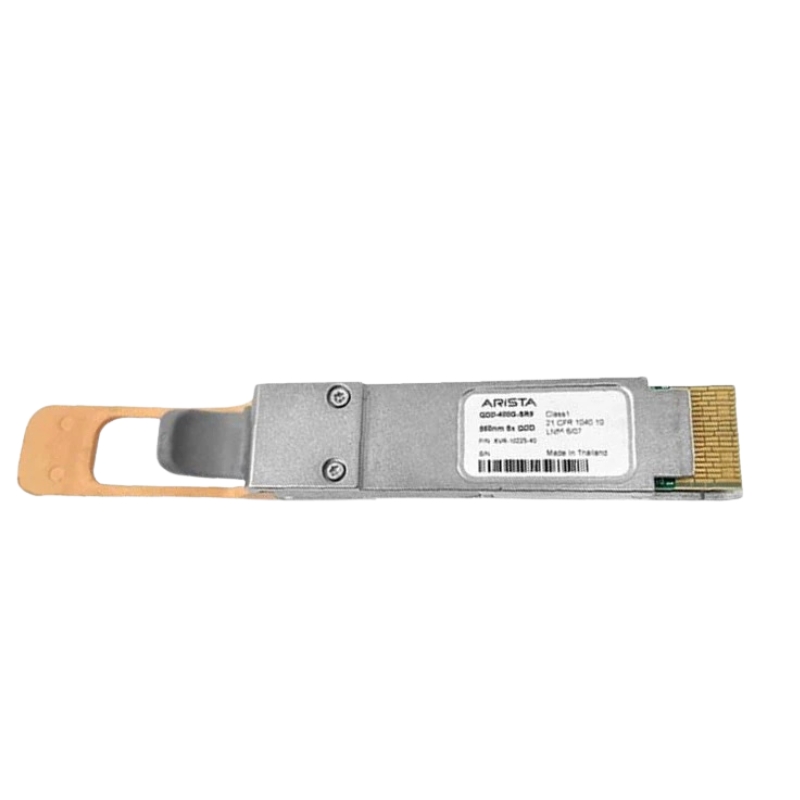


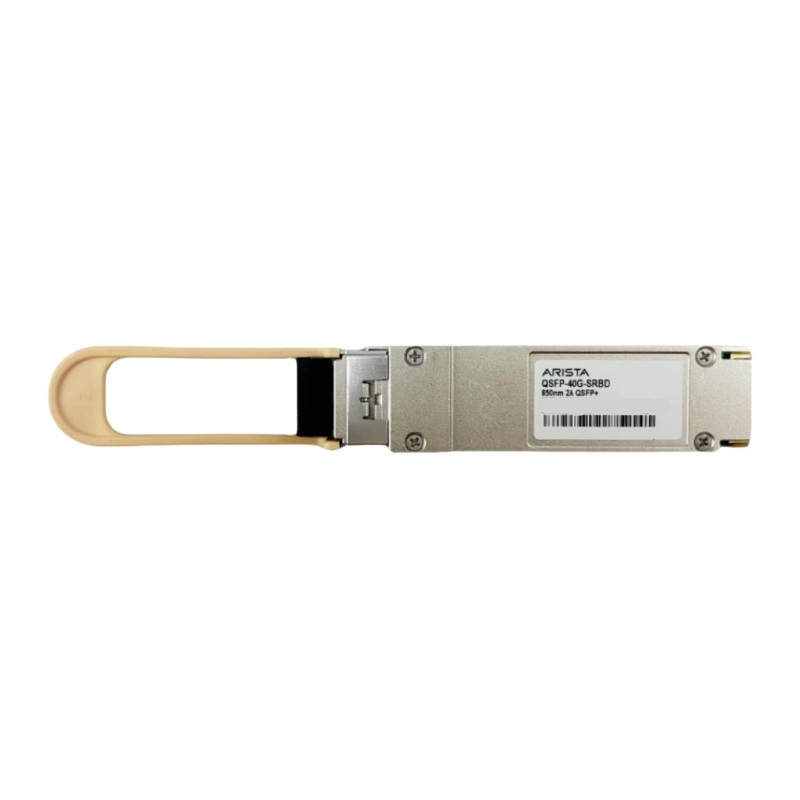
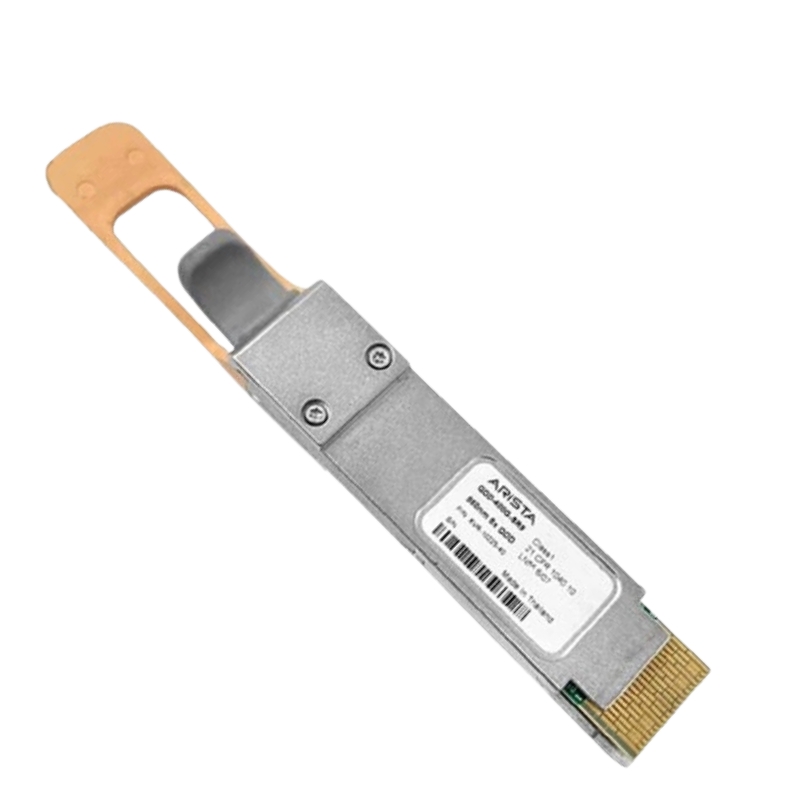
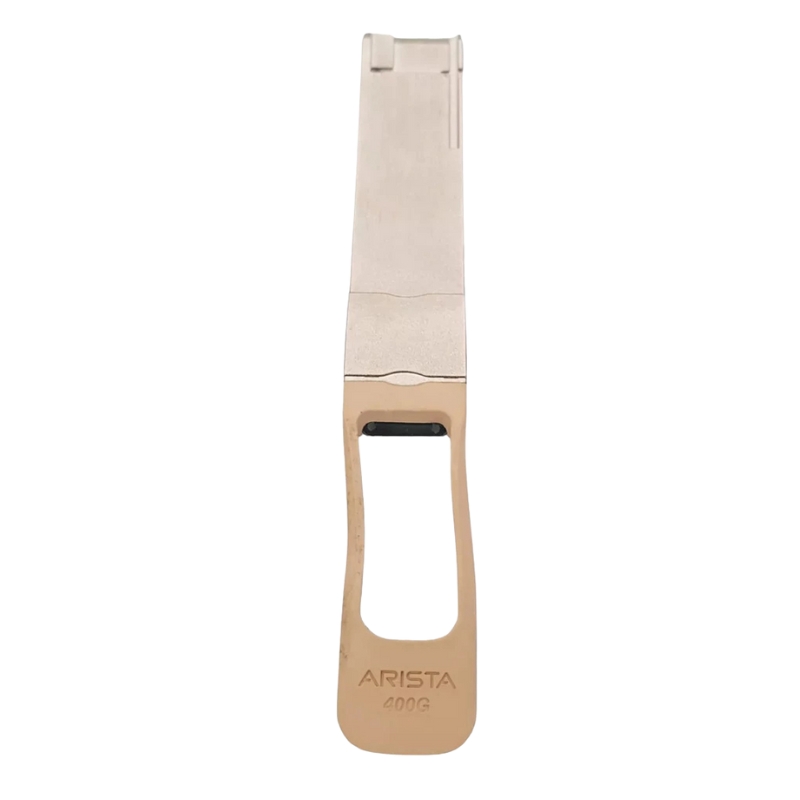
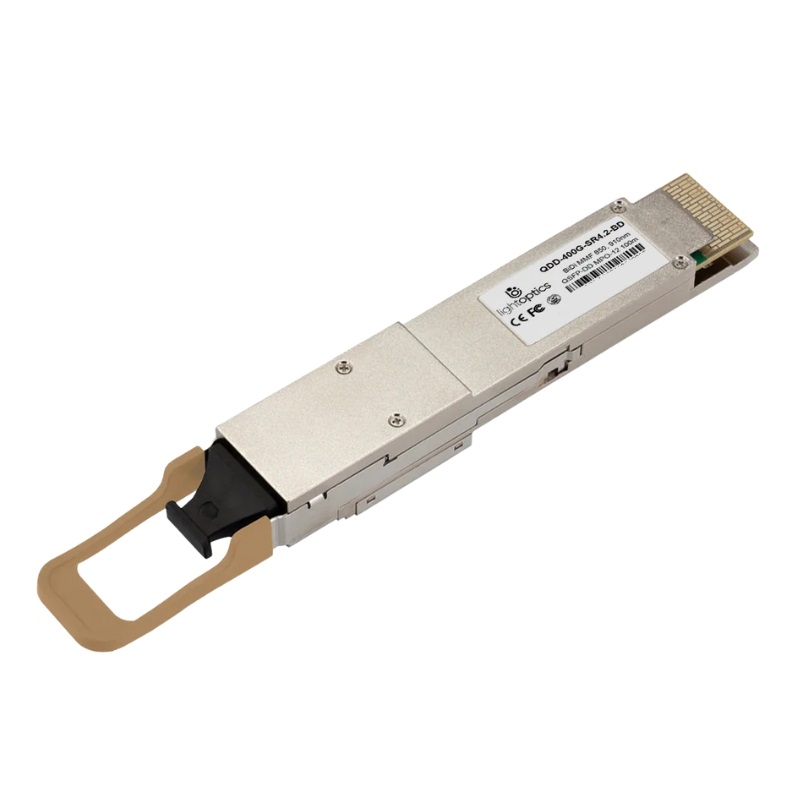
Arista XVR-10219-40 400GB OSFP Pluggable Octal Small UP To 100m Over Parallel OM4 MMF Formfactor Transceiver. Excellent Refurbished with 1 year Replacement Warranty
The Arista XVR-10219-40 is a cutting-edge optical transceiver engineered for high-speed data transmission in advanced networking environments. Featuring OSFP form factor and MPO-12 connectors, it delivers reliable connectivity across OM4 multi-mode fiber systems.
The category encompassing the Arista XVR-10219-40 400GB OSFP pluggable transceiver represents a critical segment of high-speed optical networking components designed to meet the exponential growth of data traffic in hyperscale, enterprise, and cloud data center environments. These transceivers are engineered to deliver ultra-high bandwidth, low latency, and reliable short-reach optical connectivity over parallel multimode fiber infrastructure, specifically optimized for OM4 multimode fiber deployments. Within this category, the focus is on next-generation 400-gigabit Ethernet solutions that leverage advanced modulation, optical packaging, and form factor innovation to maximize port density and operational efficiency.
This category is central to modern spine-leaf architectures, artificial intelligence clusters, high-performance computing environments, and large-scale storage fabrics where east-west traffic dominates. The 400GB OSFP transceiver class provides a balance between performance, thermal efficiency, and scalability, enabling network architects to design infrastructures that can evolve alongside increasing bandwidth demands without requiring complete overhauls of cabling or switching platforms.
The development of 400G optical transceivers marks a significant milestone in Ethernet evolution, driven by the need to support higher data rates while maintaining signal integrity and power efficiency. The category represented by the Arista XVR-10219-40 belongs to a lineage of pluggable optical modules that have progressed from QSFP28-based 100G solutions to QSFP-DD and OSFP-based 400G implementations. Each generational shift within this category has focused on increasing aggregate throughput while preserving backward compatibility at the system level.
OSFP-based transceivers in this category were designed specifically to handle the higher thermal and electrical demands of 400G operation. Compared to earlier form factors, OSFP modules support increased power budgets, allowing for more robust optical engines and improved signal processing. This category reflects an industry-wide move toward standardized, interoperable solutions that can be deployed across diverse networking platforms while meeting stringent performance specifications.
The OSFP form factor is a defining characteristic of this transceiver category, offering a compact yet thermally optimized design that supports eight high-speed electrical lanes. This octal lane architecture enables aggregate data rates of up to 400 gigabits per second while maintaining manageable signal integrity across short-reach optical links. The OSFP housing provides enhanced heat dissipation compared to earlier pluggable designs, which is critical for sustained high-speed operation in dense switch configurations.
Within this category, OSFP modules are engineered to fit seamlessly into next-generation Ethernet switches and routers that prioritize port density. The mechanical and electrical specifications of OSFP ensure consistent performance across vendors, making this category particularly attractive for large-scale deployments where interoperability and supply chain flexibility are essential.
A defining attribute of this transceiver category is its reliance on parallel multimode optical transmission over OM4 fiber. OM4 multimode fiber is widely deployed in modern data centers due to its ability to support high bandwidth over short distances with relatively low cost and ease of installation. The category is optimized for link lengths of up to 100 meters, making it ideal for intra-data center connectivity between switches, servers, and storage systems.
Parallel optics within this category utilize multiple optical lanes transmitted simultaneously over separate fiber pairs within a single ribbon cable. This approach allows for extremely high aggregate bandwidth without requiring higher per-lane data rates that would otherwise increase complexity and power consumption. As a result, the category delivers a practical and scalable solution for short-reach, high-capacity links.
The octal lane design characteristic of this category divides the total 400G throughput across eight parallel optical channels. Each channel operates at a fraction of the total data rate, reducing the susceptibility to signal degradation and enabling reliable transmission over OM4 multimode fiber. This architecture supports advanced modulation and encoding techniques that enhance error tolerance and maintain low bit error rates.
Signal integrity is a critical consideration within this category, particularly in high-density environments where electromagnetic interference and thermal effects can impact performance. The transceivers are designed with precision optical alignment, high-quality laser sources, and integrated digital signal processing to ensure consistent performance across all lanes.
The category represented by the Arista XVR-10219-40 is widely applicable across a range of networking scenarios that demand high throughput and low latency. In hyperscale data centers, these transceivers are commonly used to interconnect spine and leaf switches, enabling non-blocking architectures that can scale to thousands of ports. Their short-reach capability over OM4 fiber aligns perfectly with the physical layouts of modern data halls.
Enterprise environments also benefit from this category when deploying private cloud infrastructures, virtualization platforms, and high-performance analytics systems. The ability to deliver 400G connectivity within a compact form factor allows organizations to future-proof their networks while maintaining efficient use of rack space and power budgets.
A key advantage of this transceiver category is its emphasis on compatibility and interoperability within broader network ecosystems. OSFP-based 400G modules are designed to adhere to industry standards, ensuring that they can operate seamlessly with compliant switches, routers, and cabling systems. This interoperability reduces deployment risk and simplifies network design by allowing components from multiple vendors to coexist within the same infrastructure.
Within this category, attention is given to electrical interface standards, optical specifications, and management protocols. These factors collectively ensure that network operators can monitor and manage transceiver performance using familiar tools and workflows, enhancing operational efficiency.


 Contact Us
 Information
 Catalog
 Solid State Drives (SSD)
 Network Switches
 Hard Disk Drives
 HBA & Controllers
 PC & Servers
 PC & Server Memory
 CPU & Processors
 Network Routers
 Power Supplies
 Tape Drives & Libraries
 Network Devices
 Computer & Network Cables