(7% discount is applied at checkout)
Cart is empty
Your go-to destination for cutting-edge server products
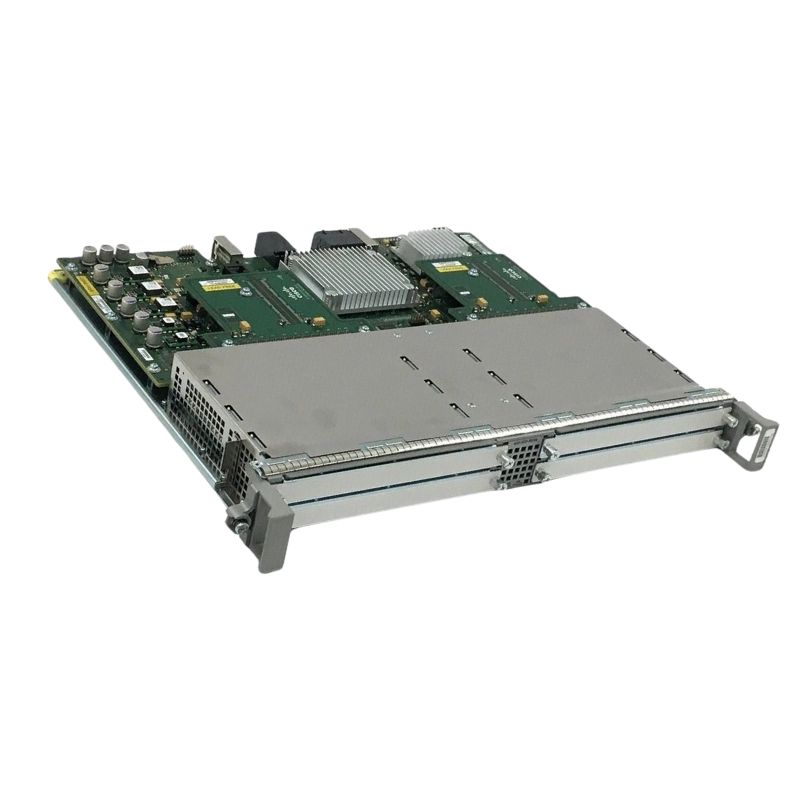


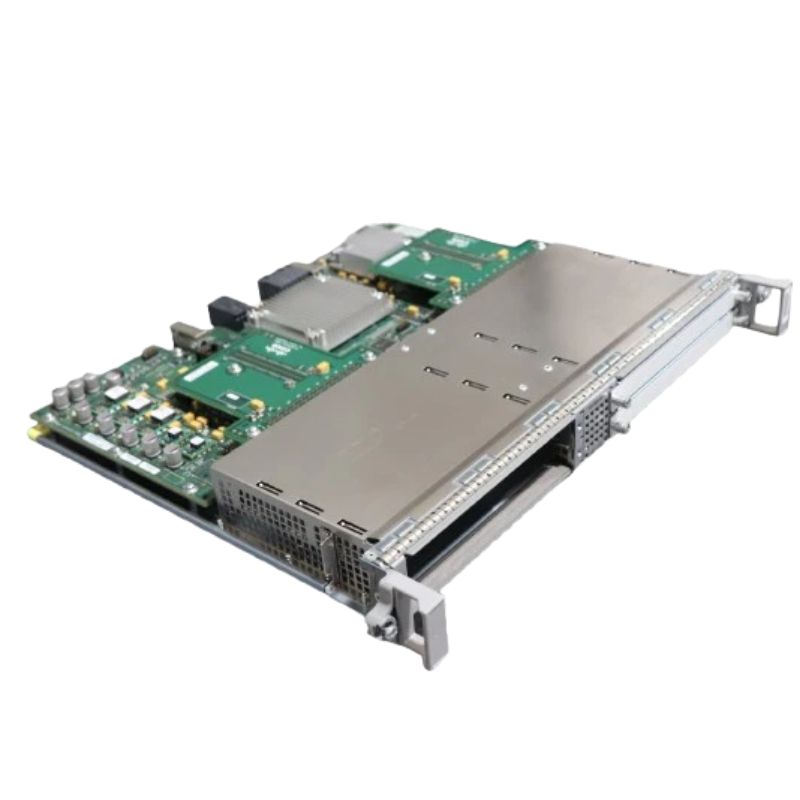
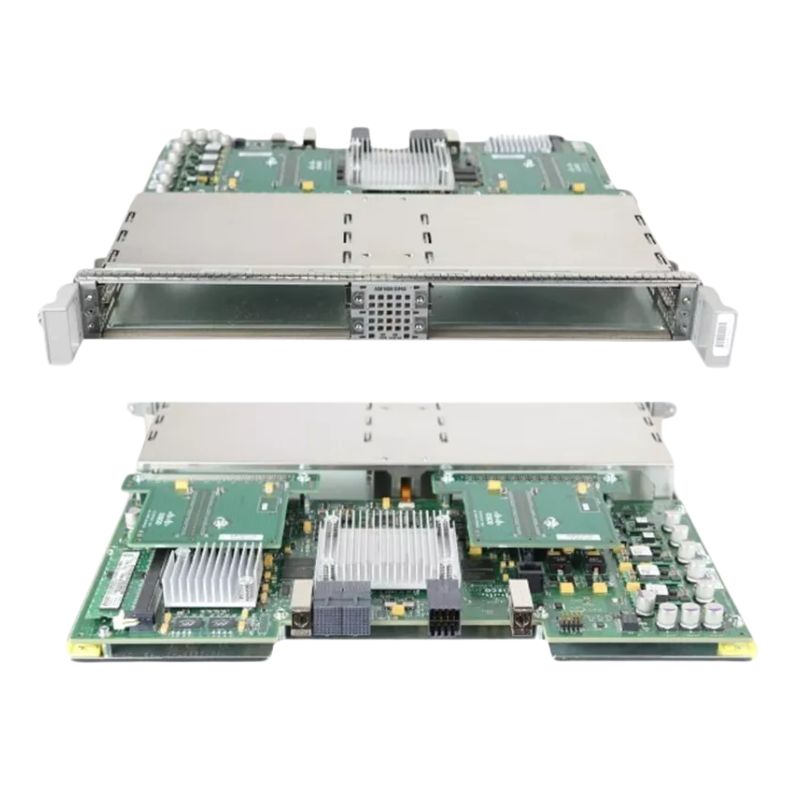
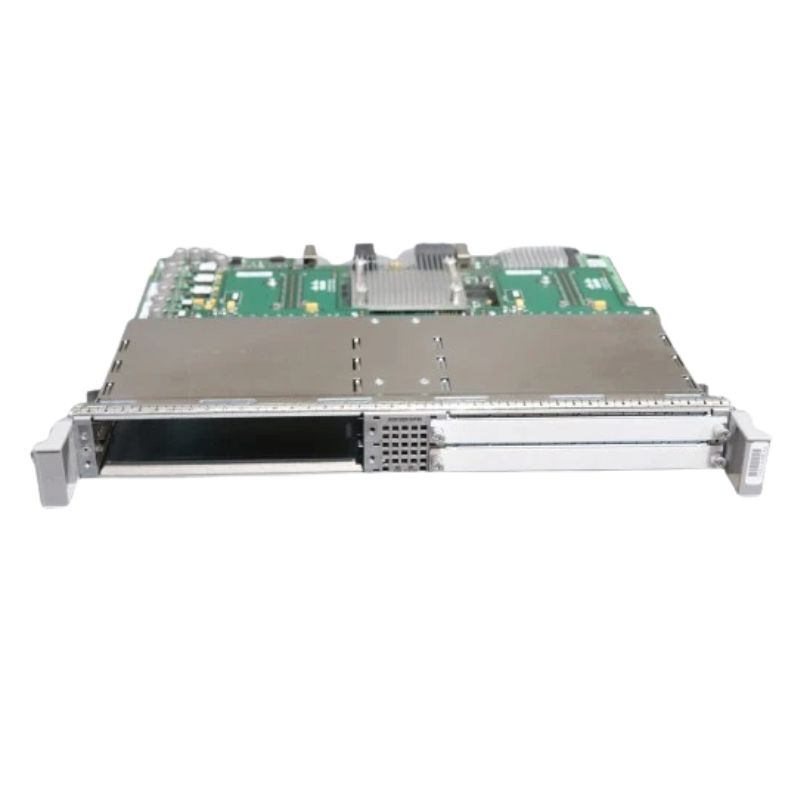
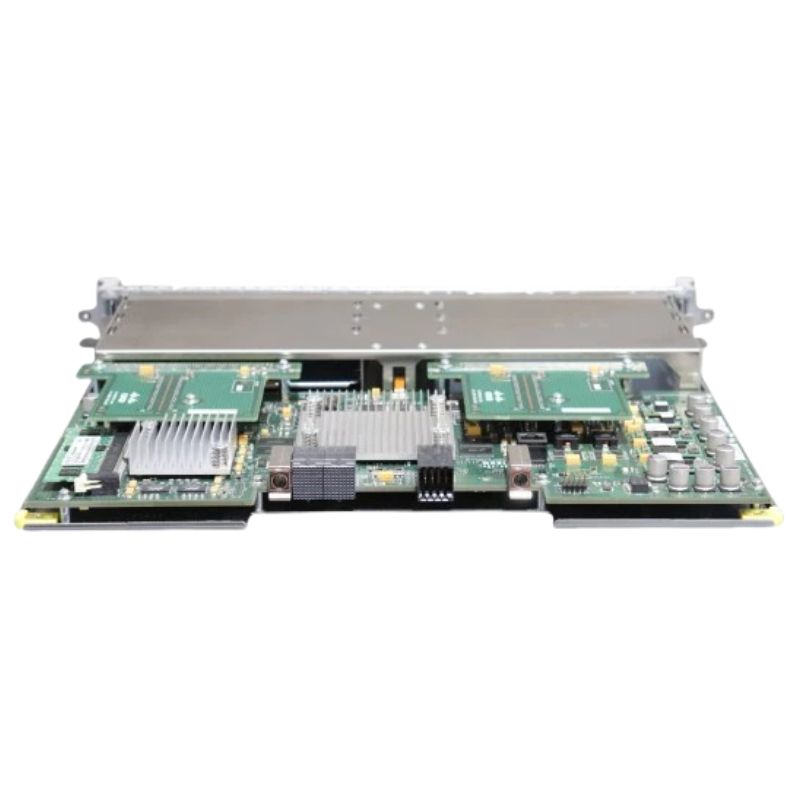
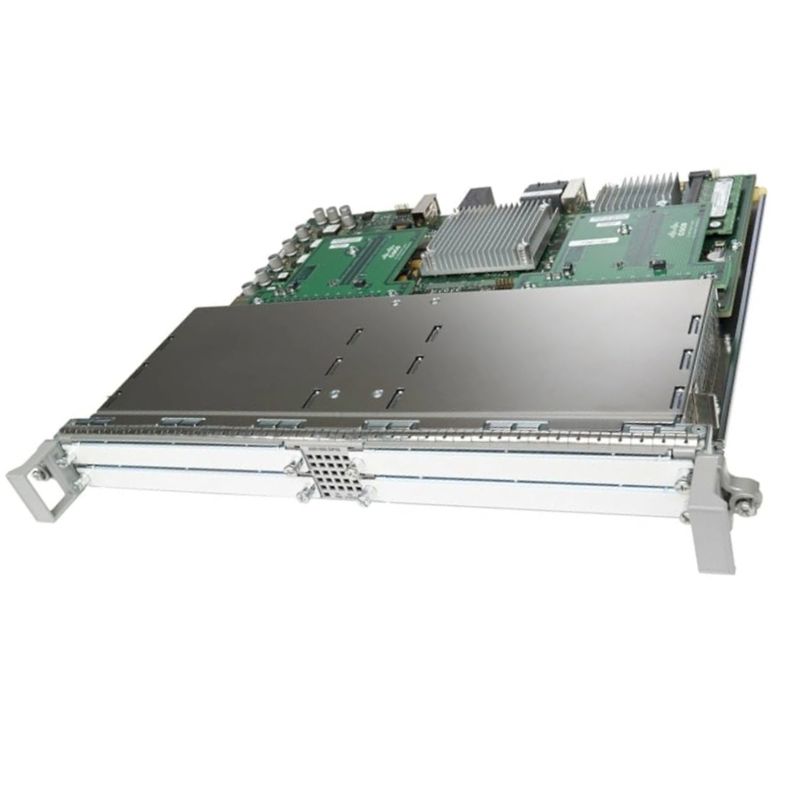
Cisco ASR-1000-SIP40 ASR1000 SPA Interface Processor Line Card. Excellent Refurbished with 1 year replacement warranty
Discover the Cisco ASR-1000-SIP40 SPA interface processor — a high-performance expansion module engineered for enterprise routers and switches. Ideal for voice and data convergence, this line card delivers scalable connectivity and robust hardware reliability.
This device is classified as an expansion module — perfect for increasing port capacity, enhancing session processing, and extending the functional capabilities of compatible systems.
Confirm compatibility before installation — the ASR-1000-SIP40 is known to work with a number of Cisco platforms. Example compatible host:
Compact and rack-friendly, the module's physical footprint makes it simple to deploy in constrained equipment racks and chassis.
The SIP40 is not merely a passive carrier card; it is an intelligent processor responsible for handling significant portions of the packet processing pipeline. Its integration into the ASR 1000's distributed architecture is key to the platform's overall performance and scalability.
The ASR 1000 Series employs a distributed architecture consisting of three primary elements: the Route Processor (RP), the Embedded Services Processor (ESP), and the SPA Interface Processor (SIP). The SIP40 works in concert with the high-performance ESP, which handles centralized forwarding and services. The SIP40's role is to manage the physical interfaces, perform initial packet classification, and efficiently shuttle traffic to and from the ESP over a high-bandwidth internal fabric.
The SIP40 connects to the ESP via Cisco's high-speed serial fabric links. This design ensures that the bandwidth capacity of the installed SPAs is not bottlenecked by the internal architecture. The SIP40 is architected to support aggregate throughput that matches the demands of densely populated 1G and 10G interfaces, making it suitable for bandwidth-intensive aggregation scenarios.
Equipped with its own network processor and memory, the SIP40 offloads certain tasks from the main ESP. It handles time-critical, interface-level functions such as queuing, scheduling, and initial header inspections. This distributed processing model is essential for maintaining line-rate performance across all ports, even when advanced features are enabled.
The Cisco ASR-1000-SIP40 distinguishes itself through a combination of density, flexibility, and support for advanced carrier-class features. These specifications make it a preferred choice for modernizing network edge infrastructure.
The SIP40 is a double-height module designed to slot into the SPA bays of the ASR 1001, ASR 1002, ASR 1002-X, ASR 1004, and ASR 1006 chassis. Its primary function is to house and provide connectivity for up to four half-height or two full-height Shared Port Adapters (SPAs). This flexible form factor allows network architects to tailor the interface mix precisely to their needs, such as combining multiple 10GE SPAs with a channelized SPA for legacy TDM service aggregation on a single router.
The SIP40 is designed for high-performance aggregation. It supports the full performance capabilities of the installed SPAs, enabling line-rate processing on all ports. When paired with a capable ESP like the ESP-20 or ESP-40, the SIP40 can help deliver multi-gigabit to tens-of-gigabit forwarding capacity, essential for peering, broadband aggregation, and enterprise WAN aggregation points.
The SIP40 provides robust, hardware-assisted QoS features. It supports deep hierarchical queuing and scheduling policies, allowing for precise traffic management and bandwidth allocation across thousands of subscriber or service queues. This is critical for implementing Service Level Agreements (SLAs) and ensuring performance for latency-sensitive applications like voice and video.
The flexibility and performance of the ASR-1000-SIP40 make it a cornerstone in several key networking scenarios, particularly at the network edge where versatility and service intelligence are paramount.
This is the classic deployment zone for the SIP40. Service providers leverage its density and mixed-media support for:
The SIP40, with its 10GE and 1GE SPAs, aggregates traffic from thousands of subscribers connected via DSLAMs or OLTs. Its advanced QoS and policing capabilities are used to enforce subscriber policies, manage bandwidth tiers, and shape traffic before it enters the core network.
For 3G, 4G, and early 5G mobile networks, the SIP40 provides a convergent aggregation point. It can terminate a mix of T1/E1, T3/E3, and Ethernet links from cell sites (using appropriate SPAs). It applies IP/MPLS protocols for transport, synchronizes timing (IEEE 1588v2, SynCE), and ensures low latency and jitter for critical control and user plane traffic.
Large enterprises with complex WAN architectures benefit from the SIP40's reliability and interface diversity.
At a large campus or data center edge, the SIP40 consolidates multiple WAN connections—such as MPLS private lines, internet uplinks, and point-to-point links—into a single router. The ability to use both Ethernet and legacy TDM SPAs provides investment protection and supports gradual migration to all-IP WANs.
When equipped with 10GE SPAs, the ASR 1000 with a SIP40 can serve as a cost-effective, feature-rich DCI router, extending Layer 2 and Layer 3 networks between data centers with support for OSPF, BGP, MPLS, and VRF-lite.
The Cisco ASR-1000-SIP40 operates under the control of Cisco IOS XE Software, a modern, modular operating system that provides carrier-class features, reliability, and service agility.
Cisco IOS XE on the ASR 1000 brings a comprehensive suite of routing, security, and application-aware services. The SIP40 is fully managed through this OS, with all SPA interfaces appearing as standard Cisco IOS interfaces. Furthermore, the platform supports model-driven programmability via YANG data models, NETCONF, and RESTCONF, allowing for automation and integration with modern orchestration tools.
When installed in an ASR 1000 with a SIP40, networks can leverage:
Full IPv4/IPv6 Unicast and Multicast Routing: Comprehensive protocol support including BGP, OSPF, EIGRP, IS-IS, PIM, and MLD.
MPLS Suite: LDP, RSVP-TE for traffic engineering, Layer 2 VPN (VPLS, EoMPLS), and Layer 3 VPN (MPLS VPN).
Advanced Security: Zone-Based Firewall, IPSec VPN, MACsec encryption on supported interfaces, and Control Plane Policing (CoPP).
High Availability: Non-Stop Routing (NSR) and Stateful Switchover (SSO) for hitless failover during RP upgrades.
Network Virtualization: VRFs for network segmentation and Cisco SD-WAN (formerly IWAN) capabilities.
Successfully deploying and maintaining the SIP40 requires attention to several practical considerations related to hardware compatibility, power, and environmental factors.
The SIP40 is compatible with specific generations of the ASR 1000 Series routers. It is crucial to verify compatibility with the specific chassis model and the installed Route Processor (RP) and Embedded Services Processor (ESP). The SIP40 typically requires an ESP-10, ESP-20, ESP-40, or later for operation. Always consult the official Cisco compatibility matrix before procurement or installation.
The SIP40 and its SPAs support OIR, allowing for hardware expansion, replacement, or upgrades without powering down the entire router. This feature is essential for maintaining network uptime in carrier environments. Proper sequencing—installing the SIP40 chassis first, then powering it and inserting the SPAs—is recommended for smooth operation.
The power consumption of a SIP40 slot varies significantly based on the number and type of SPAs installed. A fully loaded SIP40 with four 10GE SPAs will draw considerably more power than one with a single T1/E1 SPA. Network planners must ensure the chassis power supply configuration has adequate headroom. Similarly, the thermal output must be accounted for in cabinet cooling designs to prevent overheating and ensure long-term hardware reliability.


 Contact Us
 Information
 Catalog
 Solid State Drives (SSD)
 Network Switches
 Hard Disk Drives
 HBA & Controllers
 PC & Servers
 PC & Server Memory
 CPU & Processors
 Network Routers
 Power Supplies
 Tape Drives & Libraries
 Network Devices
 Computer & Network Cables