(7% discount is applied at checkout)
Cart is empty
Your go-to destination for cutting-edge server products
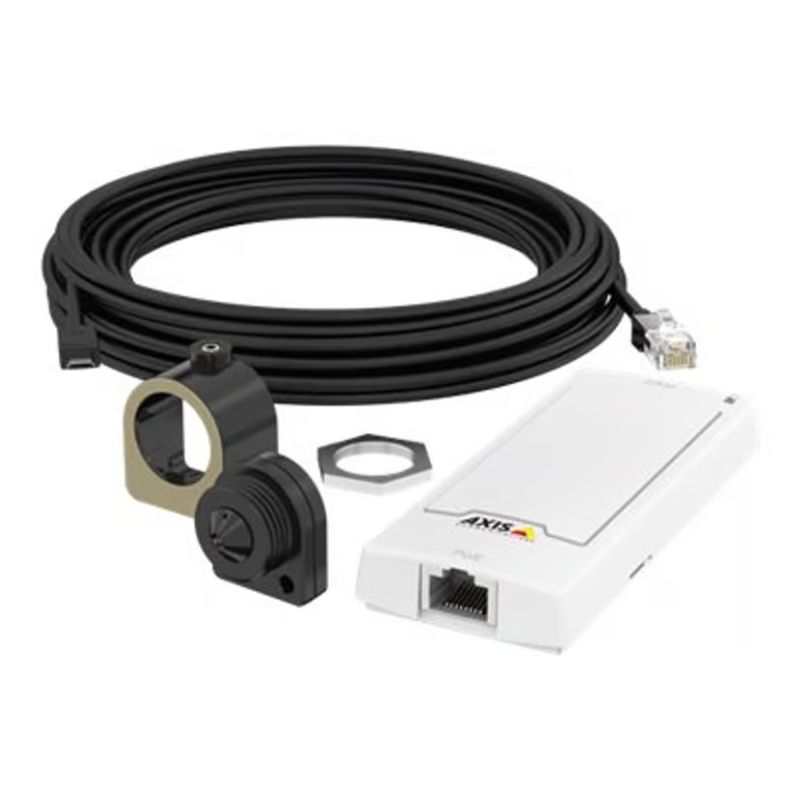


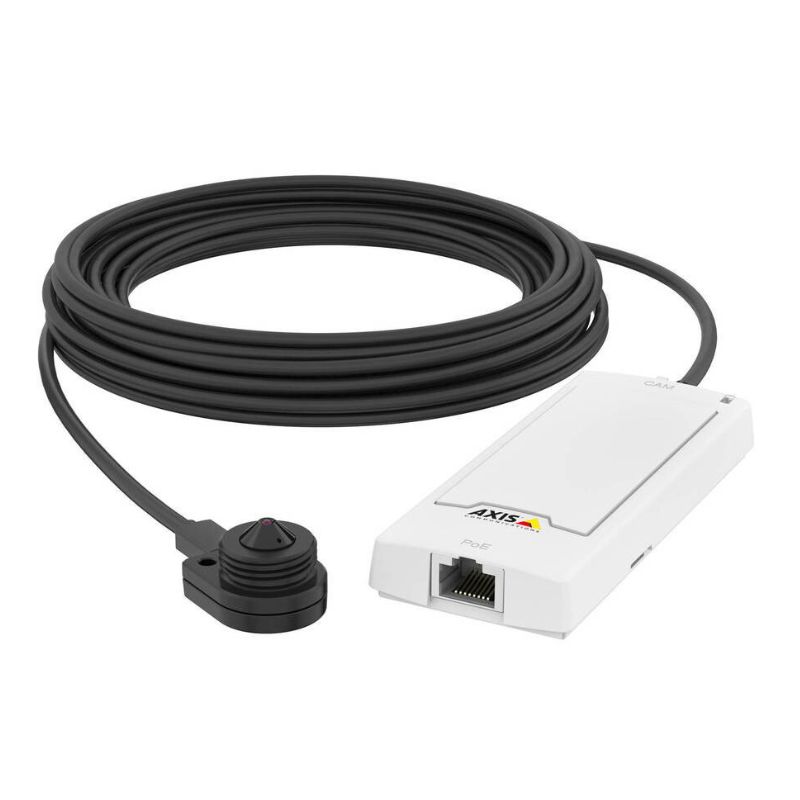
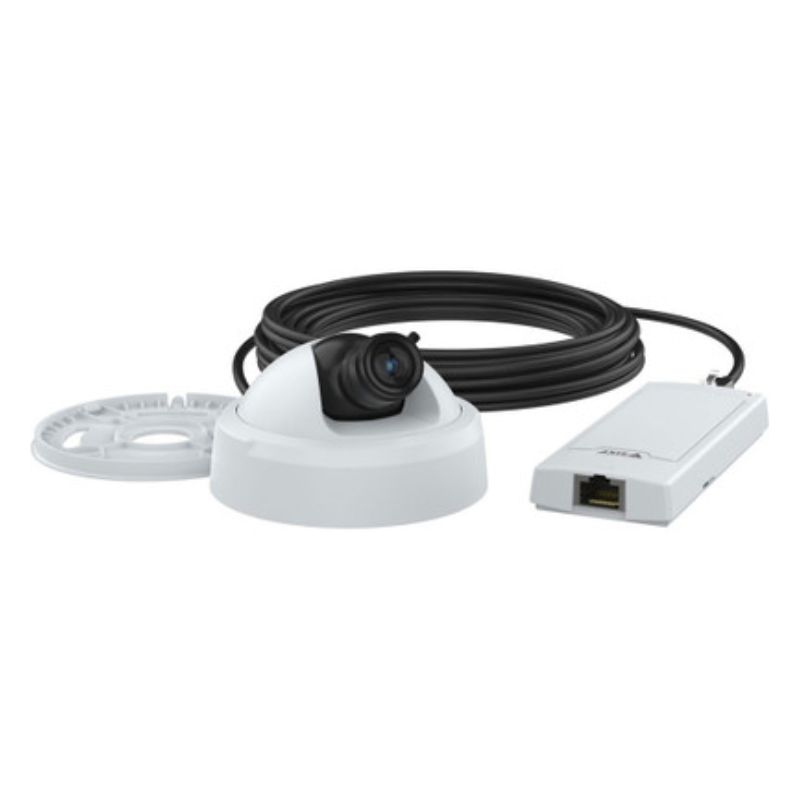
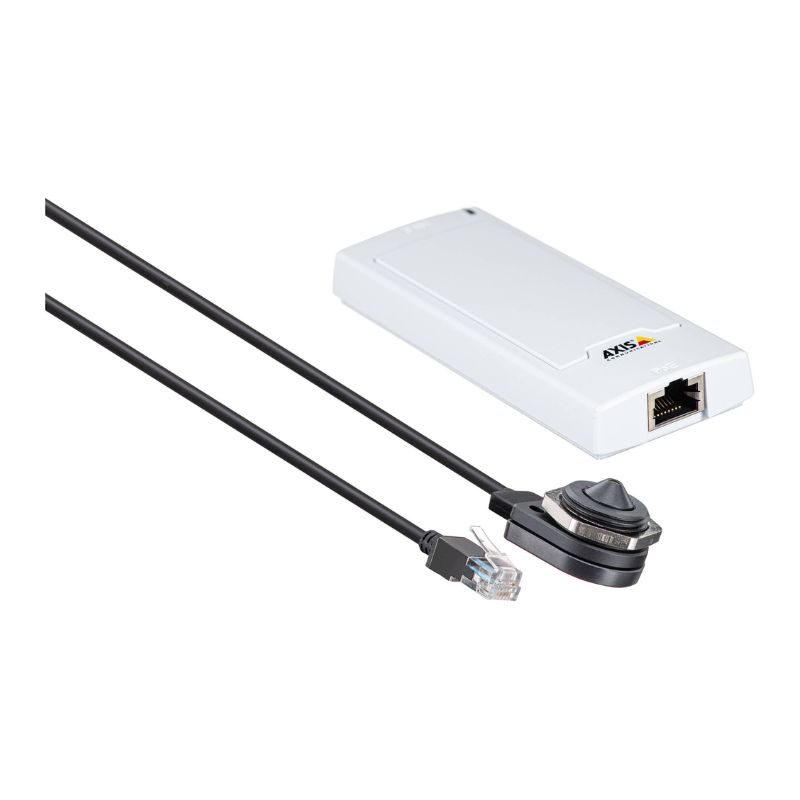
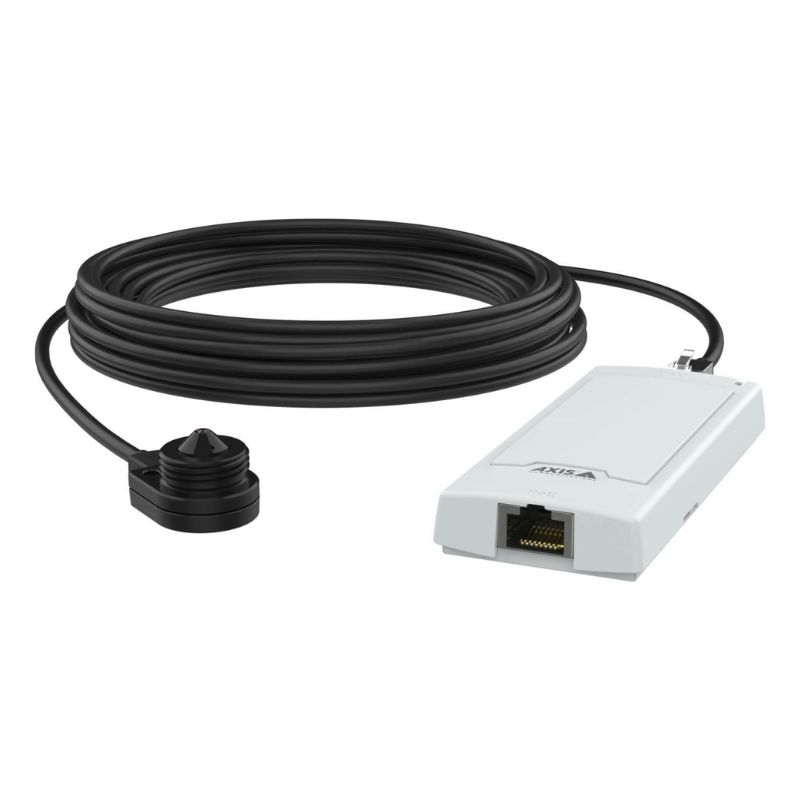
Axis 02858-001 P1265 Mk II Modular Pinhole Camera. Factory-Sealed New in Original Box (FSB) with 3 years Warranty
The Axis 02858-001 P1265 Mk II Modular Pinhole Camera represents a specialized category of compact, discreet surveillance solutions designed for environments where traditional cameras may be impractical or visually intrusive. This modular pinhole camera is engineered to deliver high-quality video capture while maintaining a minimal physical presence, making it suitable for retail environments, financial institutions, public transportation systems, and other locations requiring subtle yet effective monitoring. The camera's architecture separates the sensor unit from the main body, enabling flexible installation options and creative positioning without sacrificing performance or reliability.
Within this category, modular pinhole cameras emphasize discreet deployment combined with enterprise-grade imaging capabilities. The P1265 Mk II model stands out by offering a balance of image clarity, compact form factor, and robust cybersecurity features aligned with professional surveillance standards. Security professionals and integrators often rely on this category to address unique surveillance challenges such as monitoring ATMs, self-service kiosks, ticketing counters, or confined interior spaces. With advanced imaging technologies and remote management compatibility, modular pinhole cameras provide reliable evidence capture and operational oversight without attracting unnecessary attention.
The Axis modular ecosystem ensures that this camera category integrates seamlessly into broader security networks, including network video recorders, video management systems, and analytics platforms. The discreet pinhole lens contributes to a professional aesthetic by allowing the camera to be concealed behind panels, glass, or custom housings. Organizations seeking compliance with privacy considerations also benefit from the ability to install cameras in controlled orientations that focus only on specific operational zones. This category continues to grow in popularity as businesses increasingly demand surveillance tools that are both powerful and unobtrusive.
The modular construction of the Axis P1265 Mk II pinhole camera category is a defining characteristic that differentiates it from traditional all-in-one surveillance devices. By separating the sensor unit from the main processing module, installers gain exceptional flexibility in positioning the lens independently of the camera body. This configuration allows the sensor to be embedded into tight spaces or integrated into custom enclosures, enabling organizations to maintain a clean and professional environment while still capturing critical visual information.
Installers appreciate the reduced cable bulk and simplified mounting options associated with modular systems. The compact sensor head can be installed in areas with limited clearance, such as behind signage, within ATM housings, or inside kiosks. Meanwhile, the main unit can be placed in a secure location for easier access to power and network connections. This separation enhances system longevity by protecting critical electronics from environmental stressors and potential tampering.
The modular approach also facilitates maintenance and upgrades. In many cases, technicians can replace or reposition the sensor without fully dismantling the installation. This capability reduces downtime and supports scalability as organizations expand their surveillance coverage. Businesses with evolving security requirements benefit from the flexibility to adjust camera placement as layouts change or operational priorities shift.
Another advantage of modular pinhole cameras lies in aesthetic integration. Architects and designers often collaborate with security professionals to conceal surveillance equipment within the built environment. The small sensor head allows for creative mounting solutions that preserve the visual appeal of retail spaces, hospitality venues, or public service counters. By minimizing the physical footprint of visible components, organizations can maintain a welcoming atmosphere while still ensuring comprehensive monitoring.
Pinhole lens technology plays a crucial role in this camera category by enabling unobtrusive monitoring without compromising image quality. The tiny aperture of a pinhole lens allows the camera to remain virtually invisible to casual observers, which can help deter theft or misconduct by capturing natural behavior rather than reactions to obvious surveillance equipment. Despite its compact size, modern pinhole lenses are engineered to deliver clear images suitable for professional security applications.
Advanced image processing techniques compensate for the reduced light intake typically associated with pinhole lenses. Enhanced sensors, wide dynamic range capabilities, and noise reduction algorithms ensure that the camera captures usable footage even in challenging lighting conditions. This makes the category suitable for environments with fluctuating illumination, such as retail checkout areas or public transit vehicles.
The discreet nature of pinhole cameras also supports specialized monitoring scenarios where traditional cameras might be vulnerable to vandalism or tampering. By concealing the lens behind protective surfaces, organizations can maintain continuous surveillance without drawing attention to the device itself. This design is particularly beneficial in high-traffic areas where exposed equipment may be subject to damage or interference.
Modular pinhole cameras such as the Axis P1265 Mk II are widely adopted across diverse industries due to their unique combination of discretion, performance, and installation flexibility. Retail environments frequently deploy these cameras near point-of-sale systems to monitor transactions and reduce shrinkage. Their unobtrusive design allows staff and customers to interact naturally while still providing clear video documentation of activities at the counter.
Financial institutions benefit from the camera category's ability to fit seamlessly within ATM enclosures or teller stations. By capturing close-up footage of interactions and transactions, banks can enhance security and support fraud investigations. Public transportation operators also rely on discreet cameras to monitor passenger areas, ticket machines, and driver cabins without contributing to a cluttered or intimidating interior design.
Healthcare facilities may use modular pinhole cameras in reception areas, pharmacies, or restricted access zones where space is limited and privacy considerations are paramount. Educational institutions implement them in administrative offices or examination rooms to ensure safety and accountability while maintaining a professional appearance. Hospitality venues deploy these cameras to oversee reception desks and cash handling areas without detracting from the guest experience.
Industrial and manufacturing sectors also find value in modular surveillance solutions for monitoring production lines, equipment controls, and access points within compact machinery. The small sensor head can be mounted within enclosures to capture operational footage without interfering with workflows. Logistics companies utilize pinhole cameras within parcel sorting stations and locker systems to verify package handling and reduce disputes.
Government agencies and municipal services adopt discreet surveillance for public service counters, licensing offices, and document processing areas. By integrating cameras into existing infrastructure, they maintain transparency and accountability while preserving a welcoming environment for citizens. Transportation hubs such as airports and train stations use pinhole cameras in ticketing kiosks and security checkpoints to enhance situational awareness without creating visual clutter.
In correctional facilities and secure environments, modular pinhole cameras enable monitoring of sensitive areas where overt cameras could be easily tampered with. Their concealed design supports continuous observation while minimizing the risk of damage. Casinos and entertainment venues leverage the technology to monitor gaming tables, cash cages, and service counters where detailed visual evidence is essential for operational integrity.
The broad range of applications underscores the adaptability of this camera category. From small businesses to large enterprises, organizations rely on modular pinhole cameras to address niche surveillance challenges that conventional cameras may struggle to meet. The flexibility to customize installation and maintain discreet coverage makes this category a valuable asset for modern security strategies.
Within the modular pinhole camera category, technical performance is a critical factor influencing purchasing decisions. The Axis P1265 Mk II is designed to deliver reliable high-definition video output, enabling clear identification of individuals and events. Advanced imaging technologies ensure accurate color reproduction and detail retention, even under mixed or low-light conditions. Wide dynamic range capabilities help balance exposure in scenes with strong contrasts between bright and dark areas.
Compression technologies reduce bandwidth consumption without significantly impacting image quality, allowing organizations to maintain efficient network performance while storing extensive video archives. Frame rate optimization ensures smooth motion capture, which is particularly valuable for monitoring fast-paced retail transactions or crowded transportation environments. Additionally, onboard processing capabilities may support analytics features such as motion detection or event-based recording.
Cybersecurity is an essential consideration for modern surveillance systems. Cameras in this category typically incorporate encrypted communication protocols, secure boot processes, and firmware integrity checks to safeguard against unauthorized access or tampering. Regular firmware updates from trusted manufacturers help maintain compliance with evolving security standards and protect sensitive video data.
Modular pinhole cameras are designed to integrate seamlessly with professional video management systems and network video recorders. Compatibility with industry-standard protocols enables centralized monitoring, remote configuration, and automated event alerts. Security teams can access live feeds and recorded footage from multiple locations through secure interfaces, improving response times and operational efficiency.
Integration with analytics platforms allows organizations to leverage advanced features such as people counting, queue monitoring, and behavior analysis. These capabilities transform the camera from a passive recording device into an active component of business intelligence strategies. Retailers can analyze customer flow patterns, while transportation operators can optimize passenger management based on real-time insights.
Discreet surveillance technology requires careful attention to privacy regulations and ethical deployment practices. Organizations implementing modular pinhole cameras must ensure compliance with local laws governing video recording and data protection. Proper signage, transparent policies, and restricted access to recorded footage help maintain trust among employees and customers.
Configurable privacy masking features allow administrators to obscure sensitive areas within the camera's field of view, ensuring that surveillance remains focused on operational zones rather than private spaces. Secure storage practices, including encryption and access control, further protect recorded data from misuse or unauthorized disclosure. Responsible deployment strategies emphasize balancing security objectives with respect for individual privacy rights.
Durability and ease of maintenance are significant advantages of modular pinhole cameras. By housing critical electronics in a separate unit, the system reduces exposure to environmental hazards such as dust, heat, or vibration. Routine maintenance typically involves periodic inspections, firmware updates, and lens cleaning to ensure consistent image quality. Modular components simplify repairs by allowing technicians to replace specific parts rather than entire camera units.
Long-term reliability is supported by robust manufacturing standards and extensive testing procedures. Professional surveillance environments demand equipment that can operate continuously without performance degradation. The modular category meets these expectations by combining compact design with enterprise-grade construction materials and components.
When selecting a camera within this category, organizations should consider factors such as resolution requirements, installation environment, network compatibility, and desired analytics features. Evaluating field-of-view needs ensures that the camera captures the necessary coverage area without unnecessary visual data. Integrators may also assess cable length options, mounting accessories, and environmental ratings to ensure optimal performance in specific locations.
Scalability is another important consideration, particularly for businesses planning future expansion. Choosing a camera that integrates seamlessly with existing infrastructure simplifies deployment and reduces long-term costs. Professional consultation with experienced security integrators can help identify the best configuration for each unique application.


 Contact Us
 Information
 Catalog
 Solid State Drives (SSD)
 Network Switches
 Hard Disk Drives
 HBA & Controllers
 PC & Servers
 PC & Server Memory
 CPU & Processors
 Network Routers
 Power Supplies
 Tape Drives & Libraries
 Network Devices
 Computer & Network Cables