(7% discount is applied at checkout)
Cart is empty
Your go-to destination for cutting-edge server products
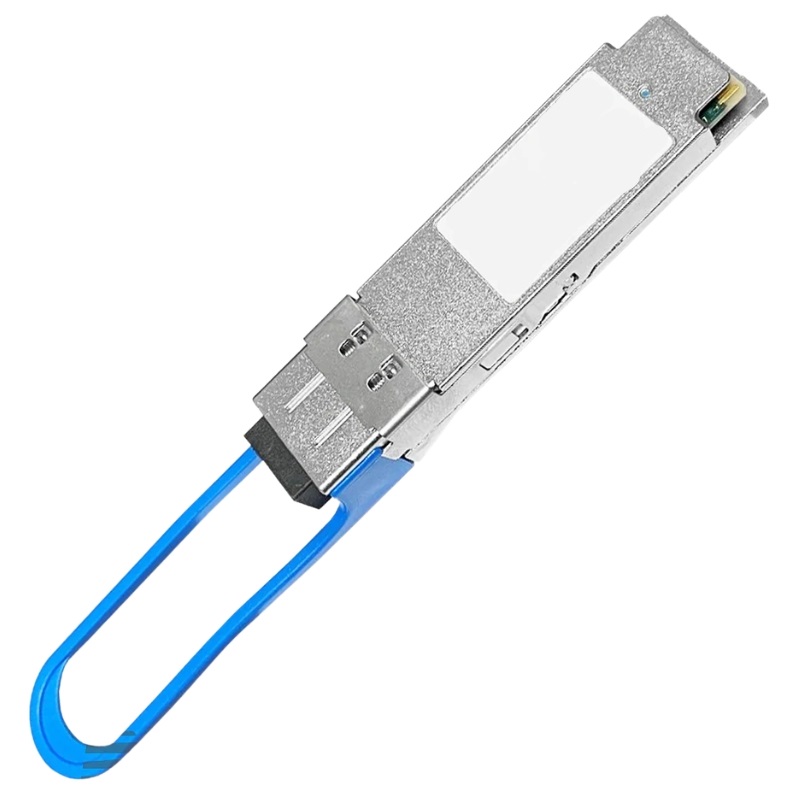


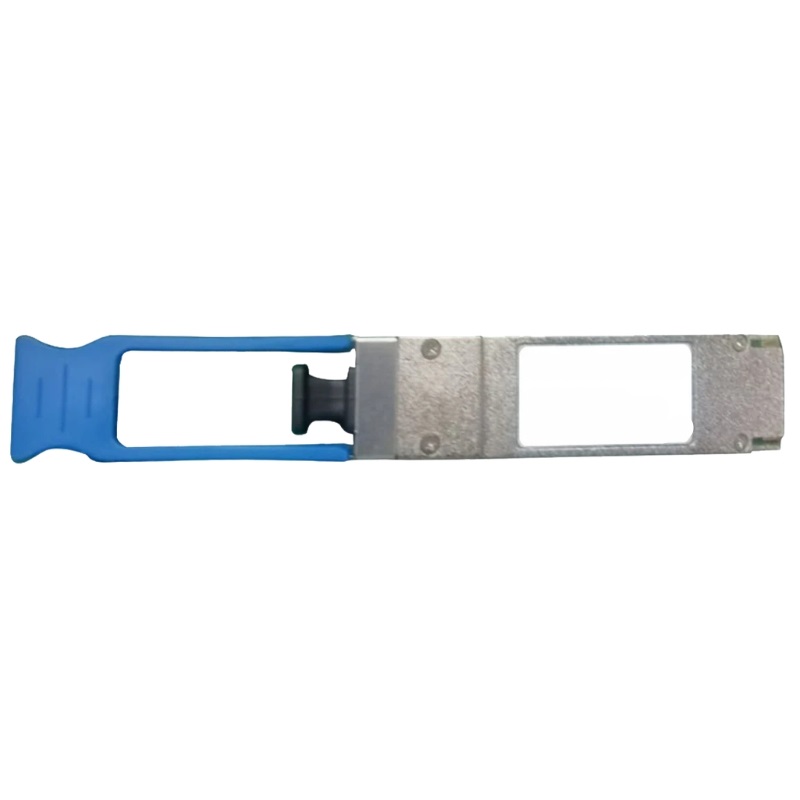
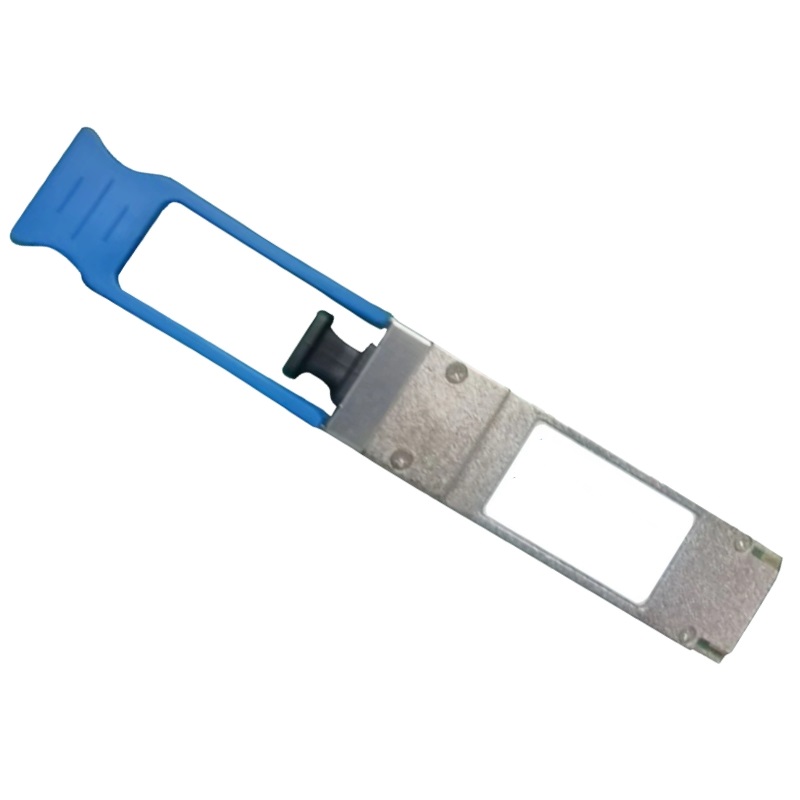
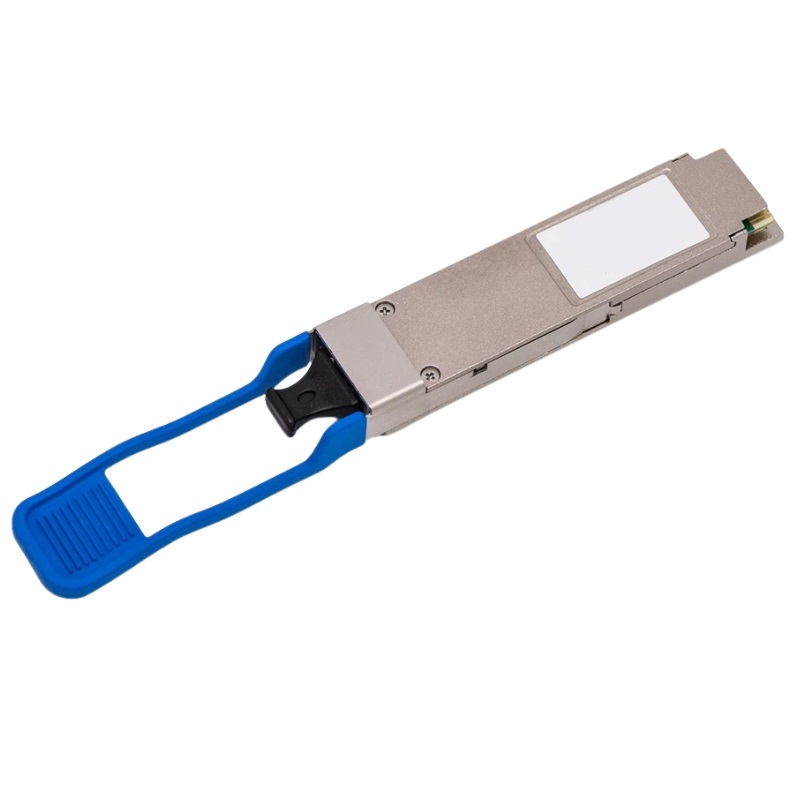
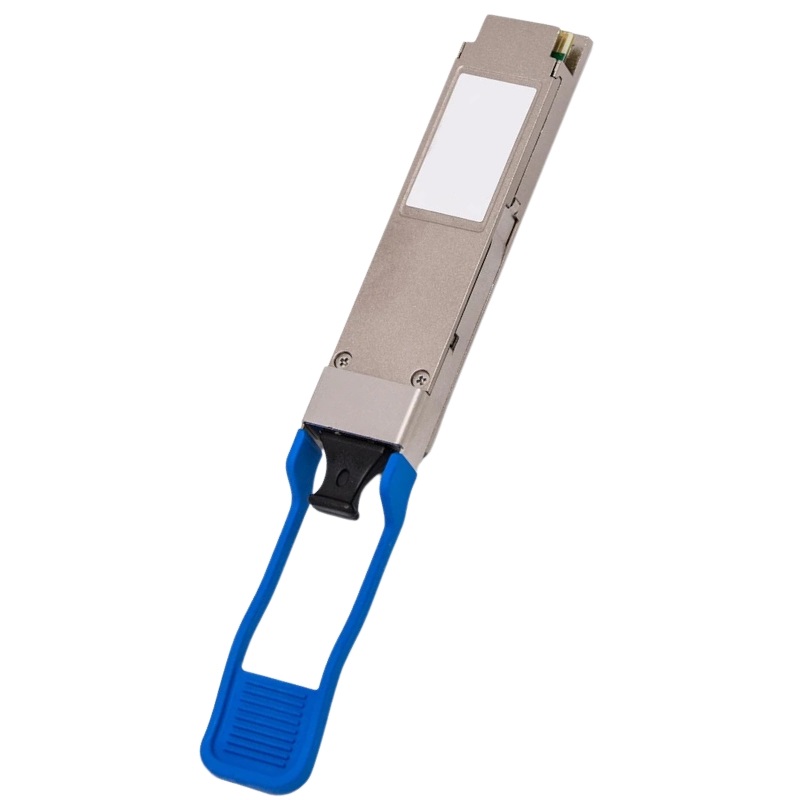
Brocade E40G-QSFP-LR4 Wireless 40Gbase-lr4 QSFP+ Optic LC Single-Mode Up to 10KM Over SMF Single Transceiver. New Sealed with 1-Year Replacement Warranty
The Brocade E40G-QSFP-LR4 is a high-performance QSFP+ optical transceiver designed for single-mode fiber connectivity. Supporting 40GBASE-LR4 technology, this module ensures reliable data transmission over long distances, reaching up to 10 kilometers. Engineered with LC connectors, it delivers seamless integration into advanced networking infrastructures, making it ideal for enterprises requiring stable and efficient 40 Gigabit Ethernet communication.
The Brocade E40G-QSFP-LR4 Wireless 40GBASE-LR4 QSFP+ Optic LC Single-Mode Up to 10KM Over SMF Single Transceiver represents a highly specialized optical networking category engineered for long-distance high-capacity data transmission across enterprise, carrier-grade, and hyperscale infrastructure environments. Designed to meet modern bandwidth demands while ensuring signal integrity over extended fiber runs, this category focuses on QSFP+ optical modules capable of supporting 40 Gigabit Ethernet connectivity using duplex LC single-mode fiber technology. The LR4 optical architecture enables organizations to maintain reliable performance between distributed network facilities, aggregation layers, and metropolitan infrastructure where distance and throughput must coexist without compromise. Within structured optical ecosystems, LR4 QSFP+ transceivers operate using wavelength division multiplexing technology that consolidates multiple optical lanes into a single fiber pair.
The 40GBASE-LR4 optical standard forms the technological foundation of this transceiver category, supporting transmission distances of up to 10 kilometers over single-mode fiber infrastructure. Rather than relying on parallel multimode transmission methods, LR4 technology uses coarse wavelength division multiplexing to combine four optical wavelengths within the 1310nm transmission window. Each wavelength carries a 10Gbps data stream, creating aggregated throughput capable of sustaining demanding data workloads across geographically separated networking zones. Optical multiplexing inside the QSFP+ module ensures stable signal convergence while maintaining compliance with IEEE 802.3ba Ethernet specifications. Internal optical components integrate distributed feedback laser sources alongside high-sensitivity photodetectors, allowing consistent signal reception even when attenuation levels increase across extended fiber lengths. Network operators leveraging LR4 transceiver categories achieve predictable optical budgets that maintain consistent throughput across backbone connections, inter-building links, and metro aggregation networks.
The operational efficiency of LR4 optics depends heavily on CWDM wavelength integration ranging between approximately 1271nm and 1331nm. These carefully spaced wavelengths reduce interference while enabling simultaneous data streams through a duplex LC interface. Optical demultiplexing at the receiving end reconstructs data lanes without introducing measurable packet loss or synchronization degradation. This wavelength strategy contributes to long-term transmission reliability, particularly within temperature-variable deployment environments such as outdoor cabinets or large-scale data centers. Signal stability further improves through precise laser calibration and adaptive equalization mechanisms embedded within modern QSFP+ optical modules. These systems compensate for dispersion effects commonly associated with long-distance single-mode fiber transmission. The resulting performance ensures that enterprise and telecom network operators maintain deterministic communication behavior under heavy traffic conditions.
A defining characteristic of this category lies in its optimized optical power budget supporting up to 10KM transmission distances. Engineers designing backbone networks must consider insertion loss, connector attenuation, splice degradation, and environmental impacts. Maintaining stable link margins allows consistent operation even as infrastructure ages or undergoes incremental expansion.
This capability becomes essential in mission-critical environments where uptime requirements demand uninterrupted service continuity. High-density switching platforms frequently accommodate dozens of QSFP+ ports within a single chassis. The small footprint of LR4 modules enables scalable network growth while minimizing rack space consumption. Data center architects benefit from reduced cabling congestion and simplified airflow management, improving cooling efficiency and lowering operational energy consumption across entire facilities.
Efficient thermal performance remains crucial for sustained optical transmission stability. LR4 QSFP+ transceivers are engineered with advanced heat dissipation structures designed to maintain operating temperatures within strict tolerances. Typical power consumption levels remain significantly optimized compared to earlier optical technologies, helping reduce cumulative power draw in large-scale deployments containing hundreds of active optical interfaces. Integrated temperature monitoring systems continuously report operational data through digital diagnostic monitoring interfaces. Switch firmware uses this telemetry to ensure environmental compliance and proactively detect abnormal operating conditions before performance degradation occurs.
Hot-pluggable capability enhances maintenance workflows within enterprise and telecom infrastructures. Network technicians can insert or remove QSFP+ optics while equipment remains powered, enabling flexible provisioning strategies during upgrades or troubleshooting procedures. Precision connector alignment mechanisms reduce wear during repeated insertions, ensuring long-term mechanical durability and consistent optical coupling efficiency.
Single-mode fiber compatibility defines the operational strength of the Brocade E40G-QSFP-LR4 optical category. Designed for OS2 fiber infrastructure, these transceivers enable high-bandwidth communication across campus environments, metropolitan connectivity frameworks, and distributed data center ecosystems. Single-mode fiber provides significantly lower attenuation compared to multimode alternatives, allowing long-distance connectivity without signal regeneration requirements. Duplex LC connectors simplify deployment by utilizing widely adopted fiber termination standards. This approach eliminates the complexity associated with MPO-based parallel optics while maintaining equivalent throughput performance. Network engineers frequently select LR4 optics when infrastructure requires seamless integration between buildings, carrier exchange facilities, or remote switching nodes separated by several kilometers.
Scalability represents a major advantage within LR4 optical deployments. This backward-compatible infrastructure model significantly reduces capital expenditure while accelerating network modernization timelines. The ability to increase bandwidth without physical fiber replacement allows enterprises to respond rapidly to increasing application demands.
Compatibility plays a defining role within this transceiver category, particularly for organizations operating Brocade networking equipment. The E40G-QSFP-LR4 optical module is engineered to align with firmware validation requirements across multiple switch families, ensuring seamless interoperability without requiring proprietary configuration adjustments. Proper compatibility eliminates communication conflicts that may arise from unsupported optics. Standardized QSFP+ Multi-Source Agreement compliance ensures that these transceivers operate consistently within multi-vendor networking ecosystems. Enterprises implementing hybrid infrastructure strategies benefit from interoperability flexibility while maintaining performance expectations aligned with 40G Ethernet standards.
The rise of spine-leaf architecture within data centers has significantly increased demand for reliable 40G optical connectivity. LR4 QSFP+ transceivers support aggregation links between spine switches and leaf nodes distributed across large facilities or campus environments. High throughput combined with long-distance capability allows data centers to expand horizontally while maintaining uniform bandwidth availability. Aggregation layers handling virtualization traffic, storage replication, and cloud workloads depend on predictable network performance. LR4 optics ensure low latency communication paths capable of sustaining continuous east-west traffic patterns prevalent in virtualized computing environments.
Cloud computing, big data analytics, and high-performance storage environments generate enormous data transfer requirements. 40G LR4 optical modules enable efficient workload distribution across compute clusters while preventing network bottlenecks.


 Contact Us
 Information
 Catalog
 Solid State Drives (SSD)
 Network Switches
 Hard Disk Drives
 HBA & Controllers
 PC & Servers
 PC & Server Memory
 CPU & Processors
 Network Routers
 Power Supplies
 Tape Drives & Libraries
 Network Devices
 Computer & Network Cables