(7% discount is applied at checkout)
Cart is empty
Your go-to destination for cutting-edge server products
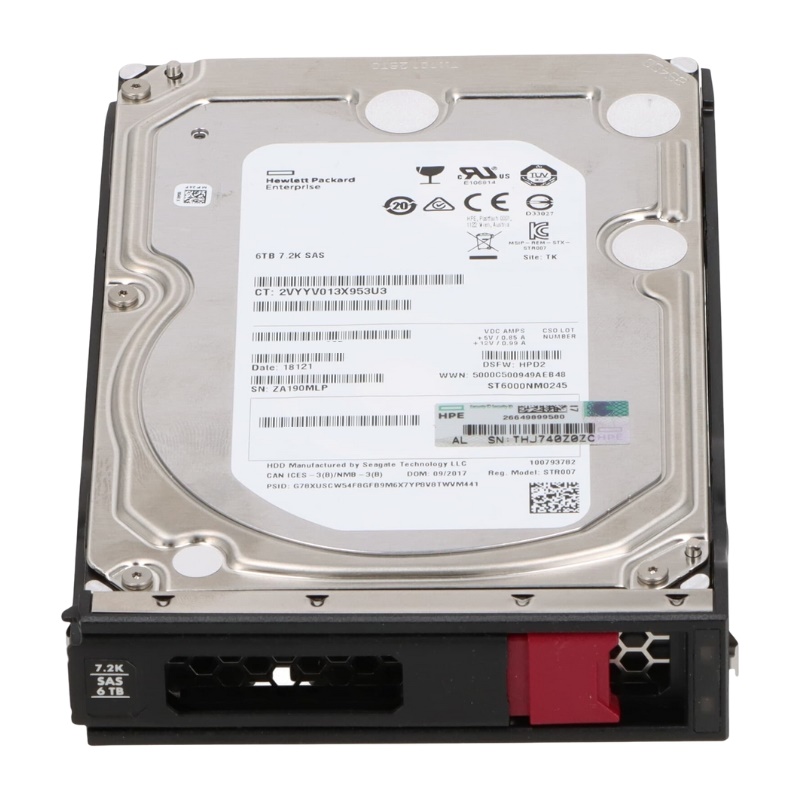


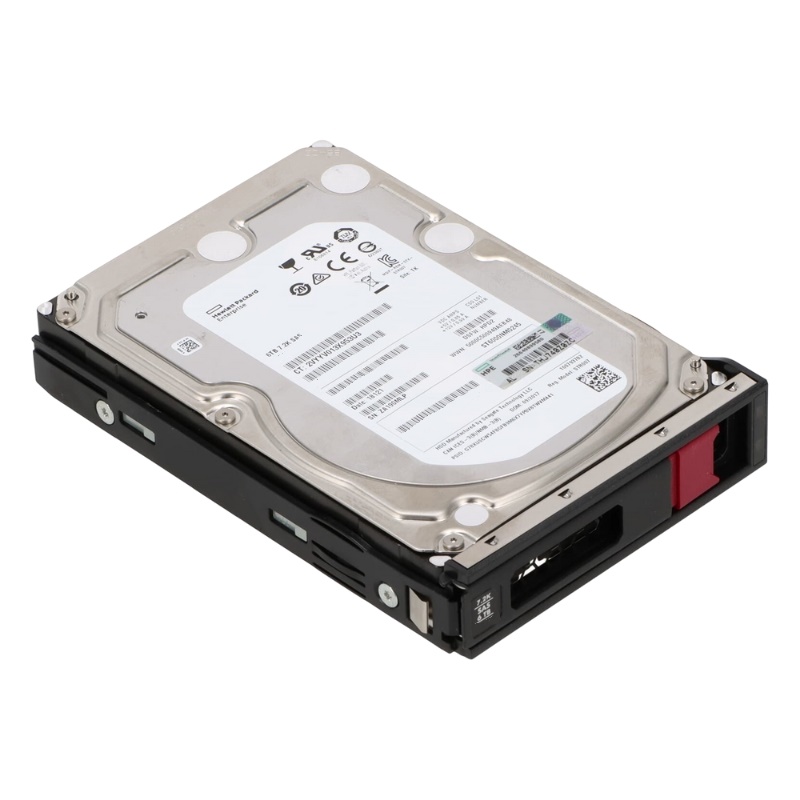
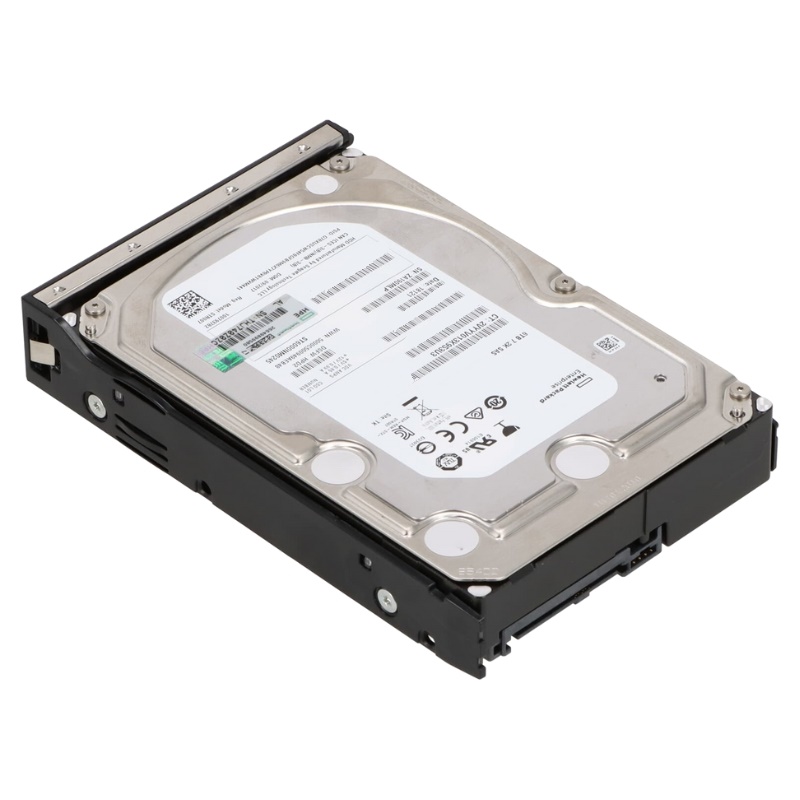
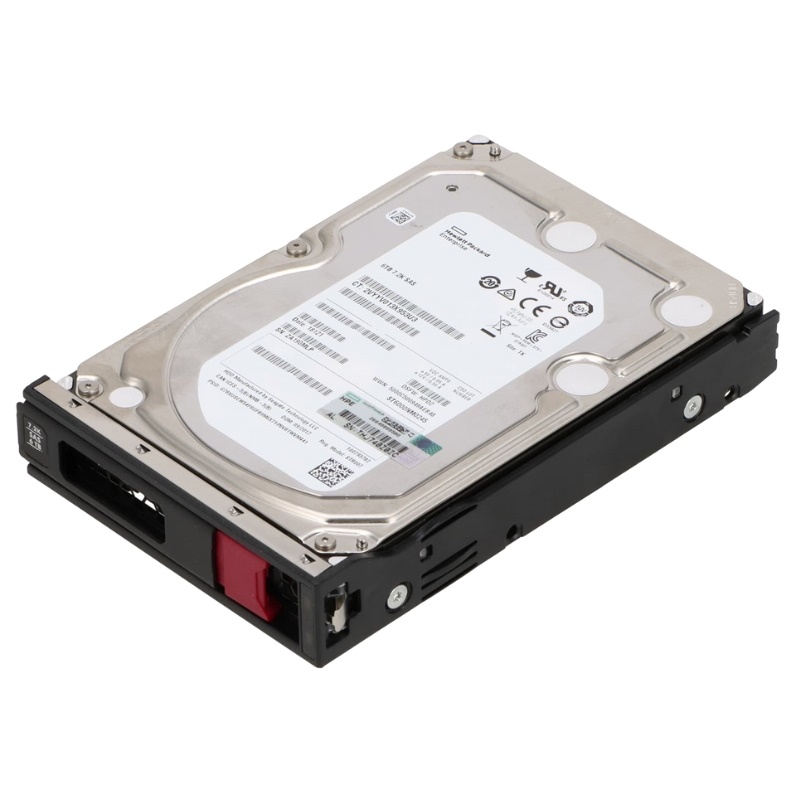
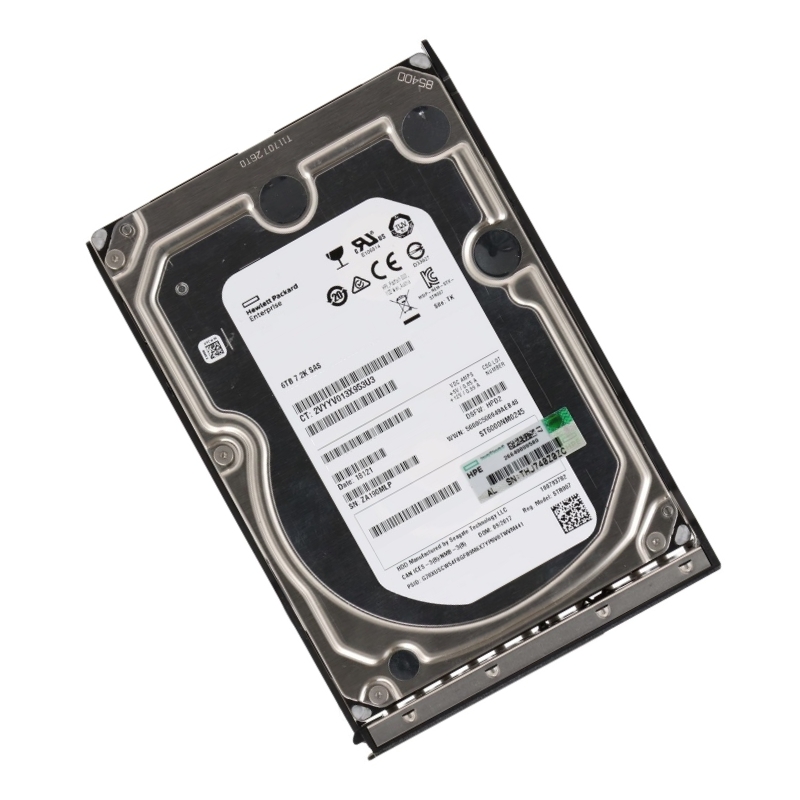
6TB HPE 846519-002 SAS-12GBPS Midline SC Hard Disk 7.2K RPM. Excellent Refurbished with 1 year replacement warranty
The HPE 846519-002 6TB 7.2K 3.5-inch SAS 12Gbps Midline Hot Swap Smart Carrier Hard Disk Drive is a high-capacity enterprise storage solution designed for reliability, scalability, and consistent performance in HPE ProLiant server environments. Built for demanding workloads, this midline HDD delivers an excellent balance between cost efficiency and data durability for data center and enterprise applications.
The HPE 846519-002 6TB 7.2K 3.5-inch SAS 12Gbps Midline Hot Swap SC HDD belongs to a specialized category of enterprise storage devices engineered for high-capacity, cost-optimized, and reliability-focused data center environments. This category of midline hard disk drives is positioned between high-performance enterprise SAS drives and nearline archival storage solutions, offering a balance of affordability, durability, and sustained performance for large-scale workloads. Designed for Hewlett Packard Enterprise infrastructure, this storage class is widely adopted in server systems, storage arrays, and hybrid cloud environments where predictable throughput and operational continuity are essential.
The architecture of this category of hard drives is based on traditional magnetic recording technology optimized for enterprise workloads. The 3.5-inch large form factor chassis allows for higher platter density, enabling the 6TB capacity configuration. The 7,200 RPM spindle speed is carefully selected to deliver stable throughput while maintaining thermal efficiency and long-term endurance. Unlike consumer-grade storage devices, these enterprise drives are engineered with vibration tolerance systems and enhanced head positioning mechanisms to ensure consistent read and write accuracy under heavy multi-drive environments.
A defining characteristic of this storage category is the integration of digitally signed firmware. This ensures that only authenticated and validated firmware can operate on the drive, significantly reducing the risk of unauthorized modifications, corruption, or malicious firmware injection. Hewlett Packard Enterprise implements strict firmware validation processes to maintain consistency across enterprise deployments, making this category particularly suitable for regulated industries and mission-critical systems where data integrity is paramount.
The mechanical structure of these drives incorporates rotational vibration sensors and dynamic fly-height control systems. These technologies compensate for environmental stress factors typically found in densely populated server racks. As a result, the HPE 6TB SAS midline category maintains stable operation even in multi-bay enclosures where airflow turbulence and mechanical resonance could otherwise degrade performance or reliability.
The 12Gbps Serial Attached SCSI interface represents one of the key performance differentiators in this category. SAS technology enables dual-port connectivity, allowing redundant data paths between storage devices and controllers. This redundancy enhances fault tolerance and ensures continuous availability in enterprise environments where downtime is not acceptable. The 12Gbps bandwidth provides significant improvement over earlier generations, enabling faster data transfer rates and more efficient handling of concurrent I/O operations.
Within enterprise storage arrays, the SAS 12Gbps interface supports large-scale drive expansion without compromising throughput consistency. This scalability is critical for modern data centers that rely on horizontal expansion strategies. The architecture supports cascading connections through SAS expanders, enabling hundreds of drives to operate within a unified storage domain while maintaining predictable performance metrics.
The HPE SAS midline category is engineered for seamless integration with HPE Smart Array controllers and ProLiant server ecosystems. This ensures optimized command queuing, error handling, and performance tuning at the hardware level. The compatibility layer also supports advanced RAID configurations, enabling administrators to build resilient storage pools with varying levels of redundancy and performance optimization.
The 7,200 revolutions per minute spindle speed defines the midline positioning of this storage category. It provides a balance between high-performance 10K or 15K enterprise drives and lower-speed nearline archival drives. This balance allows organizations to deploy large-capacity storage solutions without incurring excessive power consumption or thermal output, making it suitable for sustained workloads such as file storage, backup repositories, and virtual machine repositories.
While not designed for ultra-low latency transactional workloads, the 7.2K RPM design delivers predictable access times that are suitable for sequential and mixed I/O patterns. This makes the category highly effective in environments where large data blocks are processed rather than small transactional records. The predictable latency behavior is a key reason for its adoption in scalable storage clusters.
The drive architecture adapts efficiently to workloads involving continuous data streaming, backup windows, and archival retrieval processes. Its firmware-level optimization prioritizes command queuing efficiency, ensuring that multiple simultaneous read and write requests are handled without significant performance degradation.
The Smart Carrier (SC) hot swap design allows the drive to be replaced or upgraded without powering down the system. This capability is essential in enterprise environments where continuous uptime is required. The carrier system integrates mechanical alignment guides, vibration dampening components, and status indicators that simplify maintenance procedures while reducing the risk of human error during drive replacement.
The Smart Carrier design includes LED-based status indicators that communicate drive health, activity, and fault conditions. These indicators allow system administrators to quickly identify failing or degraded drives without requiring software-level diagnostics. This physical layer of feedback enhances operational efficiency in large-scale server deployments.
In high-density data centers, the ability to quickly identify and replace failed drives significantly reduces mean time to repair. The hot swap capability of this category minimizes service disruption, allowing maintenance operations to occur during live system operation without affecting application availability.
Digitally signed firmware is a cornerstone of the HPE enterprise storage ecosystem. It ensures that every firmware update is cryptographically validated before execution. This prevents unauthorized code execution and protects against firmware-level attacks that could compromise data integrity or system stability.
Industries such as finance, healthcare, and government rely on strict compliance frameworks that require secure hardware-level authentication. The digitally signed firmware approach in this storage category supports these requirements by ensuring that storage devices maintain verified and traceable software integrity throughout their lifecycle.
Firmware integrity validation also contributes to long-term device reliability. By restricting firmware changes to authorized versions only, the system avoids instability introduced by incompatible or corrupted firmware updates, thereby extending the operational lifespan of the storage device.
Enterprise-grade error correction algorithms are integrated into this storage category to detect and correct data inconsistencies in real time. These systems work in conjunction with SAS protocol-level error handling to ensure that data corruption risks are minimized during transmission and storage.
Large server arrays generate significant mechanical vibration due to the operation of multiple spinning drives. This category incorporates rotational vibration sensors that dynamically adjust read/write head positioning to counteract external disturbances. This ensures consistent performance even in densely packed storage chassis.
Thermal efficiency is a critical factor in enterprise storage design. The 7.2K RPM configuration reduces heat generation compared to higher-speed drives, allowing for improved cooling efficiency and reduced operational energy costs in data center environments.
The HPE SAS midline drive category is commonly deployed in RAID configurations to enhance data redundancy and performance. It supports multiple RAID levels, enabling administrators to balance fault tolerance, storage capacity, and read/write performance according to operational requirements.
In RAID environments, drive failure is mitigated through automated rebuild processes. The consistent performance characteristics of this category ensure predictable rebuild times, which is essential for maintaining data protection during degraded array states.
High availability systems depend on the ability to recover from hardware failures without data loss. This storage category contributes to this objective by offering stable performance during both normal operation and recovery scenarios, ensuring continuous access to critical datasets.
In virtualized environments, storage performance consistency is more important than peak speed. This category supports virtualization platforms by providing stable I/O performance for multiple virtual machines operating simultaneously on shared storage pools.
Cloud infrastructure providers frequently utilize midline SAS drives as part of hybrid storage architectures. These drives serve as cost-effective capacity layers within tiered storage systems, supporting both active datasets and secondary storage requirements.
The scalability of SAS infrastructure allows integration into distributed storage systems where data is replicated across multiple nodes. This ensures resilience and accessibility even in geographically distributed data center architectures.
This category of storage is widely used in backup environments where large volumes of data must be stored efficiently and retrieved reliably. Its capacity and endurance characteristics make it suitable for nightly backup cycles and long-term retention policies.
For archival use cases, the balance between capacity and power consumption is critical. The 7.2K RPM design allows organizations to store large datasets economically while maintaining acceptable retrieval performance when archived data is accessed.
Enterprise data lifecycle management strategies often include tiered storage models. This drive category fits into mid-tier storage layers, bridging the gap between high-performance primary storage and low-cost archival systems.
This storage category is specifically optimized for integration with HPE ProLiant servers. The compatibility ensures that firmware, controller logic, and system diagnostics operate in a unified ecosystem, reducing configuration complexity and improving reliability.
HPE Smart Array controllers are designed to fully leverage the capabilities of SAS midline drives. This includes advanced caching mechanisms, predictive failure analysis, and optimized RAID striping strategies.
System administrators benefit from integrated management tools that provide real-time monitoring of drive health, performance metrics, and predictive failure alerts, enabling proactive maintenance strategies.


 Contact Us
 Information
 Catalog
 Solid State Drives (SSD)
 Network Switches
 Hard Disk Drives
 HBA & Controllers
 PC & Servers
 PC & Server Memory
 CPU & Processors
 Network Routers
 Power Supplies
 Tape Drives & Libraries
 Network Devices
 Computer & Network Cables